A Tokyo kimono rental can cost ¥3,300, ¥6,900, or much more — and all three prices may be accurate because the plans include different services. The safe way to compare shops is to check the exact dated plan, not the headline price alone.
This guide compares named plans from five Asakusa shops using their official English pages. Prices, stock, and seasonal availability can change. Checked on: July 18, 2026.
- Quick Answer
- Five Asakusa Plans Compared
- What “¥3,500 Plans, ¥8,000 Reality” Means
- The Costs and Conditions to Check Before Booking
- What a Rental Plan Usually Needs to Cover
- Three Useful Budget Levels
- A Practical Asakusa Rental Timeline
- Booking Checklist
- If the Price or Plan Changes: Plan B
- FAQ
- Is ¥3,500 enough for a kimono rental in Asakusa?
- Does a low-price kimono plan include hair styling?
- Can I rent a kimono in Asakusa during July or August?
- How early should I return to avoid a late fee?
- Can I book an Asakusa kimono rental in English?
- What happens if it rains on my rental day?
- How much are men’s kimono plans in Asakusa?
- Can I keep the kimono overnight?
- What should I do if I stain or damage the kimono?
- Related Guides
- Official Sources Checked
- Read Next
Quick Answer
Choose a Tokyo kimono rental in 30 seconds
Do not compare headline prices alone. Before paying, confirm tax, hair styling, included accessories, large-luggage storage, the return deadline, late fees, cancellation and rain rules, damage terms, and any next-day deposit.
In the plans checked on July 18, 2026, REN listed ¥2,500 by reservation without hair and ¥3,500 with hair; Wargo started at ¥3,300 including hair styling; Yui Standard was ¥4,950 including hair; Miu was ¥6,000 by booking; and Yae Standard was ¥6,900. These are named examples, not a Tokyo-wide average.
Summer alert: Wargo Asakusa says only yukata are available in July and August; kimono rental resumes September 1. If the garment type matters, check seasonal availability before booking.
Five Asakusa Plans Compared
This table is a dated snapshot of specific public plans. A lower price does not automatically mean fewer essentials, and a higher price may bundle services that another shop sells separately.
| Shop and plan | Price checked | Hair styling | Return and next-day notes |
|---|---|---|---|
| Wargo Asakusa entry plan |
From ¥3,300 online | Included in the cited starting offer | Same day by 18:00; next day by 15:00 for +¥1,100. July–August: yukata only. |
| REN Women’s Standard |
¥2,500 reservation without hair ¥3,500 reservation with hair |
Choose the with-hair version | Same day by 17:00; the page lists a late fee of ¥2,000 or more. |
| Yae Women Standard |
¥6,900 | Professional styling included | Same day by 17:30; late fee ¥2,500 per person per 15 minutes. Standard next-day return: +¥2,000. |
| Miu KIMONO Kimono set |
¥6,000 booking ¥7,000 walk-in |
Included for women | Same day by 16:50; late fee ¥2,000 per person per hour. Next day by 12:00: +¥3,000 and ¥20,000 deposit. |
| Yui Standard |
¥4,950 web price | Included | Next-day return: +¥2,200, due by 15:30. Confirm the current same-day deadline when booking. |
All listed prices include tax where the official page states it. Online, reservation, walk-in, event-day, and seasonal prices can differ. Open the linked official plan again on the day you book.
What “¥3,500 Plans, ¥8,000 Reality” Means
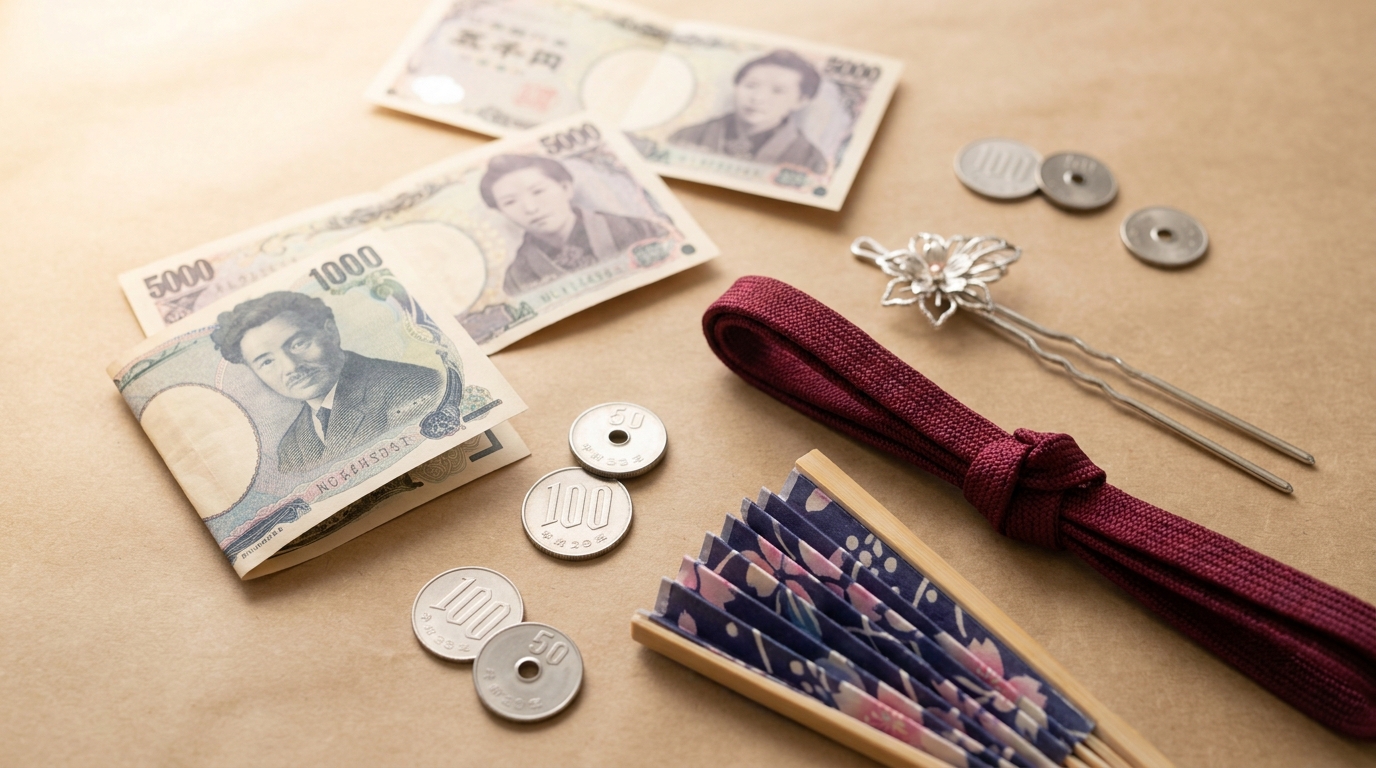
The title describes a possible worked booking, not what every visitor pays. REN currently gives a clear example:
- Women’s Standard with hair by reservation: ¥3,500.
- Switch to Premium with hair: ¥6,000.
- Add a hakama: +¥1,500 outside February and March.
- Add one extra hair-accessory option: +¥500.
That combination totals ¥8,000. You can also stop at ¥3,500, choose another shop, or skip the add-ons. The useful question is not “Is ¥8,000 normal?” but “Which exact services do I want, and what is the itemized total before I pay?”
The Costs and Conditions to Check Before Booking
1. Hair styling: never infer it from the price
Hair is included in Wargo’s cited starting offer, Yui Standard, Yae Women Standard, and Miu’s women’s set. REN separates its ¥2,500 no-hair reservation plan from its ¥3,500 with-hair plan. Yui also has a ¥3,300 Basic plan without hair. Read the inclusion list for the exact plan instead of assuming that every low-cost plan excludes styling.
2. Plan upgrades and optional accessories
The visible price can change when you choose a different garment category or add accessories. REN lists ¥3,500 for Standard with hair and ¥6,000 for Premium with hair. Its public page also lists a ¥1,500 hakama add-on outside February and March, ¥3,000 in February and March, and selected extras such as additional hair accessories from ¥500.
Yui Standard lists an extra ¥1,100 for a lace kimono or yukata. Its hair accessories are broadly available, but the page notes that some pieces may cost extra. Decide which garment category you want before arrival, then ask for the total after any in-store changes.
3. Large luggage and early arrival
Small belongings may be included while suitcases or strollers cost extra. REN lists ¥500 for large luggage, Yae lists ¥500 per large item, and Yui lists ¥550 and up, with a higher event-day price. Yui also publishes early-morning dressing fees that rise the earlier you arrive.
If you are changing hotels that day, ask whether the shop can store the exact size and number of bags you have. Do not assume “baggage storage included” covers a suitcase.
4. Return deadlines, late fees, and next-day returns
The five cited shops do not share one return policy. Their published same-day deadlines range from 16:50 at Miu to 18:00 at Wargo. Yae’s late fee is time-sensitive at ¥2,500 per person for each 15 minutes after 17:30; Miu lists ¥2,000 per person per hour after 16:50; REN lists ¥2,000 or more after 17:00.
Next-day return also differs. Wargo lists +¥1,100, Yae +¥2,000 for the Standard plan, Miu +¥3,000 with a ¥20,000 deposit, and Yui +¥2,200. Confirm the next-day deadline, deposit method, and whether the option must be arranged in advance.
5. Cancellation and rain rules
Rain does not create one universal cancellation right. REN allows cancellation or changes until noon on the previous day and states that same-day cancellation, including rain, is charged at 100%. Miu lists free cancellation up to 48 hours before, a 100% same-day charge, and schedule changes for bad weather. Wargo’s FAQ lists free cancellation until two days before and 100% on the previous day or same day.
Check the forecast before the free-change deadline. If weather turns after that point, contact the shop instead of no-showing.
6. Stains, damage, and insurance
Do not treat one shop’s damage policy as the rule for all Tokyo rentals. Yae says ordinary food spills, street dirt or mud, and abrasion are not charged, but lists ¥20,000 for irreparable stains or damage such as oil-based paint or cigarette burns. Wargo offers a tourism “Peace of Mind” plan for ¥330 per person and publishes separate examples for damage outside its coverage.
If something happens, take a photo and contact the shop before trying to clean or repair the garment. Commercial stain removers can make a kimono harder to restore.
What a Rental Plan Usually Needs to Cover
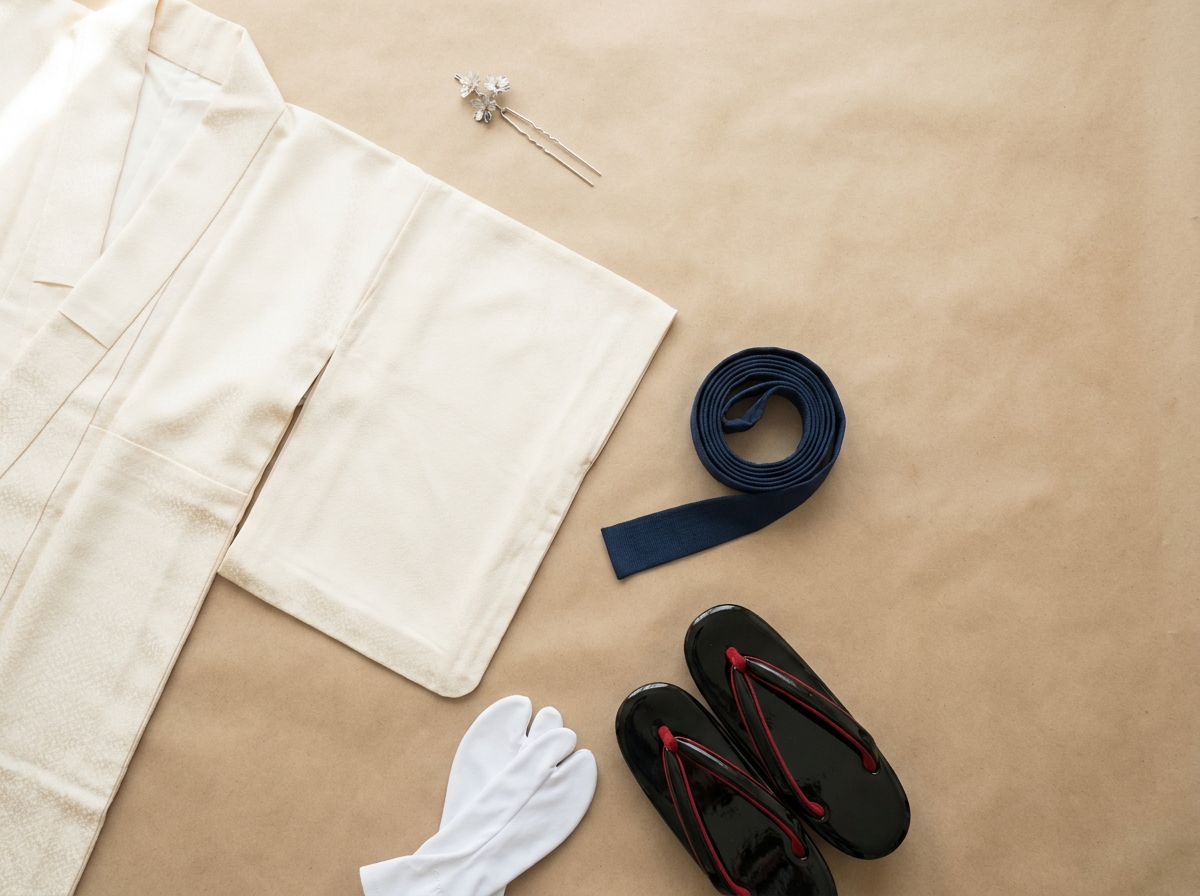
For a normal Asakusa walk, verify that your selected plan includes:
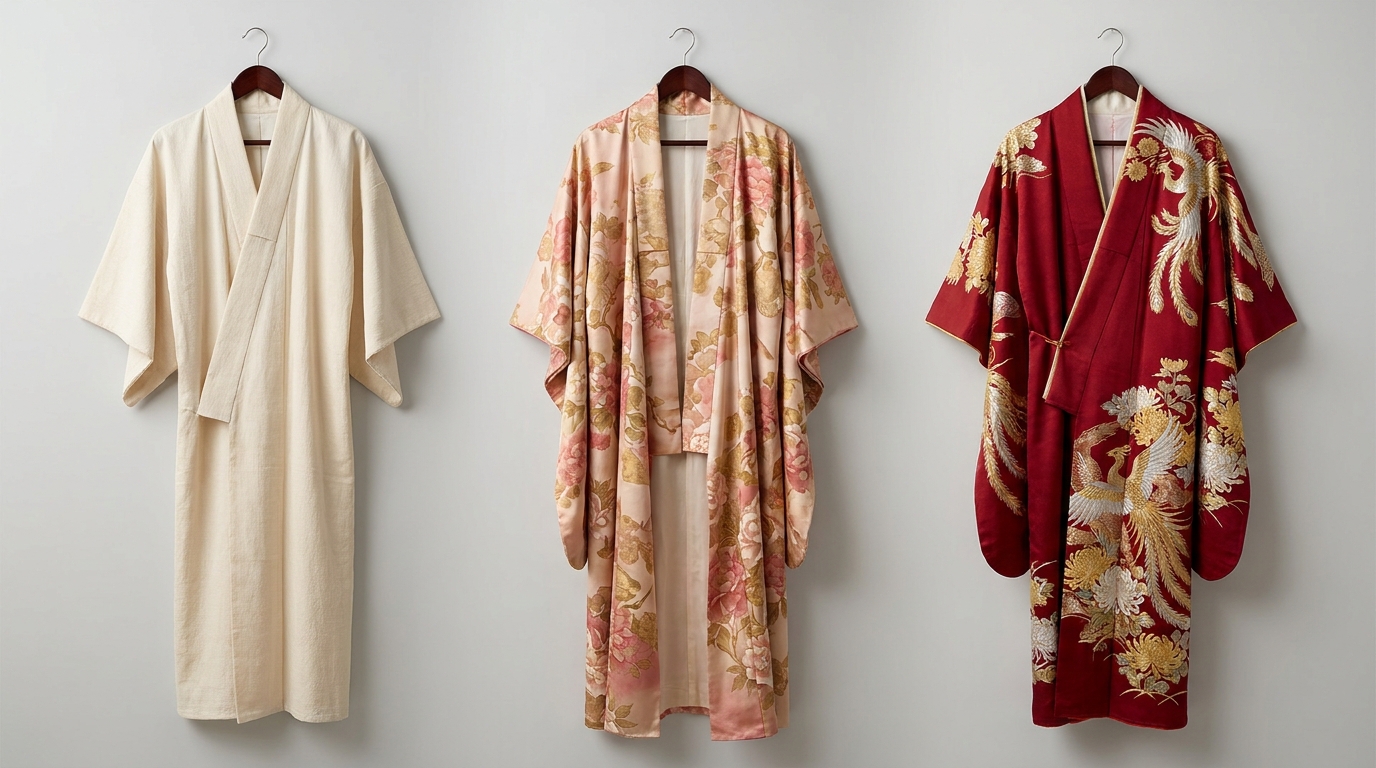
- the kimono or summer yukata you intend to wear;
- professional dressing;
- obi and required undergarments;
- tabi socks and sandals or geta;
- a small bag;
- hair styling, if you want it;
- storage for the belongings you will actually bring;
- a return time compatible with your route.
Makeup, professional photography, premium garments, hakama, lace items, large luggage, early-morning service, and next-day return are common points to check separately. They are not automatically excluded or included across every shop.
Three Useful Budget Levels
Lean plan: about ¥2,500–¥4,950
Named current examples include REN at ¥2,500 without hair, REN at ¥3,500 with hair, Wargo from ¥3,300 including hair, and Yui Standard at ¥4,950 including hair. This level can work for a self-guided Asakusa walk if you choose the exact garment and inclusions carefully.
More choice: about ¥6,000–¥8,900
REN Premium with hair is ¥6,000, Miu’s booking price is ¥6,000, Yae Women Standard is ¥6,900, and Yae Retro is ¥8,900. This range may buy a broader garment category or more services, but compare the inclusion list rather than the number alone.
Formal wear or photography: price separately
Furisode, formal hakama, and professional photo sessions are different products from a casual sightseeing rental. For example, Yae lists a ¥30,000 Furisode plan and separate photo packages. Start with the occasion you need, then compare like with like.
A Practical Asakusa Rental Timeline
A return buffer matters more than squeezing in one final stop. A workable same-day outline is:
- Arrival and dressing: allow 45–60 minutes unless your shop gives a different estimate.
- Morning route: Kaminarimon, Nakamise, and Sensoji.
- Midday: lunch with foods that are easy to eat without splashing.
- Afternoon: Sumida Park or a short riverside walk.
- Return: aim to reach the shop at least 30 minutes before its deadline.
Use the Asakusa Quick Guide to order the stops, then cut the final stop if the buffer disappears. The mission is to finish the experience without a late fee, not to cover every landmark.
Booking Checklist
Save a screenshot of the exact plan and fill this in before you confirm:
- Plan name and visit date: ______
- Tax included: Yes / No / Unclear
- Hair styling included: Yes / No
- Garment category available that month: ______
- Optional upgrade total: ¥______
- Large-luggage fee: ¥______
- Same-day return deadline: ______
- Late-fee unit: ¥______ per ______
- Free cancellation or change deadline: ______
- Rain policy: ______
- Next-day fee, deadline, and deposit: ______
- Damage or insurance terms saved: Yes / No
If the Price or Plan Changes: Plan B
- If the in-store total differs from the page you saved, pause before payment and ask for an itemized total.
- Remove optional upgrades one by one, return to the booked category, or choose another current plan.
- For rain, lateness, or cancellation, contact the shop and follow its written policy instead of no-showing.
- If the garment is stained or damaged, photograph it and contact the shop before cleaning or attempting a repair.
- Keep the reservation, price screenshot, return deadline, and deposit receipt until the rental is fully closed.
FAQ
Is ¥3,500 enough for a kimono rental in Asakusa?
It can be. REN lists a ¥3,500 reservation plan with hair, and Wargo starts at ¥3,300 including hair styling. The final total depends on the exact garment, date, luggage, accessories, return option, and any in-store changes.
Does a low-price kimono plan include hair styling?
Sometimes. Wargo’s cited starting offer includes hair styling, while REN lists ¥2,500 without hair and ¥3,500 with hair. Yui lists a ¥3,300 Basic plan without hair and a ¥4,950 Standard plan with hair. Check the exact inclusion list.
Can I rent a kimono in Asakusa during July or August?
Availability depends on the shop. Wargo Asakusa currently says it rents only yukata in July and August and resumes kimono rentals on September 1. Confirm the garment type for your date before booking.
How early should I return to avoid a late fee?
Aim to arrive at least 30 minutes before your shop’s written deadline. The cited deadlines differ: Miu 16:50, REN 17:00, Yae 17:30, and Wargo 18:00. Use the deadline in your own reservation confirmation.
Can I book an Asakusa kimono rental in English?
Yes. The five shops compared here publish English plan or booking information. Save the English plan page and your confirmation so you can verify the plan name, inclusions, and return time at check-in.
What happens if it rains on my rental day?
Policies differ. REN states that same-day cancellation, including rain, is charged at 100%. Miu lists schedule changes for bad weather. Check the forecast before the free-change deadline and contact the shop instead of no-showing.
How much are men’s kimono plans in Asakusa?
In the official pages checked on July 18, 2026, REN listed ¥3,500 by reservation, Yui ¥4,620, Miu ¥6,000, and Yae ¥6,600. Wargo’s summer men’s yukata plan started at ¥3,300. Prices and seasonal offerings can change.
Can I keep the kimono overnight?
Some shops offer next-day return. Wargo lists +¥1,100, Yae +¥2,000 for Standard, Miu +¥3,000 with a ¥20,000 deposit, and Yui +¥2,200. Confirm the next-day deadline and deposit method before paying.
What should I do if I stain or damage the kimono?
Photograph the issue and contact the shop immediately. Do not apply a commercial cleaner or attempt a repair unless the shop instructs you to do so. Damage coverage and charges differ by shop and plan.

Related Guides
Official Sources Checked
- Wargo Asakusa plans and store information
- Wargo terms and damage coverage
- Yae Women Standard plan
- Yae FAQ for returns, storage, and damage
- REN plans, return, cancellation, and payment information
- Miu KIMONO plan, return, and deposit information
- Yui plans, luggage, early service, and next-day return
Source check date: July 18, 2026. Prices and conditions can change without this article changing at the same moment. Treat the shop’s current booking page and written confirmation as final.
Read Next


Comments