Quick Answer
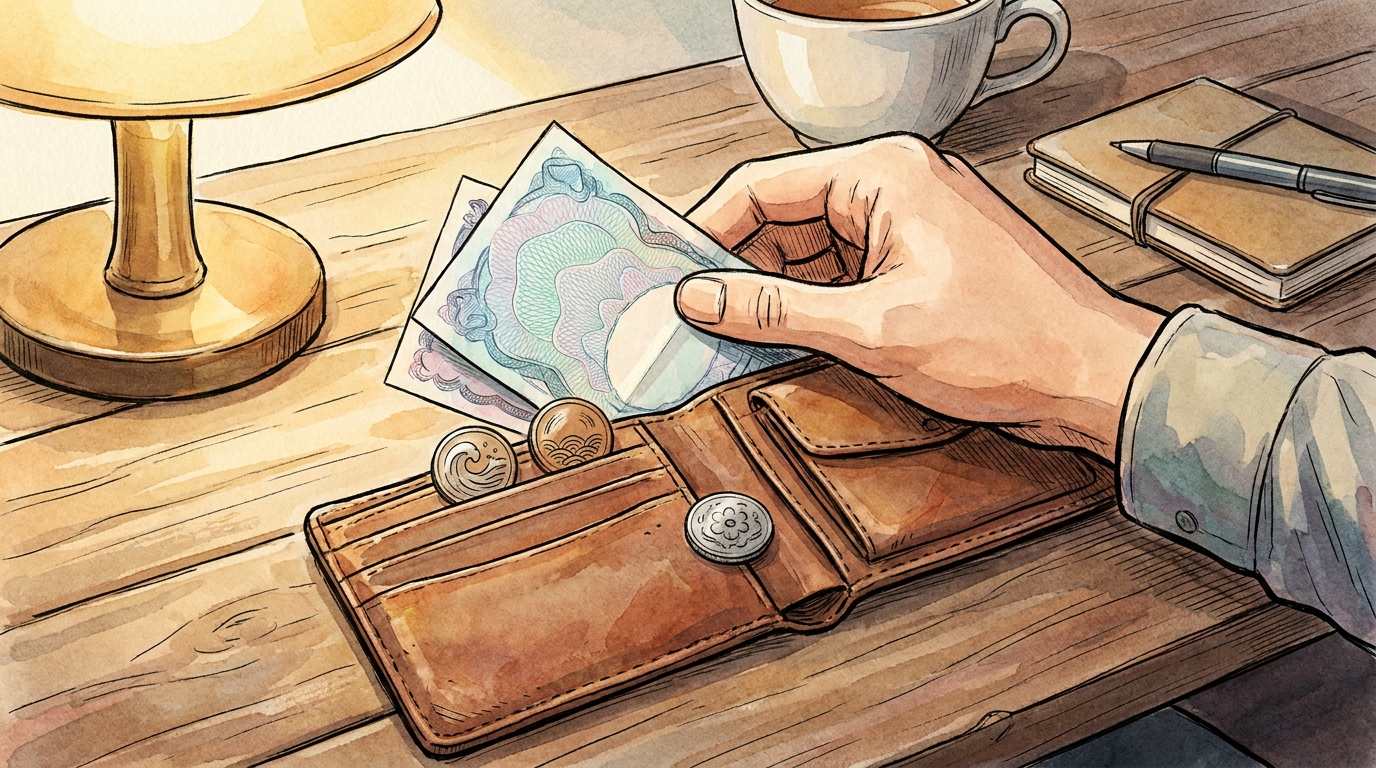
Japan currently issues ¥10,000, ¥5,000, ¥2,000, and ¥1,000 banknotes, plus ¥500, ¥100, ¥50, ¥10, ¥5, and ¥1 coins. The 2024 banknotes and the previous 2004 designs both remain valid, so seeing two different portraits for the same denomination is normal.
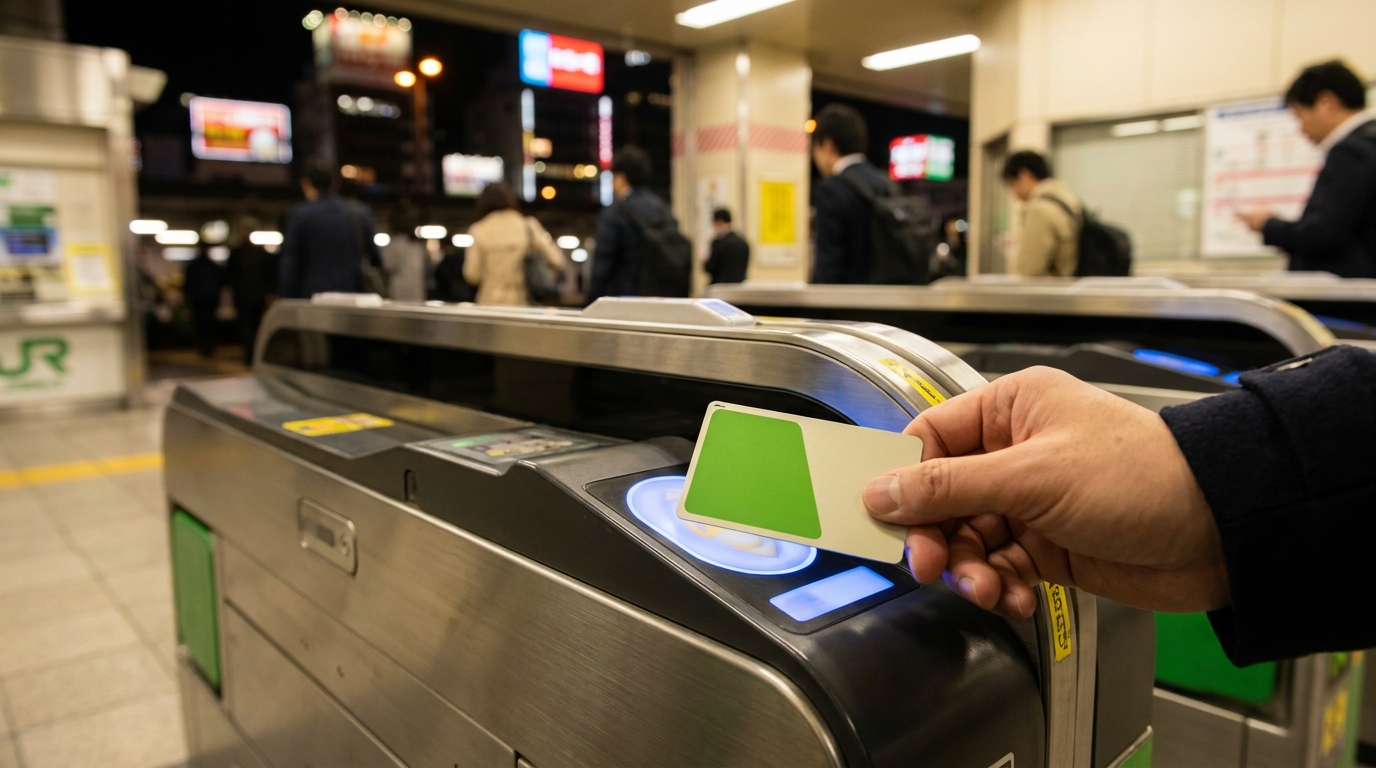
For a normal travel day, keep some ¥1,000 notes and ¥100 coins. Use a card or IC card where convenient, but keep cash for small restaurants, shrine offerings, festival stalls, older machines, and rural stops. If you need yen from a foreign card, Seven Bank and Japan Post Bank publish international-card support; limits, fees, and service hours vary.
30-second setup: card for larger purchases · Suica/PASMO for transit and small taps · ¥10,000–¥20,000 cash as an RJG planning buffer, adjusted for your itinerary.
Last checked: July 11, 2026.
Current Japanese Yen Notes and Coins
| Denomination | What travelers should know |
|---|---|
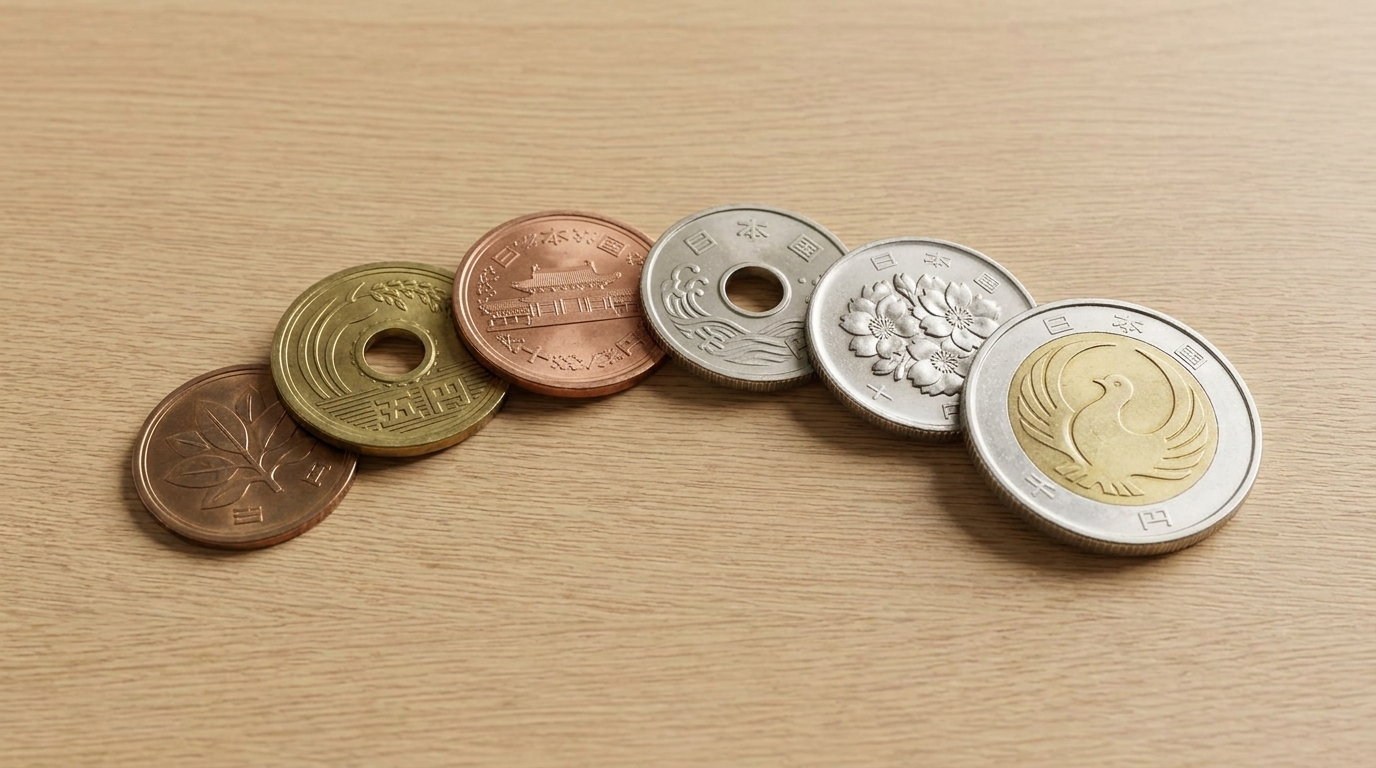
| ¥10,000 note | Useful for hotels, restaurants, and larger purchases. Some small machines will not accept it. |
| ¥5,000 note | Normal legal tender, but less useful than ¥1,000 notes for machines. |
| ¥2,000 note | Valid but uncommon outside Okinawa. Use a staffed checkout if a machine refuses it. |
| ¥1,000 note | The most useful note for ticket machines, small restaurants, laundries, and vending machines. |
| ¥500 coin | Useful for lockers, laundries, and small purchases. Older machines may reject some coin designs. |
| ¥100 coin | The most useful coin for lockers, vending machines, laundries, and shrine or temple payments. |
| ¥50 / ¥10 coins | Normal change for small purchases. |
| ¥5 coin | Valid at staffed registers and commonly used as a shrine offering. |
| ¥1 coin | Spend it at a staffed register; many machines do not accept it. |
Old and New Banknotes: Both Can Be Valid
The Bank of Japan issued redesigned ¥10,000, ¥5,000, and ¥1,000 notes on July 3, 2024. The Bank of Japan’s current-issue page also shows the previous 2004 designs. Travelers therefore receive both series in ordinary change and ATM withdrawals.
- 2024 ¥10,000: Eiichi Shibusawa / Tokyo Station.
- 2024 ¥5,000: Umeko Tsuda / wisteria flowers.
- 2024 ¥1,000: Shibasaburo Kitasato / Hokusai’s Great Wave.
- 2004 notes remain listed by the Bank of Japan and continue to circulate.
Do not assume that every historical Japanese note is valid. Use the Bank of Japan’s official lists of notes and coins currently issued and other valid currency when checking an unfamiliar older note.
Why a Valid Note or Coin Can Be Rejected
A machine’s bill or coin reader may not recognize every valid design. That is a hardware-compatibility problem, not proof that the money is counterfeit or expired.
If a vending machine, locker, bus fare box, or laundry rejects your money:
- Flatten the note and try once more.
- Try a different ¥1,000 note or use ¥100 coins.
- Look for an IC-card reader and use Suica, PASMO, or ICOCA if supported.
- Use the note at a staffed konbini or other register and ask for smaller change.
- Move to another machine instead of repeatedly forcing the bill or coin.
Where Cash Is Still the Practical Choice
| Situation | Best default | Backup |
|---|---|---|
| Large hotel, department store, chain restaurant | Card | Cash |
| Trains and city transit | IC card | Cash ticket |
| Small ramen or soba shop with ticket machine | ¥1,000 notes / coins | Ask staff before ordering |
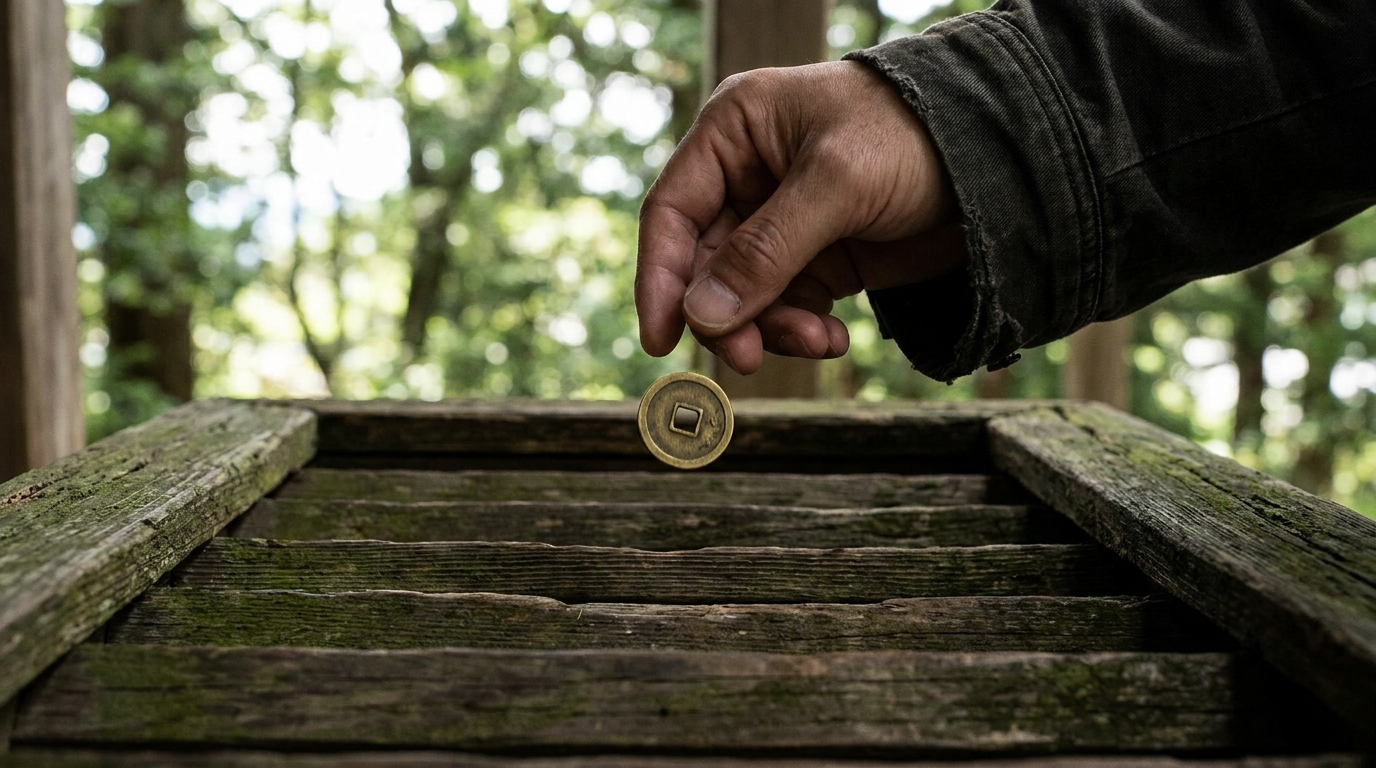
| Shrine or small temple payment | Coins / small notes | Use a staffed desk if available |
| Festival stall or market snack | Cash | IC or QR payment only when displayed |
| Coin locker or laundromat | ¥100 / ¥500 coins | IC-card machine or nearby change machine |
| Rural taxi or small rural shop | Confirm first; carry cash | Ask for the nearest ATM |
The ¥10,000–¥20,000 daily cash buffer is an RJG planning heuristic, not a fixed rule. Carry less in central Tokyo if your card and IC card work reliably; carry more for rural travel, festivals, small onsen towns, or a group.
Withdrawing Yen with a Foreign Card
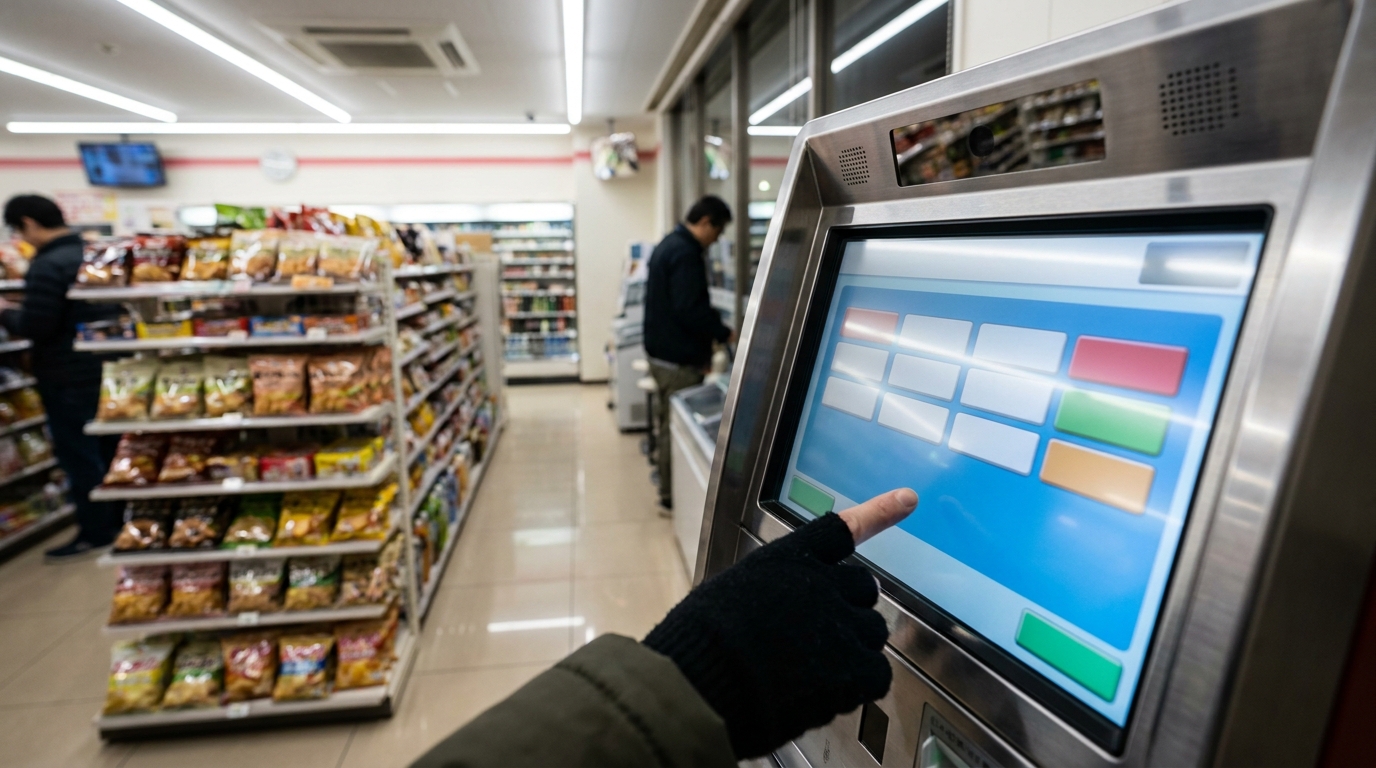
Seven Bank
Seven Bank operates more than 28,000 ATMs in Japan, including machines at many 7-Eleven stores, airports, stations, and shopping facilities. Its official international-card page lists Visa/Plus, Mastercard/Maestro/Cirrus, UnionPay, American Express, JCB, Discover, and Diners Club. A matching logo does not guarantee that every individual card will work.
- Maximum per overseas-card withdrawal: ¥100,000 for supported transactions; magnetic-stripe transactions are limited to ¥30,000.
- Service hours depend on the card brand and the location.
- ATM and card-issuer fees vary; read the confirmation screen before accepting.
Seven Bank: foreign-card ATM information and locator
Japan Post Bank
Japan Post Bank ATMs accept several overseas-issued card networks, including Visa/Plus, Mastercard/Maestro/Cirrus, JCB, UnionPay, and Discover. The official page states a ¥50,000 single-transaction limit, with some cards subject to a ¥220 ATM fee plus any issuer fee. Hours vary by ATM and may be shorter on holidays.
Japan Post Bank: international ATM service
ATM Plan B When a Withdrawal Fails
- Check that the card network logo is supported.
- Try a smaller withdrawal amount.
- Use a different ATM network, such as Seven Bank or Japan Post Bank.
- Check your bank app for a fraud alert or international-ATM lock.
- Do not keep entering a PIN if you are unsure; repeated failures can lock the card.
- Keep a second card separately from your main wallet.
If the ATM offers settlement in Japanese yen or your home currency, read the displayed exchange rate and fees. Selecting JPY lets your card network or issuer perform the conversion; choosing home currency accepts the ATM provider’s displayed conversion. Do not confirm until you understand which rate you are accepting.
The ¥2,000 Note
The ¥2,000 note remains listed by the Bank of Japan. It shows Shureimon Gate on the front and is seen more often in Okinawa than in Tokyo or Osaka. Because it is uncommon, some machines may reject it. Use it at a staffed shop, hotel, restaurant, or bank counter if necessary.
FAQ
Are old Japanese banknotes still valid?
The 2004-series ¥10,000, ¥5,000, and ¥1,000 notes remain in normal circulation alongside the 2024 series. For older designs, confirm the exact note on the Bank of Japan’s official valid-currency list.
What Japanese coins should tourists keep?
Keep ¥100 coins for lockers, vending machines, laundries, and small payments. Use ¥1 and ¥5 coins at staffed registers; many machines do not accept them.
What ATM should I try first with a foreign card?
Seven Bank is a practical first option because it publishes wide international-card support and operates a large network. Japan Post Bank is a useful backup. Compatibility, fees, and hours still depend on the card and machine.
How much cash should I carry in Japan?
RJG’s practical starting point is ¥10,000–¥20,000 per day, adjusted for your route. Central-city travelers using cards and IC cards may need less; rural travel, festivals, and small onsen towns may require more.
Can I use a ¥2,000 note?
Yes, it is valid. Because it is uncommon, a machine may refuse it; use a staffed checkout if that happens.
Official Sources
- Bank of Japan: notes and coins currently issued
- Bank of Japan: 2024 banknote series and 2021 ¥500 coin
- Seven Bank: ATMs for foreign-issued cards
- Seven Bank: supported cards, hours, and limits
- Japan Post Bank: international ATM service


Comments