# When to Take Off Your Shoes in Japan: A Practical Guide for Short-Term Guests (2026)
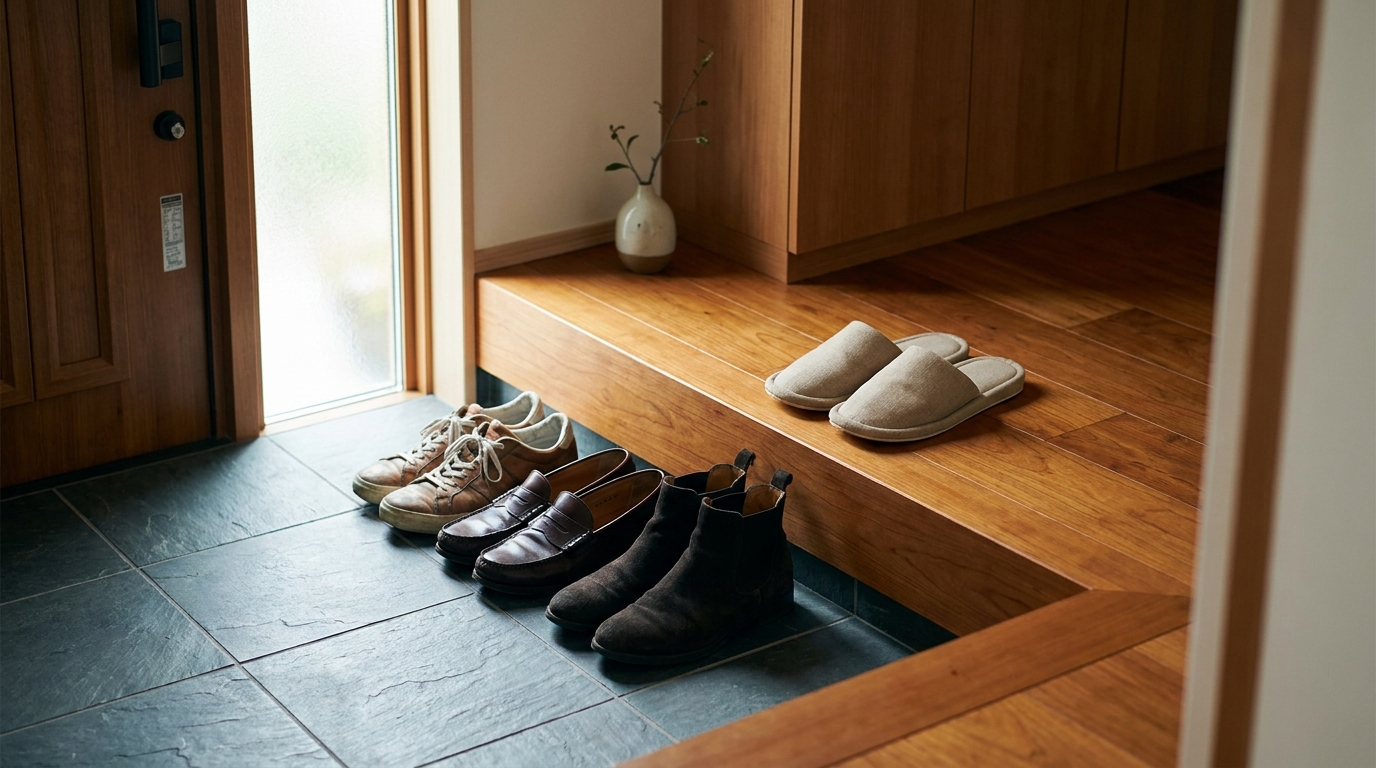
In Japan, you take off your shoes any time you step from a lower entry area onto a higher floor inside a building — homes, traditional inns (ryokan), most temples, some restaurants, and almost every Airbnb or minpaku rental. The signal is almost always a small step up at the entrance, called the genkan. If you see one, your shoes come off.
This guide is built for short-term visitors. It explains the one rule that covers nearly every situation, the visual cues that tell you when it applies, the slipper traps that catch first-timers, and the small gestures that mark you as a thoughtful guest rather than the one who walked into the living room with shoes on.
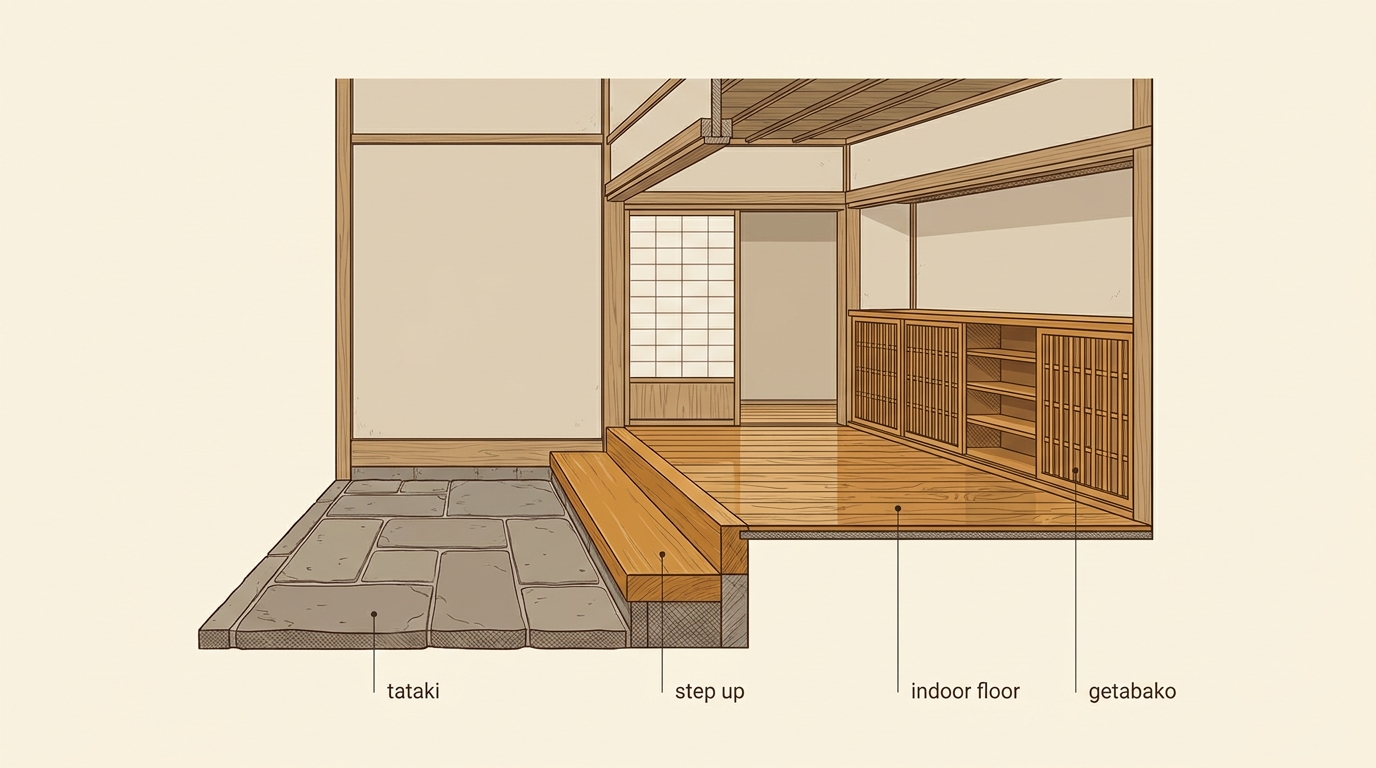
Quick Answer: In Japan you take off your shoes whenever you step up from the lower entry area (the genkan) onto a higher indoor floor — in homes, ryokan, many temples, some restaurants, and almost every Airbnb or minpaku. Leave your shoes in the genkan facing the door, then switch to provided slippers or walk in socks, and never wear regular slippers onto tatami. Use the separate toilet slippers only in the bathroom and switch back when you leave.
- The One Rule That Covers 90% of Cases — The Genkan
- Where to Look: 5 Visual Cues
- Where Shoes Always Come Off (Beyond Homes)
- Slippers: When to Wear, When to Take Off
- Tricky Footwear: A Word for Western Travelers
- Regional Variation: It’s Not Identical Everywhere
- Common Mistakes Short-Term Guests Make
- A Traveler’s Playbook — A Typical Day
- Frequently Asked Questions
- Related Reading
- Did this guide solve your problem?
The One Rule That Covers 90% of Cases — The Genkan
The genkan is the small entry area just inside the front door, almost always set lower than the rest of the floor. It is not a hallway. It is a buffer zone — a deliberate divide between outside (dirty, public, with shoes) and inside (clean, private, without shoes).
When you see a genkan, the rule is simple:
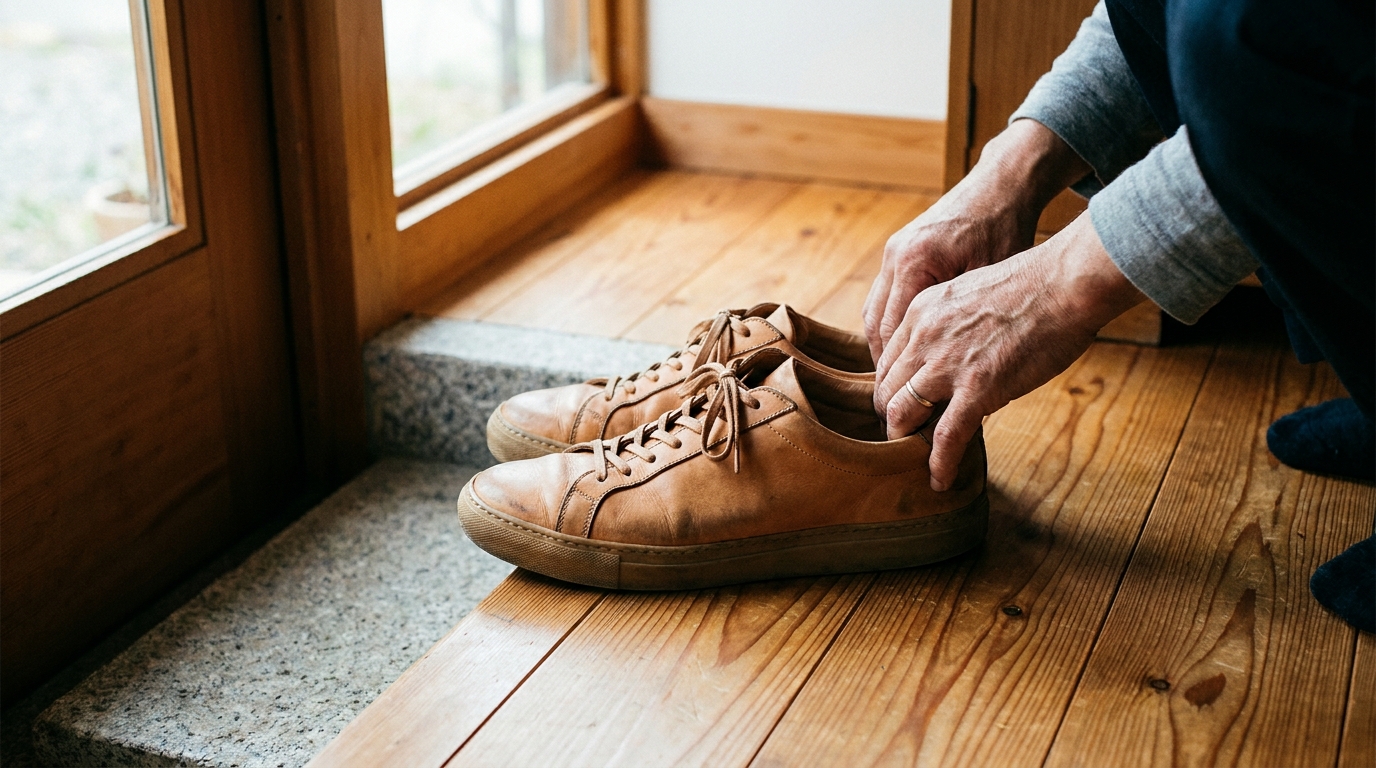
Stand in the lower area. Take off your shoes. Step up onto the higher floor in your socks or in slippers.
Almost every dwelling in Japan has one — single-family homes, apartments, Airbnb rentals, minshuku, ryokan. Many businesses, temples, and traditional restaurants do too. Once you can spot a genkan, you can navigate 90% of shoe-removal situations without asking.
Where to Look: 5 Visual Cues
If you are not sure whether to remove your shoes, scan the entrance for these five signals. Any one of them is a strong “yes.”
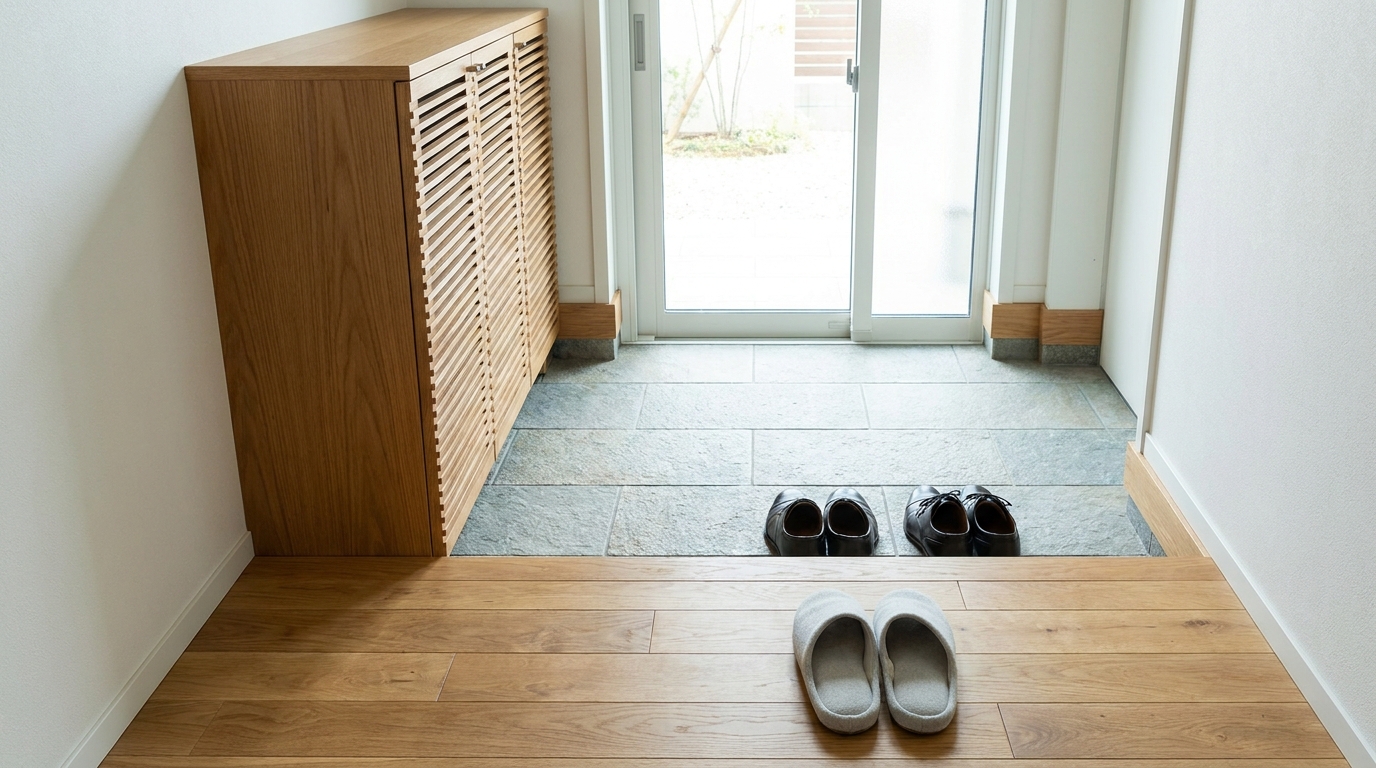
- A step up at the doorway. The lower area is the tataki, the higher area is the indoor floor. Even a small 5–10 cm step counts.
- A change in floor material. Tile or concrete on the lower side, wood or tatami on the upper side. Material change = boundary line.
- Shoes already lined up at the doorway. If others have left their shoes neatly by the entrance, follow their example.
- A getabako (shoe cabinet) or open shoe rack nearby. Built-in or freestanding storage for shoes is a near-certain signal.
- Slippers placed on the upper floor, facing inward toward you. The host or property has prepared them as guest indoor footwear.
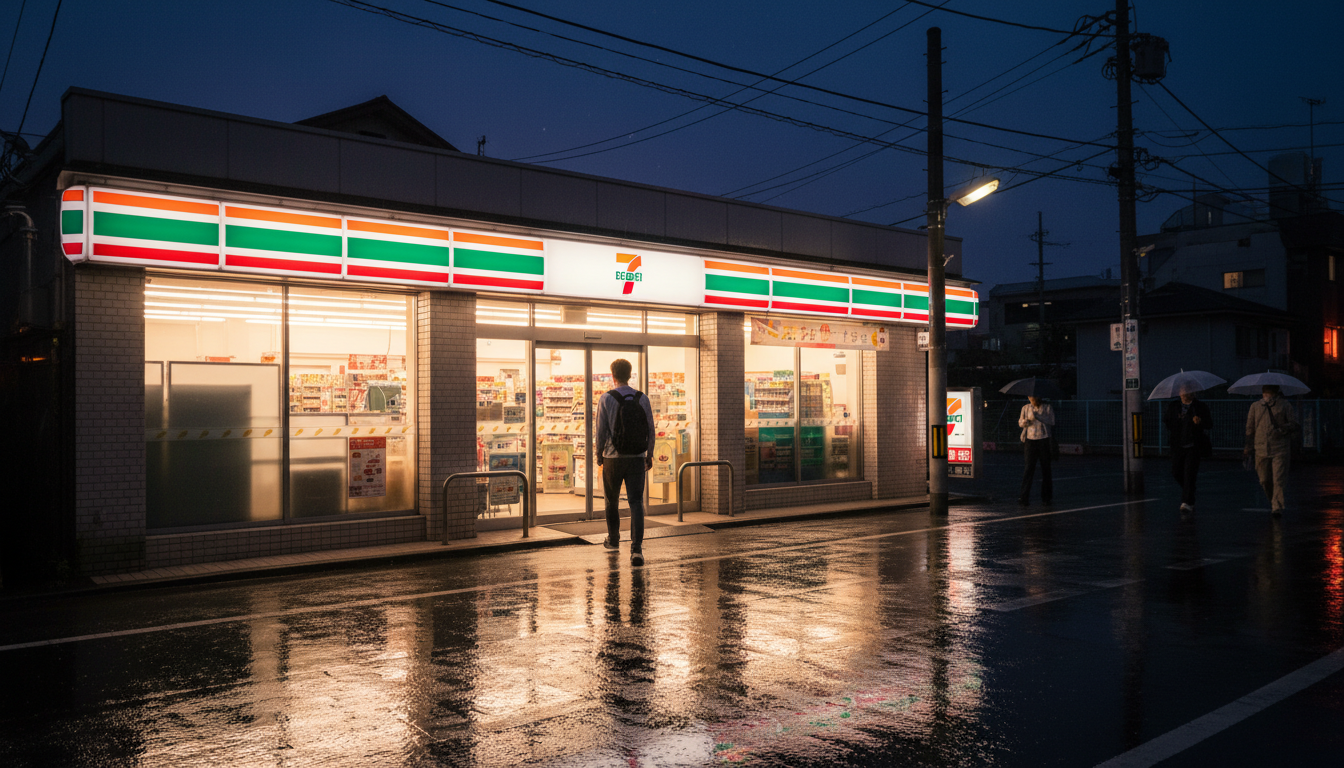
If none of these signals are present — for example, a typical café, supermarket, or convenience store with a flat tile floor — keep your shoes on.
Where Shoes Always Come Off (Beyond Homes)
Outside private homes, the same rule applies in many public and semi-public places. Watch for the genkan signal in any of these:
- Airbnb, minpaku, and private rentals — assume shoes off unless a clearly Western-style entrance with no step exists
- Ryokan and minshuku (traditional inns) — shoes are removed at the entrance, sometimes at a dedicated shoe storage area before the front desk, and replaced with a pair of inn slippers (often with a tag or locker number so you can retrieve them later)
- Temple and shrine buildings — when you enter the building itself, not the outdoor grounds; shoes are often placed on a rack or carried in a provided plastic bag
- Tatami restaurants and zashiki seating areas — removed before stepping up to the raised tatami platform
- Schools, sports halls, traditional craft workshops — students and visitors switch to indoor shoes (uwabaki)
- Fitting rooms in many clothing stores — a small step or floor pad indicates the change
- Onsen and sento (public baths) — shoes go in a locker at the entrance, before you enter the changing room
When in doubt, look at what others are doing. If everyone ahead of you is unlacing their shoes, you do the same.
Quick Reference: Shoes, Slippers, or Bare Feet?
| Where you are | Shoes | Slippers | Socks / Bare Feet |
|---|---|---|---|
| Convenience store, café, supermarket | ✅ Keep on | — | — |
| Restaurant with table seating, Western style | ✅ Keep on | — | — |
| Restaurant with raised tatami (*zashiki*) seating | ❌ Remove | ❌ Remove | ✅ Yes |
| Airbnb, *minpaku*, private rental | ❌ Remove | ✅ If provided | ✅ Yes |
| *Ryokan* / *minshuku* hallways | ❌ Remove | ✅ Yes | — |
| *Ryokan* tatami room | ❌ Remove | ❌ Remove | ✅ Yes |
| Toilet inside a home or *ryokan* | — | ✅ Toilet slippers only | — |
| Temple or shrine building interior | ❌ Remove | If provided | ✅ Yes |
| *Onsen* / *sento* changing room | ❌ Remove (lockers at entrance) | — | ✅ Yes |
| Fitting room at a clothing store | ❌ Remove | — | ✅ Yes |
Slippers: When to Wear, When to Take Off
Slippers are usually provided in homes, ryokan, and most properties that ask for shoes off. The rules are not complicated, but the toilet-slipper rule trips up almost every first-time visitor.
The General Rule
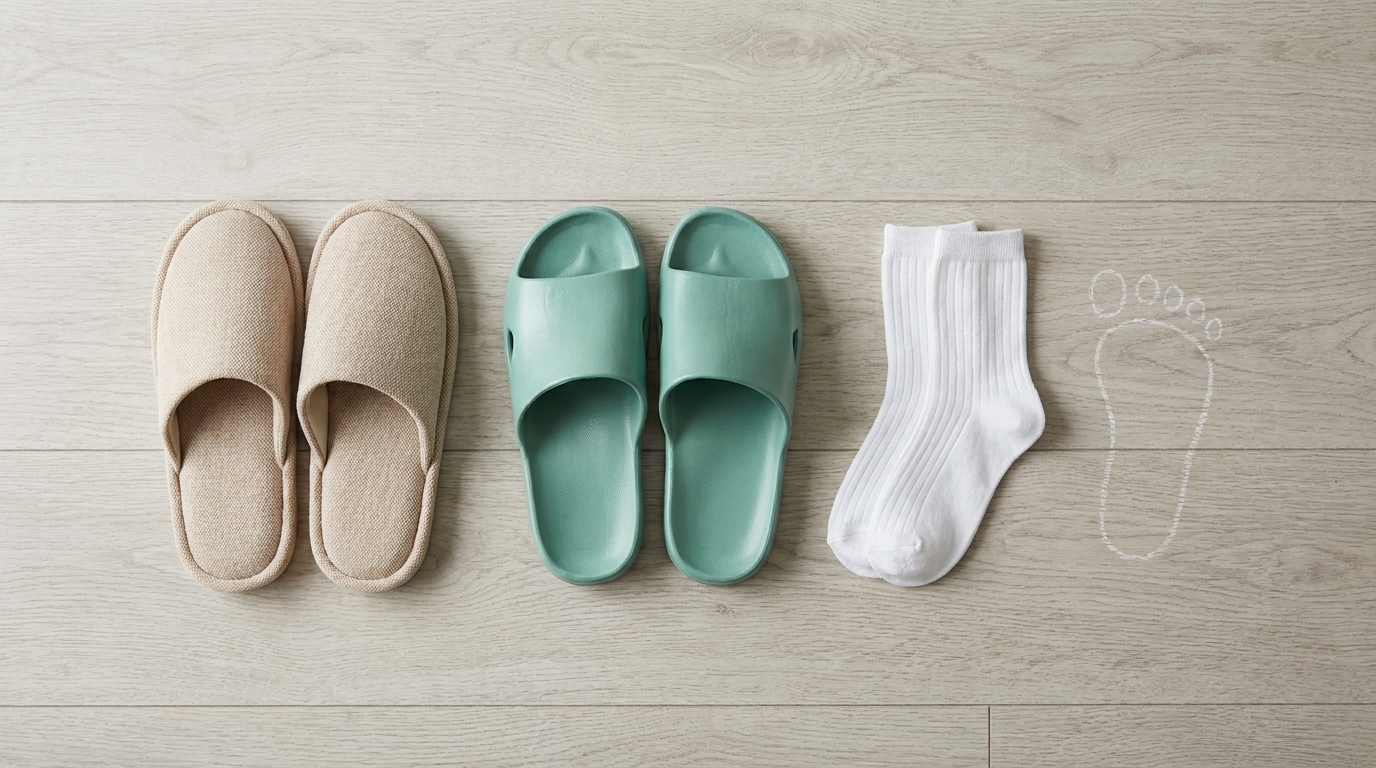
Slippers are fine on hallways, wood floors, and most indoor areas. They are not worn on tatami. When you reach a tatami room, step out of the slippers, leave them neatly outside the doorway, and walk on the tatami in socks or bare feet.
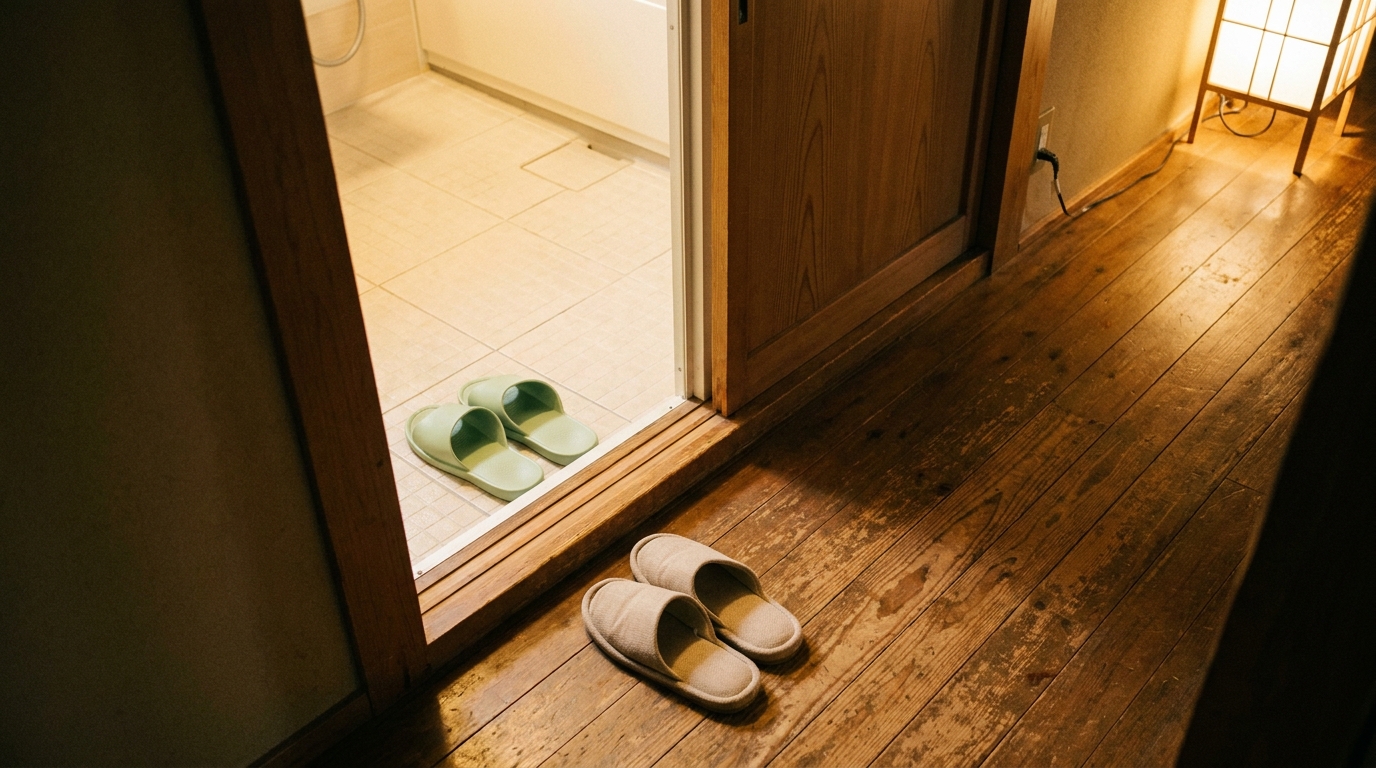
Toilet Slippers — The Most Common Faux Pas
Most Japanese bathrooms have a separate pair of slippers waiting just inside the toilet door. They are often a different color or material — sometimes plastic, sometimes labeled with the kanji for “toilet.”
Two rules:
- When you go in: Take off your regular slippers, leave them outside the door, and put on the toilet slippers.
- When you come out: Take off the toilet slippers, leave them inside the bathroom, and put your regular slippers back on.
The mistake to avoid: walking out of the bathroom still wearing the toilet slippers. It is one of the most-noticed slip-ups foreign guests make. If a Japanese host sees you wandering the living room in toilet slippers, they will smile politely and quietly die inside.
What If There Are No Slippers?
Some homes — especially modern apartments and many minpaku rentals — do not provide guest slippers. Walking around in clean socks is completely acceptable, and is the safer default when you are a guest in someone’s home or a ryokan. Bare feet are tolerated in casual settings, but socks consistently signal more care and are recommended whenever a host is present.
What If The Slippers Don’t Fit?
Provided slippers are typically sized for an average Japanese foot — often too small for many Western adults. If your heels hang off the back, do not force them on. Walk in socks instead. Hosts understand and prefer this to slippers being damaged or you tripping.
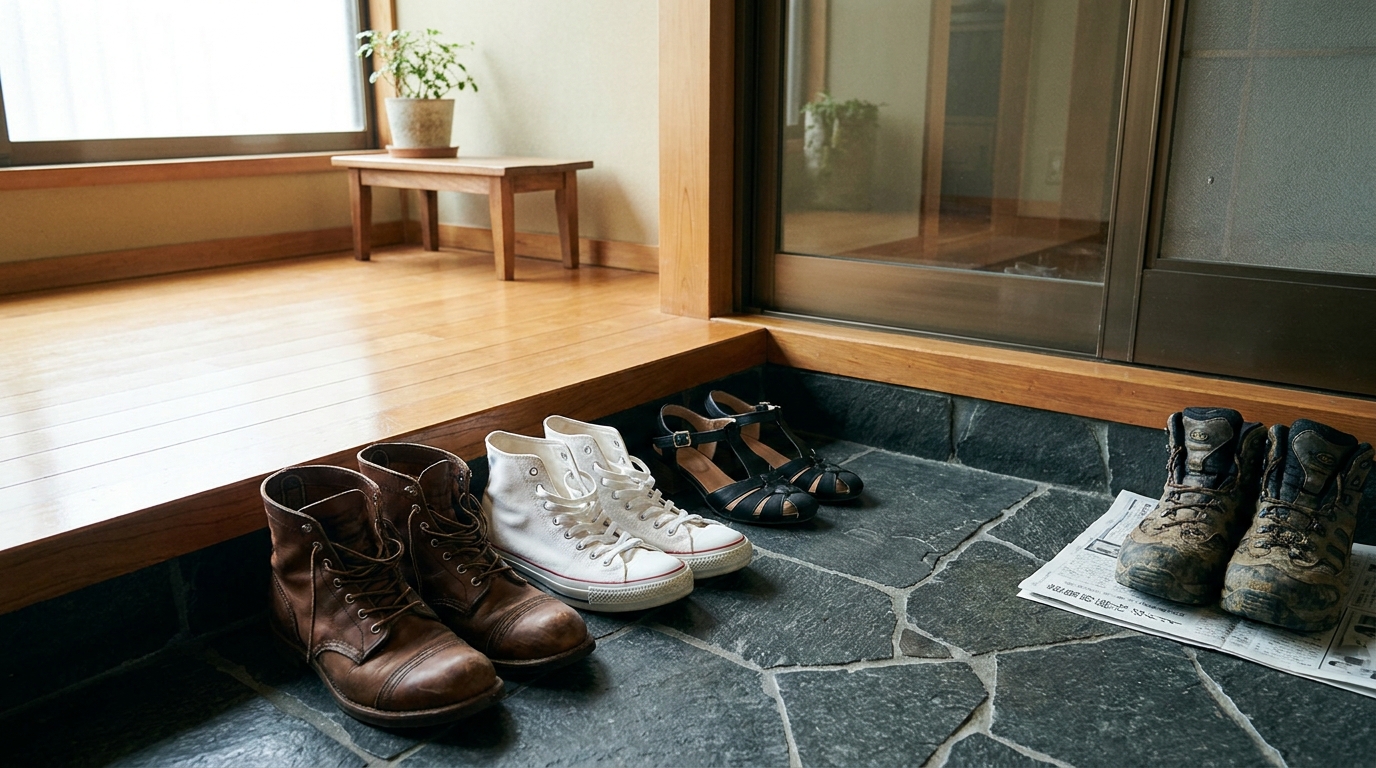
Tricky Footwear: A Word for Western Travelers
A few types of footwear common in Western daily wear cause specific friction in Japan, where the assumption is that shoes are quick to slip on and off many times a day.
- Lace-up boots and high-cut sneakers — At a busy genkan with people behind you, taking thirty seconds to unlace can feel awkward. A small foldable shoehorn or slip-on alternatives are worth packing for trips with many ryokan or temple stops.
- Tall boots and zip boots — These are fine, but expect a slower entry. Sit on the genkan step if there is one. Most homes will not mind.
- Sandals with ankle straps — Easy to remove. The only issue is that bare feet will be visible most of the day, so watch the foot care.
- Heels — Removing heels is straightforward. Walking in bare feet on cold floors in winter is the bigger surprise. Slipper-friendly socks are an easy fix.
- Hiking shoes with mud or gravel — Knock the soles off outside before entering. Hosts notice when you take that extra second.
The unspoken rule across all of these: anything that delays the genkan line by more than a few seconds is mildly inconvenient, but never disqualifying. Travelers carrying complicated footwear are not seen as rude — only as slightly slower.
Regional Variation: It’s Not Identical Everywhere
The shoes-off rule is universal in private homes across Japan, but the surrounding details shift from region to region in small but useful ways.
- Hokkaido and Tohoku (snow regions) — In winter, expect a small mat or tray inside the genkan for snow-covered shoes, and a moment to brush snow off before stepping inside. The shoes-off rule itself is unchanged.
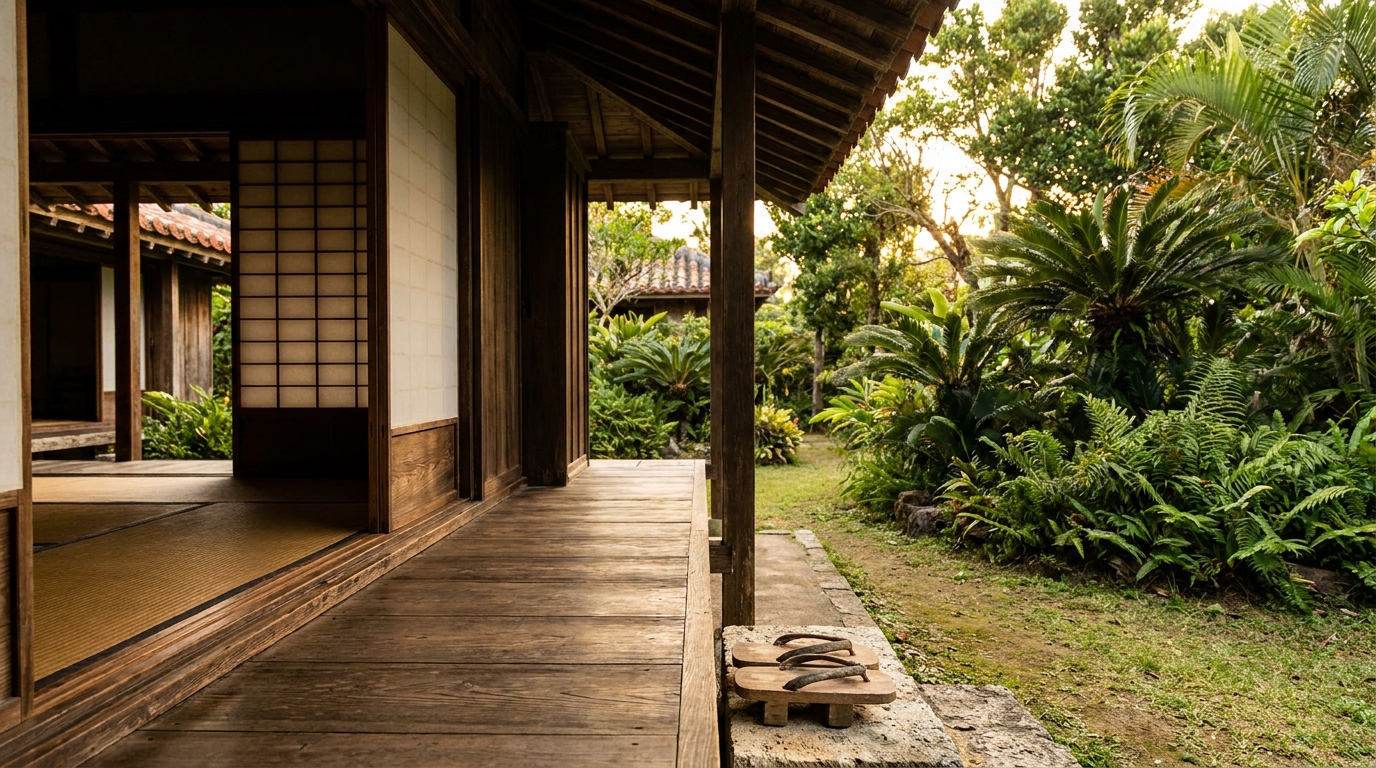
- Okinawa — Some traditional ryukyu houses have wooden verandas where shoes are removed at the outer step rather than just inside the door. The principle is the same; the geometry is older.
- Kansai (Kyoto, Osaka, Nara) — In long-established town houses (machiya) and old ryokan, the genkan may be unusually deep and dimly lit. The expectation is the same; allow a moment for your eyes to adjust before assuming there is no step.
- Rural inns and farm stays — Some properties offer outdoor geta (wooden clogs) or simple sandals to walk between buildings. These come off again when you re-enter the next building.
None of this changes the rule. It only changes the prop list.
Common Mistakes Short-Term Guests Make
These are the slip-ups that come up again and again with short-term guests in private accommodations:
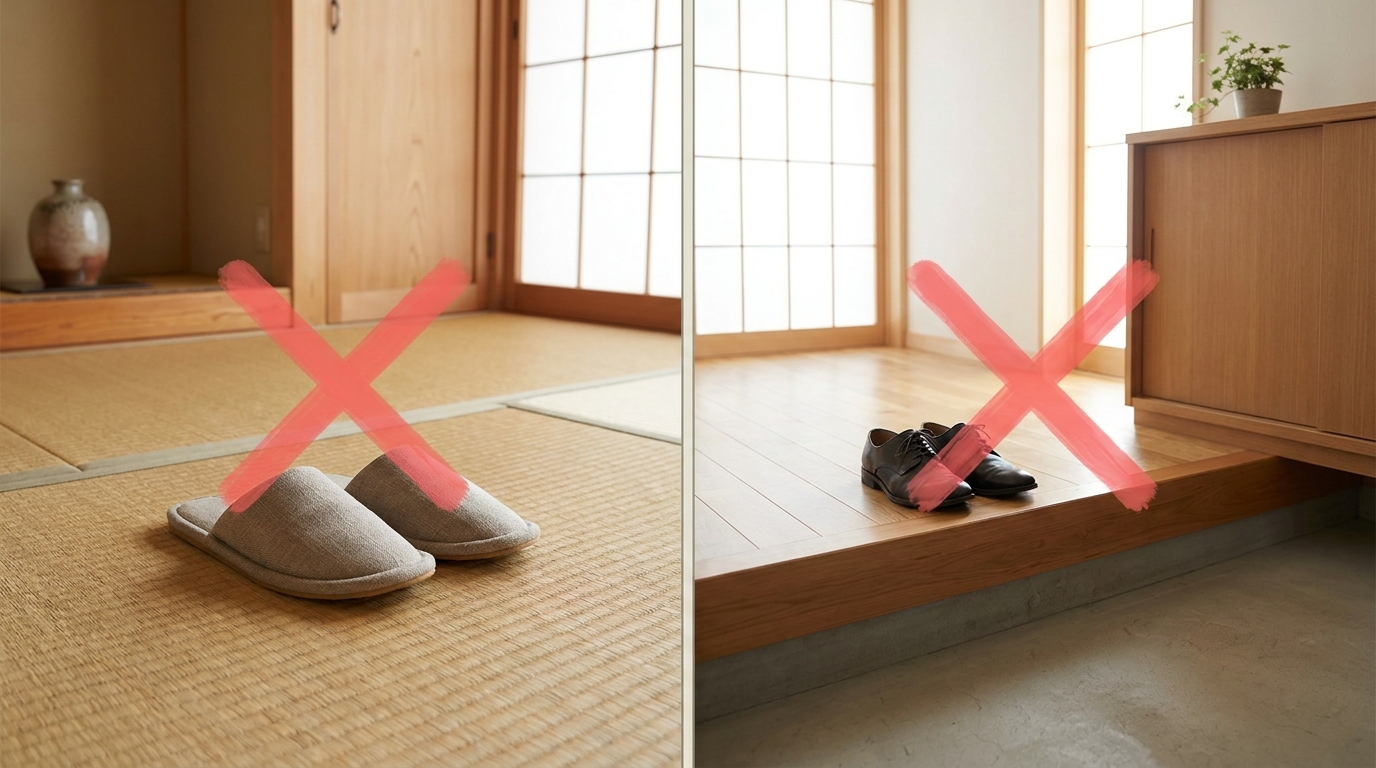
- Stepping onto the upper floor with shoes still on. Even one step counts. If it happens by accident, apologize, step back down, and take them off.
- Forgetting to switch out of toilet slippers. Covered above. Watch for this every single time.
- Walking on tatami in slippers. Tatami is woven from natural rush grass and is treated as a delicate surface. Slippers on tatami can leave marks and is considered disrespectful.
- Placing shoes on the upper floor. Shoes belong in the tataki (lower entry area) or in the shoe cabinet. Never carry them up onto the indoor floor.
- Leaving shoes scattered or facing inward. It takes three seconds to line your shoes up neatly and turn the toes to face the door — small but noticed.
- Wearing socks with holes. People will see your feet a lot more than they would at home. A clean spare pair in your day bag is a good idea.
A Traveler’s Playbook — A Typical Day
Here is how the rule plays out from morning to night on a typical travel day.
Morning — leaving your accommodation. Step down into the genkan, put on your shoes, leave the slippers neatly facing inward for the next person.
Mid-morning — visiting a temple. At the temple building entrance, you will see a shelf of shoes and possibly a stack of plastic bags. Slip your shoes off, place them on the rack — or, if it looks crowded, drop them into a bag and carry them with you so they will not be lost.
Lunch — a tatami restaurant. The host points to a row of cubbies near the door. Step up out of your shoes, leave them in a cubby, and walk to your seat in socks. The slippers, if any, come off again at the tatami room.
Afternoon — a clothing store fitting room. A small mat or step in front of the curtain marks the boundary. Slip your shoes off before stepping in.
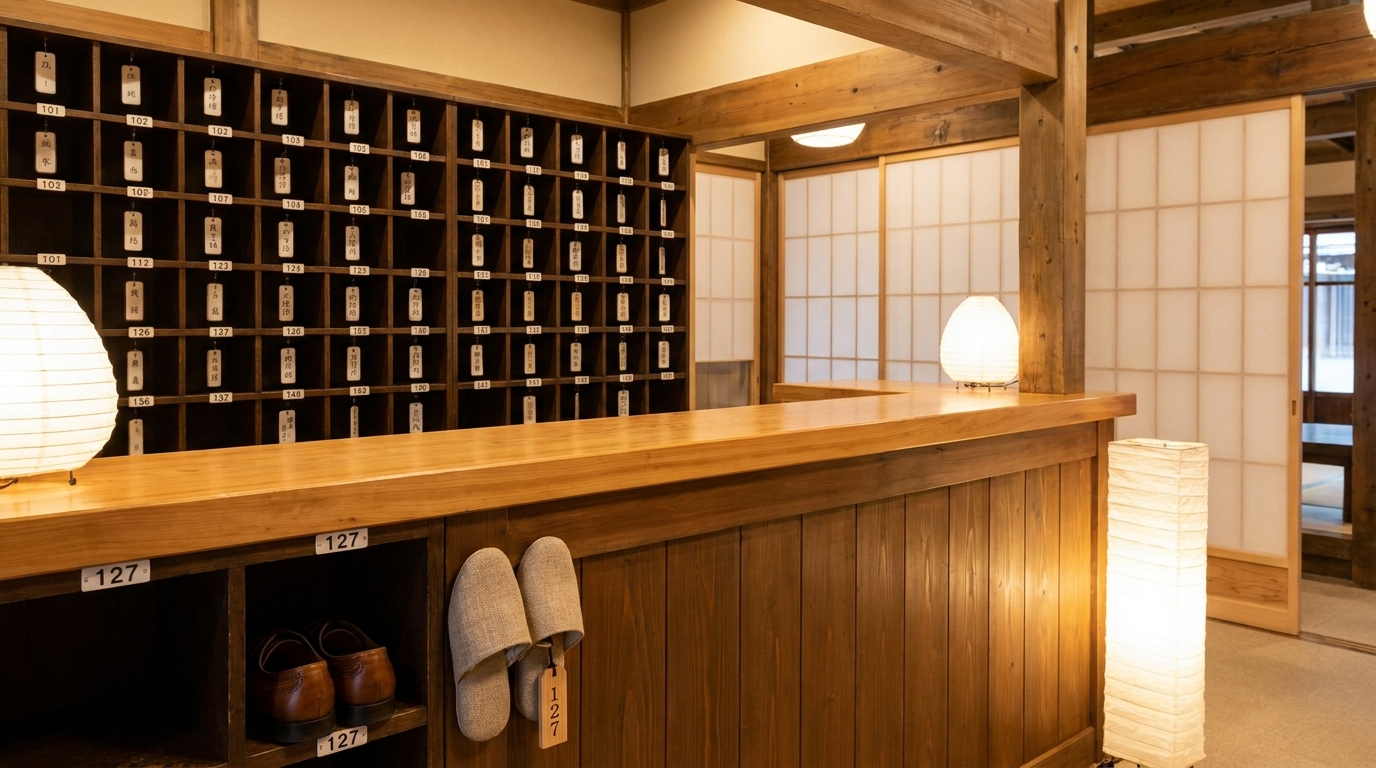
Evening — checking into a ryokan. The front desk staff will take your shoes and give you a numbered slipper pair. Wear them in hallways, take them off at your room’s tatami floor.
Late night — a midnight visit to the toilet. Switch into the toilet slippers. Switch back out when you leave. Then back to your futon.
Frequently Asked Questions
Do I really have to take off my shoes at every Japanese home?
Yes. Shoes-off is the default in private Japanese homes — it is not just a regional or generational habit. Even at the homes of friends or relatives, even for brief visits where you step up onto the indoor floor, shoes come off in the genkan. (If you are only standing in the genkan itself to hand something over without stepping up, that is the one exception.) The same expectation applies to most Airbnb and minpaku rentals.
What happens if I forget and walk in with shoes?
Walking onto the indoor floor with shoes is treated as a real lapse — Japanese hosts are typically too polite to make a scene, but it leaves a strong impression. The host will quietly ask you to take them off and may wipe the floor; the bigger problem is on tatami or unsealed wood, where marks can be difficult to remove. If you realize mid-step, apologize sincerely, step back into the genkan immediately, and take them off. No one expects perfection from a foreign guest, but they do expect the effort to notice and correct.
Are guests expected to bring their own slippers?
No. Hosts typically provide slippers, or the property simply expects you to walk in socks. For longer stays at a ryokan or with a host family, some travelers bring a thin pair of indoor sandals if their feet are larger than average Japanese sizes. Otherwise, no preparation is needed.
Why are there separate slippers in the toilet?
To keep what is on the bathroom floor — water, soap residue, anything from the toilet itself — out of the rest of the home. The toilet is treated as a separate, slightly less-clean zone. Switching to dedicated slippers there and switching back out when you leave is the simple solution.
Can I wear my shoes in a Japanese restaurant?
In most modern Western-style restaurants, yes. Shoes stay on. The exception is restaurants with a zashiki (raised tatami seating area) — you remove your shoes at the step up onto the platform. If you are unsure, look for the same signals: a step up, a shoe cubby, or other diners’ shoes lined up by the entrance.
Is it OK to walk in just socks?
Yes. Walking in socks is normal and accepted everywhere shoes-off applies. Bare feet are also fine in casual settings, though clean socks are slightly more polite when you are a guest in someone’s home or a ryokan.
Related Reading
- Japanese Konbini Guide — Convenience stores: shoes stay on, but the food is worth a visit at any hour
- How to Check In to Your Japanese Accommodation — The first 30 minutes after arrival, including the genkan moment
- Noise Etiquette in Japanese Residential Areas — Another quiet rule that goes a long way
Last updated: April 2026. Customs and conventions are current as of this date and may vary by region or property. We verify key facts using official sources before publication.

Comments