- Quick Answer
- Which Shinkansen Should You Take?
- Tokyo to Kyoto: Time and Fare Without the Confusion
- How to Book the Right Official Service
- Reserved, Non-Reserved, or Green Car?
- Large Suitcase Rule: Measure Before You Book
- Does the Japan Rail Pass Make Sense?
- First-Time Boarding Steps
- Plan B When Something Goes Wrong
- FAQ
- Official Sources
Quick Answer
For a first Tokyo–Kyoto trip, most travelers should reserve an Ordinary Car seat on a Nozomi and book through the official SmartEX service. The fastest Nozomi journeys take about 130 minutes. Treat the one-way fare as roughly ¥14,000, then check the exact amount for your train, travel date, season, and ticket product on SmartEX.
Choose Hikari when you are using a standard Japan Rail Pass without the separate Nozomi/Mizuho ticket. Choose Kodama mainly for smaller stations that faster trains skip. If one suitcase measures more than 160 cm and up to 250 cm when you add length + width + height, reserve a seat with an oversized-baggage area on the Tokaido, Sanyo, or Kyushu Shinkansen.
30-second decision: Nozomi for speed · Hikari for a standard JR Pass · Kodama for smaller stops · reserved seat for groups, luggage, or busy dates.
Last checked: July 11, 2026.
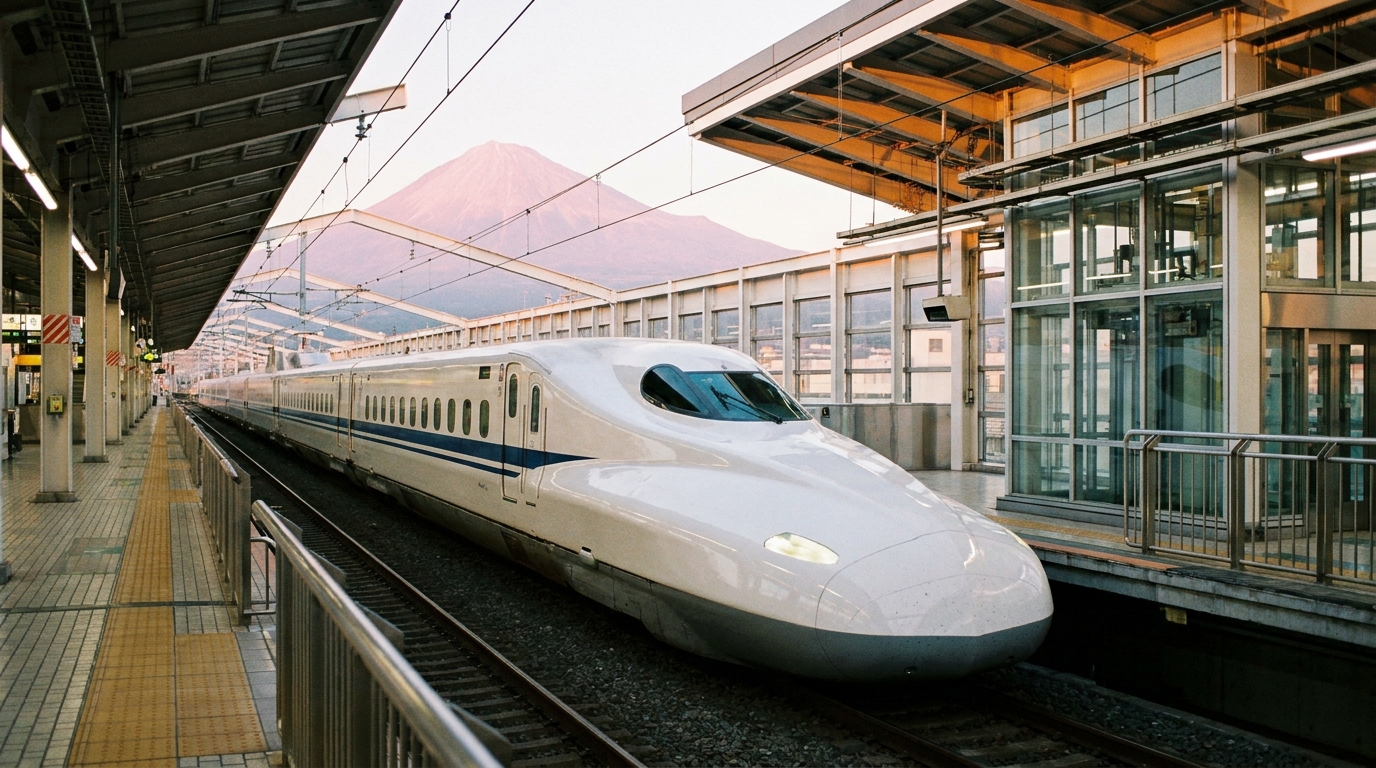
Which Shinkansen Should You Take?
| Choose | Best for | What to know |
|---|---|---|
| Nozomi | Fastest Tokyo–Kyoto–Osaka trip | Fewest stops. A standard JR Pass does not cover it unless you also buy the separate pass-holder Nozomi/Mizuho ticket. |
| Hikari | Standard JR Pass users | More stops and a longer journey than Nozomi, but covered by the pass. |
| Kodama | Smaller Tokaido stations | Stops at every station. Usually not the practical choice for the full Tokyo–Kyoto run. |
Simple rule: if you are buying a normal point-to-point ticket, take Nozomi. If you already have a standard JR Pass and do not want to buy the Nozomi supplement, take Hikari. Use Kodama when your destination is a station such as Atami, Mishima, or Shin-Fuji that your preferred faster train does not serve.
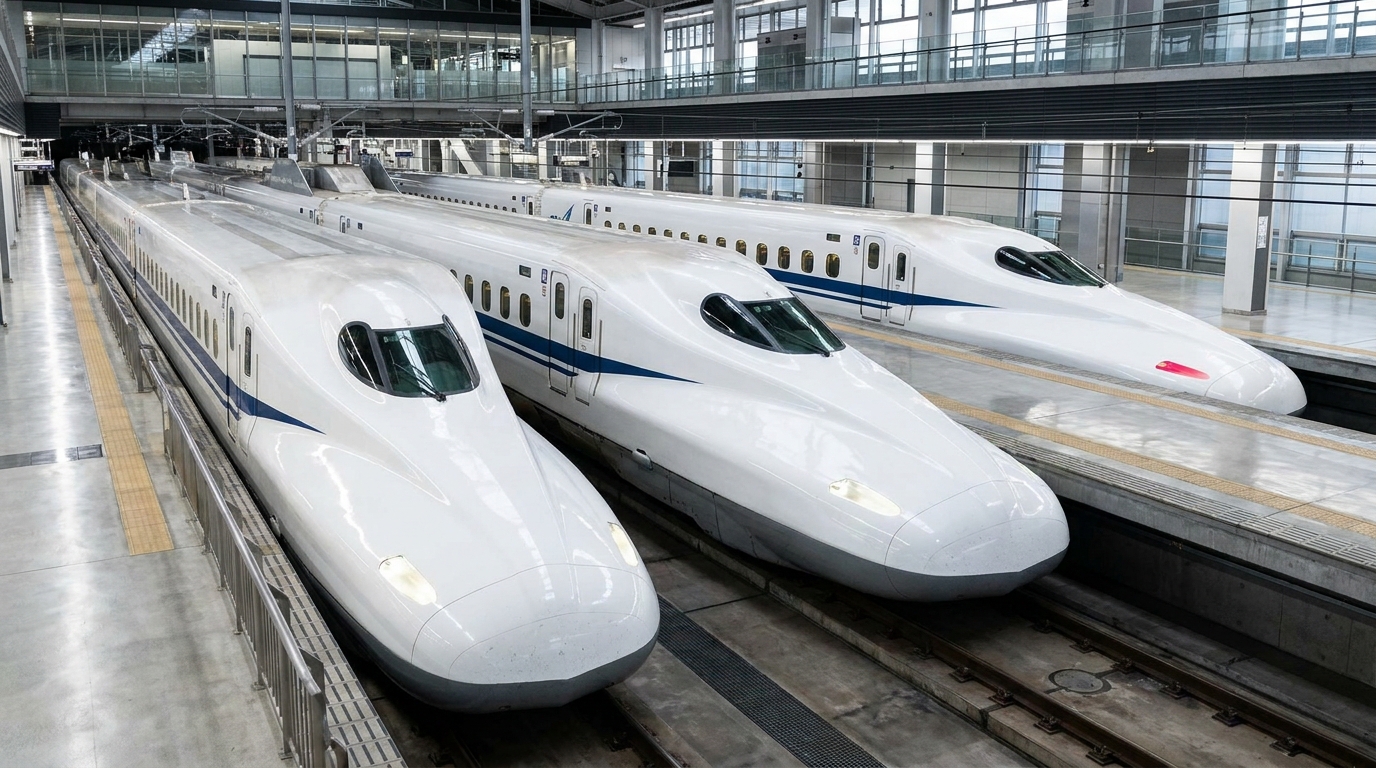
Tokyo to Kyoto: Time and Fare Without the Confusion
JR Central states that the fastest Tokaido Shinkansen journey from Tokyo to Kyoto is about 130 minutes. Actual times vary by the specific train and timetable.
For budgeting, allow roughly ¥14,000 one way for an adult Ordinary Car reserved seat. The exact total changes by Nozomi versus Hikari/Kodama, regular versus peak season, and whether you use a SmartEX advance-purchase product. Do not rely on one fixed fare copied from an old guide.
Check the official SmartEX fare and conditions before buying.
How to Book the Right Official Service
| Your route | Official booking service |
|---|---|
| Tokyo, Kyoto, Osaka, Hiroshima, Hakata | SmartEX for the Tokaido, Sanyo, and Kyushu Shinkansen |
| Sendai, Aomori, Niigata, Nagano, Kanazawa and other JR East routes | JR-EAST Train Reservation |
| Complex route, online payment failure, or same-day help | Reserved-seat ticket machine or a staffed JR ticket office at the station |
SmartEX combines the base fare and Shinkansen limited-express ticket. Depending on the product, you can board with a QR ticket or a linked IC card. Conventional-train travel before or after the Shinkansen station may require a separate fare.
If your foreign card fails during online booking, use the troubleshooting steps in Book Shinkansen Online from Overseas. Do not keep retrying the same card if your issuer is blocking 3-D Secure authentication.
Reserved, Non-Reserved, or Green Car?
| Seat | Choose it when | Main trade-off |
|---|---|---|
| Ordinary reserved | First trip, group, luggage, weekend, or fixed schedule | Costs more than non-reserved but removes the queue-and-seat uncertainty. |
| Ordinary non-reserved | Flexible solo trip outside peak periods | You may stand or wait for another train if cars are crowded. |
| Green Car | You want more space and a quieter cabin | Higher price; it does not make the train faster. |
During designated Golden Week, Obon, and year-end/New Year periods, JR Central operates Nozomi with reserved seating only. Check the official dates before travel rather than assuming every Nozomi has non-reserved cars.
Large Suitcase Rule: Measure Before You Book
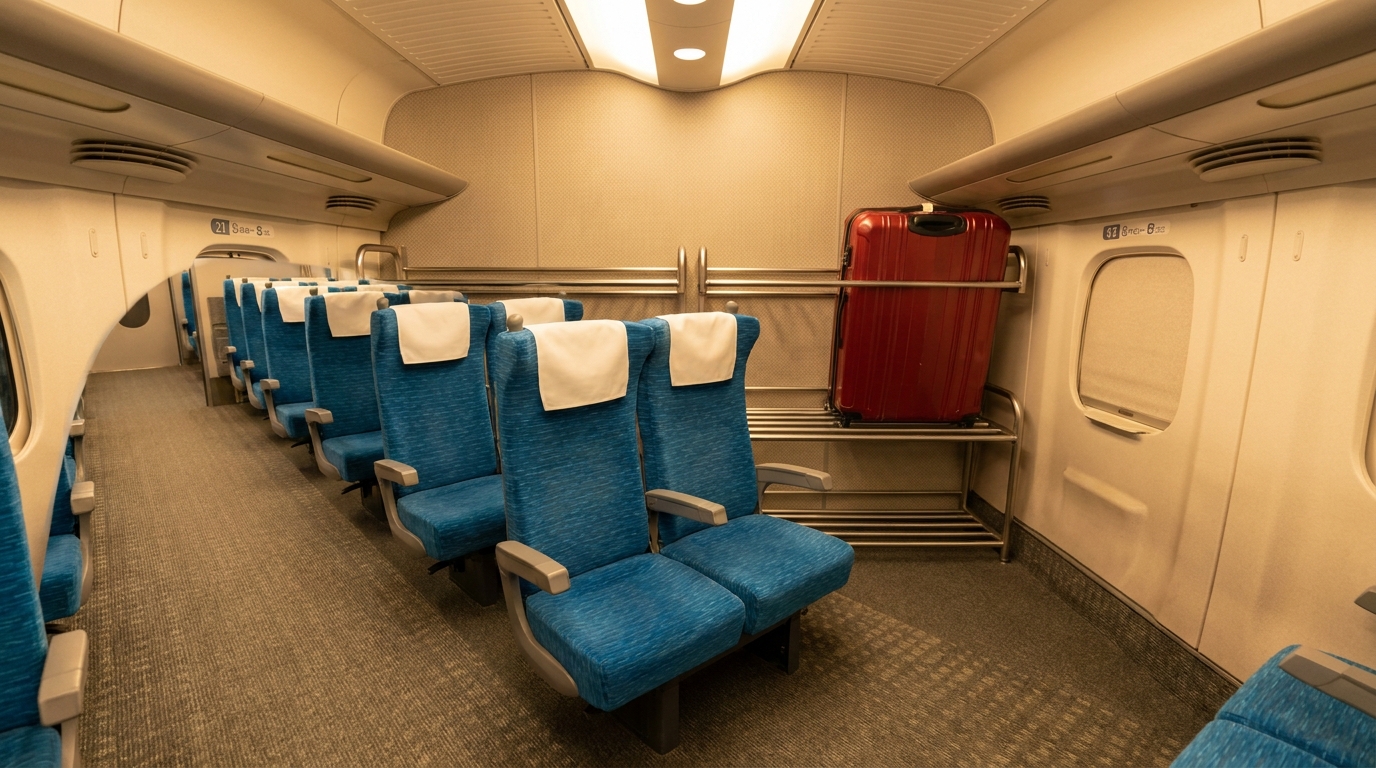
On the Tokaido, Sanyo, Kyushu, and Nishi-Kyushu Shinkansen, baggage with total dimensions of more than 160 cm and up to 250 cm requires a reserved seat with an oversized-baggage area or compartment.
- 160 cm or less: no oversized-baggage reservation is required. Use the rack, footwell, or another permitted storage area.
- More than 160 cm and up to 250 cm: reserve the correct seat in advance. There is no extra charge for the baggage space.
- Over 250 cm: the item cannot be brought aboard under the ordinary carry-on rule.
- No reservation for an oversized item: JR may charge ¥1,000 and direct you to a designated storage location.
Strollers, sports equipment, and musical instruments have separate treatment under JR Central’s rules. They are not automatically subject to the standard oversized-baggage rule, although reserving suitable storage may still be sensible.
Read JR Central’s official baggage rules.
Does the Japan Rail Pass Make Sense?
As checked on July 11, 2026, the official online price of a 7-day Ordinary Japan Rail Pass is ¥50,000. Overseas-agency pricing changes from October 1, 2026, so check the official price table if you are buying through an agency.
A single Tokyo–Kyoto round trip is generally not enough by itself to justify a nationwide 7-day pass. Compare every long-distance leg in your itinerary before buying.
- Hikari and Kodama are covered by a standard Japan Rail Pass.
- Nozomi and Mizuho require the separate pass-holder-only ticket in addition to the valid pass.
- Gran Class and some non-JR sections require additional charges.
Use the official Japan Rail Pass price table and our JR Pass break-even guide.
First-Time Boarding Steps
- Confirm the station, train name, departure time, car, and seat number.
- At a large station, allow about 30 minutes until you know the layout.
- Follow signs for the Shinkansen gates, not only the ordinary JR gates.
- Buy food and drinks before boarding; do not assume onboard sales.
- Line up at the platform marker for your car.
- Keep the ticket, QR code, or linked IC card ready until you leave the destination gate.
Plan B When Something Goes Wrong
- Online card rejected: try another card only after checking issuer authentication, or buy at the station.
- Reserved train missed: check the conditions of your ticket product. SmartEX treatment differs by seat type and timing.
- Preferred train sold out: search an earlier/later departure, try Hikari, or change the travel time.
- Oversized-baggage seat unavailable: choose another train or send the bag ahead instead of boarding without the required reservation.
- Major delay or suspension: follow JR station announcements and the operator’s official service-status page before changing routes.
FAQ
Which Shinkansen should I take from Tokyo to Kyoto?
Choose Nozomi if speed is the priority and you are buying a normal ticket. Choose Hikari if you are using a standard Japan Rail Pass without the separate Nozomi/Mizuho ticket. Kodama is mainly useful for smaller intermediate stations.
How much is the Shinkansen from Tokyo to Kyoto?
Budget roughly ¥14,000 one way for an adult Ordinary Car reserved seat, then check SmartEX for the exact train and date. Prices vary by service, season, and ticket product.
Can I use the Japan Rail Pass on Nozomi?
Not with the pass alone. You need a valid Japan Rail Pass plus the separate pass-holder-only Nozomi/Mizuho ticket for the relevant section and seat.
Do I need to reserve a Shinkansen seat?
Not for every train, but a reservation is the safer choice for first-time visitors, groups, luggage, weekends, and busy dates. Nozomi operates with reserved seating only during designated major peak periods.
Can I bring a large suitcase?
Yes. On the Tokaido, Sanyo, Kyushu, and Nishi-Kyushu Shinkansen, a bag over 160 cm and up to 250 cm in total dimensions requires a seat with an oversized-baggage area or compartment.
Can I buy a Shinkansen ticket at the station?
Yes. Use a reserved-seat ticket machine or staffed JR ticket office. For busy periods and groups, booking before the travel day reduces the risk of separated seats or sold-out trains.
Official Sources
- JR Central: Tokaido Shinkansen
- SmartEX: service, fares, changes, and refunds
- JR Central: oversized baggage
- JR Central: Nozomi reserved-seat peak periods
- Japan Rail Pass: scope of validity
- Japan Rail Pass: official prices


Comments