Key Takeaways
– From November 1, 2026, Japan switches from instant tax-free at the register to a refund-after-departure model.
– You pay the full 10% consumption tax at checkout, then receive the refund only after customs confirmation at the airport when leaving Japan.
– You must depart within 90 days of purchase, or the refund is forfeited.
– The ¥500,000 cap on consumables, the sealed-packaging rule, and the general/consumable category split are all abolished.
– ⚠️ One Receipt Rule: if even one item from a tax-free receipt is missing, consumed, or unverifiable at the airport check, the entire receipt loses its refund — partial refunds are not possible.
– Customs confirmation must be done before you check in your luggage, not after.
Tax rules can change. For the most current information, please verify with the National Tax Agency (NTA) and the Japan Tourism Agency (JTA) before traveling. The figures and procedures below reflect the official April 2025 announcement and are scheduled to take effect on November 1, 2026.

- What Changes in November 2026 (TL;DR)
- The Old System (Until October 2026): Tax-Free at the Register
- The New System (From November 1, 2026): Pay Full, Refund at Airport
- Side-by-Side Comparison
- Eligibility: Who Qualifies and What You Can Buy
- Step-by-Step: Getting Your Refund at the Airport
- Common Mistakes and How to Avoid Them
- Plan Extra Time at the Airport
- Where the Reform Comes From
- What Stays the Same
- FAQ
What Changes in November 2026 (TL;DR)
Japan’s tax-free shopping system for tourists is being rebuilt. The headline change is that you no longer get the tax discount at the register. Instead, you pay full price (with 10% consumption tax included), and you collect the refund at the airport before flying home — provided you actually leave the country with the goods within 90 days.
Three things change at once:
- When you pay — full price now, not tax-excluded price
- Where you get the refund — airport customs, not the store
- What’s eligible — broader rules with the ¥500,000 consumables cap and packaging requirement removed
The reform is scheduled to take effect on November 1, 2026, with no overlap period. Purchases made up to October 31, 2026 follow the current rules; from November 1, 2026 onward, the new refund method applies.
The Old System (Until October 2026): Tax-Free at the Register
Under the current system, tax-free shopping in Japan works like this: you show your passport at a participating tax-free counter, the staff processes the paperwork, and you walk out paying the tax-excluded price. The 10% consumption tax is simply waived at the point of sale.
Two product categories exist with different rules:
- General goods (clothing, electronics, watches): tax-free if you spend ¥5,000 or more (excluding consumption tax) at one shop on one day.
- Consumables (cosmetics, food, drink, medicine): tax-free between ¥5,000 and ¥500,000 (excluding consumption tax) per shop per day. These must be sealed in tamper-evident packaging that cannot be opened until you leave Japan.
All thresholds in the Japan tax-free system are stated as tax-excluded amounts. ¥5,000 tax-excluded is roughly ¥5,500 tax-included at the 10% standard rate.
You also need to confirm the goods are intended for personal use abroad, and customs may inspect on the way out. Most travelers sail through with no issues.
This system has worked since 2014, but the government has flagged ongoing fraud — items resold inside Japan rather than exported — as the trigger for reform.

The New System (From November 1, 2026): Pay Full, Refund at Airport
Starting November 1, 2026, Japan adopts what the National Tax Agency calls the Refund Method (リファンド方式 / refund hōshiki). Here is how a purchase will flow:
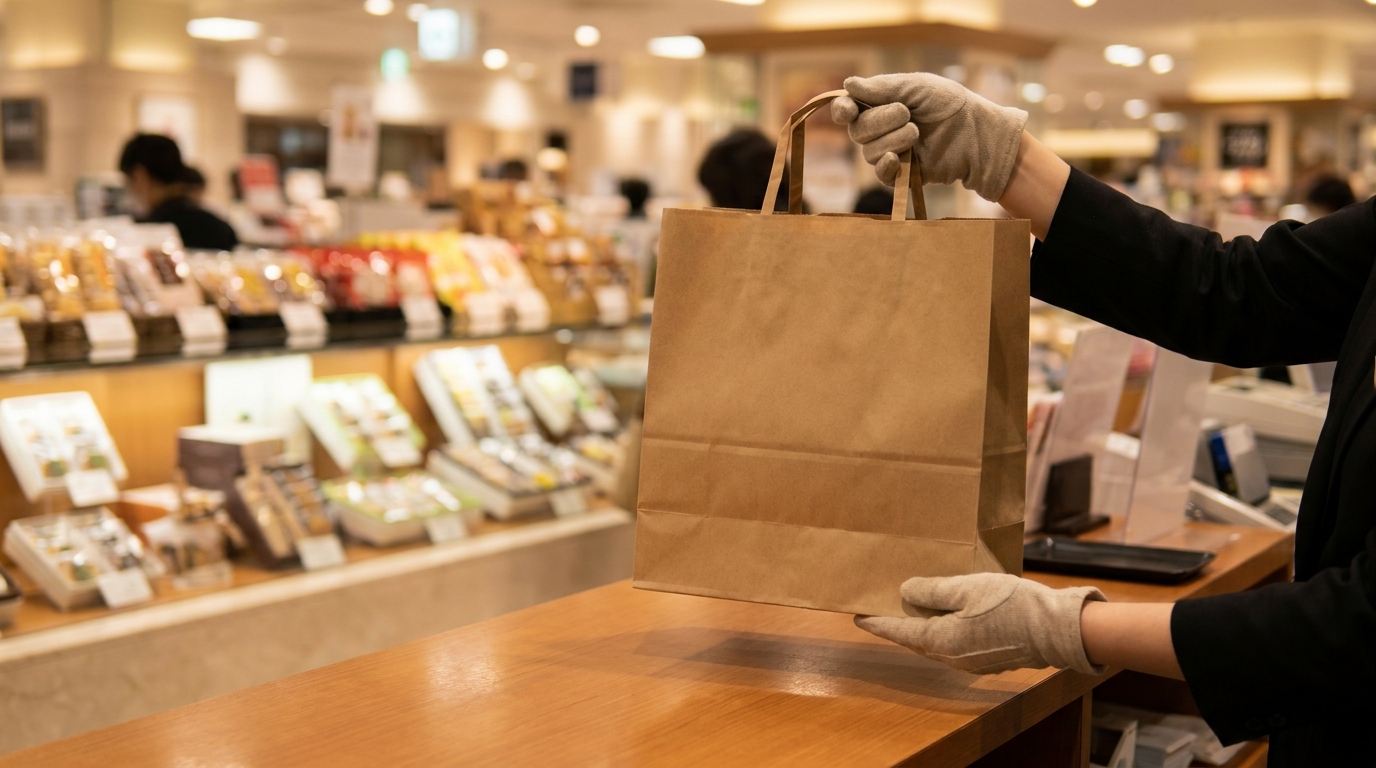
- At the store — Show your passport. The shop sells you the goods at the tax-included price (full price with 10% tax). The shop registers your purchase data into the National Tax Agency’s centralized tax-free sales management system.
- During your stay — Carry the goods with you. There is no longer a packaging requirement, but you must still have the goods when you depart.
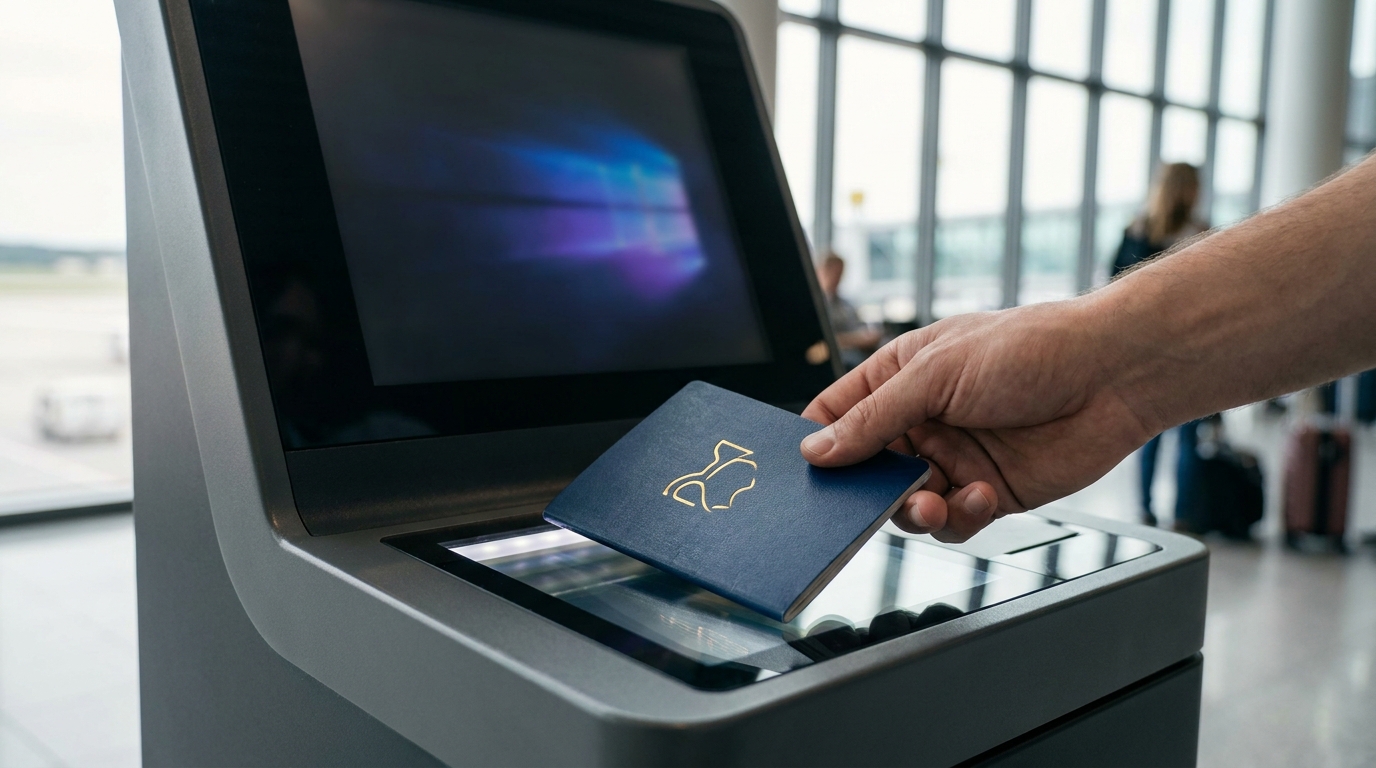
- At the airport on departure — Before you drop off your checked baggage, present your passport at the tax-free customs confirmation point. A self-service kiosk or a customs officer verifies that you are leaving Japan with the registered tax-free goods (within 90 days of purchase).
- After confirmation — The shop or its appointed refund operator credits the consumption tax amount back to you. The Consumption Tax Act does not lock in one specific refund channel, but in practice the most common options are credit card credit, e-wallet transfers (Alipay, WeChat Pay), and bank transfer. Cash-at-the-airport refunds exist in theory but are rare; do not plan around walking off the plane with paper yen in hand.
The refund is not automatic — it depends on customs verifying that the goods left Japan. If you skip the airport check, sell the goods inside Japan, or stay past 90 days, the tax-free status is lost and no refund is issued.

Side-by-Side Comparison
| Item | Old System (until Oct 31, 2026) | New System (from Nov 1, 2026) |
|---|---|---|
| When tax is excluded | At the register | After airport customs confirmation |
| What you pay at checkout | Tax-excluded price | Tax-included price (full price) |
| Minimum purchase | ¥5,000+ tax-excluded per shop per day | ¥5,000+ tax-excluded per shop per day (unchanged) |
| Maximum for consumables | ¥500,000/day tax-excluded | No cap |
| Category split | General vs. consumables | One category — no split |
| Sealed packaging required | Yes, for consumables | No |
| Airport customs check | Possible spot inspection | Mandatory for refund |
| Departure deadline | Same general rule | Within 90 days of purchase |
| Items still excluded | Gold/platinum bullion and coins, items already exempt from consumption tax | Same exclusions continue |
The most user-visible change is cash flow. Before, you paid less at the till. After, you pay full price upfront, and the refund arrives later. Travelers on tight daily budgets should plan for this.

Eligibility: Who Qualifies and What You Can Buy
The traveler eligibility rules carry over largely unchanged. To qualify for the new refund system:
- You must be a non-resident foreign tourist (typically a temporary visitor on a short-term stay status).
- You must purchase from a licensed tax-free shop (look for the tax-free signage; major department stores, electronics chains like Bic Camera and Yodobashi, drugstore chains, and many specialty shops participate).
- You must spend ¥5,000 or more (tax-excluded) at one shop on one day. At the 10% consumption tax rate, that is roughly ¥5,500 tax-included.
- You must carry the goods out of Japan within 90 days of purchase.
What is excluded from tax-free purchase even under the new system:
- Gold and platinum bullion
- Gold and platinum coins
- Goods that are not subject to consumption tax in the first place (some financial products, certain commemorative items)
For high-value items priced at ¥1,000,000 or more (tax-excluded) per unit, shops must record additional product details (brand name, model number, shape, color, serial number for items like watches). For these items, customs may also ask to see the certificate of authenticity or warranty alongside the product itself, so keep documentation with you.

Step-by-Step: Getting Your Refund at the Airport
Final operational details vary by airport and refund operator. The general flow set out by the National Tax Agency is as follows:
- Allow extra time at the airport. Customs confirmation is now a mandatory step, not optional. Plan to arrive earlier than you normally would for an international departure from Japan.
- Do customs confirmation BEFORE you check in your luggage. This is the most important rule of the new system. The kiosk and customs check are located in the landside (pre-security) departure area. If you check tax-free items into your suitcase first and then go through with the kiosk, you cannot show the goods if a customs inspection is triggered, and the refund for that purchase record will be voided.
- Use Visit Japan Web (VJW) where available. At major international airports — Narita, Haneda, Kansai, Chubu, Fukuoka, New Chitose, and Naha — you can connect to the airport’s dedicated tax-free Wi-Fi and complete the customs declaration on your phone via Visit Japan Web, instead of queueing at the physical kiosk. Pre-registering your refund payment method (card or e-wallet) on a tax-refund operator’s app before you arrive at the airport speeds this up further.
- Have your passport and the tax-free goods ready. The kiosk reads your passport and pulls your purchase records from the centralized tax-free sales management system. The system returns either a green light (cleared, proceed) or a red light (proceed to a customs officer for physical inspection of the goods).
- Refund processing. Once customs confirmation is registered, the refund is initiated by the shop’s appointed refund operator (vendors active in this space include Global Blue, Pie Systems / PIE VAT, SmartDetax, J&J Tax Free, and others). E-wallet refunds (Alipay, WeChat Pay) typically arrive within hours to a few days; credit card refunds often take several days to a few weeks depending on your card issuer. Refund amounts are converted at the operator’s or card issuer’s exchange rate on the processing date, and operator fees may be deducted.
- Keep your receipts and confirmation slips until the refund actually lands in your account. Refund timing can vary, so do not assume the money is back the moment you leave the counter.
If the customs system cannot confirm any of your tax-free goods (for example, if some items are missing from your luggage), confirmation will not be issued for that entire purchase record — meaning the refund for that record is forfeited. Carry the goods you bought tax-free.

Common Mistakes and How to Avoid Them
These are the most likely failure modes under the new refund system. The first one is the single biggest trap.
⚠️ The One Receipt Rule
Customs confirmation is processed per receipt (per purchase record), not per item. If a single tax-free receipt contains, say, five items, and even one of them is missing at the airport check — you ate the snacks, gifted a cosmetic to a friend, left a t-shirt at the hotel, or simply cannot find it in your bag — the refund for the entire receipt is voided. The system does not allow partial refunds for the items you do still have.
In practice, this means: if you bought a high-value item and a few small consumables on the same tax-free receipt, do not consume any of those consumables in Japan, or you risk losing the refund on the high-value item too. If you want to use consumables during your trip, buy them on a separate, non-tax-free transaction.
Other failure modes
- Missing the 90-day window. If you bought goods on a long trip and depart on day 95, you lose the refund. The 90 days run from the date of purchase to the date you complete customs confirmation at departure.
- Checking tax-free items into your luggage before customs confirmation. The kiosk and customs check are landside (before security and luggage check-in). Check in your suitcase first and you cannot show the goods if a red-light inspection is triggered.
- Selling, gifting, or consuming the goods inside Japan. This breaks the export requirement and triggers the One Receipt Rule above.
- Skipping the customs confirmation step entirely. No confirmation means no refund — even if you bought from a licensed tax-free shop. The refund mechanism only triggers after the customs system records your departure with the goods.
- Losing your receipt or purchase confirmation slip. Even though the data is registered electronically, the paper backup helps if there is any mismatch at the counter.
- Assuming the refund is instant. E-wallets are typically fast (hours to days); credit card refunds can take days to a few weeks. Build this into your expectations rather than expecting cash in hand on the way to the gate.

Plan Extra Time at the Airport
The biggest practical impact of the new system on a normal tourist is time at departure. Under the old system, the tax-free transaction was already complete at the store, and the airport check was at most a spot inspection. Under the new system, the airport step is part of the purchase itself — without it, the sale reverts to a normal taxable sale.
For a one-bag traveler with a few tax-free purchases, the extra time may be modest. For shoppers with multiple receipts from multiple stores, expect a longer queue, especially during peak periods (cherry blossom season, Golden Week, summer holidays, year-end).
A reasonable rule of thumb: add at least an extra 30 to 60 minutes to your usual airport arrival buffer if you have meaningful tax-free purchases to confirm. If your flight is during a busy travel period, lean toward the higher end.
If you are flying from Narita or Haneda, account for this extra time when planning your transfer from your accommodation. Our Tokyo Airport Transfer guide covers train and limousine bus options and timing.

Where the Reform Comes From
The reform was confirmed in the FY2025 Tax Reform package, with the National Tax Agency publishing the official English-language summary in April 2025. The Japan Tourism Agency has been consulting with industry on implementation details since 2024.
The stated policy goals are:
- Eliminating tax-free fraud — items resold inside Japan after fake export records
- Streamlining the refund process — moving to a centralized database and customs-verified system
- Improving the experience — removing the consumables cap and packaging rules that had become friction points for tourists
For the official source documents, see the National Tax Agency PDF (April 2025) and the Japan Tourism Agency consultation paper.

What Stays the Same
Not everything is changing. These elements continue under the new system:
- ¥5,000 minimum purchase per shop per day — unchanged
- Passport requirement — still need to show your passport at the time of purchase
- Non-resident eligibility — same broad rule (temporary visitors)
- Excluded items — gold/platinum bullion and coins remain non-eligible
- Direct shipping option — under Article 7 of the Consumption Tax Act, eligible purchasers can still arrange direct shipment from the shop overseas at the time of purchase, with tax exemption applied (the airport refund step is not required in this case). This is useful if you want to avoid carrying bulky purchases home in your luggage.
One thing that has already changed: the old “separate shipments” workaround (where consumption tax was deducted at the register and you mailed the items home separately, presenting a copy of the shipping slip) was abolished as of April 1, 2025. If you remember reading about this on older blog posts, that route is gone.
For drugstore purchases — a popular tax-free category — see our Japan Pharmacy & Drugstore Guide for what foreign tourists typically buy and which chains participate in tax-free sales.

FAQ
Q1: When exactly does the new system start?
A: November 1, 2026. There is no overlap period — purchases on October 31 follow the old rules; purchases on November 1 follow the new rules.
Q2: Do I need to do anything different at the store?
A: You still show your passport. The main difference is that you pay the tax-included (full) price at checkout instead of the tax-excluded price.
Q3: Will I get the refund as cash, or some other way?
A: In practice, refunds are usually credited to a credit card or e-wallet (Alipay, WeChat Pay) rather than handed over as cash. The National Tax Agency does not mandate one method, but cash-at-the-airport refunds are operationally rare. E-wallet refunds typically arrive within hours to a few days; credit card refunds can take several days to a few weeks.
Q4: How long do I have to leave Japan after a tax-free purchase?
A: Within 90 days of the date of purchase. If you exceed 90 days, the tax-free status is lost and no refund is issued.
Q5: Do I still need to keep consumables in sealed packaging?
A: No. The sealed-packaging rule for consumables is being abolished as part of the reform. Tax-free goods will not need to be packaged in tamper-evident bags after November 1, 2026.
Q6: Is there still a ¥500,000 cap on consumables?
A: No. The ¥500,000 daily limit on consumables is being removed. Above the ¥5,000 minimum, there is no upper cap.
Q7: What happens if I cannot show the goods at the airport check?
A: This triggers the One Receipt Rule: if even one item from a tax-free receipt is missing, the refund for the entire receipt is voided. The system does not refund partial amounts. Always carry every tax-free item to the customs check, in your carry-on (not your checked luggage), and never consume any item before customs confirmation.
Q8: Is the ¥5,000 minimum tax-included or tax-excluded?
A: Tax-excluded. ¥5,000 is the threshold before consumption tax is added — so you need to spend at least about ¥5,500 tax-included at one shop on one day to qualify. All thresholds in the tax-free system (the ¥5,000 minimum, the now-abolished ¥500,000 cap, the ¥1,000,000 high-value threshold) are stated as tax-excluded amounts.
Last updated: May 2026. This article describes the new Japan tax-free shopping refund system as scheduled to take effect on November 1, 2026, based on the official National Tax Agency announcement of April 2025. For the most current rules and implementation details, please consult the National Tax Agency and the Japan Tourism Agency before traveling.


Comments