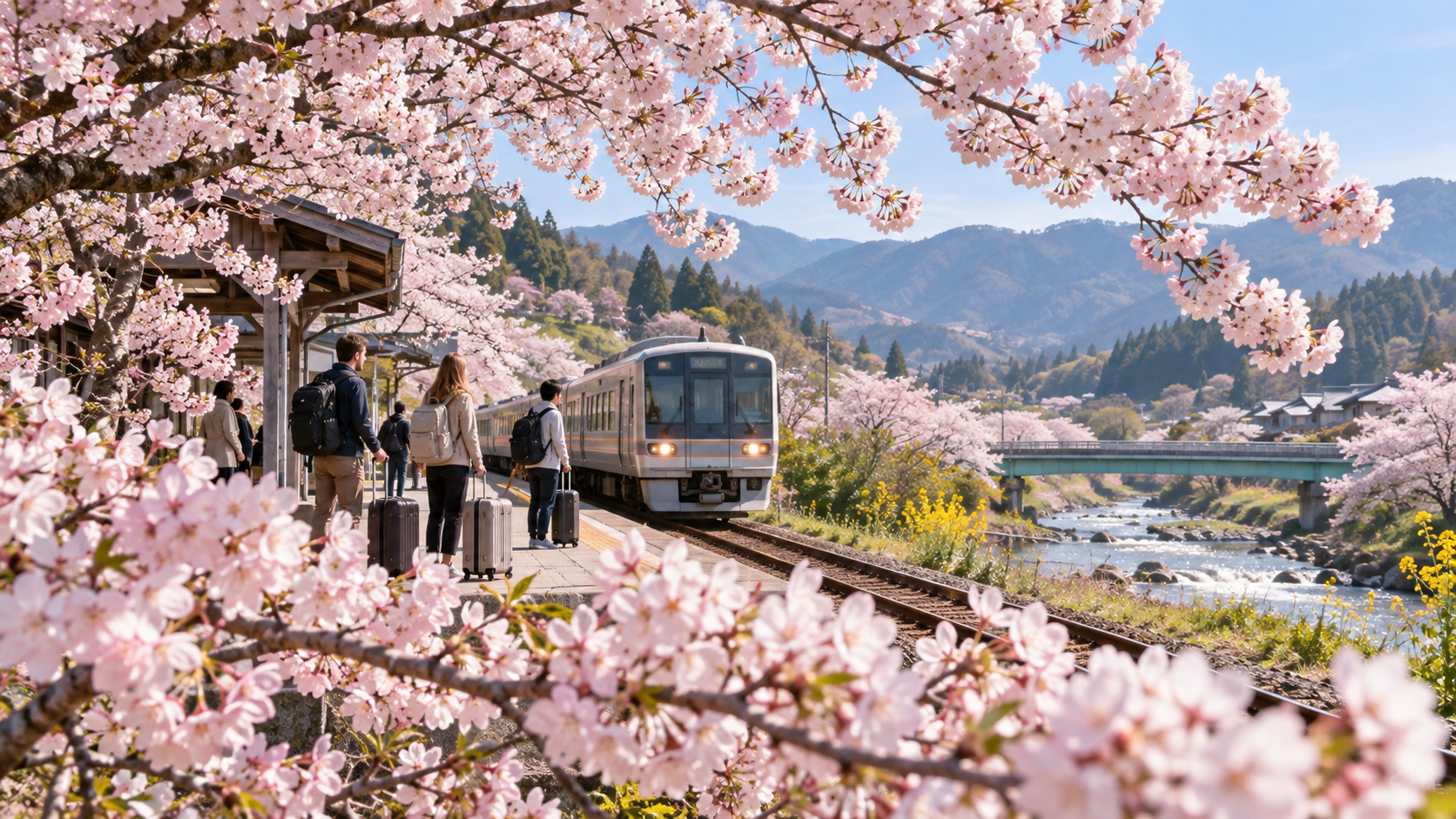
- Quick Answer
- What Is Known—and What Is Not
- When Should You Book?
- Choose a Region, Not One Perfect Tree
- First Bloom Is Not Full Bloom
- Use the Forecast in Stages
- Crowd and Transport Strategy
- Weather Can Change the Experience
- A Practical Plan B
- 2027 Booking Checklist
- Final Take
- FAQ
- Is there an official Japan cherry blossom forecast for 2027 yet?
- When is cherry blossom season in Japan?
- Is late March always best for Tokyo, Kyoto and Osaka?
- What is the difference between first bloom and full bloom?
- Should I wait for the forecast before booking flights?
- How many cities should I book for a sakura trip?
- What should I do if blossoms arrive early?
- What if rain or wind is forecast?
- Are JMA observation dates a forecast?
- Official Sources
Quick Answer
As of September 20, 2026, the cited JNTO forecast page shows 2026 information, not a verified 2027 city-by-city forecast. Do not book a non-refundable trip around a date copied from last year.
Book the parts that do not require an exact bloom day: international travel, refundable accommodation and a simple regional route. Treat late March to early April as a broad planning window for many major cities, not a promise. Keep a later-blooming fallback—such as a cooler, higher or more northerly area—and use official live updates to choose the exact viewing day closer to travel.
The safest goal is not “guaranteed full bloom in one park.” It is “a spring trip that still works if the blossoms arrive early, late or briefly.”
What Is Known—and What Is Not
Japan’s cherry blossom season is long across the country but short at any one location. JNTO describes a broad national progression from warmer southern areas through central Japan and onward to Tohoku, mountain areas and Hokkaido. Its official guides also warn that timing varies by location and year.
The Japan Meteorological Agency publishes standardized observations of flowering and full bloom from designated specimen trees. Those records are valuable evidence of what occurred. They are not a promise that every tree in the same city will match the observation point, and they do not guarantee conditions for a future hotel stay.
For 2027 planning, separate three kinds of information:
| Information | What it can tell you | What it cannot guarantee |
|---|---|---|
| Historical observation | Typical regional order and past variation | Your exact 2027 viewing day |
| Seasonal forecast | A current estimate that can be revised | Weather or full bloom at every park |
| Live observation | What has started or peaked now | Availability of hotels, trains or tickets |
Any page that lists a precise 2027 date before a dated forecast exists should be treated cautiously. Check the source, publication date, update date and whether the number means first bloom or full bloom.
When Should You Book?

You do not need to wait for a bloom forecast before making every decision. You do need to avoid turning an uncertain natural event into a chain of irreversible bookings.
Book early when the trip itself matters
Consider securing these first:
- international flights with acceptable change conditions;
- refundable or changeable accommodation;
- a base city with several spring-day options;
- any essential mobility or accessibility arrangement;
- a first and last night that do not depend on a perfect bloom date.
Before paying, record the cancellation deadline in Japan Standard Time, the total price, room occupancy rules and the late-arrival procedure. A cheap non-refundable rate can become expensive if a shifted bloom forecast makes you rebuild the route.
Wait on date-sensitive extras
Keep these flexible until the forecast and local notices are more useful:
- a long detour whose only purpose is one famous tree;
- a tightly timed photo tour;
- several prepaid attractions on consecutive days;
- a hotel change that depends on one predicted peak;
- a distant restaurant reservation that makes rerouting difficult.
If a must-do attraction has limited tickets, protect the trip in another way: book one important timed item, not four. Leave at least one open morning or afternoon in each base city.
Choose a Region, Not One Perfect Tree
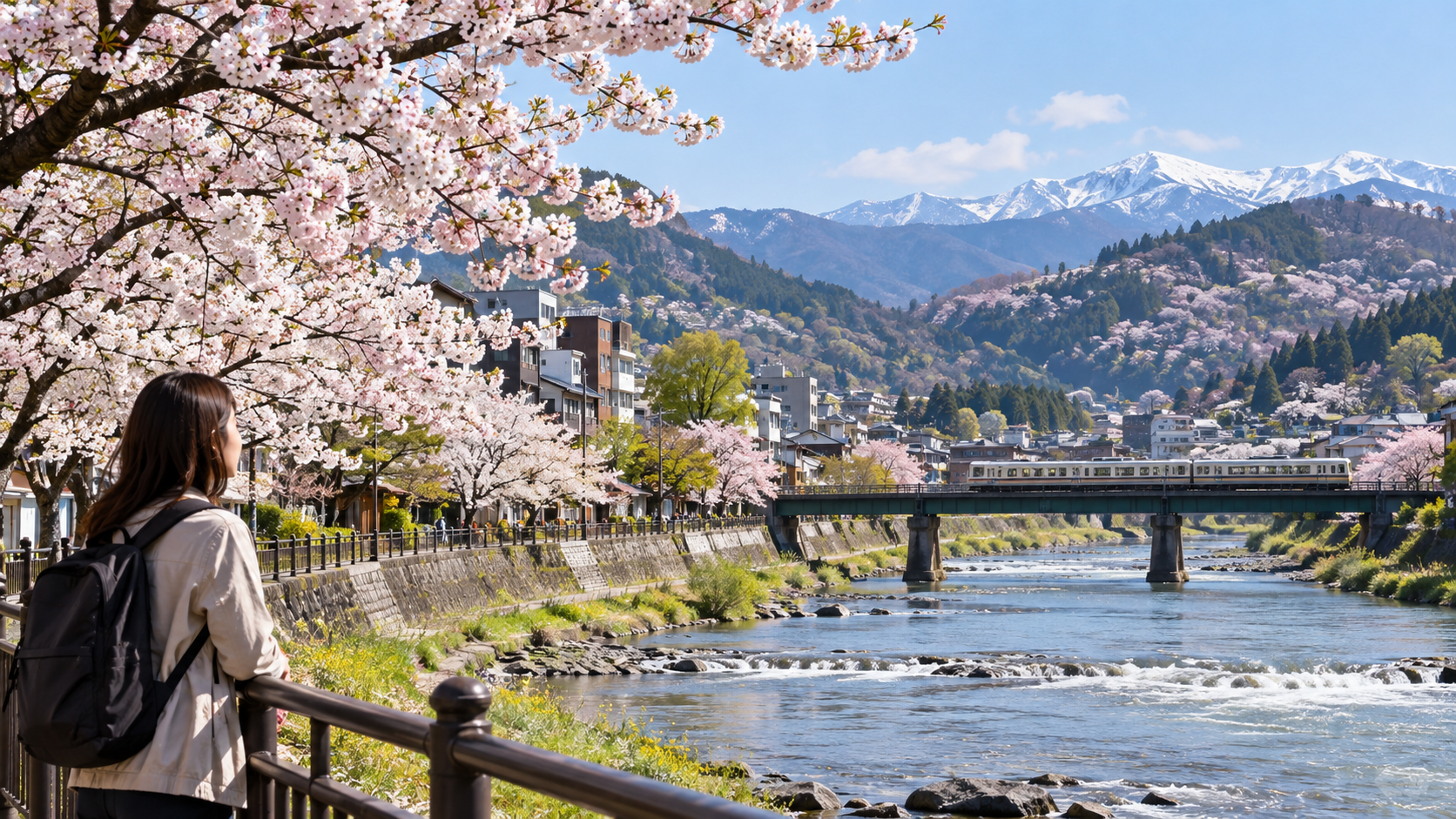
A resilient route uses three layers:
- Primary base: the city you would enjoy even without peak bloom.
- Same-region alternatives: parks, rivers, gardens or neighborhoods reachable without changing hotels.
- Later-blooming fallback: a cooler, higher or more northerly area that can be considered after live conditions are known.
For a Tokyo-based trip, the primary value might be Tokyo itself, with nearby day options and a cooler-area fallback. For Kansai, use Osaka or Kyoto as a stable base and keep several local choices rather than changing hotels nightly. For a later spring trip, northern regions may be more logical than chasing fading blossoms in central Japan.
This is routing logic, not a fixed 2027 recommendation. Train times, seasonal services and park conditions must be checked live. Use RJG’s travel-times guide from Tokyo to reject day trips that look close on a map but consume most of the day.
First Bloom Is Not Full Bloom
Travel pages often mix several different milestones:
- flowering or first bloom: the observation threshold has been reached;
- full bloom: a later observation stage;
- best viewing: an informal phrase that may vary by publisher and location;
- petal fall: conditions can still be beautiful, but the scene is different;
- variety-specific bloom: early- and late-blooming varieties do not follow one citywide date.
When comparing dates, confirm that the labels match. A first-bloom date from one source cannot be compared directly with a full-bloom date from another. A city observation also cannot prove the state of every park, mountain or riverside tree.
This distinction protects you from the most common planning error: treating one number as the entire season.
Use the Forecast in Stages
Months before travel
Build a trip that works across a range of dates. Choose refundable rooms, limit hotel changes and make the cities—not the flowers—the backbone of the itinerary.
When the first 2027 forecast appears
Check who published it, the date of issue, whether it lists first bloom or full bloom, and how often it will be updated. Do not rebuild the entire trip after one early forecast.
Two to four weeks before travel
Compare newer forecasts with your bases and transport. This is the point to choose between same-region options or a realistic fallback. Check the cost and travel time before adding a detour.
During the trip
Use current official or destination updates, weather and your energy level. Move a flexible day if the evidence supports it. Keep a good non-sakura day ready for rain, wind or a sudden change in bloom condition.
Crowd and Transport Strategy
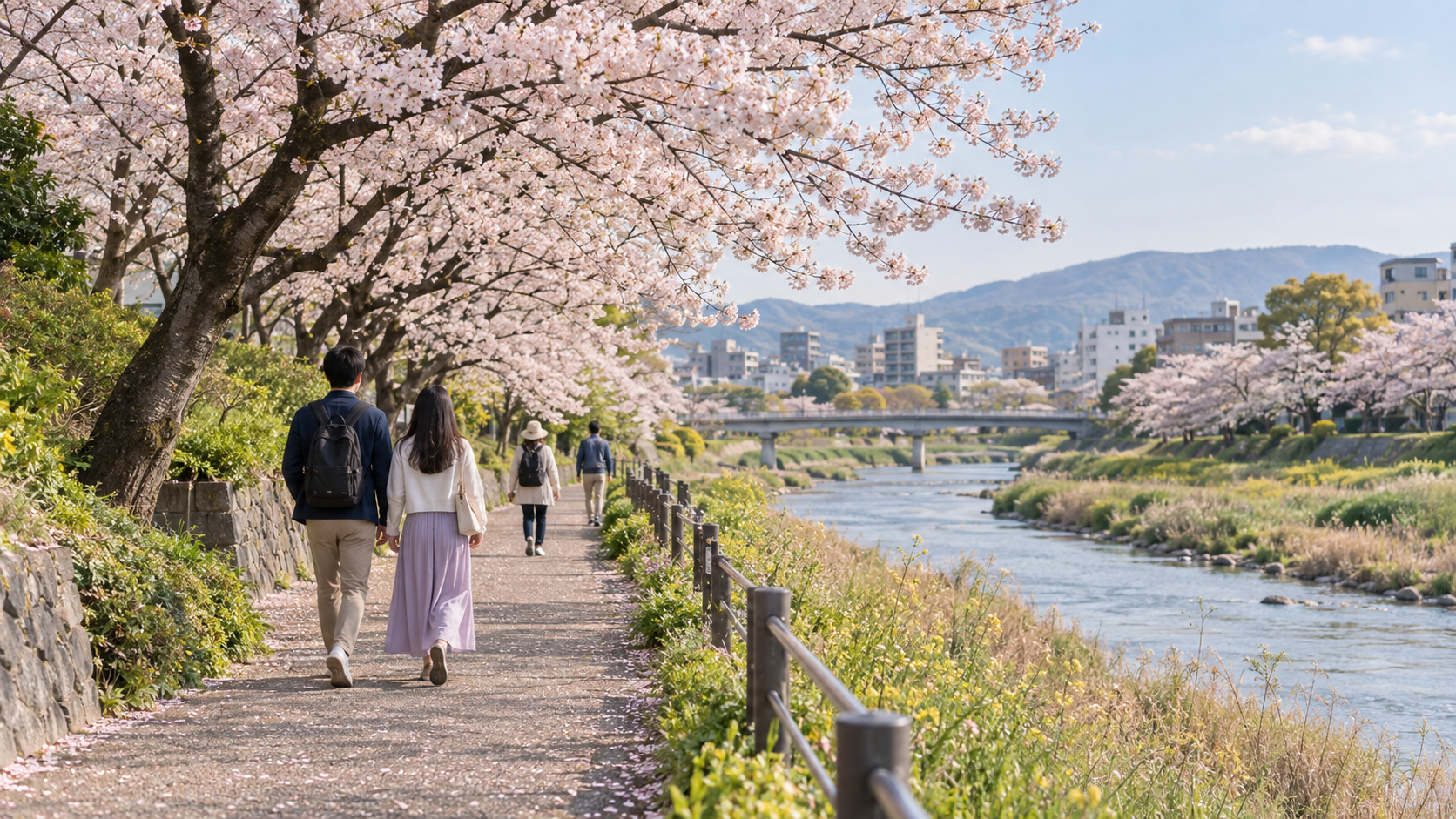
The most famous viewpoint is not automatically the best use of your day. A crowded site can add queues, restricted walking space and difficult return transport. If the purpose is to enjoy spring rather than reproduce one photograph, compare:
- opening time and last entry;
- reservation requirements;
- walking distance from the station;
- toilets, seating and food rules;
- evening lighting hours;
- one nearby alternative;
- the last practical return train.
Arriving early can help, but it does not guarantee an empty park. Weekdays may reduce some domestic leisure demand, but school breaks, events, overseas visitors and weather can still concentrate crowds.
Late April also approaches Golden Week, one of Japan’s busiest travel periods. If your later-blooming fallback overlaps the holiday block, read RJG’s Golden Week 2027 planning guide before adding long-distance moves.
Weather Can Change the Experience
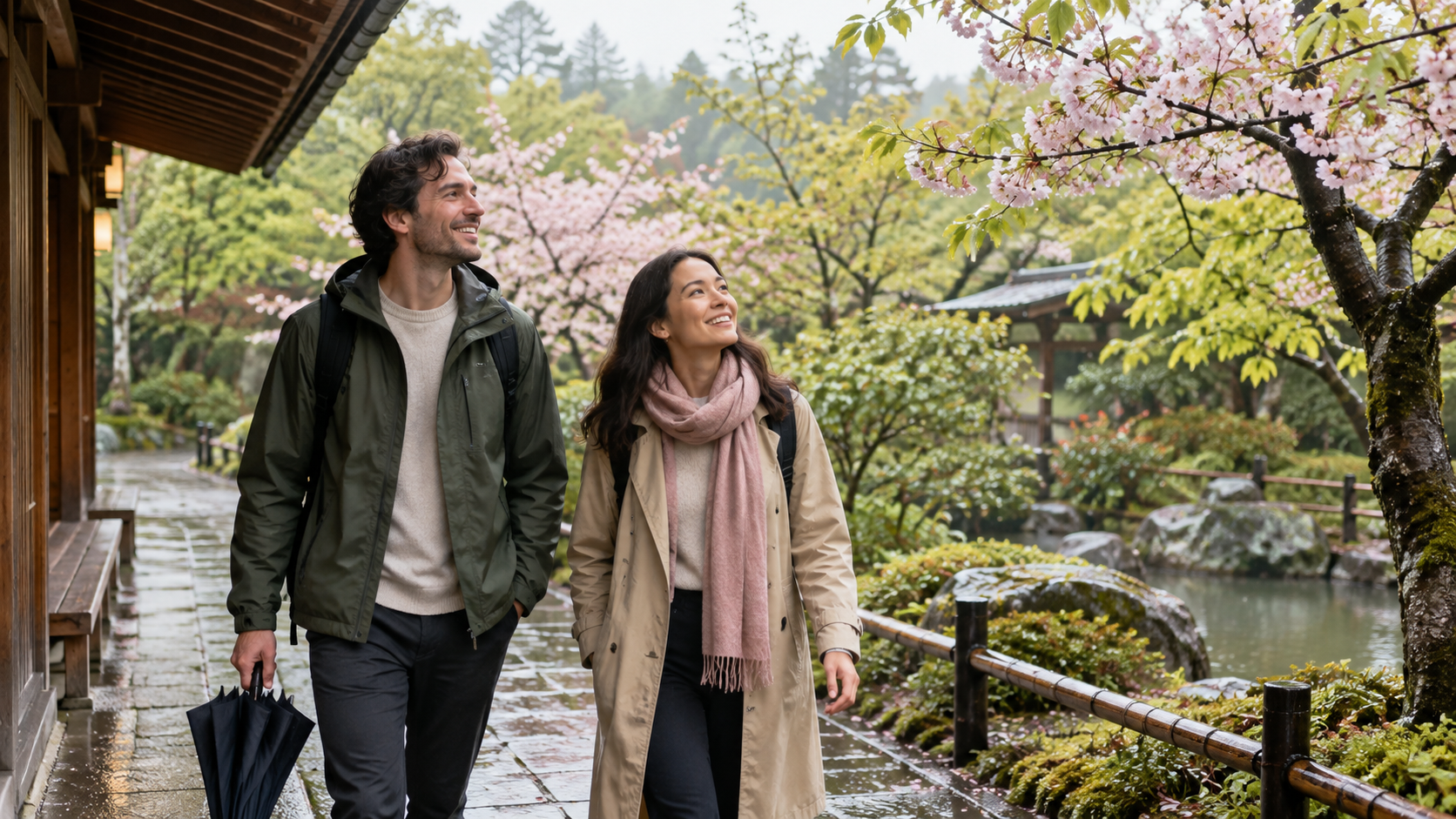
Spring can bring warm afternoons, cold mornings, rain and wind. Pack layers and protect your schedule as well as your clothing.
A wet or windy day does not always ruin the trip, but it can shorten how long blossoms remain at their best. Keep one indoor or all-weather alternative near each base. Avoid putting every major outdoor activity on consecutive days.
Pack layers for changing spring conditions, and check the local forecast shortly before departure.
A Practical Plan B
Use a fallback that preserves the trip instead of creating a second fragile itinerary:
If peak bloom moves away from our first-choice city, we will keep the booked base, choose the best live local option, and consider one cooler or more northerly day trip only if transport remains simple.
Your backup can be:
- a garden with multiple flower types;
- a scenic neighborhood walk;
- a museum plus a nearby riverside route;
- an early- or late-blooming cherry variety;
- a day trip selected after live condition and transport checks;
- a non-sakura spring experience you already wanted.
Do not measure the trip as success or failure against one full-bloom photograph. Plum blossoms, late varieties, fresh spring leaves and falling petals can all make a strong day—without pretending they are the same condition.
2027 Booking Checklist
Before paying
- Confirm that the page really refers to 2027.
- Separate first bloom from full bloom.
- Choose a base city you would enjoy without peak bloom.
- Prefer refundable or changeable essentials.
- Record cancellation deadlines in Japan time.
When forecasts begin
- Check the publisher and issue date.
- Compare updates rather than trusting one release.
- Test travel time and cost before adding a fallback region.
- Keep at least one flexible half-day.
One week before travel
- Check live blossom and weather information.
- Confirm park rules, entry times and closures.
- Download hotel and transport confirmations.
- Remove any detour that is no longer worth its travel time.
Final Take
Japan cherry blossoms in 2027 should be planned as a moving natural season, not a fixed appointment. The current official material supports a broad regional progression and shows why historical observations are useful, but it does not justify a precise nationwide 2027 promise today.
Book a good spring trip first. Use refundable essentials, a stable base and one realistic later-blooming fallback. Then let current evidence choose the viewing day. That approach protects both your budget and the reason you wanted to visit Japan in the first place.
FAQ
Is there an official Japan cherry blossom forecast for 2027 yet?
Not on the cited JNTO forecast page as checked on September 20, 2026; it displays 2026 information. Recheck the issue year and update date before using any exact 2027 number.
When is cherry blossom season in Japan?
Across Japan, the season broadly runs from warmer areas in March through central regions and onward into northern or mountain areas in April and early May. Exact timing changes by place and year.
Is late March always best for Tokyo, Kyoto and Osaka?
No. Late March to early April is a useful broad planning range for many major cities, but it is not a guarantee. Use a current forecast and live local information.
What is the difference between first bloom and full bloom?
First bloom records an initial observation threshold. Full bloom is a later stage. They are different dates and should not be compared as though they mean the same condition.
Should I wait for the forecast before booking flights?
Not necessarily. If the spring trip matters regardless of exact bloom, book changeable essentials and avoid locking every day to one park. Wait on unnecessary date-sensitive extras.
How many cities should I book for a sakura trip?
Fewer bases usually create more flexibility. One or two well-connected bases with local alternatives can be safer than changing hotels repeatedly to chase a forecast.
What should I do if blossoms arrive early?
Check current local conditions, later varieties, cooler or more northerly areas and non-sakura spring options. Do not rebuild the whole route unless the benefit clearly exceeds the time and cost.
What if rain or wind is forecast?
Move a flexible outdoor day when possible and keep an indoor or all-weather alternative nearby. Recheck transport and park notices before making a long detour.
Are JMA observation dates a forecast?
No. JMA’s published phenological observations record flowering and full-bloom dates at designated specimen trees. They provide evidence and historical context, not a guarantee for a future trip.
Official Sources
- JNTO: Cherry Blossom Forecast
- Japan Meteorological Agency: Phenological Observation Information
- JNTO: Japan in March
- JNTO: Japan in April
- JNTO: Spring in Japan
Last checked: September 20, 2026 (JST). All six article images are AI-generated conceptual illustrations, not documentary evidence of a specific park, tree, forecast or crowd level. Bloom dates, weather, transport and opening conditions can change; verify current official information before purchase and travel.
Comments