Quick answer: From Tokyo, Nagano, Fukushima, Sendai, Nagoya and Niigata take roughly 1.5–2 hours by Shinkansen. Kyoto and Osaka take about 2–2.5 hours, while Aomori and Hiroshima take about 3–4 hours. For Sapporo, Shimane, Fukuoka, Naha and Ishigaki, flying is often more practical—but the flight time is not the total travel time.
Japan looks compact on a world map. It is not compact when you are carrying luggage, changing stations or traveling from a hotel to an airport.
A “90-minute flight” can use half a day after airport transfers, check-in, security, baggage claim and the trip into the destination city. A 2.5-hour Shinkansen ride can be faster overall because you leave from central Tokyo and arrive near the center of the next city.
This guide compares both the scheduled ride or flight time and a more useful hotel-to-hotel planning block. Use the second number when building your itinerary.
- The 30-second rule: when should you take the train or fly?
- Japan travel times from Tokyo at a glance
- Why a 1-hour flight can take 4 or 5 hours
- Hokkaido and Tohoku: Sapporo, Aomori, Sendai and Fukushima
- Chubu and the Sea of Japan: Nagano, Niigata, Nagoya and Kanazawa
- Kansai: Kyoto, Osaka and Nara
- Chugoku: Hiroshima and Shimane
- Kyushu and Okinawa: Fukuoka, Naha and Ishigaki
- How many destinations fit into one Japan trip?
- A practical booking checklist
- Frequently asked questions
- Is the Shinkansen faster than flying from Tokyo to Osaka?
- How long is Tokyo to Osaka by Shinkansen?
- How long does it take to get from Tokyo to Sapporo?
- How long is Tokyo to Aomori by Shinkansen?
- Can I visit Nagano, Sendai or Nagoya as a day trip from Tokyo?
- Does Nara have a Shinkansen station?
- Is it better to fly or take the train from Tokyo to Hiroshima?
- What is the fastest way from Tokyo to Shimane?
- How much time should I allow for a domestic flight in Japan?
- Can I visit Okinawa or Ishigaki from Tokyo for one night?
- Use Your Tokyo Station Buffer
- Official sources checked
The 30-second rule: when should you take the train or fly?
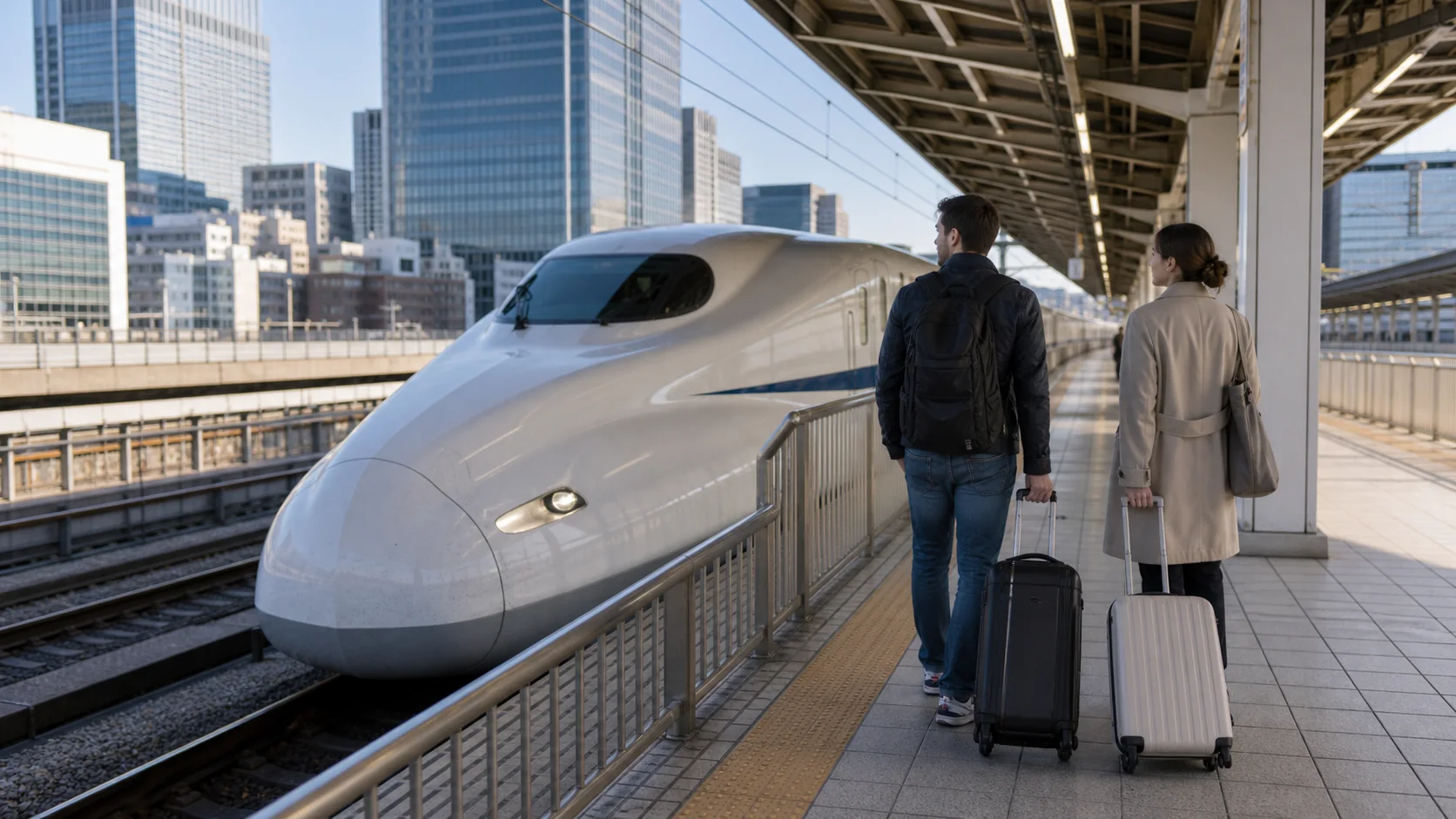
- Train ride under 3 hours: the Shinkansen can be the simplest city-center-to-city-center option.
- Train ride between 3 and 4 hours: compare your hotel locations, departure time, luggage and the airport transfer at both ends.
- Hokkaido, Kyushu and Okinawa: flying can save time from Tokyo.
- Nara: use Kyoto or Osaka as the gateway; Nara has no Shinkansen station.
- Shimane: fly to Izumo for Matsue or Izumo unless the overnight Sunrise Izumo train is part of the experience you want.
These are planning rules, not guarantees. Check the exact timetable for your travel date, especially during holidays, winter weather and typhoon season.
Japan travel times from Tokyo at a glance
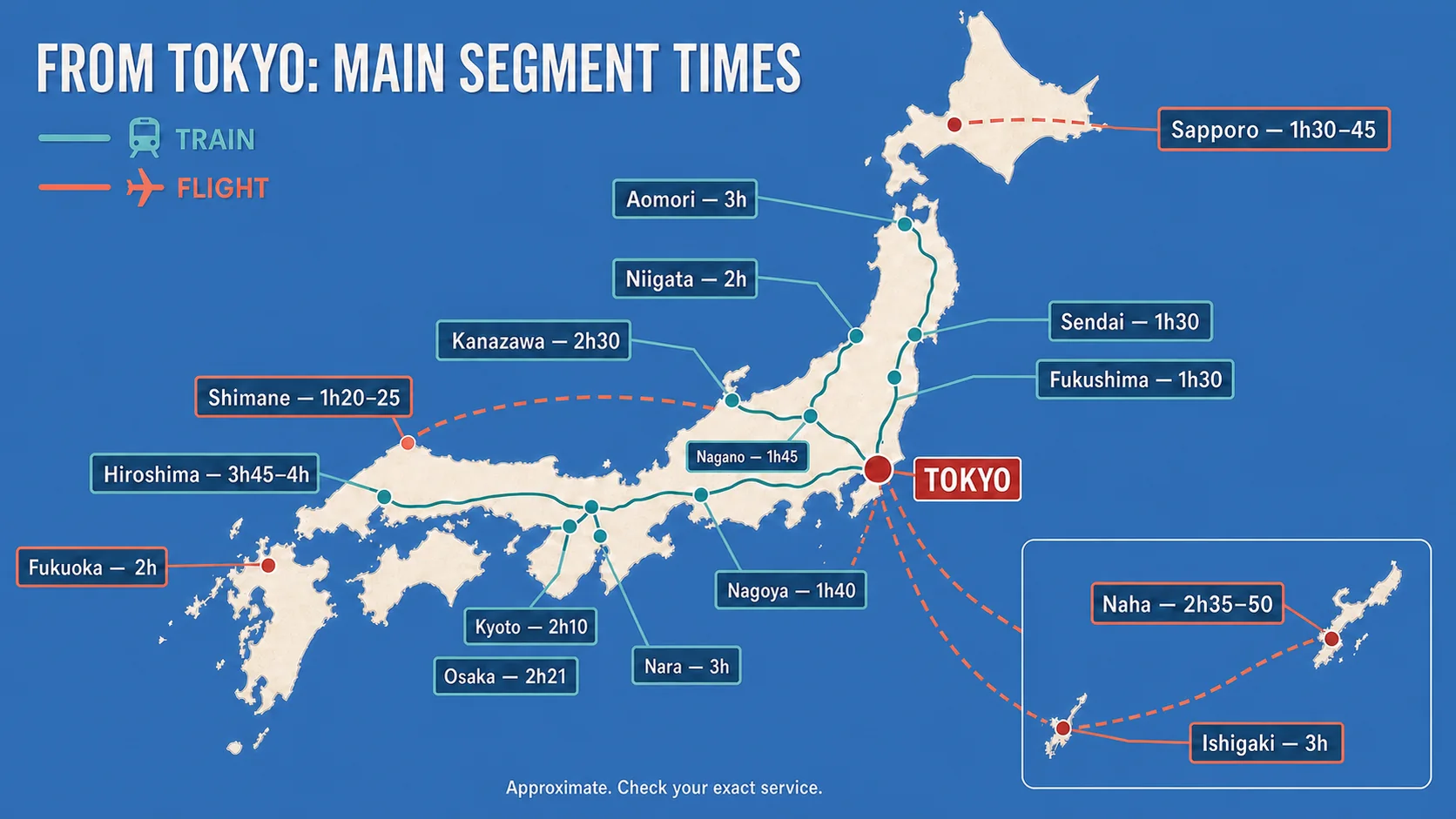
The “main segment” is the scheduled train or flight portion. The “planning block” is a realistic amount of itinerary time from a hotel in central Tokyo to accommodation near the destination center. It includes transfers and sensible buffers, but not sightseeing detours.
| Destination | Best first option from Tokyo | Main segment | Realistic hotel-to-hotel planning block | Good minimum stay |
|---|---|---|---|---|
| Nagano | Hokuriku Shinkansen | about 1 hr 45 min | 3–4 hr | day trip or 1 night |
| Fukushima | Tohoku Shinkansen | about 1 hr 30 min | 3–4 hr | 1 night |
| Sendai | Tohoku Shinkansen | about 1 hr 30 min | 3.5–4.5 hr | 1–2 nights |
| Niigata | Joetsu Shinkansen | about 2 hr | 3.5–4.5 hr | 1–2 nights |
| Nagoya | Tokaido Shinkansen | about 1 hr 40 min | 3–4 hr | 1–2 nights |
| Kyoto | Tokaido Shinkansen | about 2 hr 10 min | 3.5–4.5 hr | 2–3 nights |
| Osaka | Tokaido Shinkansen | as fast as 2 hr 21 min | 4–4.5 hr | 2–3 nights |
| Nara | Shinkansen to Kyoto, then local train | about 3 hr total rail time | 4.5–5.5 hr | day trip from Kyoto/Osaka or 1 night |
| Kanazawa | Hokuriku Shinkansen | about 2 hr 30 min | 4–5 hr | 1–2 nights |
| Aomori | Tohoku Shinkansen to Shin-Aomori | about 3 hr, plus local transfer | 5–6 hr | 2 nights |
| Hiroshima | Tokaido–Sanyo Shinkansen | about 3 hr 45 min–4 hr | 5.5–6.5 hr | 2 nights |
| Shimane (Matsue/Izumo) | Flight from Haneda to Izumo | about 1 hr 20–25 min | 5–6 hr | 2 nights |
| Sapporo | Flight from Haneda to New Chitose | about 1 hr 30–45 min | 4.5–5.5 hr | 2–3 nights |
| Fukuoka | Flight from Haneda to Fukuoka | about 2 hr | 4.5–5.5 hr | 2 nights |
| Naha, Okinawa | Flight from Haneda to Naha | about 2 hr 35–50 min | 5.5–6.5 hr | 3 nights |
| Ishigaki Island | Direct flight from Haneda when available | about 3 hr | 6–7 hr | 3–4 nights |
Important: “Tokyo” here means a hotel in central Tokyo, not Narita Airport. A Narita departure can add substantial ground time. For airport transfer options, see our Narita and Haneda transfer guide.
Why a 1-hour flight can take 4 or 5 hours
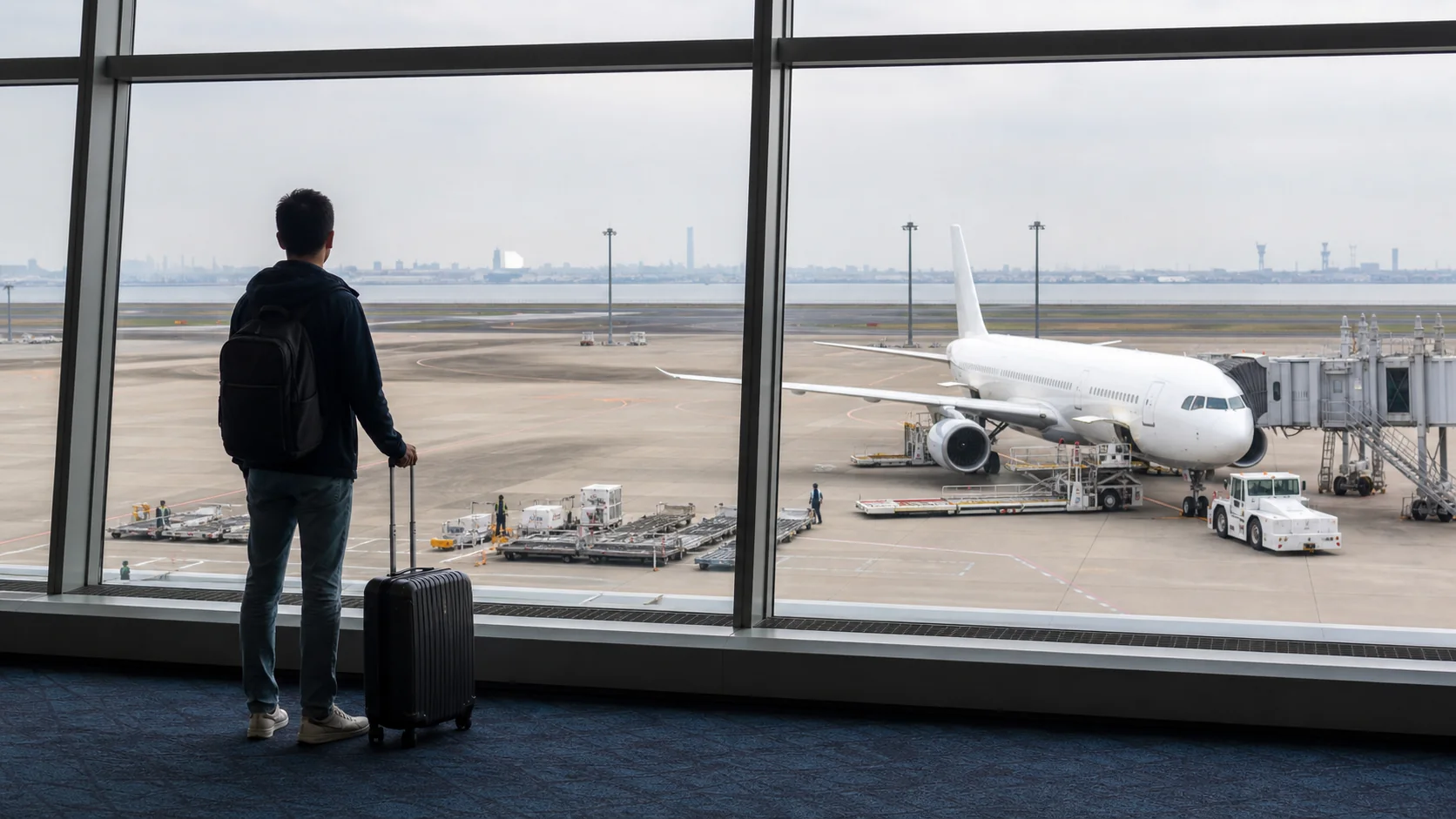
When comparing rail and air, add the entire chain—not just the time printed beside the flight number.
A realistic domestic-flight planning model
- Central Tokyo hotel to Haneda Airport: allow about 45–75 minutes depending on your location and transfers.
- Pre-departure buffer: many travelers will be more comfortable allowing 60–90 minutes, especially with checked baggage or an unfamiliar airport.
- Scheduled flight: the number shown in the destination table.
- Arrival, baggage and terminal exit: allow about 30–60 minutes.
- Airport to the destination center: often another 30–80 minutes.
That is why a Tokyo–Osaka flight of about 1 hour 5–20 minutes can still occupy 4–5 hours door to door. Osaka’s official tourism guide lists roughly 1 hour 20 minutes from Haneda to Itami and about 2.5 hours from Tokyo to Shin-Osaka by Shinkansen. JR Central lists its fastest Tokyo–Shin-Osaka service at 2 hours 21 minutes. For a trip between central Tokyo and central Osaka, the train avoids both airport transfers.
A realistic Shinkansen planning model
- Hotel to Tokyo or Shinagawa Station: allow 20–60 minutes.
- Find the platform and buy or collect tickets: allow 15–30 minutes if you are unfamiliar with the station.
- Scheduled train ride.
- Arrival station to your accommodation: allow 20–60 minutes.
You do not normally need an airport-style security process for the Shinkansen. Trains also run frequently on the Tokaido route, although reserved seats are wise during peak periods.
Hokkaido and Tohoku: Sapporo, Aomori, Sendai and Fukushima
Tokyo to Sapporo: fly, then take the airport train
Haneda–New Chitose flights commonly take about 1.5–1.75 hours. New Chitose Airport is not in central Sapporo: the JR Airport train adds roughly 33–43 minutes to Sapporo Station, depending on the service. After Tokyo ground transport, airport time and the Sapporo transfer, plan about 4.5–5.5 hours hotel to hotel.
The Hokkaido Shinkansen does not yet run to Sapporo. Rail from Tokyo is useful for Hakodate, but continuing to Sapporo makes this a much longer travel day. If Sapporo is your goal, fly.
Tokyo to Aomori: train and plane are both reasonable
The Tohoku Shinkansen reaches Shin-Aomori in roughly 3 hours on faster services. Shin-Aomori and central Aomori are different stations, so add the local connection. Aomori’s official tourism guide also lists a Haneda flight of about 1 hour 20 minutes.
Choose the Shinkansen if you want a central departure, predictable rail journey and no airport process. Compare flights if your Tokyo hotel is convenient for Haneda or your Aomori itinerary begins near the airport. Plan 5–6 hours hotel to hotel either way.
Tokyo to Sendai: about 90 minutes by Shinkansen
Sendai is one of the easiest major regional cities to add from Tokyo. JR East lists approximately 90 minutes by Tohoku Shinkansen. A one-night stay is workable; two nights make room for Matsushima or a less rushed city visit.
Tokyo to Fukushima: about 90 minutes, but “Fukushima” is a large area
JR East lists approximately 90 minutes from Tokyo to Fukushima Station. Attractions across Fukushima Prefecture can be much farther away. Aizu-Wakamatsu, Ouchi-juku and the coastal area require additional rail, bus or car travel. Check the final destination, not just the prefecture name.
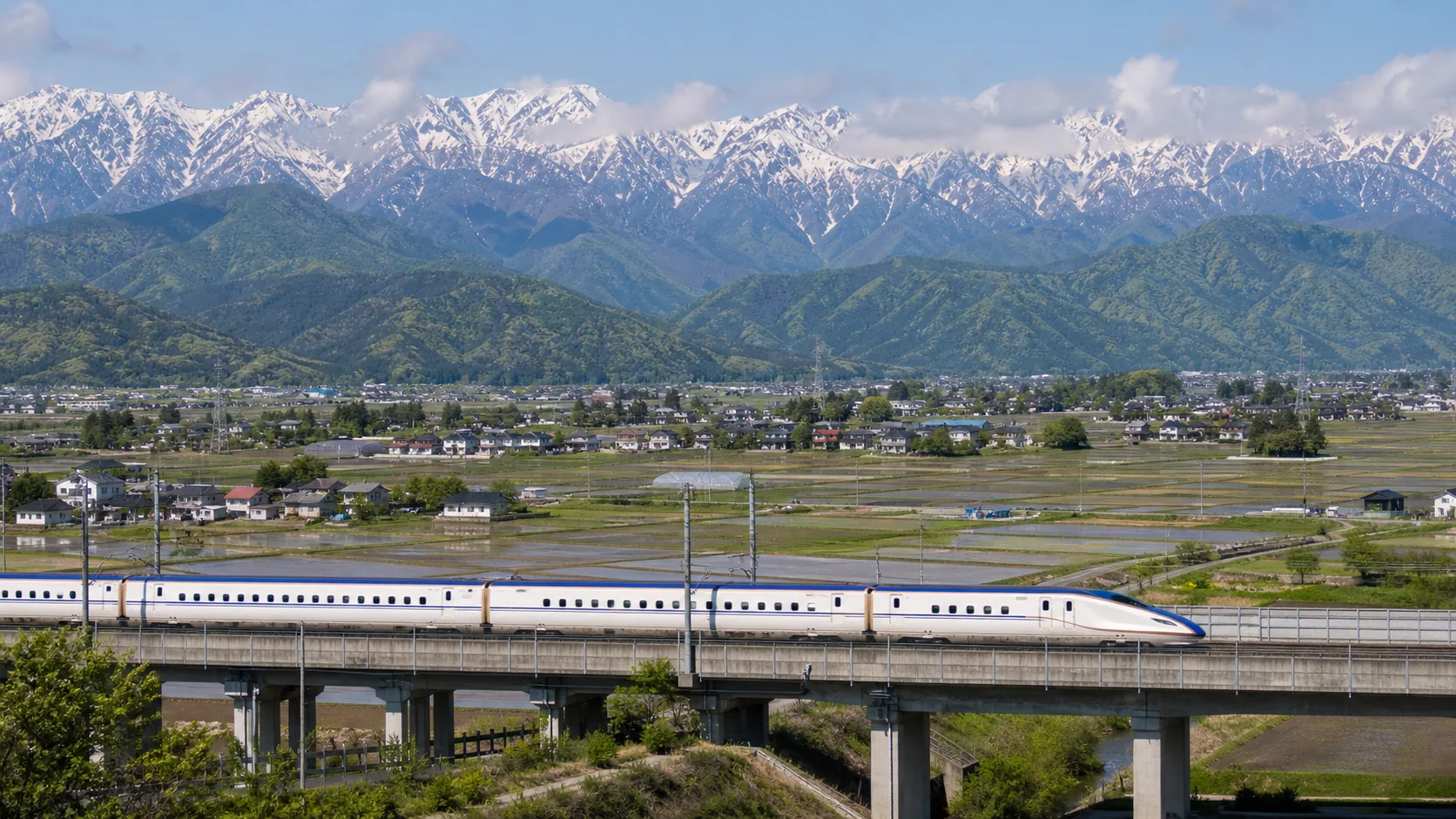
Chubu and the Sea of Japan: Nagano, Niigata, Nagoya and Kanazawa
Tokyo to Nagano: about 1 hour 45 minutes
JR East’s current destination guide gives 105 minutes from Tokyo to Nagano on the Hokuriku Shinkansen. Nagano City can work as a long day trip, but Hakuba, the snow monkey area and many mountain destinations need onward transport. Do not treat “Nagano Prefecture” and “Nagano Station” as the same destination.
Tokyo to Niigata: about 2 hours
The Joetsu Shinkansen reaches Niigata in about 2 hours. JR East’s sample itinerary shows a ride of roughly 1 hour 50 minutes on one departure. Niigata City is easy by rail; Sado Island requires an additional transfer to the port and a ferry or jetfoil.
Tokyo to Nagoya: about 1 hour 40 minutes
Nagoya is closer to Tokyo than many first-time visitors expect. The Tokaido Shinkansen is the clear first option. A day trip is physically possible, but one night is more comfortable if you want Nagoya Castle, the Toyota-related museums and local food without watching the clock.
Tokyo to Kanazawa: about 2 hours 30 minutes
The direct Hokuriku Shinkansen takes around 2.5 hours. Kanazawa’s official tourism guide also shows a one-hour flight to Komatsu followed by a 40-minute airport bus, but rail can be simpler from central Tokyo. Stay at least one night; two is better if you are adding Shirakawa-go.
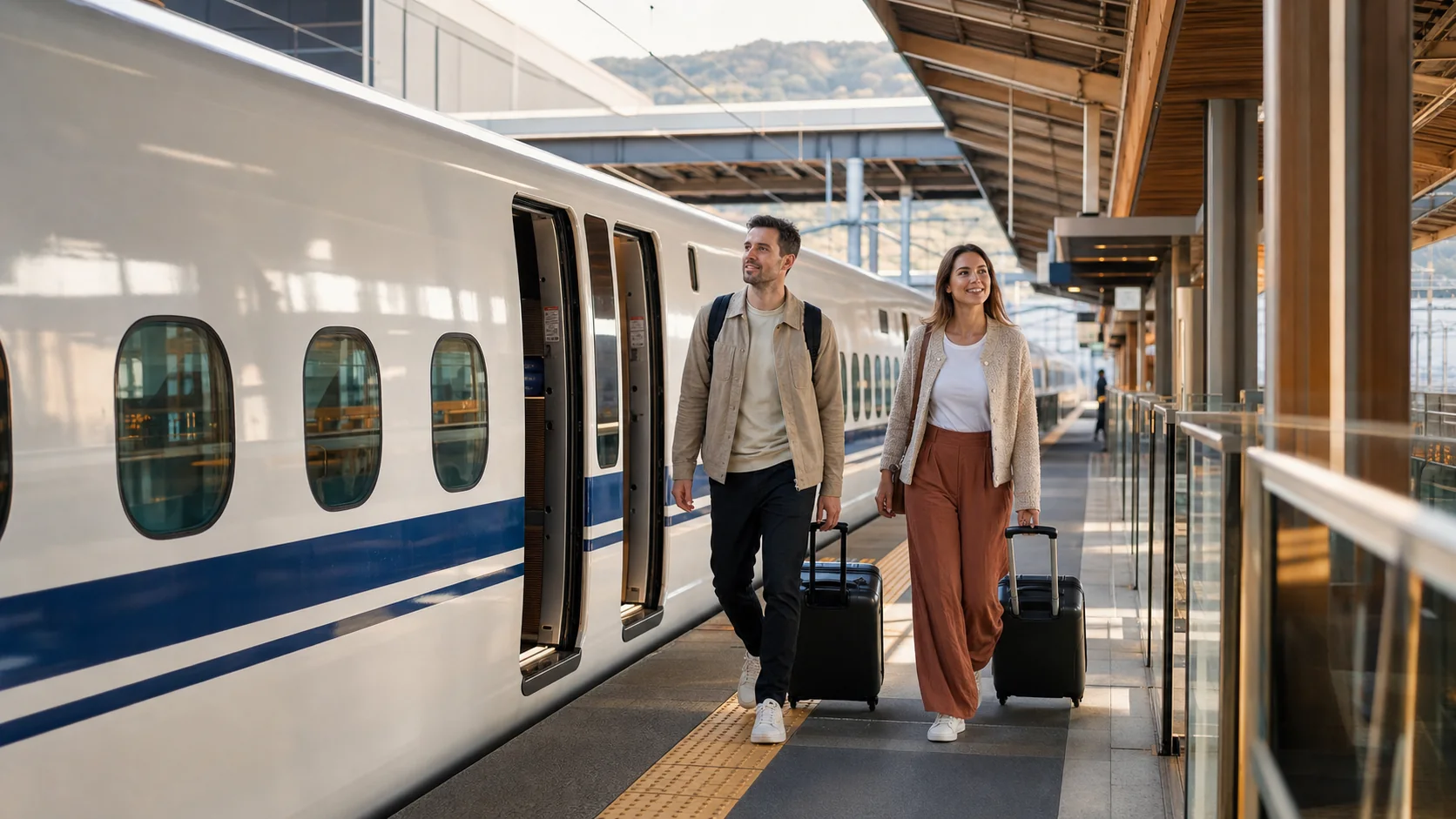
Kansai: Kyoto, Osaka and Nara
Tokyo to Kyoto: about 2 hours 10 minutes by Nozomi
JR Central gives approximately 130 minutes on its official Kyoto guide. Add the trip from your Tokyo hotel, time inside Tokyo Station and the transfer from Kyoto Station to your neighborhood. A useful hotel-to-hotel block is about 3.5–4.5 hours.
Kyoto deserves more than a rushed day trip from Tokyo. Two full days is a more realistic starting point for a first visit.
Tokyo to Osaka: Shinkansen can beat flying door to door
The fastest Tokyo–Shin-Osaka Shinkansen takes 2 hours 21 minutes. A Haneda–Itami flight may spend about 1 hour 5–20 minutes in the schedule, but airport access and buffers remove much of that advantage.
Use the Shinkansen for most central Tokyo–central Osaka trips. Consider flying when you are already at Haneda, your Osaka destination is convenient for Itami, the airfare is especially attractive, or you are connecting from another flight.
Tokyo to Nara: there is no direct Shinkansen
Take the Shinkansen to Kyoto, then continue by JR or Kintetsu. The Official Nara Travel Guide lists approximately 142 minutes from Tokyo to Kyoto, then about 34 minutes to Kintetsu-Nara or 41 minutes to JR Nara on the connections it illustrates. Add transfer time.
For most itineraries, Nara works best as a day trip from Kyoto or Osaka rather than a separate round trip from Tokyo.
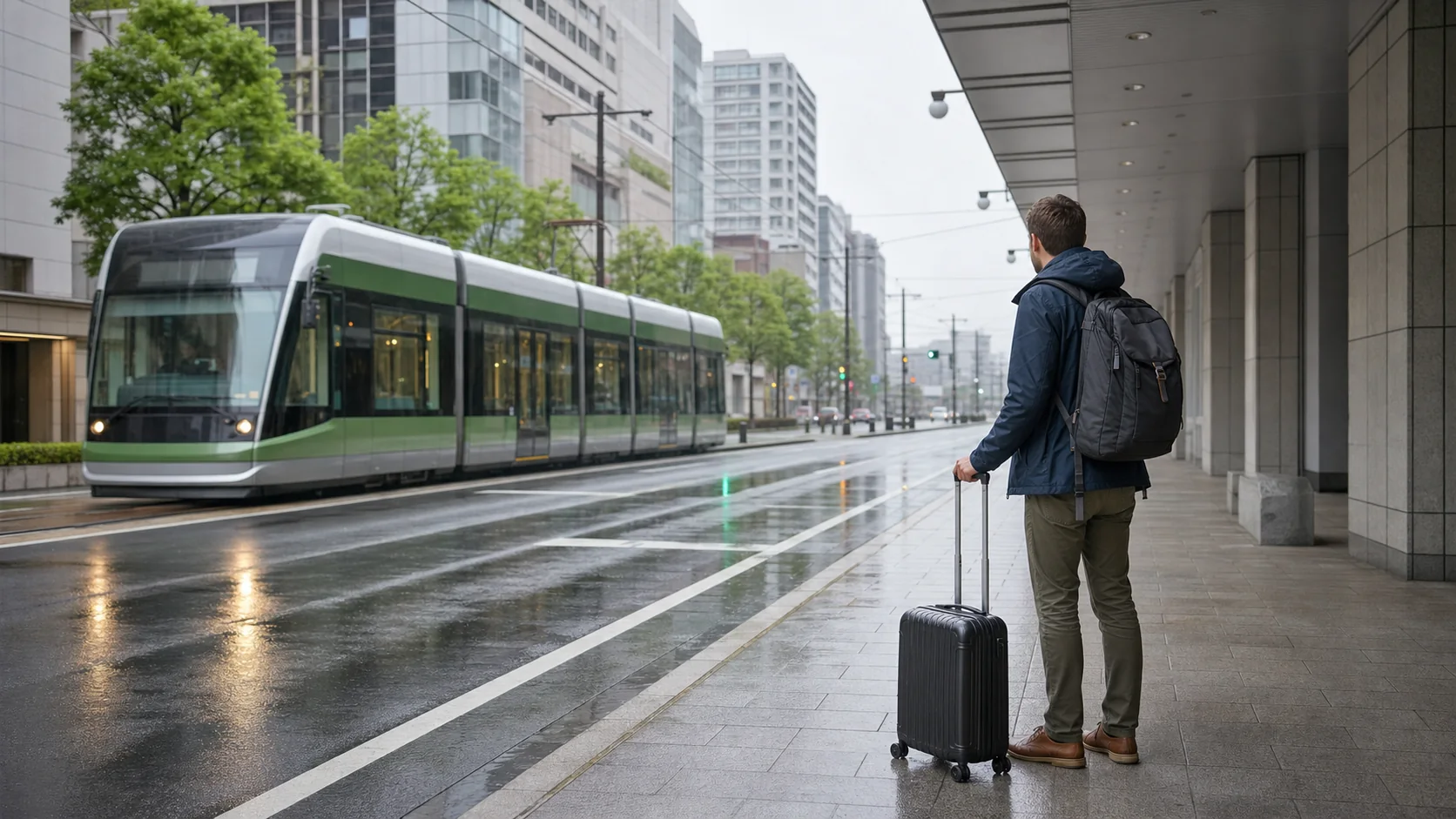
Chugoku: Hiroshima and Shimane
Tokyo to Hiroshima: compare a direct train with the full airport chain
The direct Nozomi ride is roughly 3 hours 45 minutes to 4 hours. Hiroshima Airport is outside the city, so a short-looking flight still needs a bus transfer at the destination. If your hotels are near Tokyo Station and central Hiroshima, the Shinkansen is often competitive and simpler.
Flying becomes more attractive when your Tokyo stay is convenient for Haneda, you find a good fare, or your Hiroshima plans begin closer to the airport. Give Hiroshima at least two nights if you also want Miyajima.
Tokyo to Shimane: fly to Izumo for Matsue or Izumo
Shimane is the clearest case where a map can mislead travelers. The official Shimane tourism guide gives about 1 hour 20 minutes from Haneda to Izumo, while rail to Matsue takes about 6 hours via the Shinkansen and the limited express Yakumo.
For eastern Shimane—Matsue, Izumo Taisha and the Adachi Museum area—flying is the practical first comparison. Still allow roughly 5–6 hours hotel to hotel after airport transfers. If you choose rail, treat it as a full travel day. The overnight Sunrise Izumo is a special experience, not a time-saving daytime alternative.
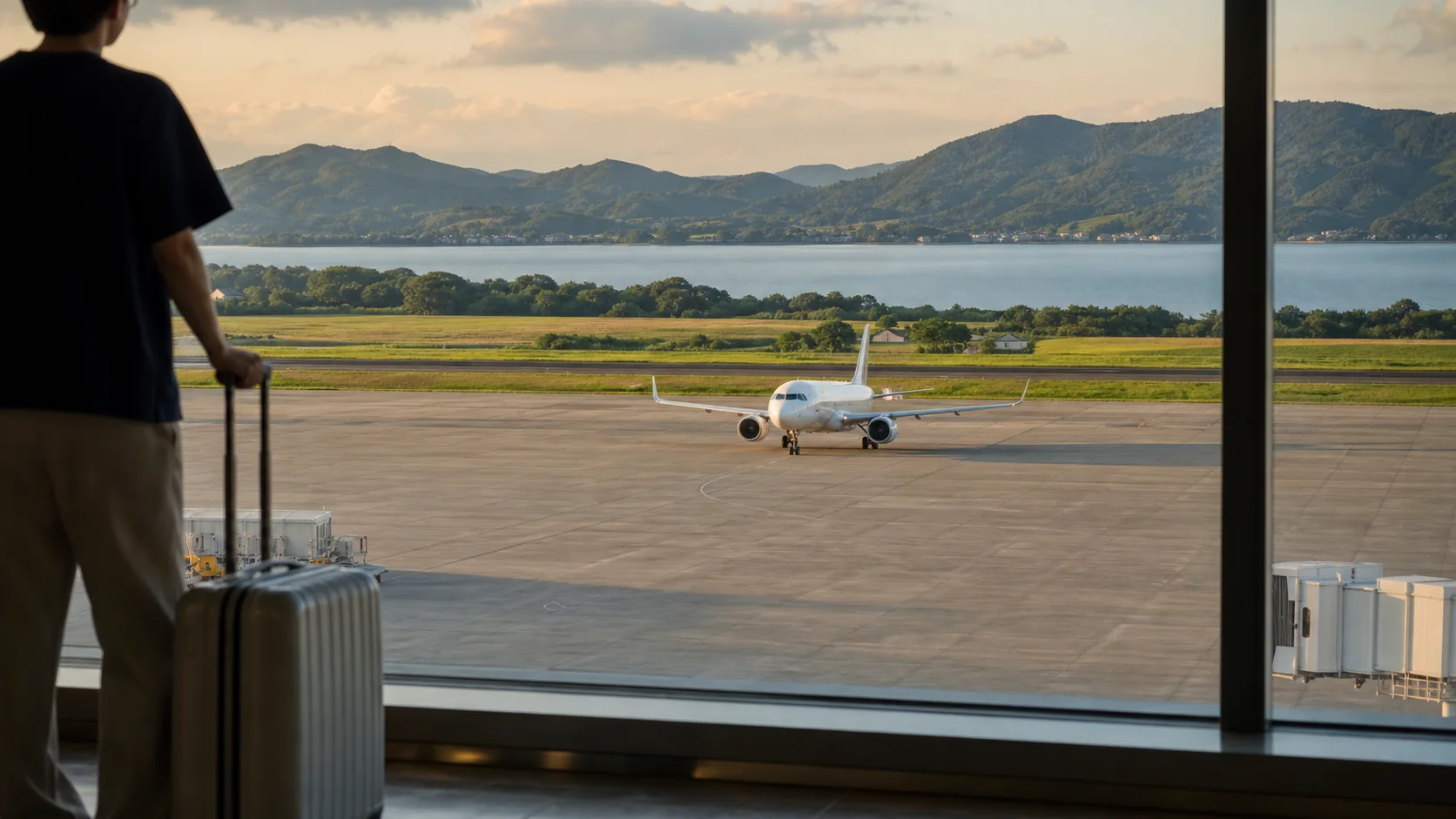
Kyushu and Okinawa: Fukuoka, Naha and Ishigaki
Tokyo to Fukuoka: fly for speed, train for a long rail journey
Flights from Haneda to Fukuoka take roughly 2 hours depending on the service and direction. Fukuoka Airport is unusually close to the city center, which makes flying more efficient here than at many other Japanese cities.
The Shinkansen to Hakata takes close to 5 hours. Rail can make sense with a pass, intermediate stops or a strong preference for trains, while a direct Tokyo–Fukuoka itinerary favors flying on time alone.
Tokyo to Naha, Okinawa: plan most of a day around the move
Current scheduled Haneda–Naha services are commonly around 2 hours 35–50 minutes. Add Tokyo airport access, check-in, baggage and the trip from Naha Airport. A realistic planning block is 5.5–6.5 hours.
Do not schedule an expensive tour immediately after arrival. Summer and early autumn flights can also be affected by typhoons, so keep the arrival day flexible.
Tokyo to Ishigaki Island: about 3 hours nonstop
Direct Haneda–Ishigaki flights operate, and current schedules are around 3 hours. The route can vary by season and airline, so check your dates before building the itinerary. If you connect in Naha, the journey is longer.
Ishigaki Airport is also not the ferry terminal. Add ground transport if you are continuing to Taketomi, Iriomote or another Yaeyama island. Three or four nights is a sensible minimum after investing a large part of a day in each direction.
How many destinations fit into one Japan trip?
Moving cities has a hidden cost: packing, checking out, finding the station, storing luggage, waiting to check in and learning a new transport system. A route that looks like “just two hours” can remove half a useful sightseeing day.
If you have 5–7 days
Use one main base, or at most two. Tokyo plus Kyoto or Osaka is already a full first trip. Add a Tokyo day trip rather than another distant hotel move.
If you have 8–10 days
Two or three bases can work. Examples include Tokyo–Kyoto–Osaka, Tokyo–Nagano–Kanazawa, or Tokyo–Sendai–Aomori. Keep at least one lighter day.
If you have 11–14 days
Three or four bases are realistic if the route moves in one direction. Tokyo–Kyoto–Hiroshima–Fukuoka works better than repeatedly returning to Tokyo.
If Hokkaido or Okinawa is a priority
Treat it as a major region, not a quick side trip. Fly into that region and give it multiple nights. An open-jaw international ticket—arriving in Tokyo and leaving from Osaka, Fukuoka or another gateway—can reduce backtracking.
A practical booking checklist
- Write the exact hotel or neighborhood at both ends, rather than just the city names.
- Compare hotel departure to hotel arrival, not train time versus flight time.
- Check whether the airport is actually near the destination center.
- Add extra time for checked baggage, children, mobility needs or unfamiliar stations.
- Check the last local train or airport bus if arriving at night.
- Avoid same-day non-refundable tours after a long flight or weather-sensitive route.
- For holiday periods, reserve the Shinkansen and domestic flights earlier than usual.
- Check the official operator timetable again shortly before travel.
For booking details, see our Shinkansen guide and guide to booking Shinkansen tickets with a foreign credit card. If you are comparing a rail pass with individual tickets, use our JR Pass guide.
Frequently asked questions
Is the Shinkansen faster than flying from Tokyo to Osaka?
The aircraft spends less time in motion, but the Shinkansen can be faster or similar door to door for central Tokyo to central Osaka. The train leaves from the city center and avoids airport transfers and security time.
How long is Tokyo to Osaka by Shinkansen?
The fastest Tokyo–Shin-Osaka services take 2 hours 21 minutes. Plan about 4–4.5 hours from a central Tokyo hotel to an Osaka hotel after local transfers and station time.
How long does it take to get from Tokyo to Sapporo?
The flight from Haneda to New Chitose commonly takes about 1.5–1.75 hours. Plan about 4.5–5.5 hours hotel to hotel because New Chitose is outside central Sapporo.
How long is Tokyo to Aomori by Shinkansen?
Faster Tohoku Shinkansen services reach Shin-Aomori in about 3 hours. Add the transfer from Shin-Aomori to central Aomori and local travel at both ends.
Can I visit Nagano, Sendai or Nagoya as a day trip from Tokyo?
Yes, each is reachable in roughly 1.5–2 hours by Shinkansen. A day trip is possible, but one night gives you more useful time and reduces the risk of a rushed return.
Does Nara have a Shinkansen station?
No. From Tokyo, take the Shinkansen to Kyoto and continue by JR or Kintetsu. Nara works well as a day trip from Kyoto or Osaka.
Is it better to fly or take the train from Tokyo to Hiroshima?
Both can work. The direct Shinkansen takes roughly 3 hours 45 minutes to 4 hours and arrives centrally. Flying has a shorter main segment, but Hiroshima Airport requires a ground transfer to the city.
What is the fastest way from Tokyo to Shimane?
For Matsue or Izumo, a flight from Haneda to Izumo is the practical first comparison. The flight is about 1 hour 20–25 minutes; daytime rail to Matsue takes about 6 hours.
How much time should I allow for a domestic flight in Japan?
For itinerary planning, allow the airport transfer, a 60–90 minute pre-departure buffer, the scheduled flight, 30–60 minutes to exit, and the transfer to your destination. The total is often 3–4 hours longer than the flight itself.
Can I visit Okinawa or Ishigaki from Tokyo for one night?
It is technically possible, but it is not an efficient use of time. Each direction can take 5.5–7 hours hotel to hotel. Plan at least three nights for Naha and three or four for Ishigaki.
Use Your Tokyo Station Buffer
If the itinerary leaves several hours around a Tokyo Station train, the Tokyo Station & Marunouchi Quick Guide gives a one-direction walk, correct west-side exits, luggage warnings and an indoor weather Plan B.
Official sources checked
- JR Central: Tokyo–Shin-Osaka fastest travel time
- JR East: Nagano, Niigata, Sendai/Miyagi and Fukushima
- Official Aomori Travel Guide: access by train and plane
- Official Nara Travel Guide: access from Tokyo and Kyoto
- Official Kanazawa Travel Guide: access from Tokyo
- Official Shimane Tourism Guide: Tokyo–Izumo and Tokyo–Matsue
- Hokkaido Official Tourism Site: Tokyo–New Chitose and airport–Sapporo
- OSAKA-INFO: Tokyo–Osaka by air and Shinkansen
- JAL domestic timetable and 2026 schedule notices
- New Ishigaki Airport official route timetable
- Okinawa official tourism access guide
Times in this guide are approximate planning estimates checked on July 20, 2026. Timetables, routes and airport procedures can change. Confirm your exact train or flight before departure.
Comments