Last checked: July 22, 2026
Japan does not have one Shinkansen company, one booking website, or one train name for the whole country. The high-speed network is divided among regional JR passenger companies. Some trains continue from one company’s line onto another, while booking-site coverage does not consistently follow the operating boundaries.
That is why a simple question—“How do I book the Shinkansen?”—can lead to SmartEX, JR-EAST Train Reservation, JR-WEST Online Train Reservation, JR-KYUSHU Train Reservation, or a rail-pass website.
The easiest solution is to start with your destination. Use the Guide Finder below to identify the line, operator and official booking service, then open the one practical guide that matches your problem.
Quick answer
- Tokyo, Nagoya, Kyoto and Shin-Osaka are on the Tokaido Shinkansen, operated by JR Central. SmartEX is the simplest official online starting point for many ordinary Tokaido–Sanyo–Kyushu bookings.
- Hiroshima and Hakata are on the Sanyo Shinkansen, operated by JR West. Many trains run through from the Tokaido or Kyushu Shinkansen, so passengers often stay on the same train when the operator changes.
- Sendai, Aomori, Niigata, Nagano, Yamagata and Akita are reached through the JR East network. Start with JR-EAST Train Reservation for eligible online bookings.
- Hakodate is reached by the Hokkaido Shinkansen, operated by JR Hokkaido, with through services from the Tohoku Shinkansen. The Shinkansen does not yet reach Sapporo.
- Kumamoto and Kagoshima are on the Kyushu Shinkansen. Nagasaki is on the separate Nishi Kyushu Shinkansen, connected to Hakata by the Relay Kamome limited express and a transfer at Takeo-Onsen.
- A line name, train name, JR company and booking service are four different things. You do not need to memorize each layer; focus on the combination for your trip.
Starting from Shinagawa? Open the Shinagawa Quick Guide for the station-side exit choice, luggage-first plan and a practical half-day route before or after your train.
- Shinkansen Guide Finder
- Why Japan has several JR companies
- The four names travelers often mix up
- Shinkansen lines and operators
- Which official booking service should you use?
- What actually changes at a JR company boundary?
- Three journeys that explain the whole system
- Rail pass, ordinary ticket or regional pass?
- Common mistakes and the practical fallback
- How this hub will grow
- Frequently asked questions
- Is JR one company?
- Which Shinkansen goes from Tokyo to Kyoto and Osaka?
- Which Shinkansen goes from Tokyo to Sendai or Aomori?
- Can one train cross from one JR company to another?
- Does SmartEX cover Shinkansen routes nationwide?
- Does the Shinkansen go to Sapporo?
- Is Nagasaki connected directly to Hakata by Shinkansen?
- Can I use the JAPAN RAIL PASS on Nozomi or Mizuho?
- Where should I check delays?
- Start at Tokyo Station
- Official sources checked
Shinkansen Guide Finder
Enter a destination and choose what you need help with. This finder covers a curated set of stations and visitor routes. It does not show live timetables, fares or seat availability.
Find your Shinkansen route
Choose an origin, type a destination, and select the question you need answered.
Major destinations at a glance
The table remains available if JavaScript is disabled and gives search engines a crawlable version of the core routes.
| Destination | Main Shinkansen route | JR operator | Official booking starting point | Read next |
|---|---|---|---|---|
| Yokohama | Tokaido to Shin-Yokohama | JR Central | SmartEX | Booking with an overseas card |
| Mt Fuji area | Tokaido to Mishima or Shin-Fuji, depending on the final destination | JR Central | SmartEX | Tokyo to Mt Fuji guide |
| Nagoya, Kyoto, Osaka | Tokaido | JR Central | SmartEX | Shinkansen Complete Guide |
| Kobe, Himeji, Okayama, Hiroshima | Tokaido then Sanyo from Tokyo; Sanyo from Shin-Osaka | JR Central + JR West, or JR West only | SmartEX | Booking with an overseas card |
| Fukuoka / Hakata | Tokaido–Sanyo from Tokyo, or Sanyo from Shin-Osaka | JR Central + JR West | SmartEX | Booking with an overseas card |
| Kumamoto, Kagoshima | Tokaido–Sanyo–Kyushu from Tokyo, or Kyushu from Hakata | JR Central + JR West + JR Kyushu, depending on origin | SmartEX | Shinkansen luggage rules |
| Fukushima, Sendai, Morioka, Aomori | Tohoku | JR East | JR-EAST Train Reservation | Eki-net English guide |
| Hakodate | Tohoku then Hokkaido | JR East + JR Hokkaido | JR-EAST Train Reservation | Eki-net English guide |
| Sapporo | Tohoku–Hokkaido to Shin-Hakodate-Hokuto, then Limited Express Hokuto; compare flying from Tokyo | JR East + JR Hokkaido | JR-EAST Train Reservation | Train vs plane from Tokyo |
| Yamagata | Tohoku then Yamagata | JR East | JR-EAST Train Reservation | Eki-net English guide |
| Akita | Tohoku then Akita | JR East | JR-EAST Train Reservation | Eki-net English guide |
| Niigata | Joetsu | JR East | JR-EAST Train Reservation | Eki-net English guide |
| Nagano | Hokuriku | JR East | JR-EAST Train Reservation | Eki-net English guide |
| Toyama, Kanazawa, Fukui, Tsuruga | Hokuriku | JR East + JR West from Tokyo; JR West from the western side | JR-EAST or JR-WEST Online Train Reservation | Booking with an overseas card |
| Nagasaki | Relay Kamome to Takeo-Onsen, then Nishi Kyushu | JR Kyushu | JR-KYUSHU Train Reservation | Shinkansen Complete Guide |
Why Japan has several JR companies
The Japan Railways Group is not one national passenger railway company. The nationwide passenger network is divided among six regional companies: JR Hokkaido, JR East, JR Central, JR West, JR Shikoku and JR Kyushu. JR Shikoku does not operate a Shinkansen, while the other five appear in the high-speed network.
The division mostly follows operating territory, not the way an overseas visitor thinks about a trip. A Tokyo–Hakata journey feels like one railway journey, but it crosses the Tokaido Shinkansen of JR Central and the Sanyo Shinkansen of JR West. Some Nozomi trains run through both sections, so the passenger may not change trains even though the line and operator change at Shin-Osaka.
The same pattern appears elsewhere:
- A Hayabusa can run from Tokyo over JR East’s Tohoku Shinkansen and continue onto JR Hokkaido’s Hokkaido Shinkansen.
- Mizuho and Sakura services can cross the Sanyo and Kyushu Shinkansen boundary at Hakata.
- Hokuriku Shinkansen trains operate through a corridor shared by JR East and JR West, with the operating territory changing at Joetsu-Myoko.
- Tokyo Station is used by JR East for northbound Shinkansen services and by JR Central for the westbound Tokaido Shinkansen.
This is why the company logo on a website can change even when the passenger sees one continuous train.
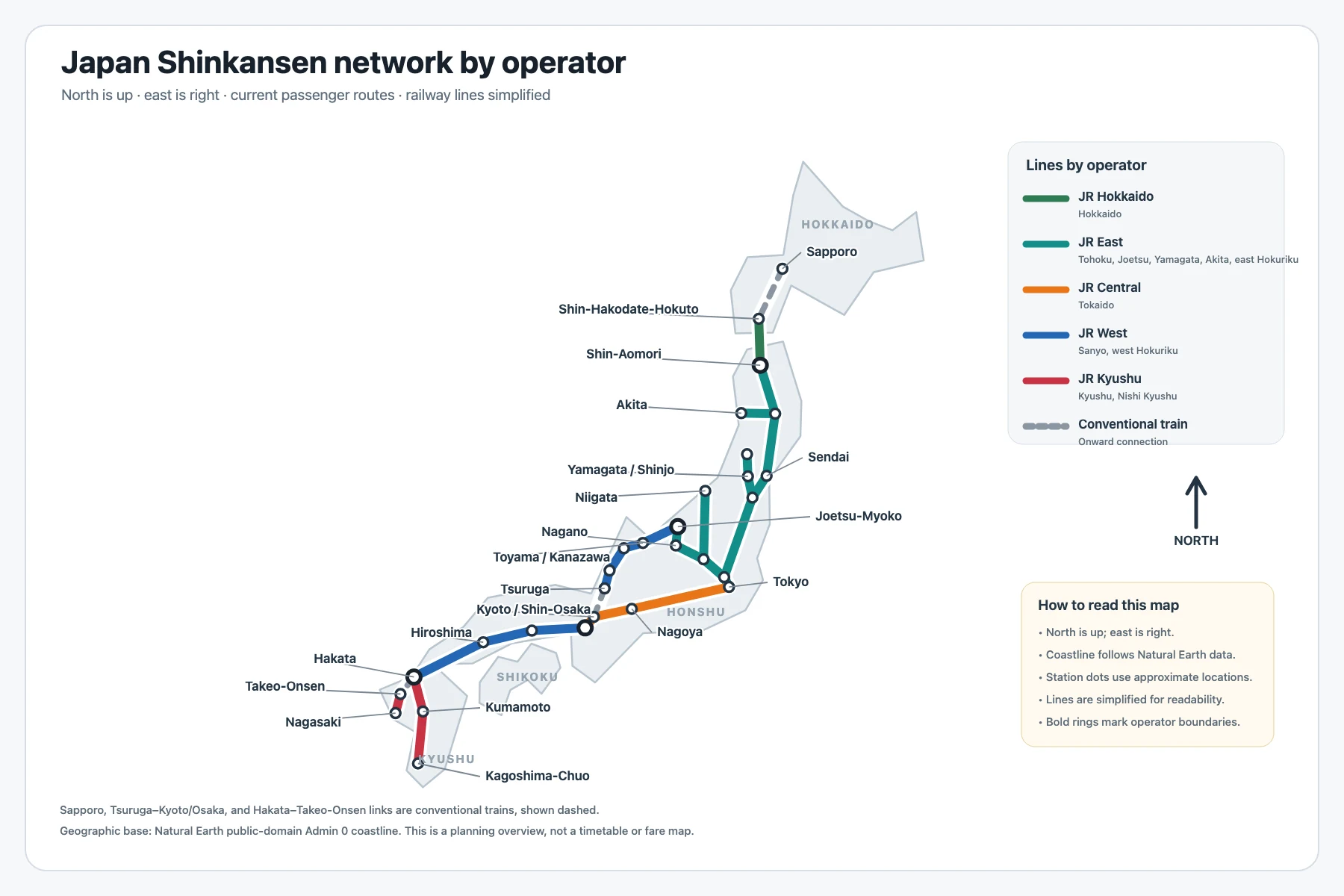
North-up geographic overview based on the Natural Earth coastline. Station positions are approximate and railway lines are simplified for readability.
The four names travelers often mix up
1. The line name is the corridor
Tokaido, Sanyo, Tohoku and Hokuriku are line names. They describe the railway corridor. When deciding where you are going, this is the most useful layer.
2. The train name is the stopping pattern or service
Nozomi, Hikari and Kodama operate on the Tokaido Shinkansen, but they stop at different numbers of stations. Hayabusa, Yamabiko and Nasuno use the Tohoku corridor with different destinations and stopping patterns. A train name is not a separate railway company.
3. The JR company operates the territory
JR Central operates the Tokaido Shinkansen. JR West operates the Sanyo Shinkansen and the western part of the Hokuriku Shinkansen. JR East operates the Tohoku, Joetsu, Yamagata and Akita services and the eastern part of the Hokuriku route. This layer matters for service alerts, station support, regional passes and some ticket rules.
4. The booking service sells eligible products
SmartEX, JR-EAST Train Reservation, JR-WEST Online Train Reservation and JR-KYUSHU Train Reservation are sales systems. Their coverage can cross company boundaries, while ticket pickup can be more limited than the search area. Check both the route you can reserve and where the resulting ticket can be collected or used.
Shinkansen lines and operators
| Shinkansen line or service | Main traveler corridor | Primary operator | Common train names | Booking starting point |
|---|---|---|---|---|
| Hokkaido | Shin-Aomori–Shin-Hakodate-Hokuto | JR Hokkaido | Hayabusa, Hayate | JR-EAST Train Reservation |
| Tohoku | Tokyo–Shin-Aomori | JR East | Hayabusa, Hayate, Yamabiko, Nasuno | JR-EAST Train Reservation |
| Yamagata | Tokyo–Fukushima–Yamagata–Shinjo | JR East | Tsubasa | JR-EAST Train Reservation |
| Akita | Tokyo–Morioka–Akita | JR East | Komachi | JR-EAST Train Reservation |
| Joetsu | Tokyo–Niigata | JR East | Toki, Tanigawa | JR-EAST Train Reservation |
| Hokuriku | Tokyo–Nagano–Toyama–Kanazawa–Tsuruga | JR East + JR West | Kagayaki, Hakutaka, Asama, Tsurugi | JR-EAST or JR-WEST Online Train Reservation |
| Tokaido | Tokyo–Nagoya–Kyoto–Shin-Osaka | JR Central | Nozomi, Hikari, Kodama | SmartEX |
| Sanyo | Shin-Osaka–Okayama–Hiroshima–Hakata | JR West | Nozomi, Mizuho, Hikari, Sakura, Kodama | SmartEX or JR-WEST Online Train Reservation |
| Kyushu | Hakata–Kumamoto–Kagoshima-Chuo | JR Kyushu | Mizuho, Sakura, Tsubame | SmartEX or JR-KYUSHU Train Reservation |
| Nishi Kyushu | Takeo-Onsen–Nagasaki | JR Kyushu | Kamome | JR-KYUSHU Train Reservation; connect from Hakata by Relay Kamome |
Yamagata and Akita services run directly from Tokyo, but after branching from the Tohoku Shinkansen they continue over converted conventional-line corridors. For a traveler, the practical result is still a through Shinkansen service to Yamagata or Akita; the infrastructure distinction mainly explains why route maps sometimes draw them differently.
Which official booking service should you use?

SmartEX: Tokyo, Kyoto, Osaka, Hiroshima, Hakata and Kagoshima
SmartEX is operated for the Tokaido, Sanyo and Kyushu Shinkansen network. Its corridor includes Tokyo, Nagoya, Kyoto, Shin-Osaka, Hiroshima, Hakata, Kumamoto and Kagoshima-Chuo. The official service supports credit-card booking and boarding by QR ticket, linked IC card or collected ticket, subject to the product and account conditions.
Use SmartEX as the first official check for an ordinary ticket on this corridor. If registration or an overseas card fails, follow the fallback options in our foreign credit card booking guide.
JR-EAST Train Reservation: northern and eastern Japan
JR-EAST Train Reservation covers eligible JR East and JR Hokkaido services and the Hokuriku Shinkansen. It is the practical English-language starting point for Tokyo to Sendai, Aomori, Hakodate, Niigata, Nagano, Yamagata or Akita.
Eligible products may be issued as a Shinkansen e-ticket linked to one transportation IC card per passenger or as paper tickets collected at an eligible machine or counter. Read our Eki-net English guide before choosing the ticket format.
JR-WEST Online Train Reservation: western Japan and Hokuriku
JR-WEST Online Train Reservation sells eligible JR West, JR Shikoku and JR Kyushu-area tickets, plus several Shinkansen products. Its official conditions page lists Sanyo, Hokuriku and Kyushu Shinkansen coverage and limited availability in other JR areas.
The important limitation is collection. A route may appear in the booking system while the ticket cannot be collected at the JR station you expected. Check the collection location before paying, especially when the journey crosses into JR Central territory.
JR-KYUSHU Train Reservation: Kyushu regular tickets
JR-KYUSHU Train Reservation sells regular-price one-way and round-trip tickets for eligible JR Kyushu and JR West journeys. Tickets are collected at JR Kyushu ticket offices or eligible machines. JR Kyushu also operates a separate online service for JR Kyushu Rail Pass purchases and advance seat reservations by eligible pass buyers. That rail-pass online service does not handle Relay Kamome or Nishi Kyushu Shinkansen seat reservations; JR Kyushu directs pass holders to ask at a JR station counter after arrival.
For Nagasaki, remember that the Nishi Kyushu Shinkansen is not directly connected to Hakata by Shinkansen track. The normal rail journey uses the Relay Kamome limited express to Takeo-Onsen and a transfer to the Kamome Shinkansen.
What actually changes at a JR company boundary?
The train may continue, but several passenger-facing details can change.
Booking and ticket pickup
Online systems have different sales areas, accepted products, boarding methods and pickup stations. A paper ticket booked on one company’s site may be unavailable for collection at stations operated by another company.
Service information
During delays, earthquakes, heavy snow or typhoons, check the operator responsible for the affected line. JR East’s status page will not replace JR Central’s Tokaido status page, and SmartEX maintenance information is separate from live train operation information.
Rail passes
The nationwide JAPAN RAIL PASS and regional passes follow their own validity rules. The nationwide pass covers most Shinkansen services, but Nozomi and Mizuho require an additional ticket sold to pass holders. Regional passes may stop at a company or geographic boundary even when the train continues beyond it.
Luggage rules
The Tokaido, Sanyo, Kyushu and Nishi Kyushu Shinkansen have a reservation system for baggage whose total dimensions exceed 160 cm up to 250 cm. Other Shinkansen routes use different storage arrangements and do not simply share the same oversized-baggage-seat rule. Measure the bag and read the Shinkansen luggage guide before booking.
Train names and seat patterns
Nozomi, Hikari and Kodama do not make the same stops. Neither do Hayabusa, Yamabiko and Nasuno. Some services have no non-reserved cars, while others do. Search the actual date and train because seat patterns differ by service.
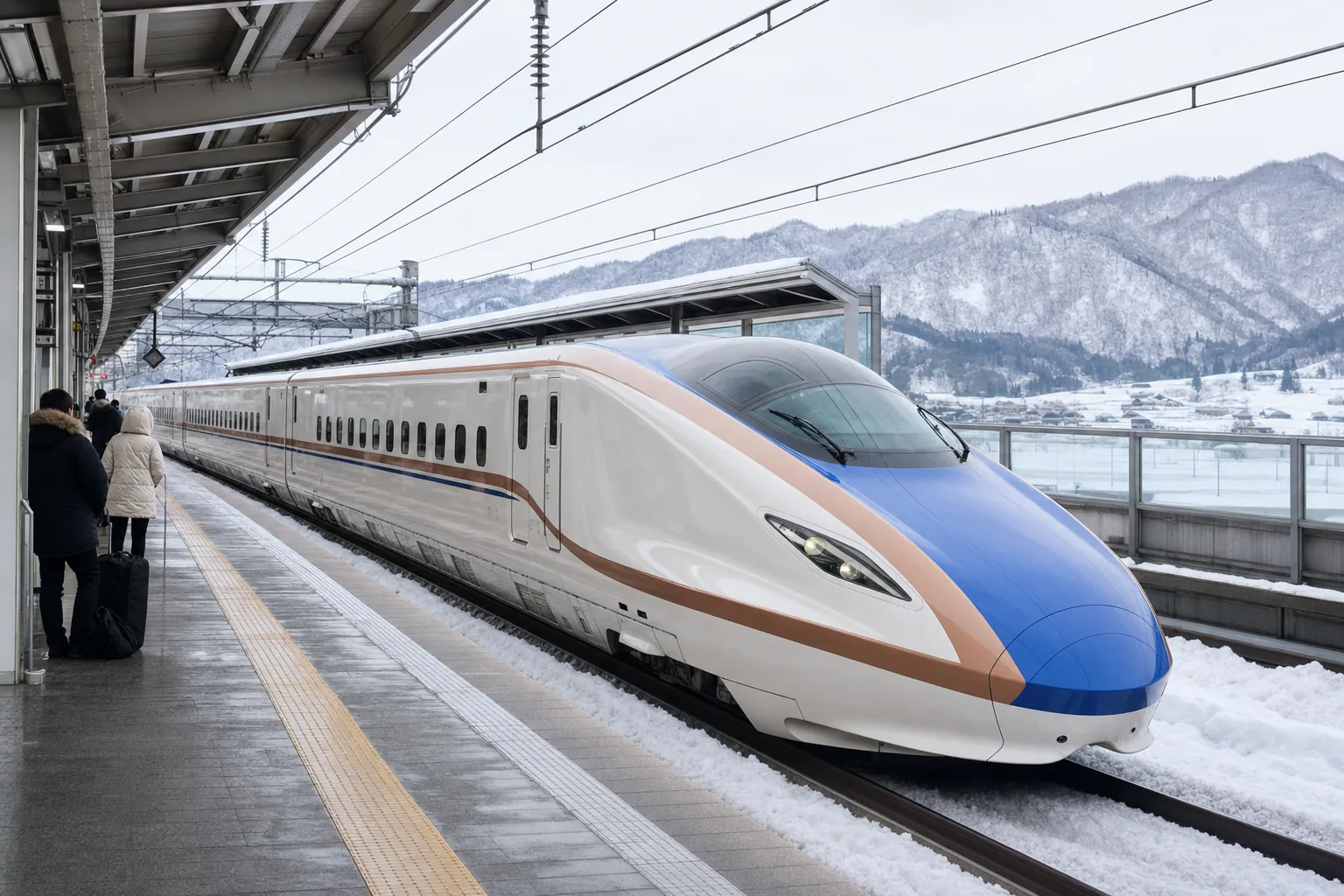
Three journeys that explain the whole system
Tokyo to Hiroshima: one train, two Shinkansen lines
A direct Nozomi can take you from Tokyo to Hiroshima without a transfer. The train uses JR Central’s Tokaido Shinkansen to Shin-Osaka, then JR West’s Sanyo Shinkansen. SmartEX sells eligible tickets across the combined corridor.
The passenger experience is continuous, but the infrastructure and operating territory are not one line. This is the simplest example of why “Which company?” and “Do I change trains?” are different questions.
Tokyo to Hakodate: two companies, one through service
The Hayabusa runs north on JR East’s Tohoku Shinkansen and can continue from Shin-Aomori onto JR Hokkaido’s Hokkaido Shinkansen. The Shinkansen station is Shin-Hakodate-Hokuto, not central Hakodate. Continue by local train for Hakodate city.
Hayabusa has no non-reserved cars. JR Hokkaido directs online buyers to JR-EAST Train Reservation.
Osaka to Kanazawa: the route changed at Tsuruga
The Hokuriku Shinkansen now reaches Tsuruga. From Osaka or Kyoto, the usual rail structure is a JR West limited express to Tsuruga, followed by the Hokuriku Shinkansen toward Fukui, Kanazawa or Toyama. From Tokyo, the Hokuriku Shinkansen runs directly toward those cities.
The same destination can therefore have a different booking starting point and transfer pattern depending on which side of Japan you begin from.
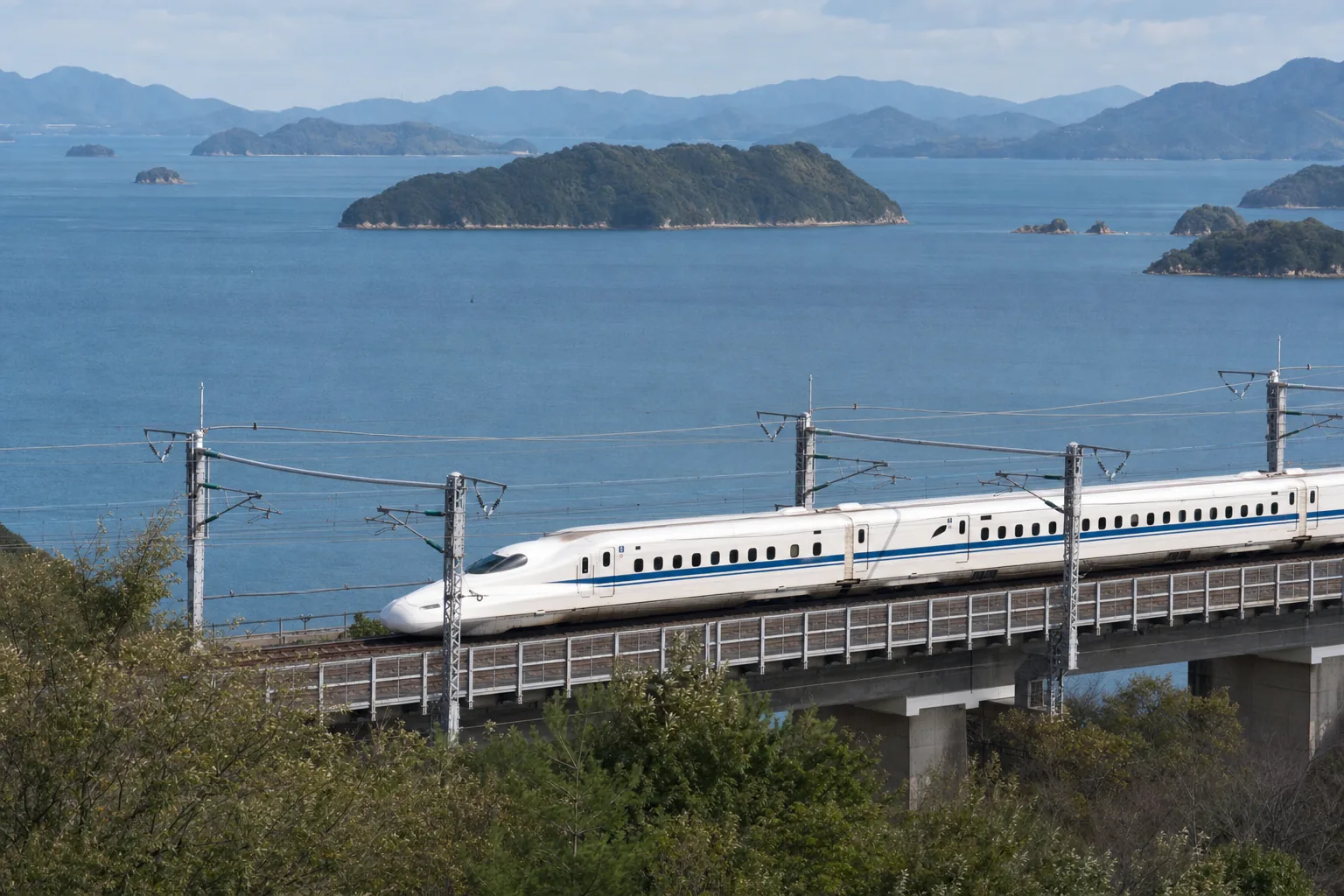
Rail pass, ordinary ticket or regional pass?
Do not choose a pass before writing the route. A pass is a payment product, not a route planner.
Use this order:
- List the exact intercity trips and dates.
- Identify the Shinkansen line for each trip.
- Check ordinary ticket prices on the official booking service.
- Compare the total with the nationwide or regional pass price.
- Check whether your preferred train needs an extra ticket or sits outside the pass area.
The nationwide JAPAN RAIL PASS is offered jointly by the six JR passenger companies. It covers most JR Shinkansen travel, but using Nozomi or Mizuho requires the additional official ticket sold to pass holders. Read the current conditions on the official JAPAN RAIL PASS site and use our JR Pass guide for the decision process.
Regional passes can be better for a concentrated trip, but the names are not interchangeable with the company names. A JR East pass, a JR West pass and a JR Kyushu pass have different eligibility, coverage and reservation procedures.
Common mistakes and the practical fallback

Searching “Tokyo to Kyoto” on JR East
Tokyo Station is in JR East territory for local and northbound services, but the Tokaido Shinkansen is operated by JR Central. Use SmartEX, not JR-EAST Train Reservation, for the normal Tokyo–Kyoto booking flow.
Assuming Osaka Station is a Shinkansen station
The Shinkansen stops at Shin-Osaka. Continue by local train or subway for Osaka Station, Umeda, Namba or another city area.
Treating Hakata and Fukuoka as different destinations
Hakata is the Shinkansen station serving Fukuoka city. Search “Hakata” in a rail booking service.
Booking a ticket without checking where it can be collected
Coverage and pickup are separate questions. Confirm the pickup station before you pay for a paper ticket.
Assuming the Shinkansen reaches central Hakodate or Sapporo
The current northern terminus is Shin-Hakodate-Hokuto. Hakodate requires a local connection, and Sapporo requires a much longer onward limited-express journey or a different travel plan.
Plan B: buy at the station
If the official website is in maintenance, a card is rejected, the route is too complex, or ticket collection is unclear, save the exact date, origin, destination and preferred departure time. Use an English-capable reserved-seat ticket machine or ask at a JR ticket counter after arrival. For a multi-company trip, ask whether one through ticket can be issued and where the issued tickets must be inserted or tapped.
How this hub will grow
This page is the network overview. Detailed company and booking articles will live beneath it as child pages rather than repeating the whole explanation in other posts.
/japan-shinkansen-network/jr-east/— Tohoku, Joetsu, Yamagata, Akita and eastern Hokuriku details/japan-shinkansen-network/jr-central/— Tokaido, SmartEX and major station details/japan-shinkansen-network/jr-west/— Sanyo, western Hokuriku and transfer details/japan-shinkansen-network/jr-hokkaido/— Hakodate, Sapporo connection and winter planning/japan-shinkansen-network/jr-kyushu/— Kyushu and Nishi Kyushu details/japan-shinkansen-network/booking-services/— side-by-side reservation and pickup comparison
Existing practical guides remain at their current URLs and are linked from the finder. They will not be moved merely to make the URL tree look tidy, because changing established URLs would create unnecessary redirect and indexing risk.

Frequently asked questions
Is JR one company?
No. The JR Group includes six regional passenger railway companies. Five operate Shinkansen lines; JR Shikoku does not. Their trains and ticket systems cooperate, but the companies, operating territories and online services are not identical.
Which Shinkansen goes from Tokyo to Kyoto and Osaka?
Use the Tokaido Shinkansen, operated by JR Central. Nozomi is the fastest common stopping pattern, while Hikari and Kodama make more stops. SmartEX is the official online starting point for ordinary tickets on this corridor.
Which Shinkansen goes from Tokyo to Sendai or Aomori?
Use the Tohoku Shinkansen, operated by JR East. Faster services include Hayabusa. Start with JR-EAST Train Reservation for eligible English-language online bookings.
Can one train cross from one JR company to another?
Yes. Direct services can continue across a company boundary. Examples include Nozomi on the Tokaido and Sanyo Shinkansen, Sakura and Mizuho on the Sanyo and Kyushu Shinkansen, and Hayabusa on the Tohoku and Hokkaido Shinkansen.
Does SmartEX cover Shinkansen routes nationwide?
No. SmartEX covers the Tokaido, Sanyo and Kyushu Shinkansen network. It is not the general booking site for the Tohoku, Hokkaido, Joetsu, Yamagata or Akita Shinkansen.
Does the Shinkansen go to Sapporo?
Not yet. It currently reaches Shin-Hakodate-Hokuto. Continue by Limited Express Hokuto for Sapporo or compare flying, especially from Tokyo.
Is Nagasaki connected directly to Hakata by Shinkansen?
No. The Nishi Kyushu Shinkansen currently runs between Takeo-Onsen and Nagasaki. From Hakata, use the Relay Kamome limited express and transfer at Takeo-Onsen.
Can I use the JAPAN RAIL PASS on Nozomi or Mizuho?
You need the separate official Nozomi/Mizuho ticket sold to JAPAN RAIL PASS holders for the section and seat used. Without that additional ticket, use eligible alternatives such as Hikari, Sakura, Kodama or Tsubame according to the route.
Where should I check delays?
Check the operator for the affected line: JR Central for Tokaido, JR West for Sanyo and western Hokuriku, JR East for its eastern and northern network, JR Hokkaido for Hokkaido, and JR Kyushu for Kyushu. Booking-site maintenance and live train status are separate notices.
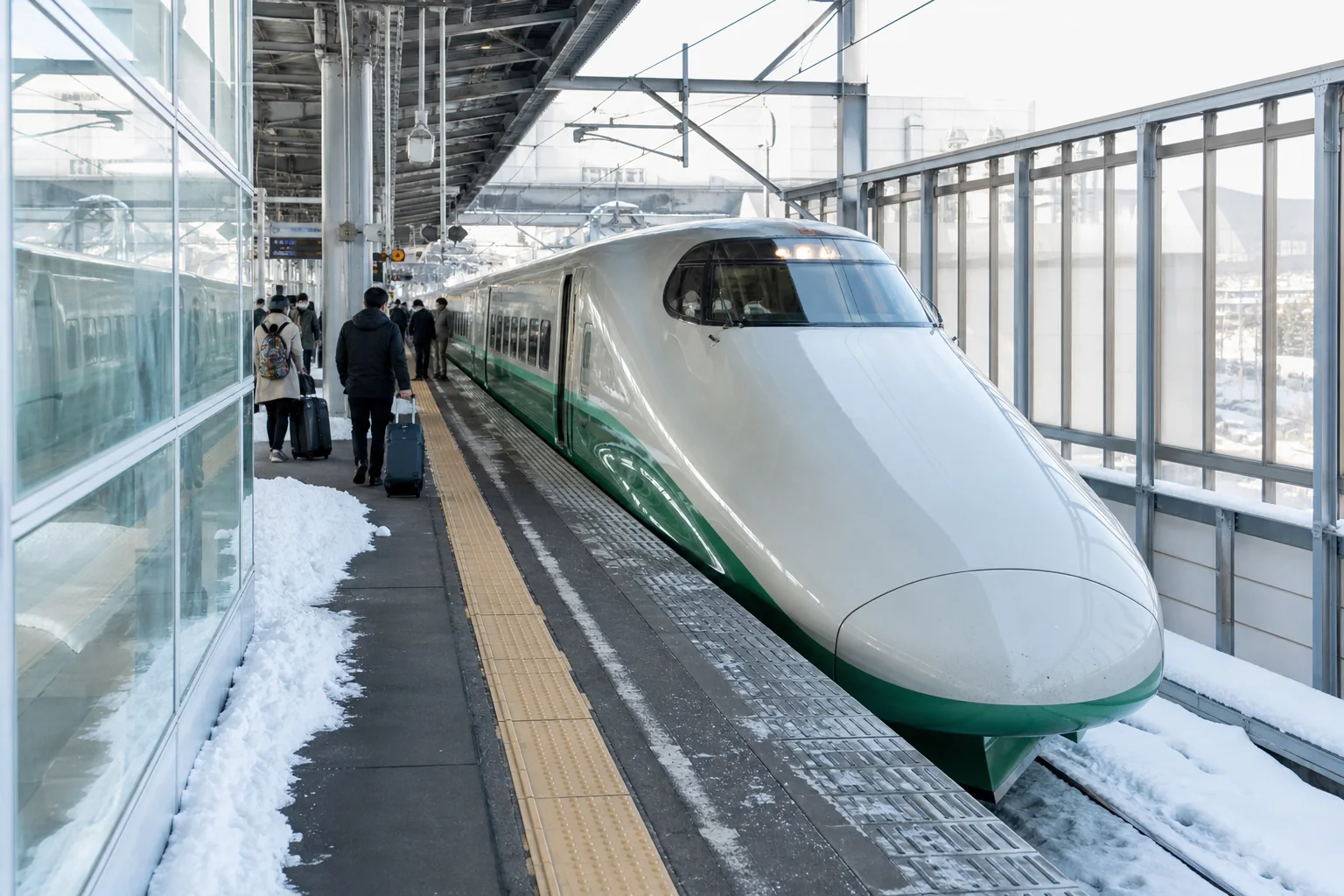
Start at Tokyo Station
If your Shinkansen starts or ends at Tokyo Station, use the Tokyo Station & Marunouchi Quick Guide to choose the correct exit, store luggage and plan a useful half-day walk without crossing the station twice.
Official sources checked
The network and booking boundaries in this guide were checked on July 22, 2026 against the following official sources:
- JR-EAST trains and routes and JR-EAST Shinkansen e-ticket guide
- JR Central Tokaido Shinkansen and online booking
- SmartEX official Tokaido–Sanyo–Kyushu service
- JR-WEST Online Train Reservation conditions and Hokuriku Shinkansen
- JR Hokkaido regular tickets and Hokkaido/Tohoku Shinkansen
- JR-KYUSHU Train Reservation and Nishi Kyushu Shinkansen Kamome transfer guide
- JR Central oversized-baggage guide
- Official JAPAN RAIL PASS scope and Nozomi/Mizuho conditions
The Guide Finder is a planning aid, not a live route search. Train schedules, fares, seat patterns, pass rules, pickup locations and service status can change. Confirm the actual journey on the relevant official booking and operation pages before travel.