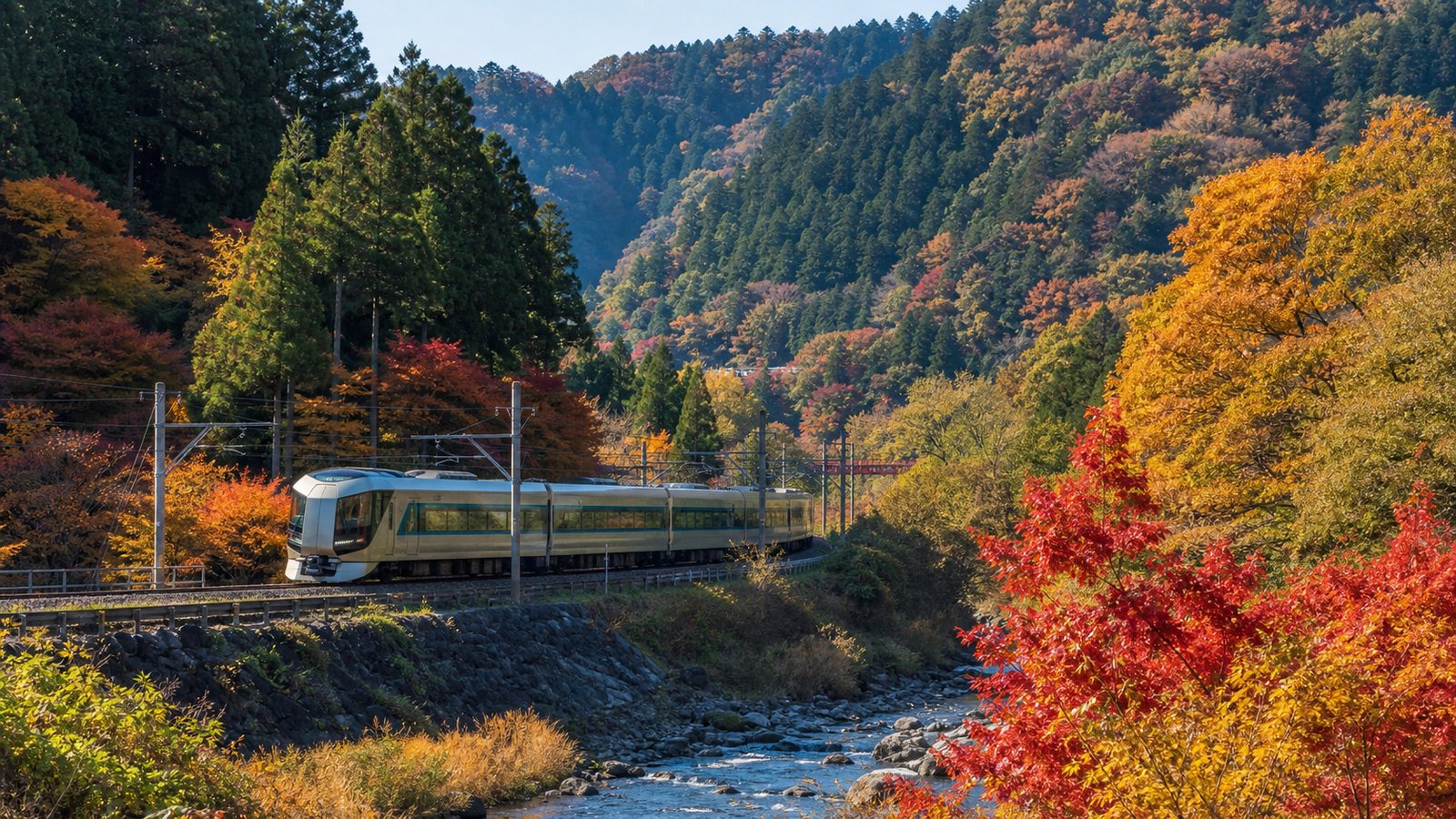
Nikko’s foliage peaks in stages. Lake Yunoko, Ryuzu Falls, Lake Chuzenji, Irohazaka, and the World Heritage shrines and temples sit at different elevations. Their colors move through the season at different times, while the buses to Okunikko share the same mountain road as cars.
Choose the elevation showing color on your date, then decide how much traffic risk you can accept. That choice is more useful than listing famous sights and trying to fit them into one day.
For a first visit in fall 2026, choose either central Nikko or one Okunikko zone as the primary objective. Use Tobu from Asakusa when a NIKKO PASS fits your route. Use JR via Utsunomiya when you already hold a nationwide Japan Rail Pass and want that pass to cover the full rail journey. Reserve a limited-express seat when you use one, check the current bus timetable for your date, and keep a central-Nikko fallback.
One major 2026 change belongs at the top of your plan: Akechidaira Ropeway is closed throughout the 2026 autumn season for a renewal project. The operator gives a scheduled closure from January 16, 2026 through August 31, 2027, with a possible extension. Remove ropeway itineraries copied from older guides.
- Quick answer: the low-friction Nikko autumn plan
- When will Nikko’s autumn leaves peak in 2026?
- How to get from Tokyo to Nikko: Tobu or JR?
- Which Nikko pass should you buy in 2026?
- The crowd plan: separate rail crowds from road congestion
- Three workable Nikko autumn itineraries
- How to use trains and buses on the day
- Plan B for late color, rain, traffic, or a late start
- Your 48-hour and same-morning checklist
- FAQ
- What is the best time for Nikko autumn leaves in 2026?
- Is a Nikko day trip from Tokyo realistic in autumn?
- Which train is easiest from Tokyo to Nikko?
- Does the NIKKO PASS include the limited express?
- Which Nikko pass covers Lake Chuzenji?
- Can I use the Japan Rail Pass to reach Nikko?
- How early should I go to Okunikko in autumn?
- Is Akechidaira Ropeway open in autumn 2026?
- Do buses avoid the Irohazaka traffic jam?
- Sources and update note
Quick answer: the low-friction Nikko autumn plan
If you want the shortest decision path, use this:
- For late September to mid-October color: consider Lake Yunoko or another Okunikko stop, with an overnight stay when possible.
- For mid- to late October color: consider Lake Chuzenji or Ryuzu Falls, but make one upper area the day’s main objective.
- For early to mid-November color: choose the World Heritage shrines and temples in central Nikko.
- From Asakusa without a JR pass: use Tobu; add a separate reserved-seat limited-express ticket if you want the faster train.
- For central Nikko: consider the ¥3,000 NIKKO PASS world heritage area.
- For Lake Chuzenji or Okunikko: use the ¥8,000 four-day, wider-area NIKKO PASS if its covered travel fits your trip.
- On autumn weekends: avoid putting an Irohazaka ascent inside the official 9:00–15:00 congestion window when your schedule allows.
- Before leaving Tokyo: check dated foliage evidence, the live bus-location page, weather, and current transport notices.
One action now: choose central Nikko, Lake Chuzenji, or Okunikko as your primary zone. The correct train, pass, departure time, and Plan B follow from that choice.
When will Nikko’s autumn leaves peak in 2026?
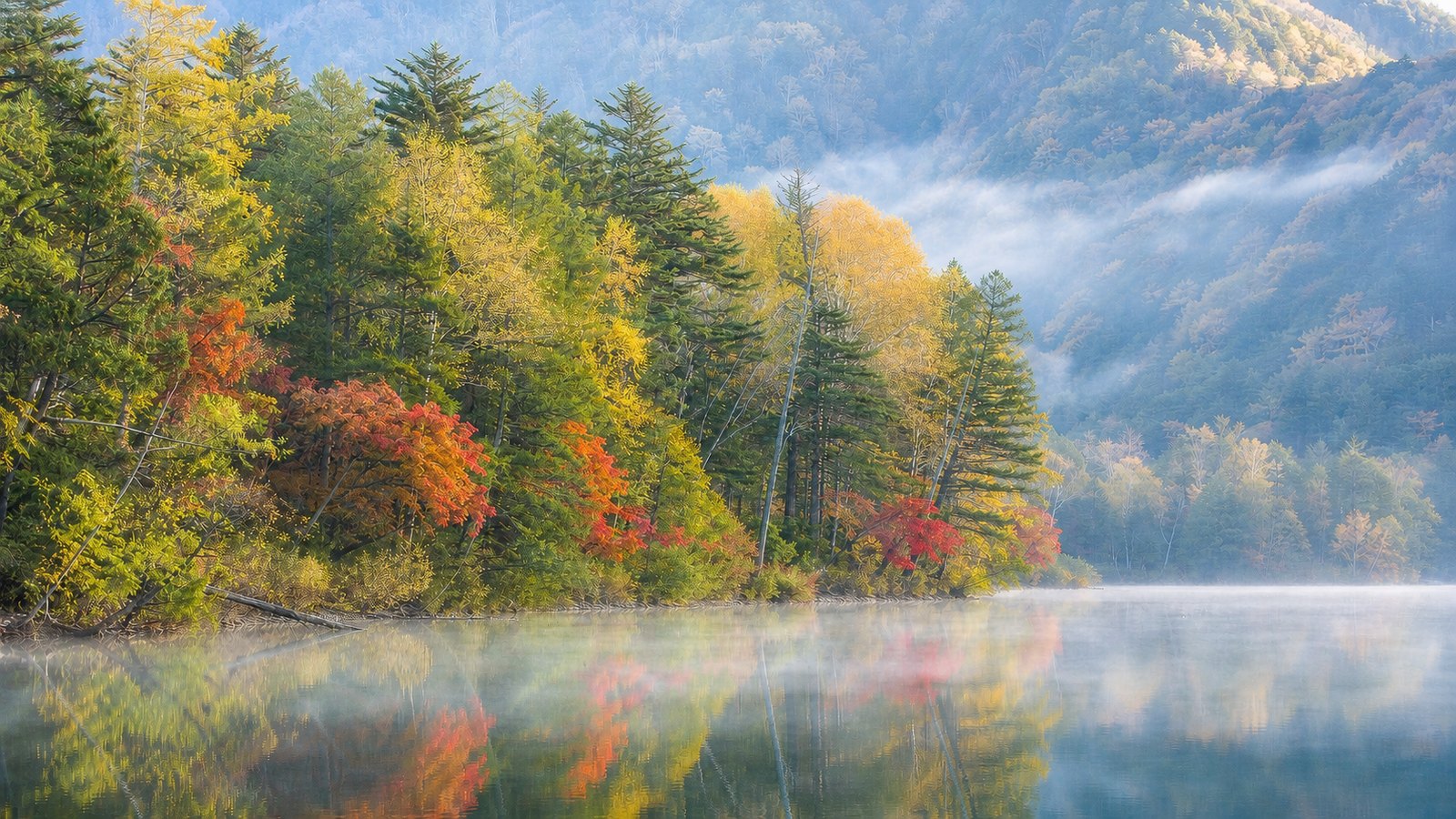
The official Nikko tourism FAQ describes a broad citywide viewing season from late September through late November. That span is useful because Nikko covers a large area. Different stops do not hold strong color for the full two months.
Use the official usual windows as a planning ladder:
| Area | Usual foliage window in official guidance | Planning meaning |
|---|---|---|
| Lake Yunoko | Late September to mid-October | Early-season, high-elevation option; long bus ride from the stations |
| Ryuzu Falls | Around early October in the city FAQ; September–October on the English destination page | Early Okunikko color; pair with one nearby stop, not a long list |
| Lake Chuzenji | Mid- to late October | Strong day-trip target, but Irohazaka traffic can dominate the schedule |
| Irohazaka | Mid-October to early November | Scenic road and major congestion point; buses share the road |
| World Heritage shrines and temples | Early to mid-November | Later, lower-elevation plan with less dependence on Irohazaka |
These are seasonal patterns, not a fixed 2026 forecast. Temperature, rain, wind, and storm damage can shift or shorten the display. A broad travel article published months ahead cannot tell you which trees will look good on a particular morning.
Use a four-stage check:
- When booking: select a zone that matches the usual window and keep one later- or lower-elevation alternative.
- Three to seven days before: review the official Nikko autumn FAQ, then compare recent dated foliage reports or photos for your target zone.
- Forty-eight hours before: check the 2026 Nikko congestion page, weather, and transport notices.
- On the morning: check live bus positions and decide whether to keep the upper-area plan or switch to central Nikko.
If Nikko’s mountain colors do not match your date, compare the Tokyo Autumn Leaves 2026 guide or the Mt. Takao Autumn Leaves 2026 plan rather than forcing a long day trip for weak conditions.
How to get from Tokyo to Nikko: Tobu or JR?
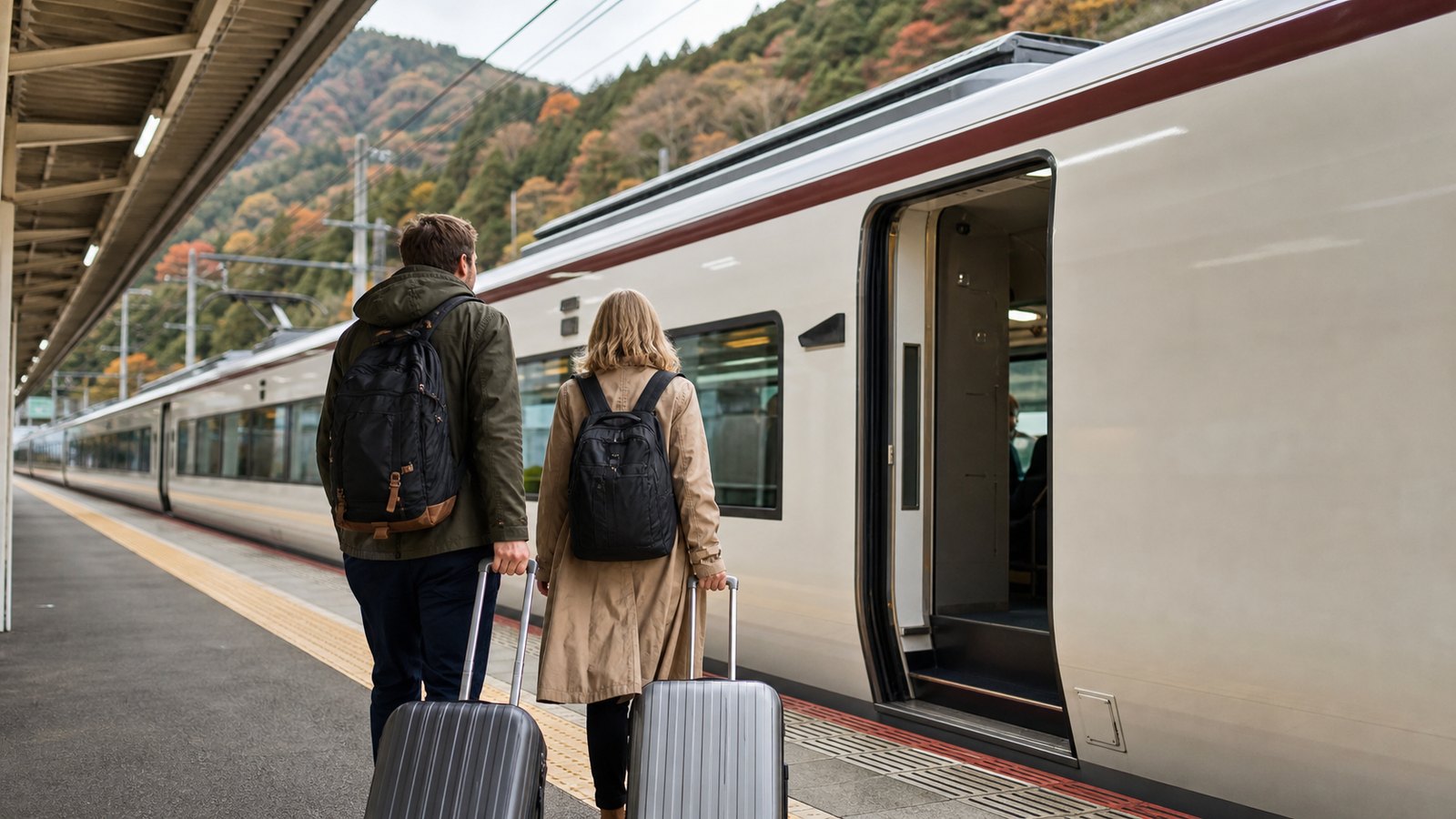
Both routes work. The practical difference is where you start, which pass you already hold, and whether you want a direct reserved-seat train.
| Route | Fits this traveler | Ticket point | Main tradeoff |
|---|---|---|---|
| Tobu limited express from Asakusa | No JR pass; staying near Asakusa, Ueno, or east Tokyo; considering a NIKKO PASS | Standard fare or NIKKO PASS plus a limited-express reserved-seat ticket | Direct service; the limited-express surcharge is separate |
| Tobu local/rapid services from Asakusa | Budget matters more than time | Standard fare or NIKKO PASS | Official guidance says the journey adds about an hour compared with limited express |
| JR from Tokyo/Ueno via Utsunomiya | You already hold a nationwide Japan Rail Pass | Shinkansen to Utsunomiya, then JR Nikko Line | The nationwide pass covers the rail trip; you transfer once and pay local bus fares as a separate cost |
| Direct JR–Tobu limited express from Shinjuku | Staying in west Tokyo; direct train timing works | Coverage depends on the exact JR or JR East pass | Convenient, but the private-railway segment can require an extra fare |
Tobu from Asakusa: the simple pass-based route
Tobu’s limited express trains take about two hours from Asakusa to the Nikko area. A passenger needs two ticket components: a standard fare ticket, such as the base travel included in a NIKKO PASS, and a separate limited-express reserved-seat ticket.
Tobu starts selling limited-express tickets at 9:00 one month before the travel date. Fall trains can fill, so choose both the outbound and return before the trip when your date is firm. For the return, leave a generous gap after the bus is due back at Tobu-Nikko Station. Mountain traffic can turn a tight connection into a missed reserved train.
If you are new to Tokyo rail navigation, read the Tokyo Trains Guide 2026 and the Google Maps Japan guide before departure. They explain how to separate the route suggestion, train type, platform, and ticket requirement.
JR via Utsunomiya: useful when the rail pass is already paid for
The Nikko Official Guide states that the nationwide Japan Rail Pass covers the Tokyo or Ueno–Utsunomiya–JR Nikko route. You take a JR shinkansen to Utsunomiya and transfer to the JR Nikko Line.
That rail coverage does not include the Tobu buses used for Lake Chuzenji and Okunikko. It also does not make a Tobu limited express from Asakusa free. The official Japan Rail Pass scope page says private-railway fares and fees are required where a JR train runs onto a non-JR line. For the direct “Nikko” train from Shinjuku, the Kurihashi–Tobu-Nikko section is the private-railway segment.
Some JR East regional passes have broader JR–Tobu direct-service coverage, but the conditions differ. Check the exact pass name and route. Do not treat “JR pass” as one universal product.
Which Nikko pass should you buy in 2026?
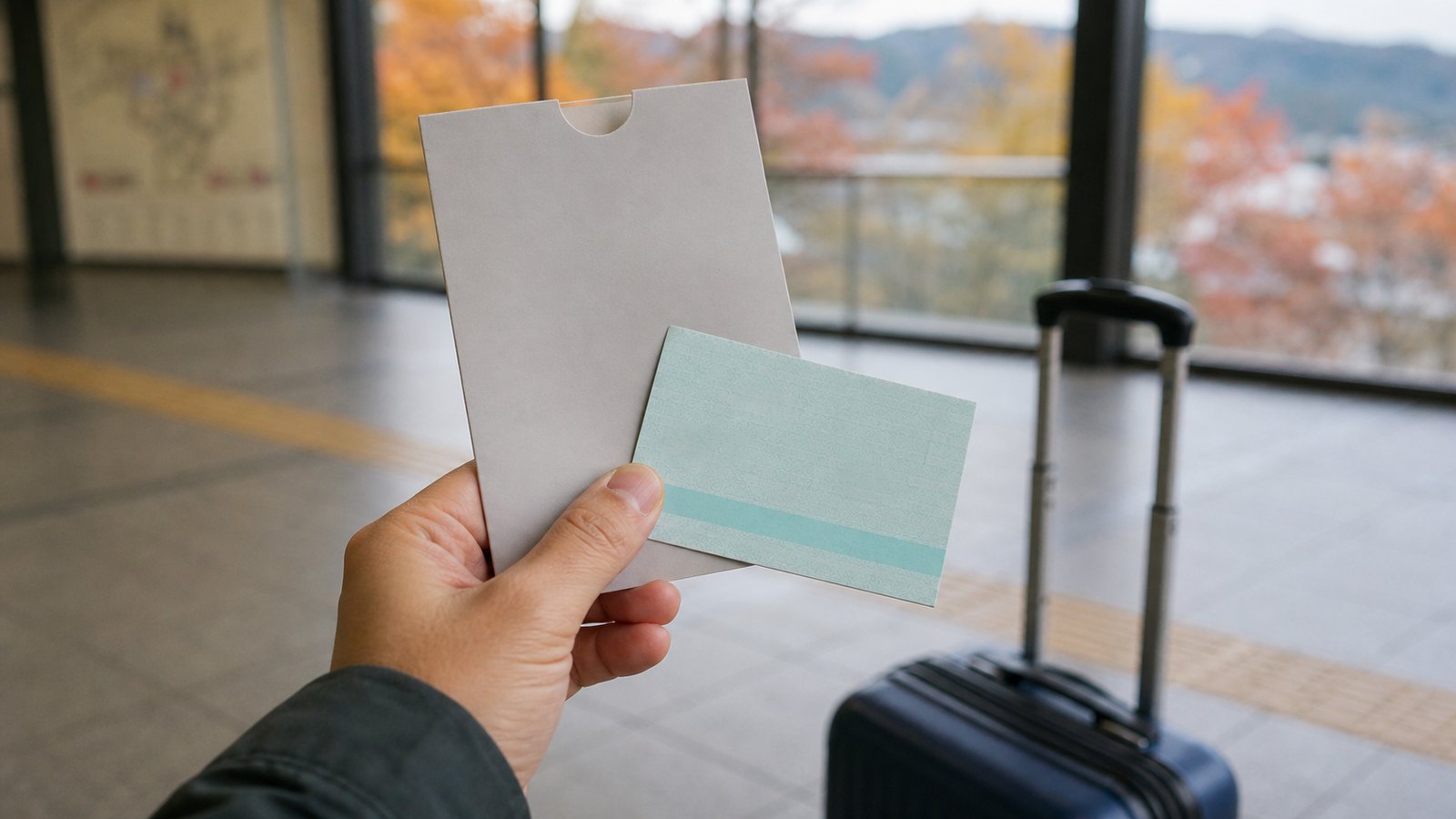
The pass decision becomes easy after you choose your sightseeing zone.
| Pass | Adult / child | Validity | Useful coverage | Does not include |
|---|---|---|---|---|
| NIKKO PASS world heritage area | ¥3,000 / ¥1,500 | 2 days | One round trip between Asakusa and Shimo-Imaichi, Tobu rail in the covered Nikko/Kinugawa section, and Tobu buses within the World Heritage area | Tobu limited-express ticket, shrine and temple admission, buses to Lake Chuzenji and Okunikko |
| NIKKO PASS, four-day wider-area version | ¥8,000 / ¥4,000 | 4 days | One round trip between Asakusa and Shimo-Imaichi, covered Tobu rail, Tobu bus lines in Nikko, and seasonal extras such as the Lake Chuzenji cruise through November 30 | Tobu limited-express ticket, shrine and temple admission |
Prices and coverage above were checked on July 20, 2026 against Tobu’s official pass pages.
Buy the World Heritage Area pass when central Nikko is the plan
This is the focused choice for Shinkyo Bridge, Rinnoji, Toshogu, Futarasan Shrine, and nearby central-Nikko stops. Its bus zone is the World Heritage area. It does not fund an improvised ride up Irohazaka to Lake Chuzenji.
The pass is valid for two days, which can reduce pressure if you stay overnight in central Nikko or Kinugawa. Attraction admission remains separate, so keep that cost outside the pass comparison.
Buy the four-day wider-area pass when the mountain buses matter
Choose the four-day wider-area pass when Lake Chuzenji, Ryuzu Falls, Senjogahara, Lake Yunoko, or Yumoto Onsen is part of the plan. Individual savings depend on the itinerary. Its practical benefit is that the Tokyo base trip and the relevant Nikko bus network sit inside one product.
Its four-day validity fits an overnight or multi-day visit better than a rushed day trip. The pass also includes the Lake Chuzenji sightseeing cruise from mid-April through November 30, subject to operation. Treat the cruise as a bonus after checking the timetable, not as a fixed connection.
Two pass traps to avoid
First, a NIKKO PASS does not include the reserved-seat limited-express ticket. If you board a Tobu limited express, buy that second ticket.
Second, both NIKKO PASS products are sold for foreign travelers; accompanying Japanese nationals can also buy them. Tobu says sales begin one month before travel at specified outlets. Check the official purchase method that fits your phone, payment card, and departure station.
If you use ordinary stored-value travel elsewhere in Japan, see the Suica, PASMO and ICOCA guide. An IC card can be convenient. It does not replace the reserved-seat ticket or recreate a NIKKO PASS bundle.
The crowd plan: separate rail crowds from road congestion
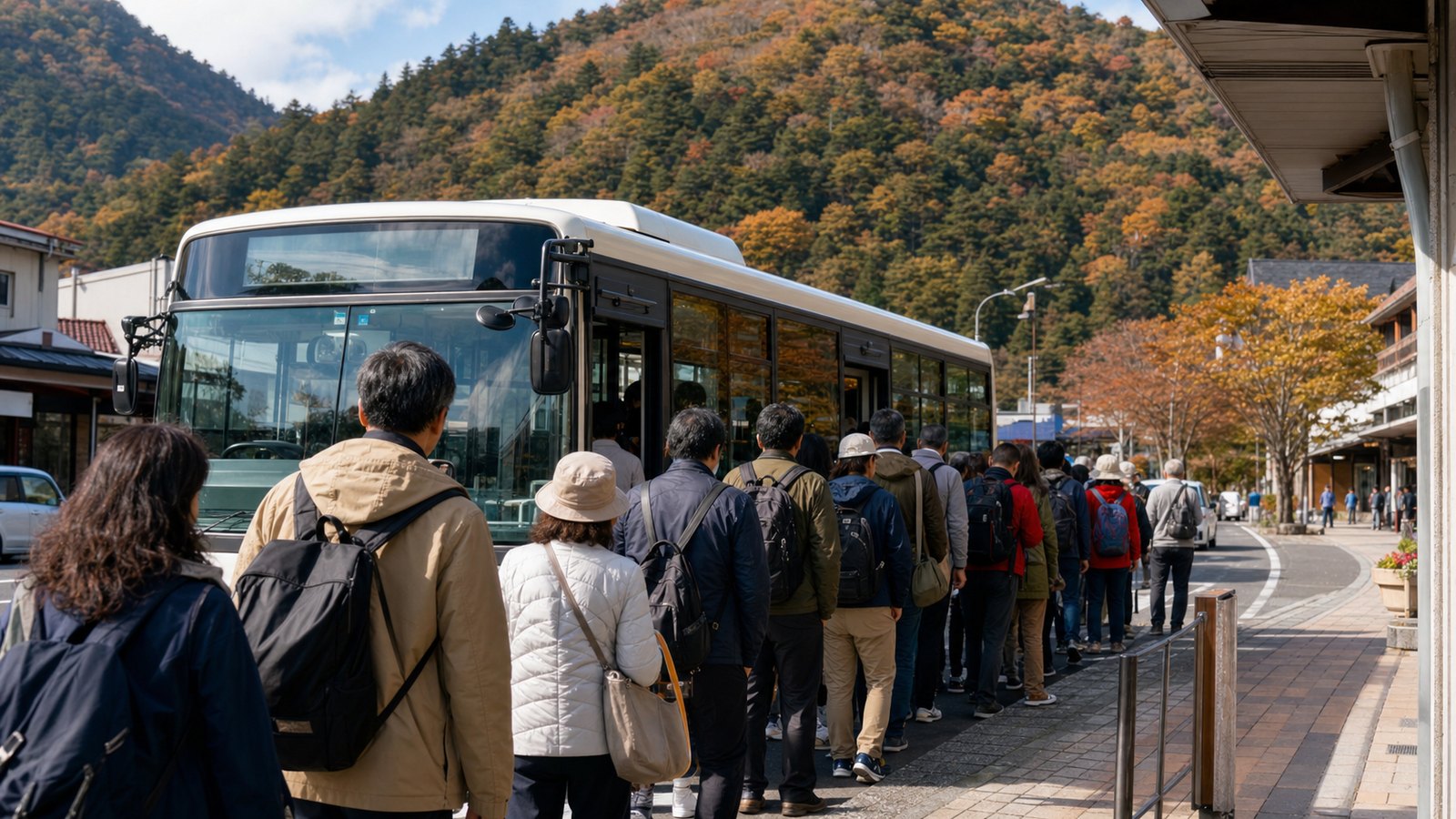
Reaching Nikko by train removes the Tokyo-to-Nikko driving problem. It does not remove Irohazaka congestion. Buses to Lake Chuzenji and Okunikko use the road and can be delayed with other traffic.
Nikko’s official congestion guidance identifies autumn weekends, with the highest risk from mid-October through early November. It lists 9:00–15:00 as the core congested window and says weekend congestion can continue until 17:00. Even weekdays can become congested near peak color.
The official page says an Irohazaka journey that takes about 20 minutes in normal traffic can take three hours in a busy period. It also warns that movement around 14:00–15:00 can exceed three hours. The current 2026 congestion page defines its highest forecast category as more than 120 minutes between the station area and Lake Chuzenji.
Use five controls:
1. Put the first bus before the crowd window
Official guidance says an ascent before 7:00 on a weekend or holiday can face fewer delays. That is difficult from Tokyo on the same morning. For an early Okunikko peak, staying in central Nikko, Lake Chuzenji, or Yumoto the night before can be more useful than buying a faster Tokyo train.
2. Do not combine the full famous-stop list
Central shrines, Lake Chuzenji, Ryuzu Falls, Senjogahara, and Lake Yunoko form a chain on a map. They are not a reliable checklist in peak traffic. Pick one primary zone and one nearby secondary stop.
3. Treat the return bus as the fragile connection
The outbound limited express is predictable when the rail line operates to schedule. The mountain return bus is exposed to road delay. Protect the last train you care about with a large buffer, and know which later train you could use.
4. Use live bus positions, not timetable confidence
Nikko’s official 2026 congestion page links to Tobu Bus’s live vehicle-location service. The timetable tells you what should run; the live page helps you see what traffic is doing now.
5. Walk within central Nikko when the short bus corridor stalls
The station-to-World-Heritage corridor can also slow. If weather, luggage, and mobility allow, walking part of central Nikko may be more predictable than waiting for a crowded short bus ride. Check the distance and gradient before committing; the approach rises toward the shrine area.
Three workable Nikko autumn itineraries
Plan 1: Central Nikko, early to mid-November
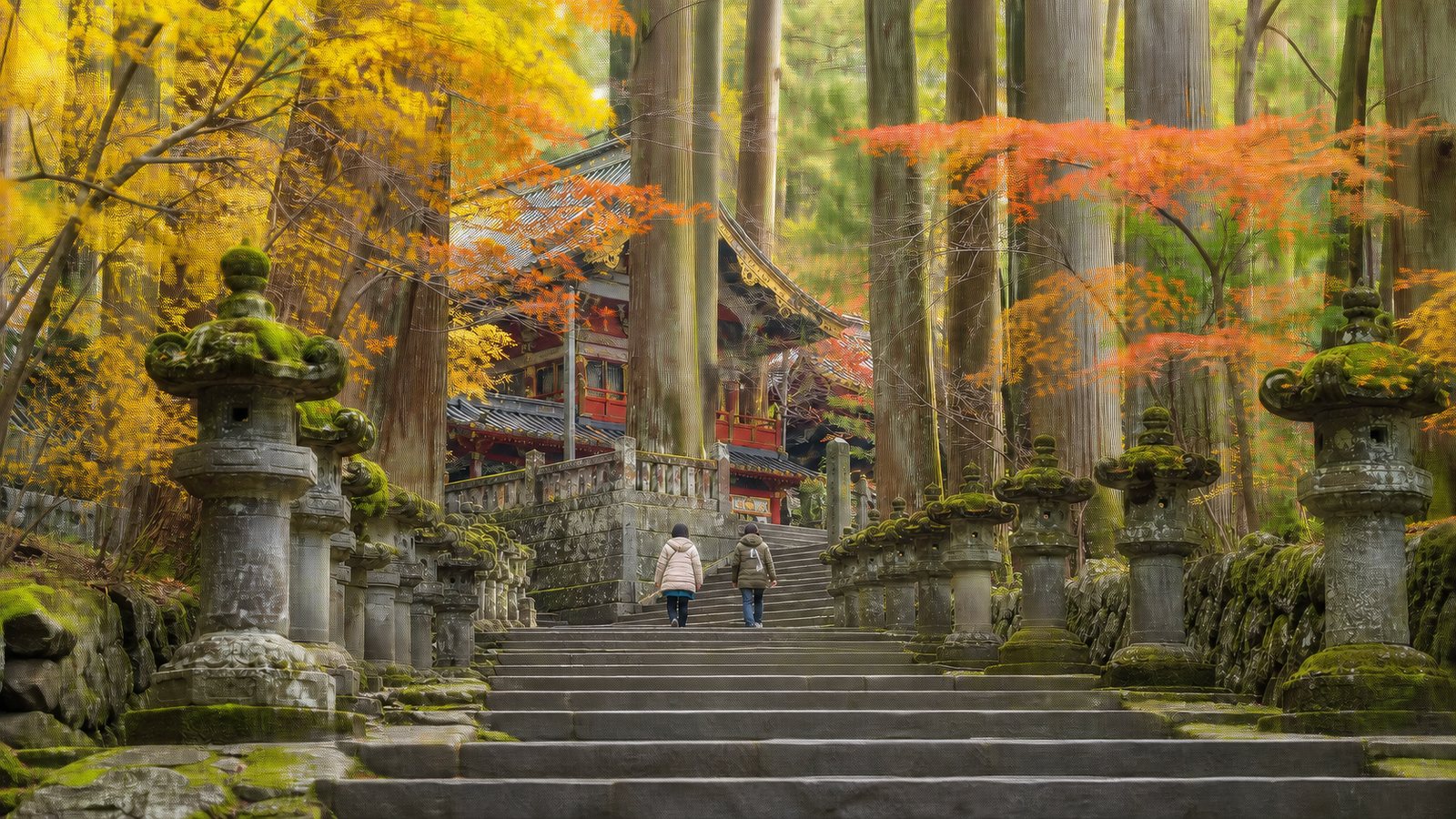
Use this if: the World Heritage area has current color, you want cultural sights, or Okunikko traffic looks poor.
- Travel from Asakusa by Tobu or from Tokyo/Ueno via JR.
- Use the World Heritage Area pass if its train and bus coverage match your route.
- Start with Shinkyo and the shrine-temple area before the midday concentration.
- Choose a limited number of paid interiors rather than racing through each gate.
- Eat before or after the densest lunch period.
- Walk toward the station when the road is slow and your group is comfortable with the distance.
- Keep the return train reservation, but leave time for food, shopping, and a delayed local transfer.
This plan has the lowest dependence on Irohazaka. It is also the cleanest fallback when high-elevation foliage has finished or mountain weather is poor.
Plan 2: Lake Chuzenji and Kegon Falls, mid- to late October
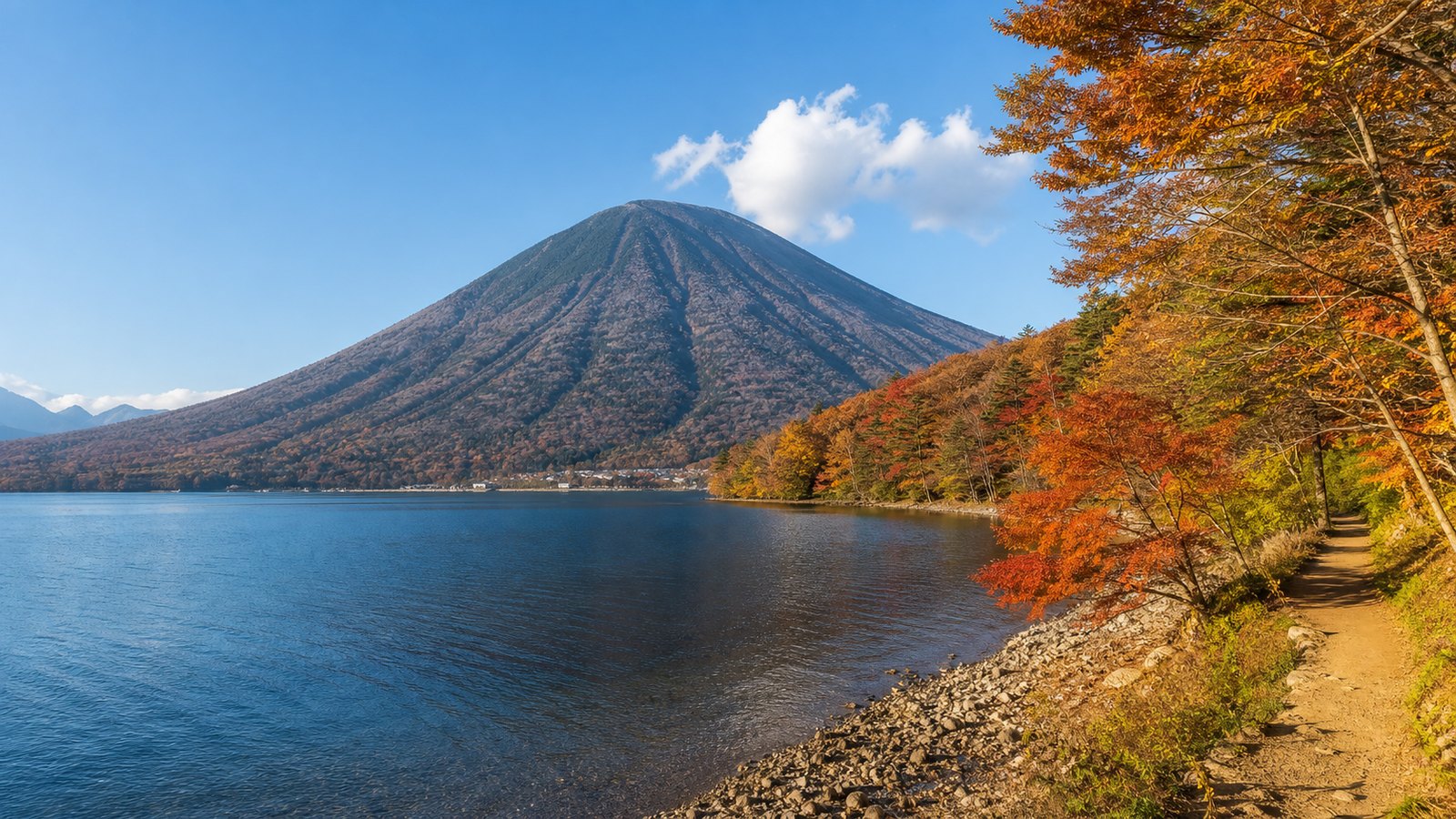
Use this if: current evidence shows color around Lake Chuzenji and you accept road-delay risk.
- Use the four-day wider-area pass when traveling from Asakusa and using the covered buses.
- Reach the Nikko station area early enough to board an early bus uphill.
- Make Lake Chuzenji and Kegon Falls the primary pair.
- Add a cruise or short lakeside walk when the live situation and timetable support it.
- Skip the World Heritage complex when the return bus reaches central Nikko late in the day.
- Start the return with a large rail buffer.
Do not include Akechidaira Ropeway. It is closed for the entire 2026 foliage season. A stop copied from an older itinerary can cost time without delivering the expected attraction.
Plan 3: Okunikko overnight, late September to mid-October
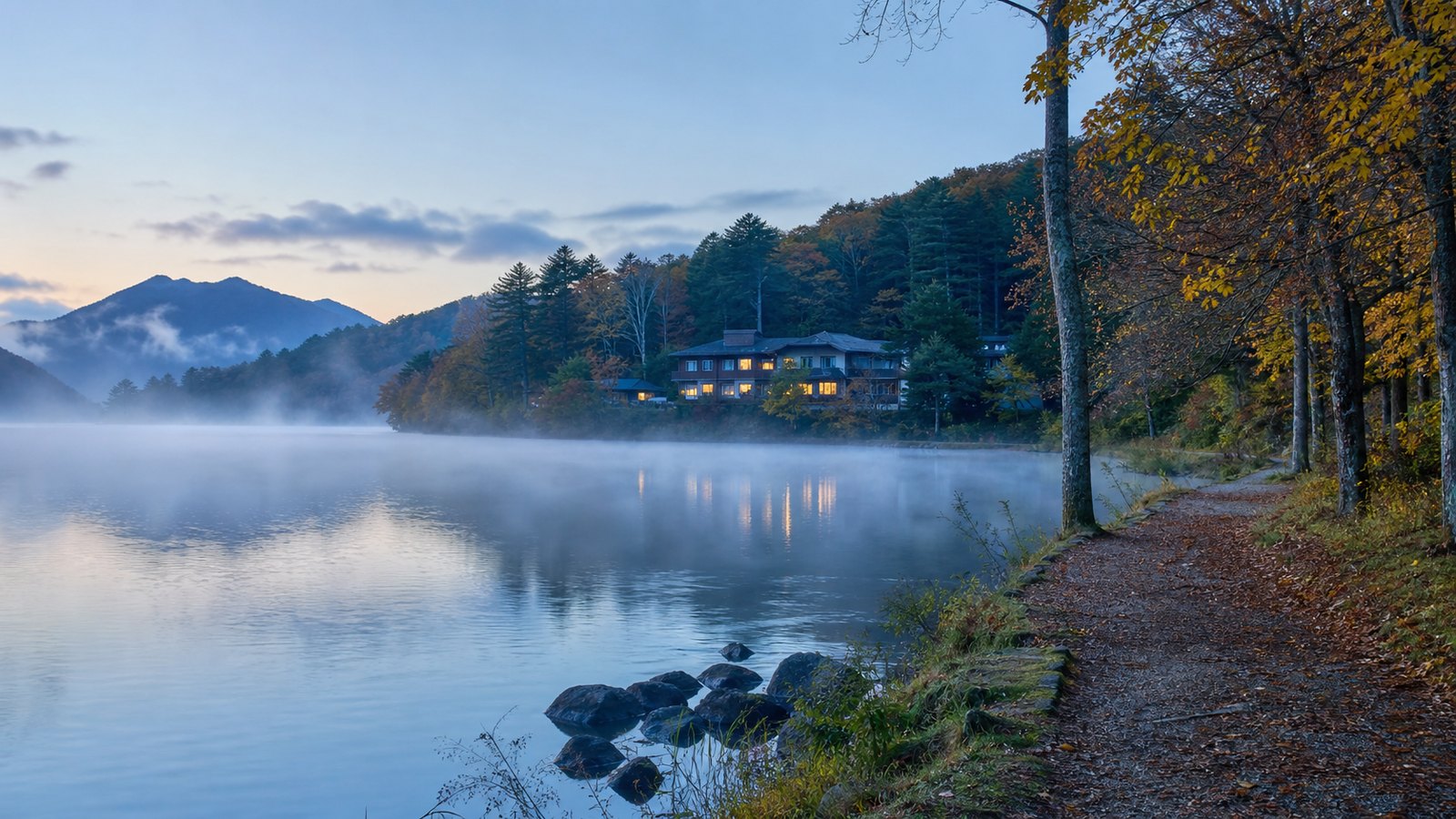
Use this if: Lake Yunoko, Ryuzu Falls, or nearby high-elevation foliage is the priority.
- Travel to Nikko the previous day.
- Stay in Lake Chuzenji, Yumoto Onsen, or another base that fits the chosen zone.
- Use an early local bus or start from the lodging area before day-trip traffic builds.
- Choose one compact combination: Lake Yunoko and Yumoto, or Ryuzu Falls and a nearby walk.
- Check the final bus and daylight before beginning any trail.
- Return to central Nikko or Tokyo after the mountain objective is complete.
The official Lake Yunoko page gives about 90 minutes by bus from Nikko or Tobu-Nikko Station in ordinary conditions. Peak congestion can make a same-day Tokyo plan much longer. An overnight does not guarantee an empty road, but it gives you access to earlier hours that a Tokyo departure cannot reach.
How to use trains and buses on the day
Build the day from current train, bus, weather, and foliage confirmations. A route screenshot saved months earlier cannot show today’s delay or color.
At Asakusa
Confirm that you have both the base-fare product and the limited-express ticket. Check the train name, departure time, car, and seat. A NIKKO PASS by itself does not authorize a limited-express seat.
At Tobu-Nikko or JR Nikko Station
The two stations are close but separate. Know which station your return train uses. For Okunikko, identify the bus destination, stop number, and the latest timetable issued for your date. An old PDF can remain indexed after its validity period ends.
On the mountain bus
Keep the pass or fare method accessible. Follow stop displays and announcements, and use the stop button in time. If the bus is delayed, update the return decision before reaching the final attraction.
Before descending Irohazaka
Check live bus locations and road conditions. If several buses appear compressed together or stationary, assume the published arrival estimate has weakened. Move the return earlier instead of hoping the reserved train will wait.
At the Tokyo-bound train
Allow time to locate the correct platform and car. If you used JR one way and Tobu the other, verify the departure station. If a disruption affects the plan, ask staff about the ticket you hold rather than assuming another operator will accept it.
Plan B for late color, rain, traffic, or a late start
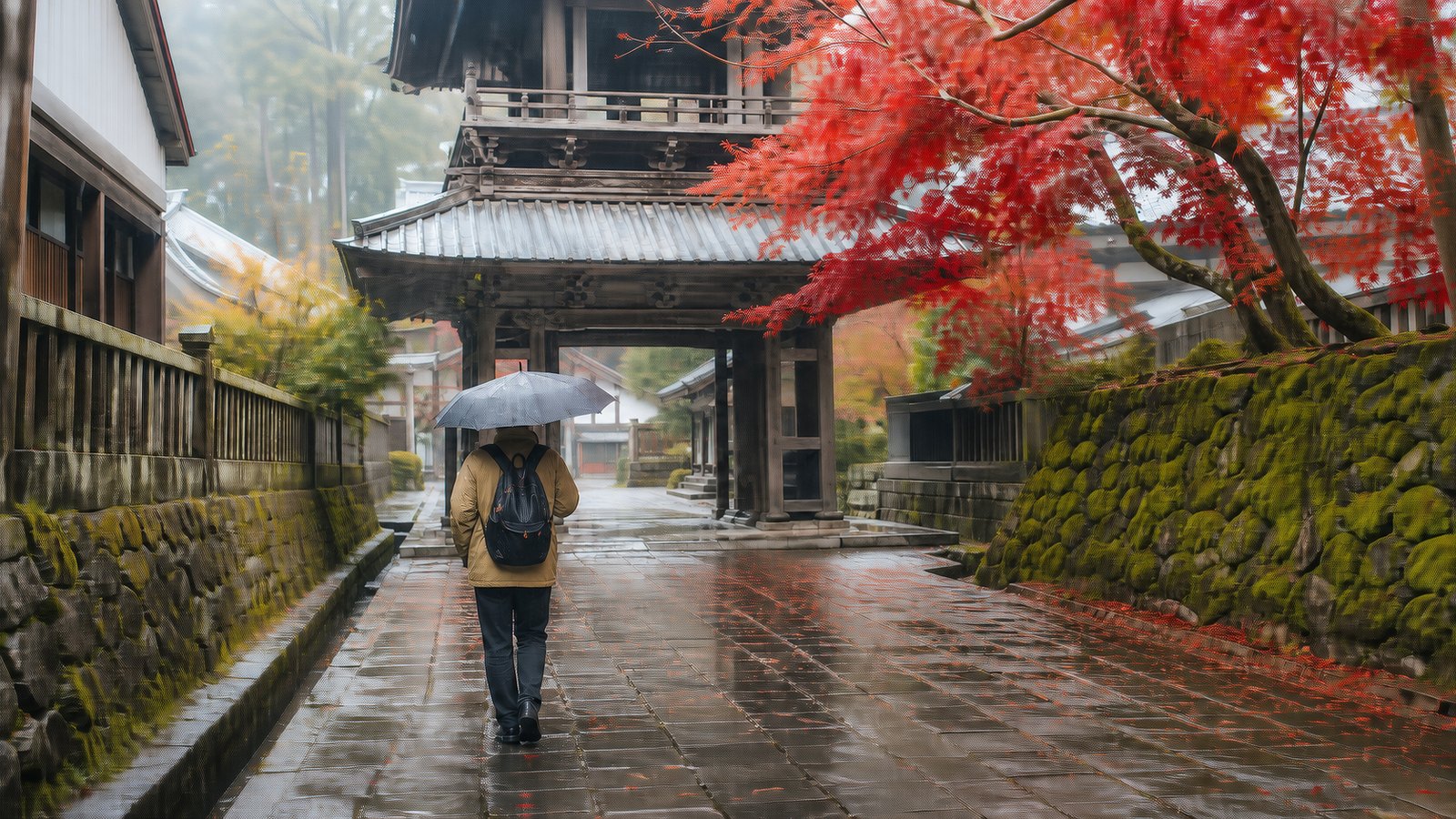
A useful Plan B changes the objective while the trip still feels intentional.
If Okunikko color is finished
Move down in elevation. Lake Chuzenji may still have usable color after Lake Yunoko, and central Nikko can follow later. Use dated official updates instead of repeating the same mountain target.
If high-elevation color has not started
Make the day about the lake, waterfall, shrine culture, or an easy walk rather than promising yourself peak leaves. If foliage is the core purpose, move Nikko to another date or use a Tokyo alternative.
If steady rain or strong wind is forecast
Shorten the outdoor chain. Central Nikko offers cultural stops and food with less mountain-road commitment, though the shrine area still involves outdoor walking and steps. Wear shoes with grip and carry a compact rain layer.
If live congestion is already severe
Skip a long bus ride when live congestion is severe, even when the pass covers the fare. Stay in central Nikko, focus on the World Heritage area, and keep the upper zone for another day. The ride can consume the rest of the schedule.
If you reach Nikko late
Use central Nikko. Starting for Lake Chuzenji after heavy congestion has formed creates a fragile return and little usable daylight. A smaller coherent visit is better than a bus window followed by a rushed photograph.
If an old guide tells you to ride Akechidaira Ropeway
Remove that step. Nikko Kotsu states that service stopped after January 15, 2026 and is scheduled to resume in September 2027 after renewal work. The 2026 autumn view from the ropeway is not available.
For wider bad-weather decisions during a Japan trip, verify official warnings and the relevant transport operator’s notices before committing to a long outdoor day.
Your 48-hour and same-morning checklist
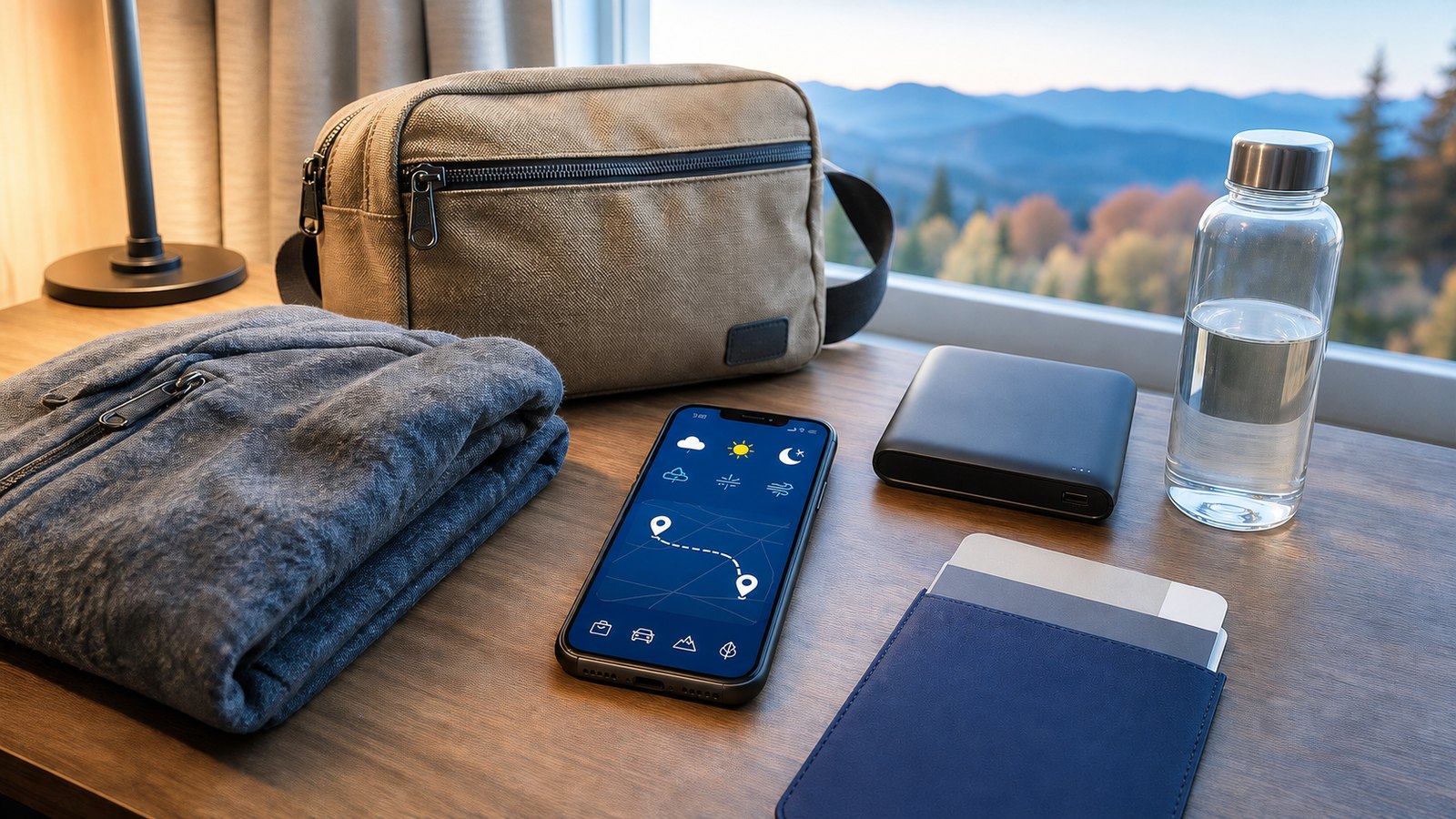
Forty-eight hours before
- Open the official Nikko autumn FAQ for the broad viewing window, then choose a zone after checking recent dated conditions.
- Open the 2026 congestion page and check whether an updated autumn forecast calendar or special measure has been posted.
- Check the current Tobu or JR service notices.
- Open the current Tobu Bus timetable for your date; reject PDFs labeled for another year or validity period.
- Check weather for Nikko, Lake Chuzenji, or Yumoto rather than central Tokyo alone.
- Confirm outbound and return train reservations.
- Save your primary plan and central-Nikko Plan B.
The same morning
- Recheck weather and warnings.
- Check train status before leaving your accommodation.
- Check Tobu Bus live positions before committing to Okunikko.
- Decide whether the day is central Nikko, Lake Chuzenji, or Okunikko.
- Carry a warm layer, water, a compact snack, and a charged phone.
- Tell your group the return decision time, not just the return train time.
The measurable action is simple: open one official train/pass page and one current foliage or congestion page for your travel date. That turns a generic autumn wish into a usable Nikko plan.
FAQ
What is the best time for Nikko autumn leaves in 2026?
There is no single peak for the whole area. Official guidance places Lake Yunoko around late September to mid-October, Lake Chuzenji around mid- to late October, and the World Heritage shrines and temples around early to mid-November. Check current dated evidence near your trip.
Is a Nikko day trip from Tokyo realistic in autumn?
Yes, when you choose central Nikko or one upper-area zone. Trying to combine the World Heritage complex, Lake Chuzenji, Ryuzu Falls, and Yumoto in peak traffic makes the schedule fragile.
Which train is easiest from Tokyo to Nikko?
Tobu limited express from Asakusa is a straightforward direct choice for travelers without a JR pass. The JR route from Tokyo or Ueno via Utsunomiya is useful when a nationwide Japan Rail Pass is already active.
Does the NIKKO PASS include the limited express?
No. Tobu requires a standard fare ticket or NIKKO PASS plus a separate limited-express reserved-seat ticket.
Which Nikko pass covers Lake Chuzenji?
The four-day wider-area NIKKO PASS covers Tobu bus travel to Lake Chuzenji and Okunikko within its validity area. The World Heritage Area pass covers buses in the central World Heritage zone, not the mountain bus ride to Lake Chuzenji.
Can I use the Japan Rail Pass to reach Nikko?
Yes. The nationwide Japan Rail Pass covers the JR route from Tokyo or Ueno via Utsunomiya to JR Nikko. It does not cover local Tobu buses, and the private Tobu section of a direct JR–Tobu train can require an extra fare.
How early should I go to Okunikko in autumn?
Official congestion guidance says an ascent before 7:00 on weekends and holidays can face fewer delays. Reaching that hour from Tokyo is difficult, so an overnight in Nikko or Okunikko is worth considering during peak color.
Is Akechidaira Ropeway open in autumn 2026?
No. The operator schedules a long closure from January 16, 2026 through August 31, 2027 for renewal work, with a possible extension. Older itineraries that include the ropeway are not valid for autumn 2026.
Do buses avoid the Irohazaka traffic jam?
No. Public transport removes the need to drive and park, but buses use the same mountain road and can be delayed. Check live bus positions and protect the return train with a large buffer.
Sources and update note
Operational facts were checked on July 20, 2026 against Tobu Railway’s NIKKO PASS page, World Heritage Area pass, and limited-express purchase guide; the Nikko Official Guide transport page; the official Nikko autumn FAQ; the 2026 congestion page; the Irohazaka congestion guide; the Japan Rail Pass scope page; and the Nikko Kotsu Akechidaira closure notice.
Exact 2026 peak dates are not treated as fixed. At the time of checking, the official 2026 congestion calendar visible on the tourism page covered spring and summer rather than the fall peak. Foliage, special traffic controls, timetables, prices, and service status can change. Recheck the official pages before travel.
Comments