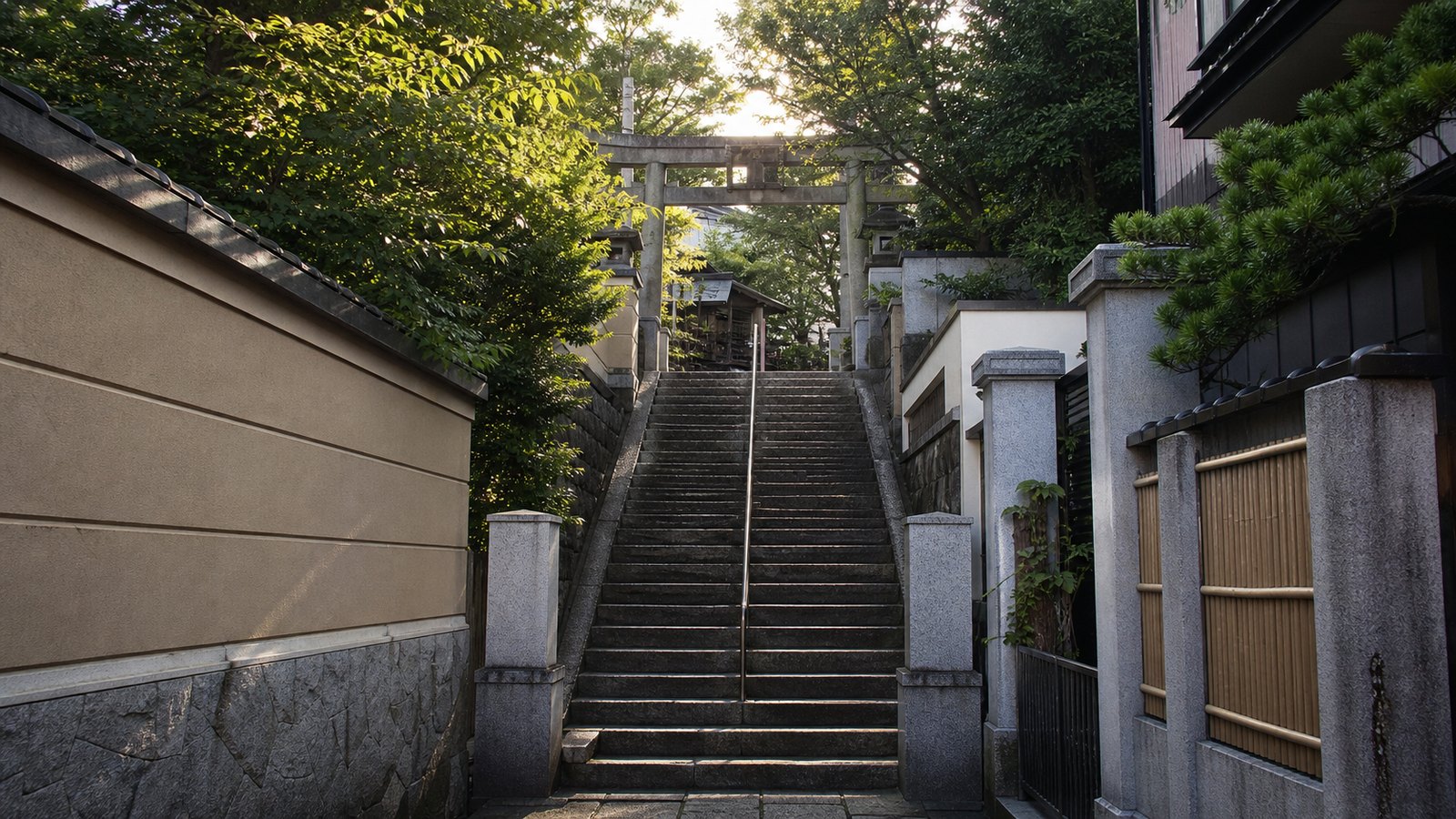
If you want to trace Your Name in Japan, start in Tokyo for the emotional final-scene locations, then add Hida-Furukawa in Gifu Prefecture if you want the quieter rural side of the film.
The easiest Tokyo route is Yotsuya and Shinanomachi for Suga Shrine, the staircase, and nearby city views. The full route adds the National Art Center, Tokyo, the Shinjuku Gyoen area, and a separate trip to Hida-Furukawa, where fans can visit Hida-Furukawa Station, Hida City Library, old town streets, and countryside stops connected to Taki’s search for Itomori.
- Quick Answer
- The Travel Problem This Guide Solves
- Before You Go: Direct Location, Fan Location, or Inspiration?
- Recommended Route for First-Time Visitors
- Tokyo Locations
- Hida-Furukawa and Gifu Locations
- Optional Side Trip: Lake Suwa and the Itomori Question
- Suggested Itineraries
- Transport Tips
- Where to Stay
- Best Seasons
- Pilgrimage Etiquette
- Is the Trip Worth It If You Are Not an Anime Fan?
- Final Recommendation
- Related RJG Guides for Planning This Route
- FAQ
- Can I visit the Your Name locations in one day?
- Where are the famous Your Name stairs?
- Is Itomori a real town?
- Is Hida-Furukawa worth visiting from Tokyo?
- Can I take photos inside Hida City Library?
- Do I need to pay to visit these places?
- What is the recommended season for the route?
- Should I include Lake Suwa?
- Is Cafe La Boheme still worth visiting?
- What is a common mistake fans make?
- About the Author
Quick Answer
For a short Your Name trip, visit Suga Shrine stairs in Yotsuya, Shinanomachi pedestrian bridge, and the National Art Center, Tokyo. This can fit into a half day in Tokyo.
For the full pilgrimage, add one night in Takayama or Hida-Furukawa and spend a day around Hida-Furukawa Station, Hida City Library, Keta Wakamiya Shrine, the Setogawa canal streets, and, as an advanced option, the rural Miyagawa/Ochiai area after checking Hida City public transport and road conditions.
Itomori is fictional. Hida-Furukawa gives you the most practical real-world route connected to the film’s rural scenes, but you should not treat any private home, school, road, or shrine as a movie set.
The Travel Problem This Guide Solves
The hard part of a Your Name pilgrimage is not finding one famous staircase. It is deciding how far to go, how to separate real locations from fan comparisons, and how to visit quiet residential, shrine, library, restaurant, and rural areas without turning them into photo props.
Use this guide as a route-planning tool:
- Move: choose the Tokyo route, the Hida-Furukawa extension, or the advanced countryside detour.
- Manners & Safety: know where quick photos are fine, where quiet behavior matters, and where you should not block paths or enter private areas.
- Plan B: skip rural detours when transport, weather, road status, or time does not work.
If you are based at a hotel, hostel, or Airbnb in Tokyo, the Tokyo half-day route is the easiest low-risk version because you can return to your lodging without moving luggage. If you are already planning Takayama, Shirakawa-go, Kanazawa, Toyama, or Nagoya, Hida-Furukawa becomes much easier to add.
Before You Go: Direct Location, Fan Location, or Inspiration?
Anime pilgrimage guides often mix three different kinds of places:
- Directly recognizable locations: places that appear very close to the screen composition, such as the Suga Shrine staircase and Hida-Furukawa Station area.
- Fan-associated locations: real places widely visited by fans because they connect to a scene, mood, or setting, even if the match is not one-to-one.
- Inspiration or comparison spots: places that resemble Itomori or Shinkai-style scenery but should not be presented as “the real Itomori.”
This guide keeps those categories separate. It makes the trip more honest, and it also helps visitors behave better in small communities.
Recommended Route for First-Time Visitors
If you are staying in Tokyo and do not want to move hotels, do the Tokyo half-day route:
- Yotsuya Station or Yotsuya-sanchome Station
- Suga Shrine stairs
- Suga Shrine
- Shinanomachi pedestrian bridge
- Shinjuku Gyoen / Shinjuku area, if you want the city atmosphere
- The National Art Center, Tokyo in Roppongi/Nogizaka
If you want the complete emotional contrast of the film, use three days:
Day 1: Tokyo, Yotsuya, Shinanomachi, Roppongi, and Shinjuku.
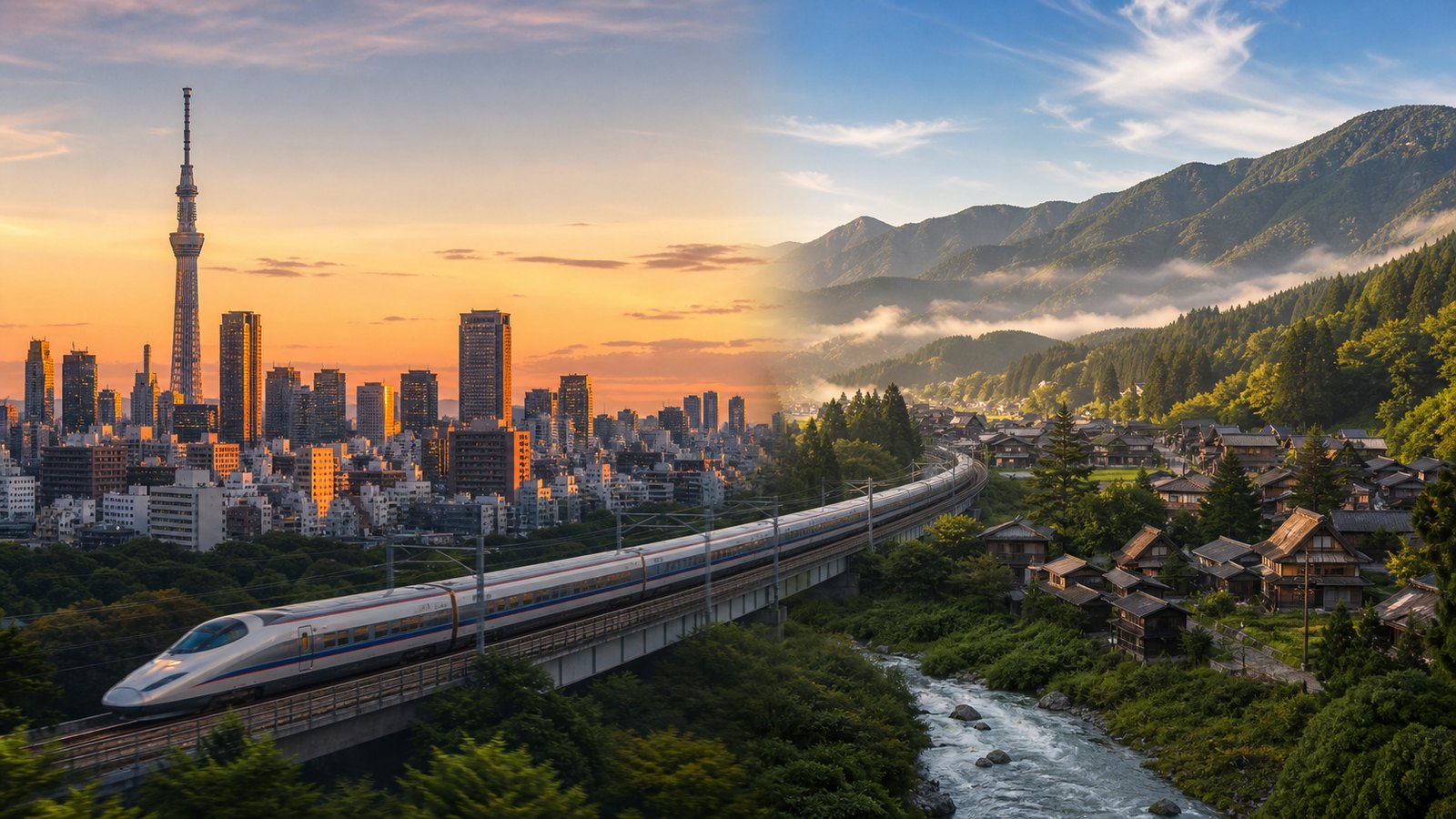
Day 2: Tokyo to Nagoya by Tokaido Shinkansen, then Nagoya to Takayama or Hida-Furukawa by Limited Express Hida. Sleep in Takayama or Hida-Furukawa.
Day 3: Hida-Furukawa pilgrimage route. Return to Nagoya, Tokyo, Kanazawa, or Toyama depending on your wider itinerary.
Tokyo Locations
Suga Shrine Stairs
Suga Shrine stairs in Yotsuya are the most famous Your Name location in Tokyo. This is the staircase fans associate with the final meeting scene.
Closest stations: Yotsuya-sanchome Station, Yotsuya Station, or Shinanomachi Station.
Best time: early morning on a weekday, or late afternoon if you want softer light. The area is residential, so avoid loud filming, tripods, costume shoots that block the path, and long photo sessions on the stairs.
How to photograph it respectfully:
- Stand to the side when people are using the stairs.
- Take a few photos, then move.
- Do not block residents, delivery workers, shrine visitors, or school groups.
- Avoid filming identifiable strangers without consent.
Suga Shrine
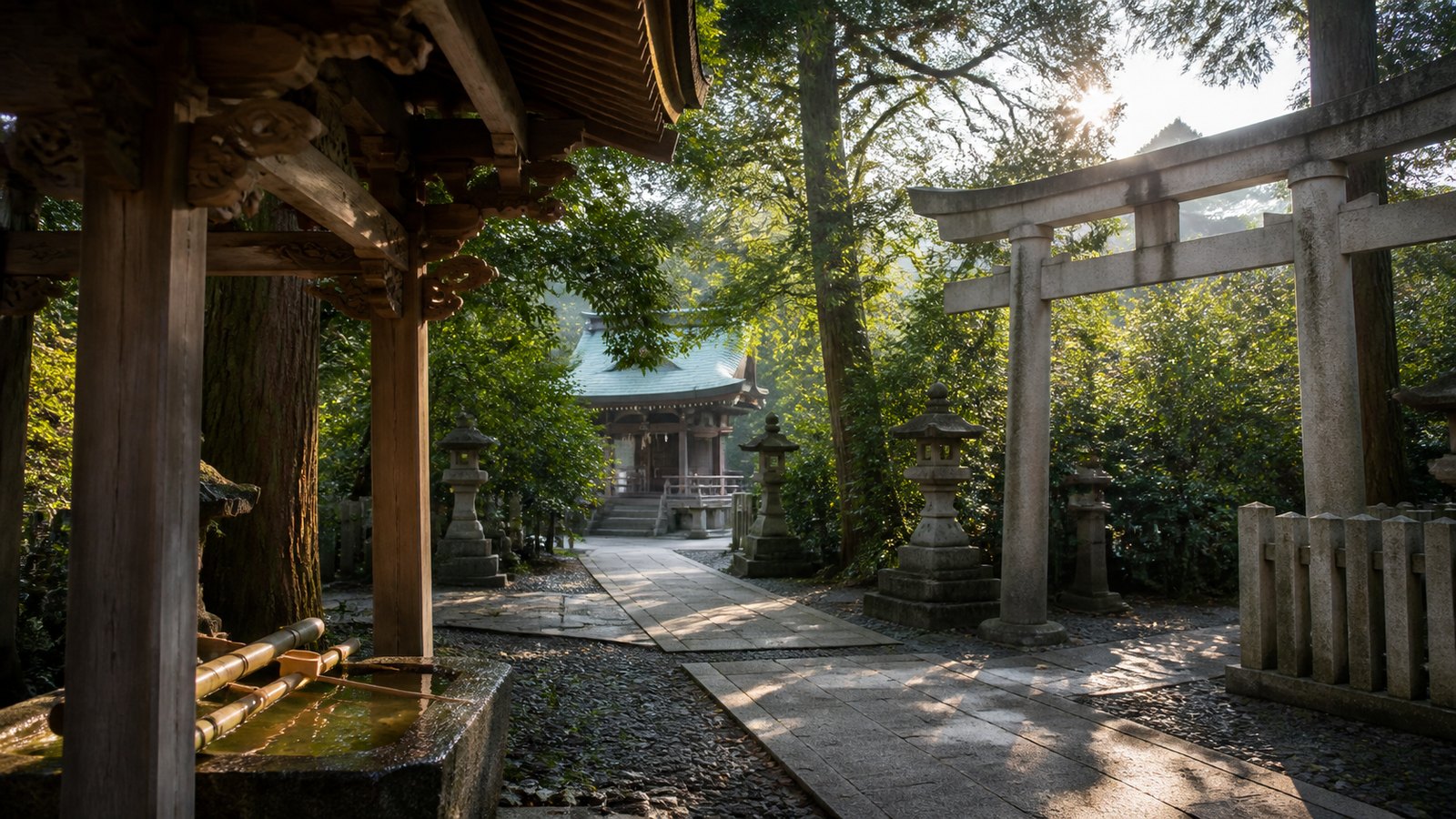
After taking the staircase photo, visit the shrine itself. It is not just a backdrop. Bow lightly at the torii gate, walk calmly, and keep your voice low. If you want to make the stop feel less like a photo hunt, offer a small coin at the prayer box, buy an omamori if the shrine office is open, or simply spend a quiet minute there.
Suga Shrine is a good place to remember the core rule of anime pilgrimage in Japan: the location belongs first to local worshippers and residents, then to fans.
Yotsuya Station Area
Yotsuya is useful as the start of the Tokyo route because it connects Suga Shrine, the final-stairs area, and the train-line atmosphere of central Tokyo. It is also less overwhelming than Shinjuku, so it works well as a calm first stop.
Suggested flow:
- Arrive at Yotsuya Station.
- Walk toward Suga Shrine stairs.
- Continue to Suga Shrine.
- Walk or train toward Shinanomachi.
Do not overbuild this stop. The value is not a single dramatic monument; it is the feeling of ordinary Tokyo streets suddenly becoming emotionally charged because of the film.
Shinanomachi Pedestrian Bridge
The Shinanomachi pedestrian bridge is another classic Tokyo stop for Your Name fans. It gives you the elevated-road, rail-line, and city-background feeling that Makoto Shinkai’s Tokyo scenes use so well.
Closest station: Shinanomachi Station.
Best approach: pair it with Suga Shrine on foot if the weather is good. It is not a long sightseeing stop; 10 to 20 minutes is enough unless you are waiting for a specific light or train view.
Safety note: stay out of bike lanes and road edges. Pedestrian bridges are active public infrastructure, not photo studios.
The National Art Center, Tokyo
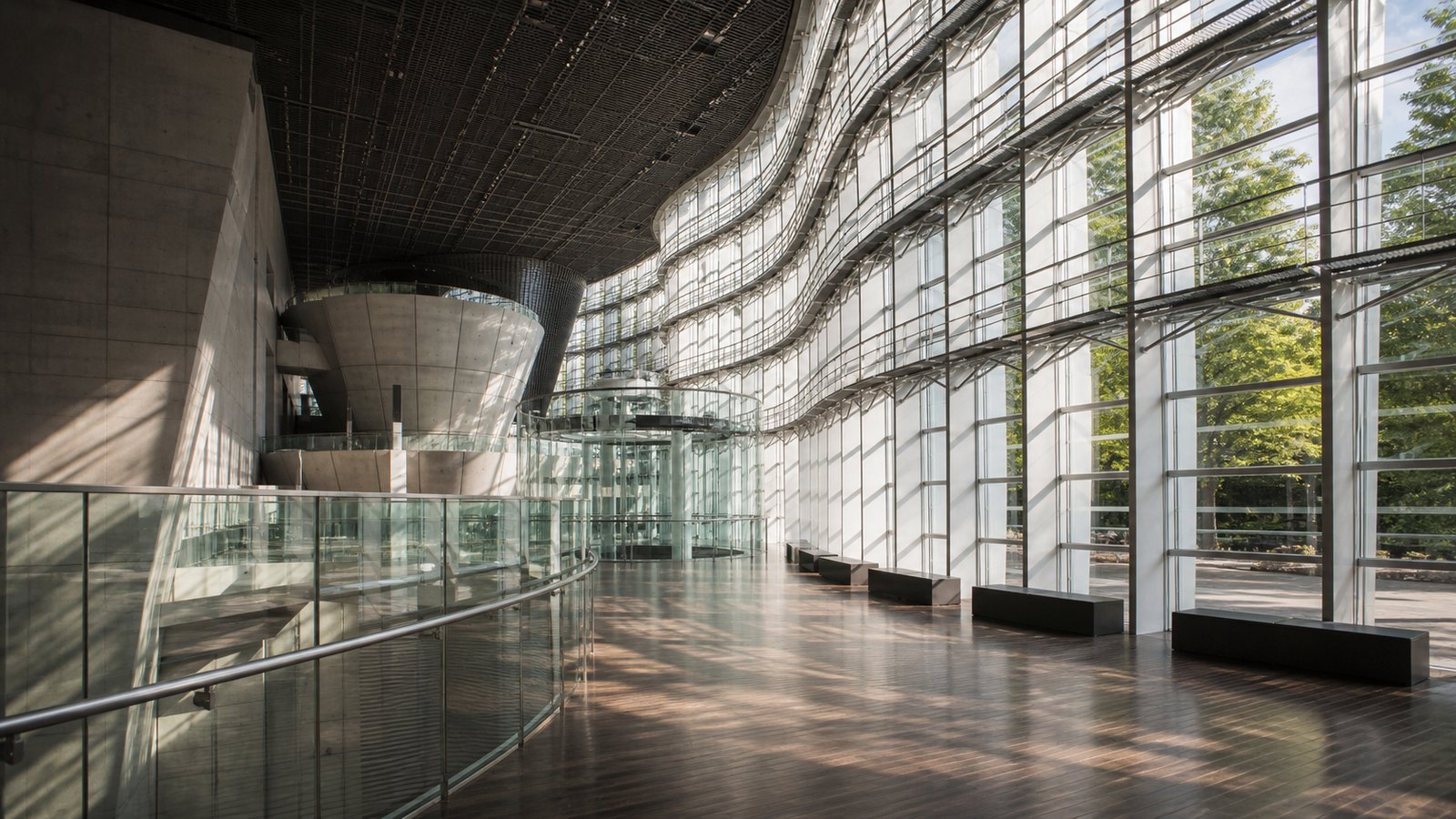
The National Art Center, Tokyo is the Roppongi/Nogizaka museum associated with Taki and Okudera’s date. It is worth visiting even beyond the film because the building itself is spacious, glassy, and visually memorable.
Closest access: Nogizaka Station on the Tokyo Metro Chiyoda Line is directly connected by Exit 6. Roppongi Station is also nearby.
Opening pattern: the museum generally opens from 10:00 to 18:00, with later hours on Friday and Saturday for some exhibitions, and is closed on Tuesday. Exhibition hours and admission can vary, so check the official calendar before you go.
What to do there:
- Visit the atrium and exterior architecture.
- Check current special exhibitions.
- Use the museum as a rest stop between Yotsuya/Shinanomachi and Shinjuku.
- Do not assume a restaurant or cafe seat is available without waiting.
Shinjuku Gyoen and the Shinjuku Gyoen Area
Shinjuku Gyoen is not the final-stairs location, but it is useful on a Your Name and Makoto Shinkai route because it puts you near the Shinjuku skyline, the NTT Docomo Yoyogi Building view, and the restaurant area fans often connect with Taki’s part-time-job scenes.
The garden itself is a paid national garden in Naito-machi, Shinjuku. If you add it, treat it as a Shinkai-Tokyo atmosphere stop rather than a strict scene match.
Good use of time:
- Add it in spring, autumn, or after a busy morning in Yotsuya.
- Skip it if you have just two or three hours.
- Check opening days before going, especially around Mondays and seasonal reservation periods.
Cafe La Boheme Shinjuku Gyoen
Many fans associate Cafe La Boheme Shinjuku Gyoen with Taki’s restaurant workplace. It is an active restaurant, so this is the stop where manners matter most.
Before visiting:
- Check the latest opening hours and reservation options.
- Order normally if you enter.
- Do not photograph staff, guests, or kitchen areas without permission.
- If it is crowded, take the exterior memory and move on.
As checked on June 22, 2026, the official Cafe La Boheme Shinjuku Gyoen page lists weekday hours as 11:30 to 23:30, Saturday/Sunday/holiday hours as 11:00 to 23:30, food last order at 22:30, drink last order at 23:00, weekday lunch from 11:30 to 14:00, and no regular closing day. Hours can still change for holidays or events, so check the official page before making it a meal stop.
This is better as a meal stop than a quick “run in, take a picture, leave” stop.
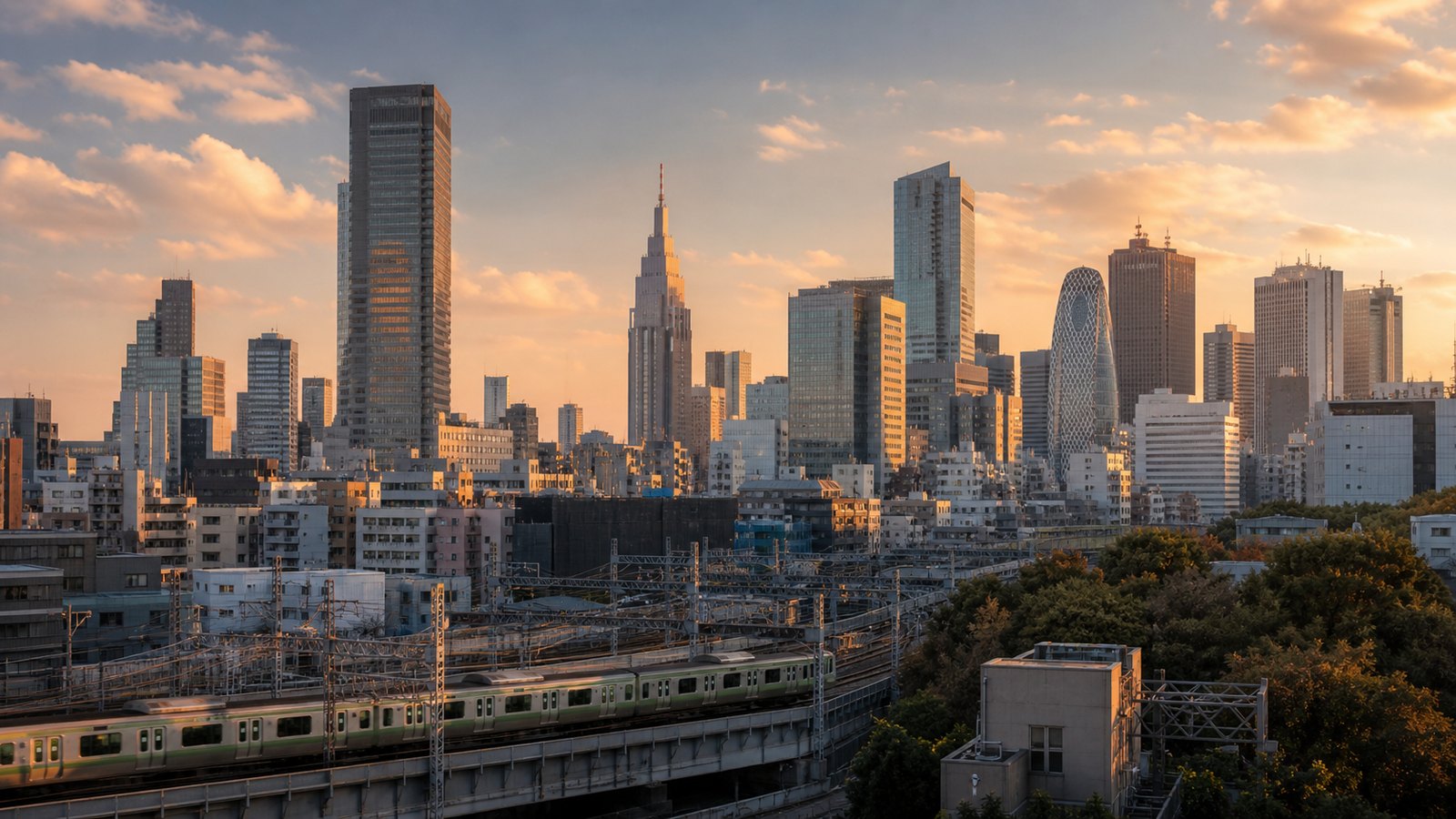
Shinjuku, Yoyogi, and the NTT Docomo Yoyogi Building
The NTT Docomo Yoyogi Building is one of the skyline shapes people associate with Shinkai’s Tokyo. You can see it from several areas around Shinjuku, Sendagaya, and Shinjuku Gyoen.
This is not a single-location checklist item in the same way as Suga Shrine stairs. It is better used as a background element while moving through the city.
Hida-Furukawa and Gifu Locations
Hida-Furukawa Station
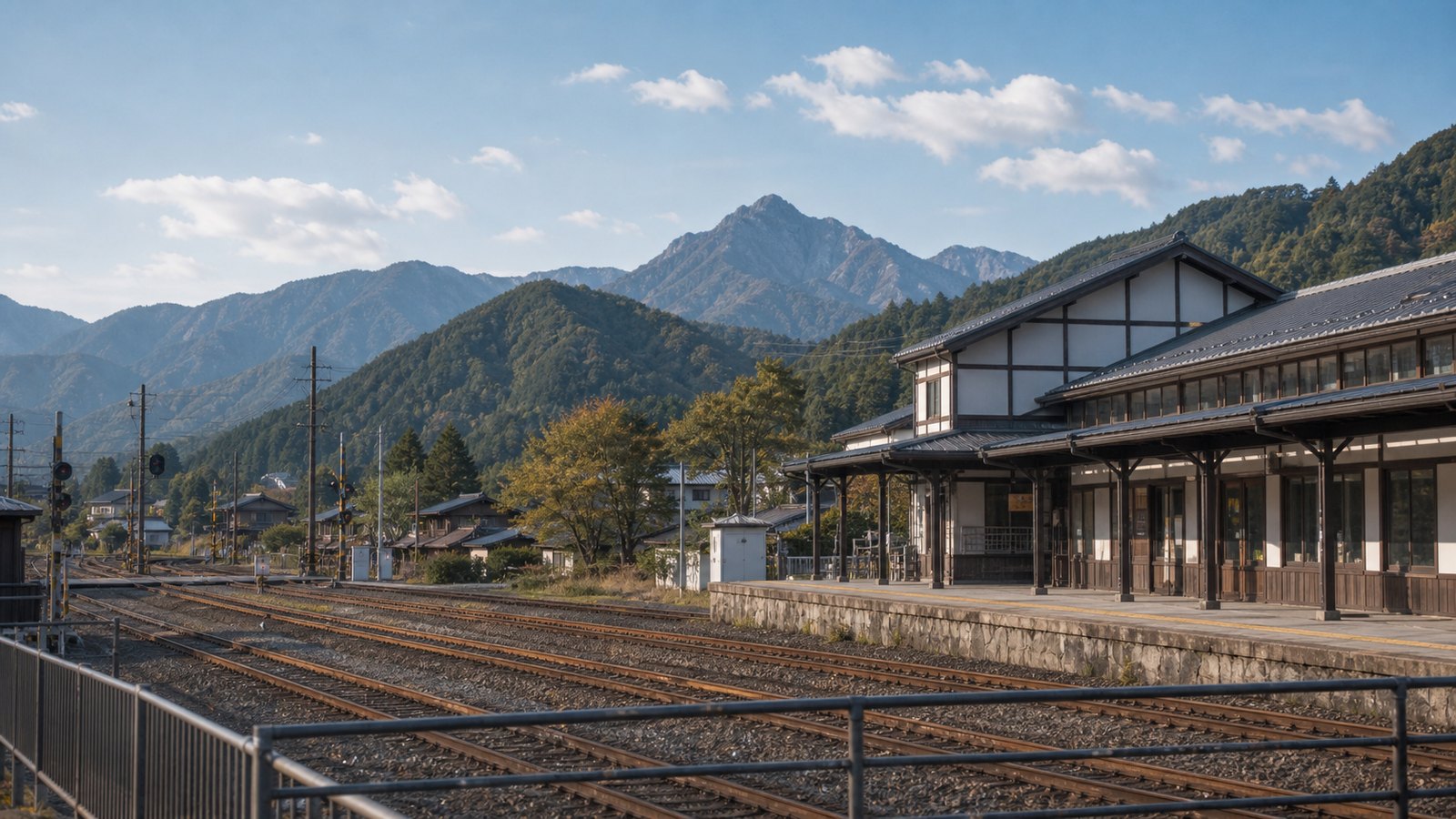
Hida-Furukawa Station is the natural starting point for the rural part of the pilgrimage. It appears in the film’s Hida search sequence and is one of the easiest Hida locations for visitors to understand immediately.
The station is on the JR Takayama Main Line. Many travelers reach it by going Tokyo to Nagoya, then Nagoya to Takayama or Hida-Furukawa on the Limited Express Hida. Another route is via Toyama, but train frequency and timing need more attention.
Photo etiquette:
- Do not cross tracks or step into restricted areas.
- If you enter ticketed areas for photos, buy the proper ticket.
- Train frequency is lower than in Tokyo, so check the return train before wandering too far.
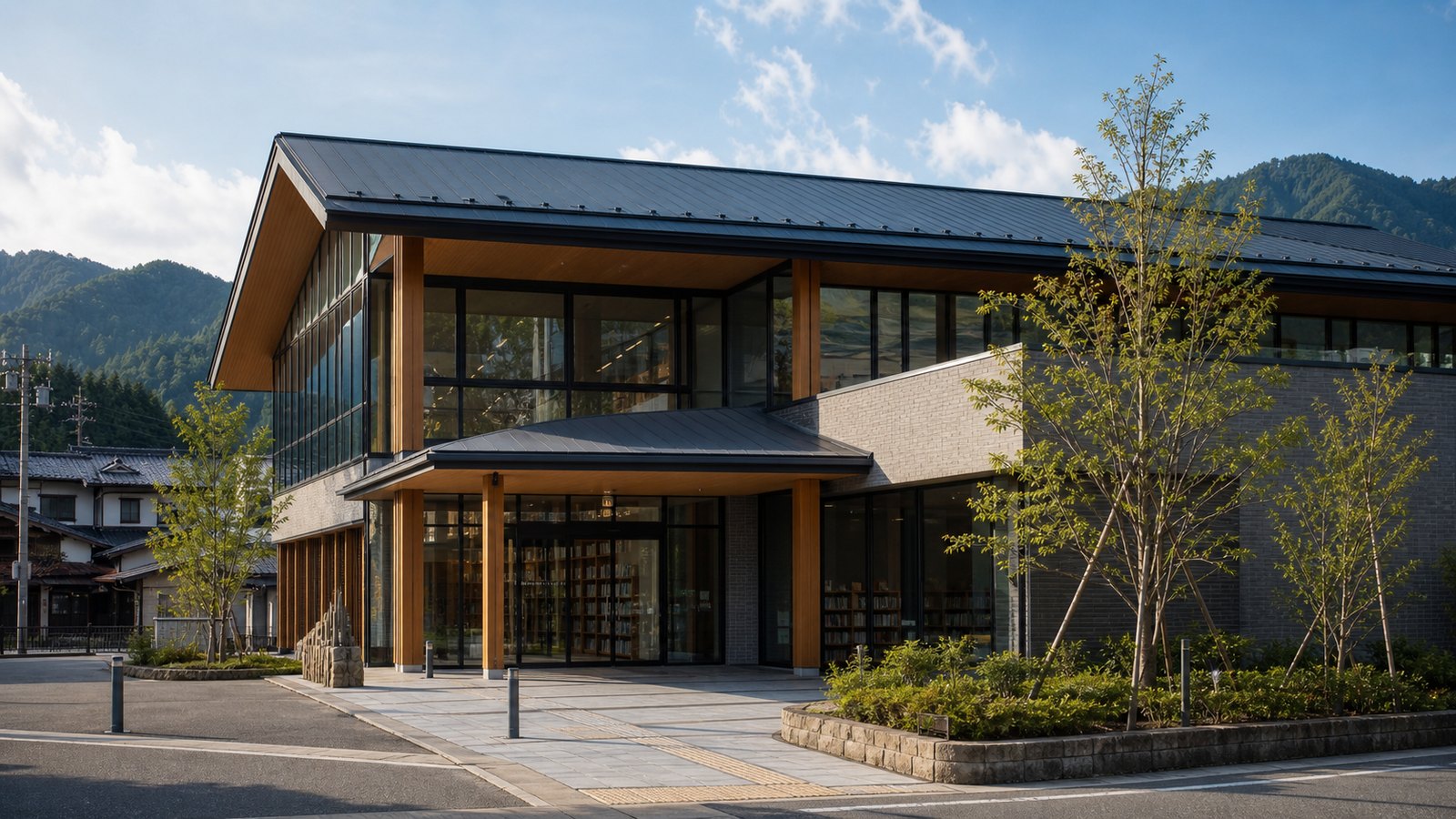
Hida City Library
Hida City Library is an important stop because Taki researches Itomori in a library during the Hida portion of the story. The real library is close to Hida-Furukawa Station, and the official library access page lists it as about a 5-minute walk from the station.
As of the current official notice checked on June 22, 2026, Hida City Library’s changed hours from April 1 are:
- Weekdays: 9:00 to 20:00
- Saturday, Sunday, and holidays: 9:00 to 17:00
The library is normally closed on Mondays, with the following day closed if Monday is a holiday, plus the final Friday of the month and New Year holidays. Check the official calendar before visiting.
Inside the library:
- Keep your voice low.
- Ask staff before photographing inside.
- Do not photograph people’s faces, especially children and library users.
- Do not stage scenes in reading areas.
- Remember that it is a working public library, not a permanent anime museum.
Hida-Furukawa Old Town and Setogawa Canal
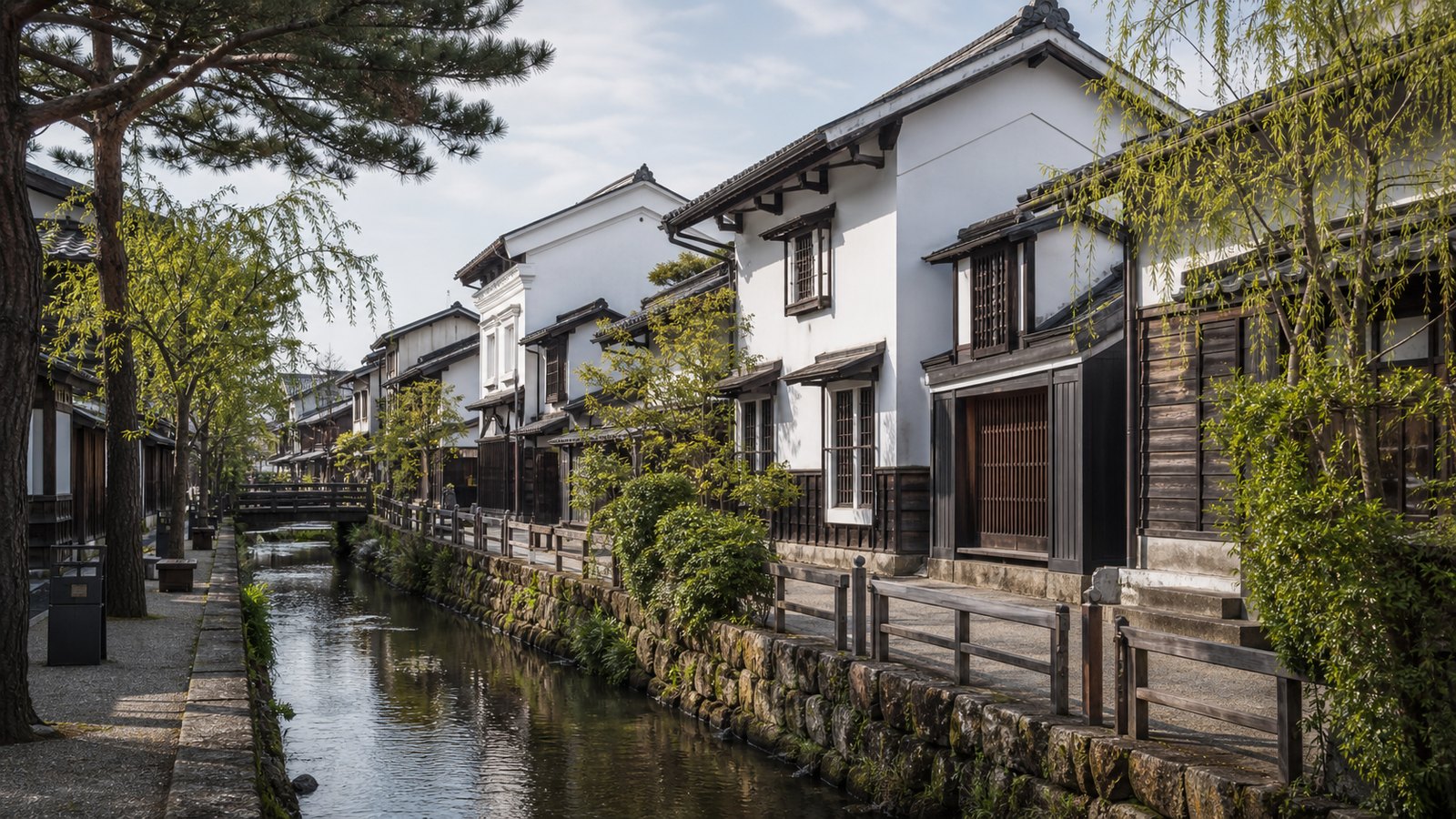
After the station and library, give yourself time to walk the old town streets around Setogawa canal and the white-walled storehouses. Hida City’s official tourism site introduces this as a classic Hida-Furukawa townscape close to the station. These streets are not a single exact scene match, but they help explain why Hida-Furukawa works so well as the rural side of a Your Name trip.
This is also where the trip becomes more than a checklist. Walk slowly, try a local snack, look at the carp in the canal when they are present, and let the town be itself.
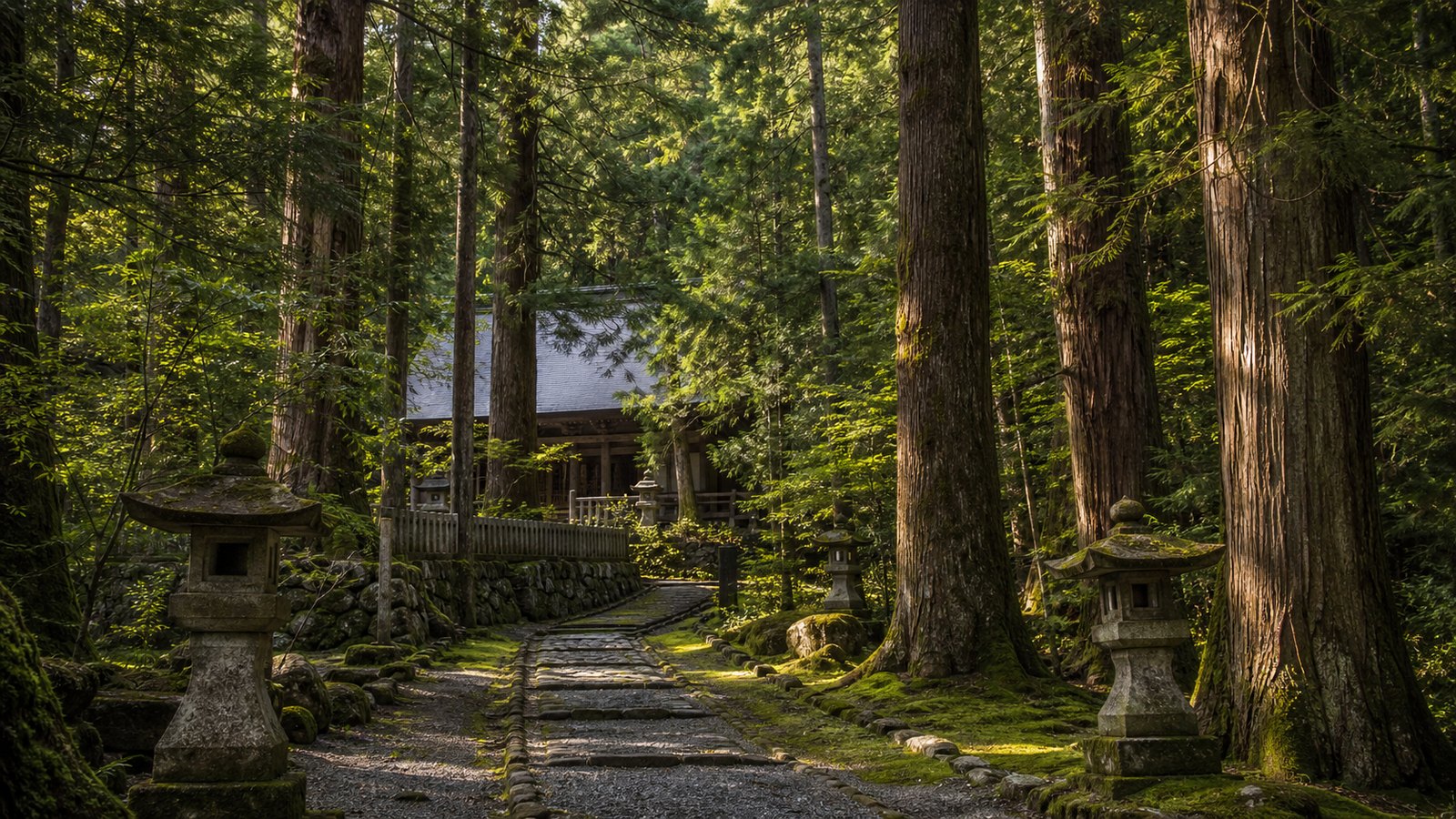
Keta Wakamiya Shrine
Keta Wakamiya Shrine is often included on Hida-Furukawa fan routes because it is a major local shrine and is connected to the Furukawa Festival. Hida City’s official tourism site describes the Furukawa Festival as the annual festival of Keta Wakamiya Shrine, held on April 19 and 20. It should be described carefully: it is better treated as a Hida shrine and festival-context stop than as a simple “this equals Miyamizu Shrine” claim.
Visit it for the local atmosphere, not just for comparison screenshots. Shrine etiquette is the same as in Tokyo: quiet voice, no trespassing, no drone use, and no blocking worshippers.
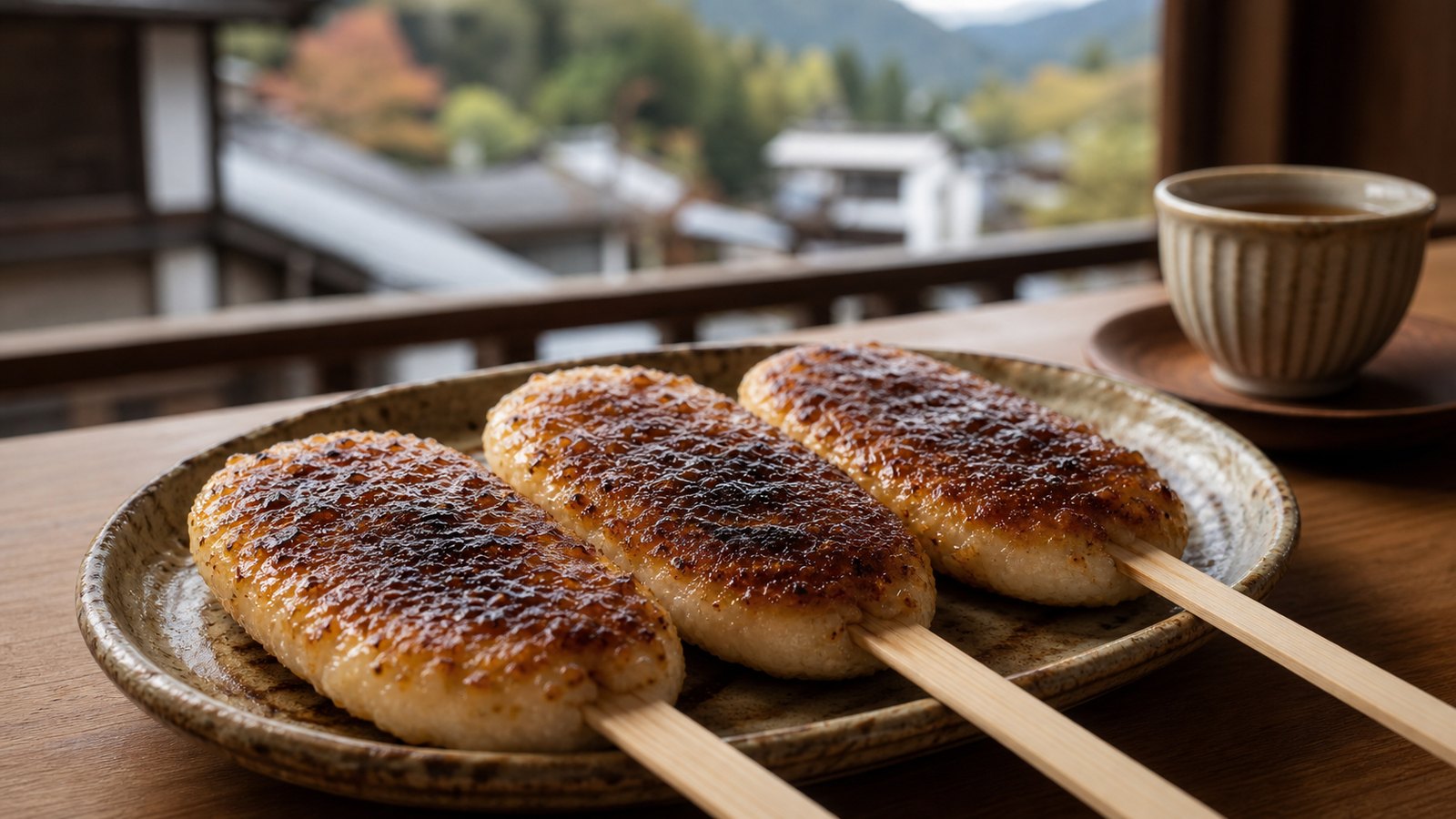
Ajidokoro Furukawa and Gohei Mochi
Food is a good way to slow down the Hida route. Many fan routes include gohei mochi, a grilled rice cake with sweet-savory sauce, because it fits the Hida countryside mood and appears in fan discussions of the film’s search sequence.
If you visit a restaurant associated with the route, check current opening days before going. Small-town restaurants can close for private reasons, seasonal reasons, or sold-out days more easily than big-city restaurants.
Miyagawa / Ochiai Rural Area
The rural scenery around Miyagawa and Ochiai is suited to committed fans. It is beautiful, but it is not a casual walk from Hida-Furukawa Station.
As checked on June 22, 2026, Hida City’s public transportation pages list the O41 Miyagawa Line from Hida-Furukawa Station toward Tsunogawa Station, Miyagawa Clinic, Miyagawa Promotion Office / Sakakami Station, Nishi-oshi, Sunouchi, Utsubo, and Sugihara. The same official bus timetable page also lists a reservation-based shared taxi for movement within Kawai and Miyagawa. For road travelers, Hida City’s road information includes a flood-related closure standard for National Route 360 between Miyagawa-cho Kishio and Ochiai.
Treat this as an advanced detour that needs same-day route checks.
Go if:
- You have checked the latest bus timetable, shared taxi rules, or taxi/rental-car plan.
- You have checked road and weather notices if going by car.
- You have a backup plan if the return connection does not work.
- You are comfortable in rural areas with fewer shops, toilets, and English signs.
- You will not stand in roads or enter private land for photos.
For many travelers, Hida-Furukawa Station, the library, the old town, and Keta Wakamiya Shrine are enough.
Optional Side Trip: Lake Suwa and the Itomori Question
Itomori is not a real town. It is a fictional place with visual and emotional references that fans have compared to several real landscapes.
Lake Suwa in Nagano Prefecture is useful as a separate comparison trip if you want a lake-town view after finishing the core Tokyo and Hida-Furukawa route. Official Suwa tourism materials present Lake Suwa as a sightseeing area in its own right, but this guide does not treat it as a verified film location. It is a separate Nagano trip, not part of the core Tokyo-Hida route. Add it when you have an extra day or when your wider route already includes Matsumoto, Suwa, or Nagano.
How to write it in your itinerary:
- Good: “Lake Suwa is an optional comparison spot for fans who want an Itomori-like lake view.”
- Avoid: “Lake Suwa is Itomori.”
The second sentence sounds cleaner, but the first one is more accurate.
Suggested Itineraries
Tokyo Half-Day Route
Best for: first-time visitors, short stays, anime fans staying in Tokyo.
Time needed: 3 to 5 hours.
Route:
- Start at Yotsuya Station.
- Walk to Suga Shrine stairs.
- Visit Suga Shrine.
- Continue to Shinanomachi pedestrian bridge.
- Move to Nogizaka for the National Art Center, Tokyo.
- Finish around Shinjuku Gyoen or Shinjuku if you want dinner.
This route works well because it gives you the emotional final-scene location first, then expands into the wider Tokyo atmosphere of the film.
Tokyo Full-Day Route
Best for: fans who want to take photos slowly.
Morning:
- Suga Shrine stairs
- Suga Shrine
- Yotsuya and Shinanomachi
Afternoon:
- The National Art Center, Tokyo
- Roppongi or Nogizaka cafe break
Evening:
- Shinjuku Gyoen area
- Cafe La Boheme Shinjuku Gyoen, if available
- Shinjuku or Yoyogi skyline walk
Hida-Furukawa Day from Takayama
Best for: travelers already staying in Takayama.
Time needed: 4 to 7 hours, depending on train times and meal stops.
Route:
- Take the JR Takayama Main Line to Hida-Furukawa Station.
- Photograph the station area respectfully.
- Walk to Hida City Library.
- Walk through old town and Setogawa canal.
- Visit Keta Wakamiya Shrine.
- Eat gohei mochi or a local meal.
- Return to Takayama before the trains become too sparse.
Tokyo and Hida 3-Day Route
Best for: fans who want the complete urban-rural contrast.
Day 1:
- Tokyo pilgrimage locations.
Day 2:
- Tokyo to Nagoya by Shinkansen.
- Nagoya to Takayama or Hida-Furukawa by Limited Express Hida.
- Sleep in Takayama or Hida-Furukawa.
Day 3:
- Hida-Furukawa route.
- Return via Nagoya, Toyama, Kanazawa, or stay in the Hida region.
Transport Tips
Tokyo is easy. Use IC cards or contactless ticketing where accepted, and route with your map app by station name.
Hida-Furukawa needs planning. Trains are comfortable but less frequent than Tokyo trains. Check the last return train before you commit to dinner or countryside detours.
If you are coming from Tokyo, the standard route is:
- Tokyo Station to Nagoya Station by Tokaido Shinkansen.
- Nagoya Station to Takayama or Hida-Furukawa by Limited Express Hida.
If you are already in Kanazawa or Toyama, look at the Toyama side of the Takayama Main Line, but do not assume it will be faster on the day you travel.
For the rural Miyagawa/Ochiai area, do not rely on a casual map search alone. Check Hida City’s public transportation information for the O41 Miyagawa Line and reservation-based shared taxi, plus road/weather notices if going by car. Do not plan this as a casual last-minute add-on.
Where to Stay
Stay in Tokyo if you want just the final-stairs route. Shinjuku, Yotsuya, Akasaka, and Roppongi are practical options.
Stay in Takayama if you want more hotel choice, restaurants, and easy access to Hida-Furukawa by train.
Stay in Hida-Furukawa if you want a quieter town and do not mind fewer late-night options.
Stay near Nagoya if you are trying to connect the Hida route with Kyoto, Osaka, or another Shinkansen day.
Best Seasons
Spring gives Tokyo cherry blossoms and pleasant walking weather, but famous places are busier.
Summer can be hot and humid in Tokyo, while Hida can still feel more manageable in the morning and evening. Bring water.
Autumn is a strong choice for both Tokyo and Hida. The light is good, walking is easier, and rural scenery feels close to the emotional tone of the film.
Winter can be beautiful in Hida, but snow and rail conditions need attention. If you are not comfortable with winter travel, stay on the central Hida-Furukawa route and avoid rural detours.
Pilgrimage Etiquette
Anime tourism works well when fans leave the place easier for the next person to visit.
Do:
- Buy something locally when you can.
- Keep photos quick in residential areas.
- Ask before photographing inside libraries, restaurants, and shops.
- Follow shrine manners.
- Check official hours before going.
- Carry trash until you find a proper bin.
Do not:
- Block stairs, bridges, sidewalks, station platforms, or shrine paths.
- Enter private land.
- Photograph children, staff, or residents without consent.
- Use drones.
- Play loud music or reenact scenes in quiet public places.
- Treat Hida-Furukawa as “Itomori” in a way that erases the real town.
Is the Trip Worth It If You Are Not an Anime Fan?
Yes, but the route changes.
For non-fans, Tokyo’s Suga Shrine stairs may feel like a quick neighborhood stop rather than a major sightseeing goal. The National Art Center, Shinjuku Gyoen, and Yotsuya/Shinanomachi walk still work as a pleasant Tokyo day.
Hida-Furukawa is more broadly rewarding. The station, library, canals, old town, sake and local food, shrines, and slower pace make it worthwhile even if someone in your group has not seen the film.
For mixed groups, use the film as the story thread, not the whole purpose. That keeps the day balanced.
Final Recommendation
If you have one free afternoon in Tokyo, visit Suga Shrine stairs, Suga Shrine, and Shinanomachi. That is the cleanest Your Name memory for the least effort.
If the film really matters to you, go to Hida-Furukawa. The Tokyo locations give you recognition. Hida gives you the quiet space around the story.
Related RJG Guides for Planning This Route
- Tokyo Trains Complete Guide 2026 for moving between Yotsuya, Shinanomachi, Nogizaka, and Shinjuku.
- Does Google Maps Work in Japan? 2026 Tourist Guide for station-to-station route planning.
- Shinkansen for Tourists 2026 for the Tokyo to Nagoya part of the Hida route.
- Tokyo Temple & Shrine Hopping for shrine etiquette and nearby Tokyo shrine planning.
- Tokyo Restaurant Reservation Guide if you want to turn Cafe La Boheme or another Tokyo restaurant into a planned meal stop.
FAQ
Can I visit the Your Name locations in one day?
You can visit the Tokyo locations in this guide in one day. You cannot comfortably combine Tokyo and Hida-Furukawa in one sightseeing day because the Hida route requires long-distance rail travel and lower-frequency local connections.
Where are the famous Your Name stairs?
The famous stairs are the Suga Shrine stairs in the Yotsuya area of Shinjuku, Tokyo. Use Yotsuya-sanchome, Yotsuya, or Shinanomachi Station depending on your route.
Is Itomori a real town?
No. Itomori is fictional. Hida-Furukawa is one of the most important real places for a Your Name pilgrimage, but it is not the same thing as Itomori.
Is Hida-Furukawa worth visiting from Tokyo?
Yes, if you are a serious fan or already planning Takayama, Shirakawa-go, Kanazawa, Toyama, or Nagoya. If you have just two or three days in Japan, the Tokyo locations are easier.
Can I take photos inside Hida City Library?
Ask library staff first, keep your voice low, and avoid photographing people’s faces or reading areas. It is a working public library, so normal library manners come before fan photos.
Do I need to pay to visit these places?
Suga Shrine stairs, Suga Shrine, Shinanomachi bridge, Hida-Furukawa Station exterior, and old town streets are generally free. Museums, gardens, trains, buses, restaurants, and some exhibitions cost money.
What is the recommended season for the route?
Autumn is the easiest recommendation for both Tokyo and Hida. Spring is beautiful but busier. Winter in Hida can be atmospheric, but you need to check snow and transport conditions.
Should I include Lake Suwa?
Use it when you have extra time. Lake Suwa is an optional comparison or inspiration-style stop, not a replacement for the core Tokyo and Hida-Furukawa route.
Is Cafe La Boheme still worth visiting?
It can be worth it if you want a meal stop connected to the fan route. Check current hours and reservations first, and treat it as a restaurant rather than a photo stop.
What is a common mistake fans make?
Trying to copy screenshots without noticing local life around them. Good pilgrimage photos are quick, quiet, and respectful.
About the Author
Basabasa is a former sergeant major in the Japan Ground Self-Defense Force who writes Real Japan Guide for first-time foreign visitors. He focuses on practical Japan travel frictions: how to order, pay, move, ask, queue, and avoid small mistakes that can make a good trip feel harder than it needs to be.

Comments