- Quick Answer
- Why This Feels Confusing
- TableCheck Is Not One Single Cancellation Policy
- Credit Card Required Can Mean a Guarantee
- Authorization Hold vs Actual Prepayment
- Debit Cards and Prepaid Cards Can Look Scarier
- Refund Timing: Why It May Take Days or Weeks
- Read the Cancellation Policy Before You Confirm
- What If the Cancel Button Is Gone?
- Booking Checklist Before You Tap Confirm
- What To Do If You Think You Were Wrongly Charged
- Common Scenarios
- Bottom Line
- FAQ
- Did TableCheck charge my card for the meal?
- Why did my debit card show a charge?
- Do I still pay at the restaurant?
- How long does a TableCheck refund take?
- Can TableCheck cancel my restaurant booking for me?
- What should I read before confirming?
- Are cancellation fees in Japan serious?
- Should I use a debit card for TableCheck?
- What if I cannot understand the cancellation policy?
Quick Answer
If TableCheck looks like it charged your card for a Japan restaurant booking, do not panic immediately. In many pay-at-restaurant reservations, the amount shown is a card authorization hold, not the meal payment itself. With a debit card or some prepaid cards, however, that hold can appear as an actual withdrawal before it is later released or refunded by your card issuer.
The most important rule is simple: read the restaurant’s cancellation policy before you confirm the reservation. Not after. Not when your plans change. Before you enter the final booking step.
TableCheck helps restaurants take bookings, card details, deposits, prepayments, and cancellation-fee guarantees, but the exact rules can depend on the restaurant, the menu, the booking type, and the timing of your cancellation. A sushi counter, fine-dining restaurant, or prepaid course may have stricter conditions than a casual table booking.
Before confirming, check these five items:
- Whether the booking says credit card required or advance purchase required
- Whether the card amount is an authorization hold, deposit, prepayment, or booking fee
- The cancellation deadline in local Japan time
- The cancellation or no-show fee percentage
- Whether party-size changes count as a late cancellation
One more practical line: if you cannot comfortably read and understand the booking page, payment wording, cancellation deadline, and fee conditions, a card-guarantee restaurant reservation may not be the right booking route. This is not a character judgment. It is dispute prevention. Choose a restaurant with clearer terms, ask hotel staff or a concierge for help, or keep a more flexible walk-in backup instead.
Last checked: July 7, 2026.
Why This Feels Confusing
For many travelers, the confusing moment comes after a restaurant reservation looks successful. You receive a confirmation, then your banking app sends a notification. It may show a charge from TableCheck, TableCheck OnlinePay, a reservation fee, or a restaurant-related payment label.
That does not necessarily mean you have already paid for dinner.
Japan restaurant bookings can use several different payment patterns:
- Card details are stored as a guarantee
- A temporary authorization hold is placed
- A deposit or selected menu is paid in advance
- A platform or booking fee is paid at the time of booking
- The final meal is paid at the restaurant after you eat
Those patterns can look similar inside a banking app, especially if your card issuer uses the word “charge” for both temporary holds and settled payments.
This is why the booking screen matters. The wording on the TableCheck page and the restaurant’s own cancellation policy are more useful than the first push notification from your bank.
TableCheck Is Not One Single Cancellation Policy
Think of TableCheck as a booking platform used by many restaurants, not as one restaurant with one universal rule.
TableCheck’s own terms explain that cancellation and no-show conditions can be based on the participating merchant’s policy. In plain travel language, this means the restaurant’s policy matters. One venue may allow free cancellation until a certain time. Another may charge a percentage of the course price. Another may treat a late party-size reduction as a fee event.
Do not assume that a rule you saw at one Tokyo restaurant applies to another.
If you are booking a high-demand restaurant, chef’s counter, omakase course, private room, seasonal course, or holiday seating, read the cancellation policy especially slowly. These are the bookings where restaurants have the strongest reason to protect seats, ingredients, and staff preparation.
Credit Card Required Can Mean a Guarantee
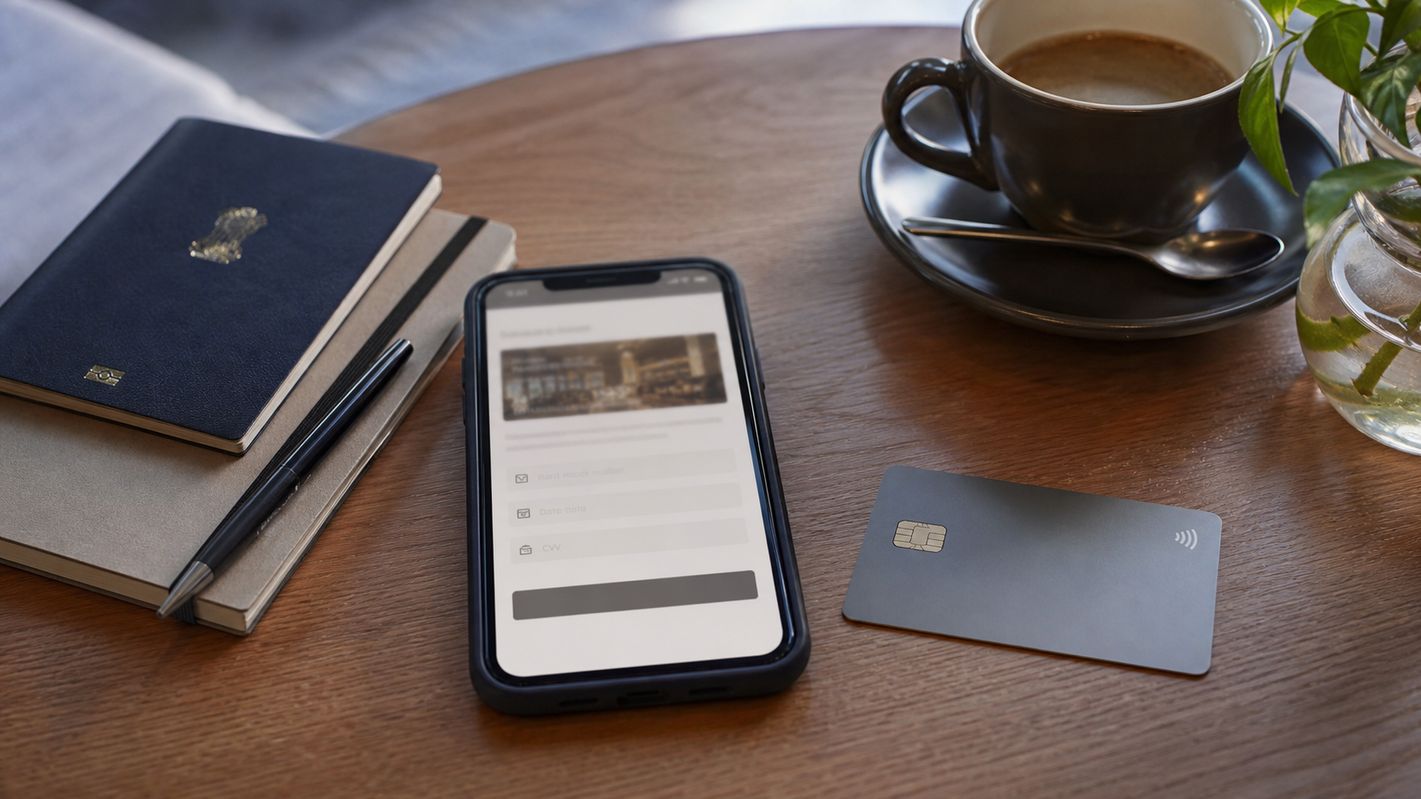
When a TableCheck booking says a credit card is required to reserve, the card may be used as a guarantee for late cancellation or no-show fees.
For pay-at-restaurant bookings, the restaurant may still expect you to pay at the venue after your meal. The card requirement is there to protect the reservation, not necessarily to collect the meal price in advance.
This distinction matters because travelers often see a card notification and think:
“Did I already pay?”
The better question is:
“What booking type did the confirmation page show?”
Check the confirmation email or reservation page for payment details, booking status, selected menu, and cancellation conditions. If it says you will pay at the restaurant, bring a working payment method on the day. If the restaurant is cash-heavy or your foreign card has failed in Japan before, bring a backup card and enough cash for emergencies.
For a broader restaurant booking overview, start with our Tokyo restaurant reservation guide. This article focuses on the card-hold, refund, and cancellation-fee panic that can happen after you book.
Authorization Hold vs Actual Prepayment
The key difference is whether the amount is being held temporarily or actually paid.
An authorization hold is a temporary card check. The amount can reduce your available card balance, and your card app may display it like a charge. After the visit or after the restaurant releases it, the hold should disappear or be refunded according to your card issuer’s processing timeline.
An advance purchase or prepayment is different. If the booking requires advance purchase, the selected menu or item may be charged when the reservation is completed. In that case, you may not pay for that same selected menu again at the restaurant, though extras such as drinks, service charges, tax differences, or additional food may still be settled on site.
Before confirming, look for wording such as:
- Credit Card Required
- Advance Purchase Required
- Pay at Restaurant
- Prepayment
- Deposit
- Booking Fee
- Cancellation Fee
- No-show Fee
If you see advance purchase, slow down and read the refund and cancellation conditions before clicking the final confirmation button.
Debit Cards and Prepaid Cards Can Look Scarier
Credit cards and debit cards can behave differently.
With a normal credit card, a hold may appear as a pending transaction or reduce your available credit. With some debit cards, prepaid cards, or cards that do not handle holds cleanly, the amount may be withdrawn from your bank balance immediately and then refunded later.
That does not automatically mean the restaurant has charged you for the meal. It may be the card issuer’s way of handling an authorization hold.
But it does create a real travel problem: your available money may temporarily drop.
If your trip budget is tight, avoid using a debit card for reservations that show a large guarantee amount. Use a credit card if you have one, or choose a reservation that does not require a large card hold. If you must use a debit card, keep extra balance available and assume the refund may not be instant.
Refund Timing: Why It May Take Days or Weeks
If a hold, deposit, or prepayment is refunded, the timing does not depend on TableCheck alone. The restaurant, payment processor, card network, and your card issuer may each be involved.
TableCheck’s diner help explains that after a restaurant processes a refund or cancellation, it can take time for the information to reach the card company or bank. In some cases, travelers may need to confirm with the restaurant first and then ask the card issuer about the card-side timeline.
Practical order of action:
- Check the TableCheck confirmation page or email.
- Confirm whether the booking was pay-at-restaurant, prepayment, deposit, or booking fee.
- Check whether the cancellation deadline had already passed.
- If the restaurant processed a refund, ask your card issuer how pending holds or refunds appear in your account.
- If the reservation details are unclear, contact the restaurant directly.
Do not assume that a missing refund after one or two days means something is wrong. But also do not ignore a charge you do not understand. Keep the confirmation email, reservation ID, date, amount, restaurant name, and screenshot of the transaction.
Read the Cancellation Policy Before You Confirm
This is the section to treat seriously.
Before you confirm a TableCheck restaurant booking in Japan, read the cancellation policy line by line. If you are tired, hungry, standing in a train station, or booking for a group chat that keeps changing plans, pause before confirming. Cancellation rules are not decoration. They are part of the booking.
Check these details before you reserve:
- Free cancellation deadline: Is it 24 hours before, 48 hours before, several days before, or a specific local time?
- Fee rate: Is the late cancellation fee 50%, 100%, a fixed yen amount, or another formula?
- No-show rule: Does the full course price apply if you do not arrive?
- Party-size changes: If you booked for four and arrive with three, can the restaurant charge for the missing person?
- Course or seat type: Is a special menu, counter seat, private room, or event course stricter than a normal table?
- Time zone: Are you reading the deadline in Japan time?
- Contact method: Can you cancel online, or do you need to call the restaurant after a certain point?
- Card type: If you use a debit or prepaid card, could the hold affect your available balance?
The safest habit is to take a screenshot of the cancellation policy before confirming. If your plans involve flights, day trips, children, elderly family members, allergies, or weather-sensitive travel, choose restaurants whose policy you can realistically honor.
For allergy planning, read our Japan food allergy guide before booking a set course. For prepaid or strict course meals, late allergy changes can be harder for restaurants to handle.
What If the Cancel Button Is Gone?
Sometimes a traveler opens the confirmation page and cannot find a cancel button. That does not necessarily mean the booking is impossible to cancel. It may mean the restaurant has limited online cancellation after a certain point, the reservation is too close, or the booking needs direct contact.
If the online cancel option is unavailable:
- Open the confirmation email or SMS link.
- Check the cancellation policy again.
- Call or message the restaurant using the contact details on the booking page.
- If you cannot speak Japanese, prepare a short English message and a simple Japanese translation.
- Keep a record of when you contacted the restaurant.
Useful message:
Hello. I have a reservation through TableCheck.
Reservation name: [YOUR NAME]
Date and time: [DATE / TIME]
Reservation ID: [ID]
Number of guests: [NUMBER]

I would like to cancel / change the number of guests.
Could you please confirm whether any cancellation fee applies?
Thank you.
Simple Japanese version:
TableCheckで予約しました。
予約名: [YOUR NAME]
日時: [DATE / TIME]
予約ID: [ID]
人数: [NUMBER]

キャンセル / 人数変更をしたいです。
キャンセル料が発生するか確認をお願いします。
If the restaurant replies that a fee applies, ask for the basis in the cancellation policy. Stay polite. In Japan, a no-show or late cancellation can cause real loss for restaurants, especially when they prepared ingredients for your group.
Booking Checklist Before You Tap Confirm
Use this checklist before entering or confirming card details:
- I know whether this is pay-at-restaurant, deposit, prepayment, or booking fee.
- I have read the restaurant’s cancellation policy, not just the platform name.
- I know the free cancellation deadline in Japan time.
- I know what happens if I arrive late, do not arrive, or reduce the party size.
- I understand whether my debit or prepaid card may show a temporary withdrawal.
- I saved the confirmation email, reservation ID, and restaurant phone number.
- I have a backup payment method for the actual meal.
- My group has agreed to the plan and price before I confirmed.
If any item is unclear, do not rush the booking. Choose a more flexible restaurant, book a smaller group, or use a platform and venue whose terms you understand. A strict card-guarantee booking is a poor match for anyone who is guessing at the rules.
For high-end restaurant platforms, compare the tone and conditions with our Pocket Concierge Japan guide. For casual backup meals, our family restaurant guide can help you build a Plan B that does not require strict reservation terms.
What To Do If You Think You Were Wrongly Charged
If the amount still looks wrong after the normal processing window, collect the facts before escalating.
Prepare:
- Restaurant name
- Reservation date and time
- Reservation ID
- Booking type shown on TableCheck
- Cancellation policy screenshot, if you saved one
- Card transaction date and amount
- Whether the transaction is pending or posted
- Any cancellation or modification confirmation
Then contact the restaurant first if the issue is about the booking, cancellation, menu, deposit, or no-show fee. Contact your card issuer if the issue is about how a pending authorization, debit-card hold, or refund appears in your account.
Avoid filing a card dispute before you understand the booking policy. A dispute may be appropriate in some situations, but if the charge matches a cancellation policy you accepted, the card issuer may still side with the merchant.
Common Scenarios
“I booked a restaurant and saw a card notification immediately.”
Check whether the booking was pay-at-restaurant with a card guarantee. If yes, it may be an authorization hold. If you used a debit card, the amount may temporarily leave your balance.
“The restaurant says pay at restaurant, but my debit card lost money.”
That can happen with some debit or prepaid cards. Save the confirmation and ask your card issuer how authorization holds are handled. You may still need to pay the restaurant on the day.
“I prepaid a course. Do I pay again?”
In that case, you should not expect to pay again for the same prepaid course. You may still pay for extras, drinks, service charges, tax differences, or additional items at the restaurant. Check the booking details.
“My travel plans changed. Can I cancel for free?”
That depends on whether the restaurant’s cancellation policy allows it at that time. The reason for your change may not override the policy. Read the deadline and contact the restaurant quickly.
“My friend cancelled and now our party is smaller.”
Do not assume this is harmless. Some restaurants treat party-size reductions close to the reservation as a fee event. Check the policy and contact the restaurant before arriving.
Bottom Line
TableCheck is widely used for restaurant reservations in Japan, but the card experience can feel alarming if you are used to simpler booking systems.
The calm way to handle it:
- Identify whether the amount is a hold, deposit, prepayment, or booking fee.
- Read the restaurant’s cancellation policy before confirming.
- Use a credit card instead of a debit card when possible for large guarantee amounts.
- Save your confirmation email and reservation ID.
- Contact the restaurant first for reservation-policy questions, and your card issuer for account-display questions.
The real mistake is not using TableCheck. The real mistake is confirming a strict restaurant booking without reading the cancellation policy.
FAQ
Did TableCheck charge my card for the meal?
Not necessarily. Some bookings use a card authorization hold or guarantee, while others use advance purchase, deposits, or booking fees. Check the reservation details and the restaurant’s cancellation policy.
Why did my debit card show a charge?
Some debit and prepaid cards treat authorization holds like immediate withdrawals. The amount may later be released or refunded according to the card issuer’s timeline.
Do I still pay at the restaurant?
If the booking says pay at restaurant, yes, you should be ready to pay on site. If you prepaid a selected menu, you may still need to pay for extras or additional charges.
How long does a TableCheck refund take?
It can vary. After the restaurant processes a refund or cancellation, card-company or bank processing can take additional time. Ask the restaurant first whether it processed the refund, then ask your card issuer about timing.
Can TableCheck cancel my restaurant booking for me?
If online cancellation is no longer available, you may need to contact the restaurant directly. Use the confirmation page, email, SMS link, or restaurant phone number.
What should I read before confirming?
Read the restaurant’s cancellation policy, payment wording, no-show fee, party-size change rule, and the local Japan-time deadline. If any part is unclear, pause before booking.
Are cancellation fees in Japan serious?
Yes. Many restaurants prepare seats, ingredients, and staff based on confirmed reservations. Late cancellation and no-shows can cause real loss, so strict fees are common for some venues.
Should I use a debit card for TableCheck?
A debit card may work, but it can make holds look more stressful because money may leave your balance temporarily. A credit card is often easier for large guarantee amounts.
What if I cannot understand the cancellation policy?
Do not confirm a strict booking you cannot understand. If the policy feels too hard to read, the safer choice is to avoid that booking route rather than hope it will be fine. Use browser translation, ask the restaurant, choose a more flexible venue, or book through a service where the conditions are clearer to you.

Comments