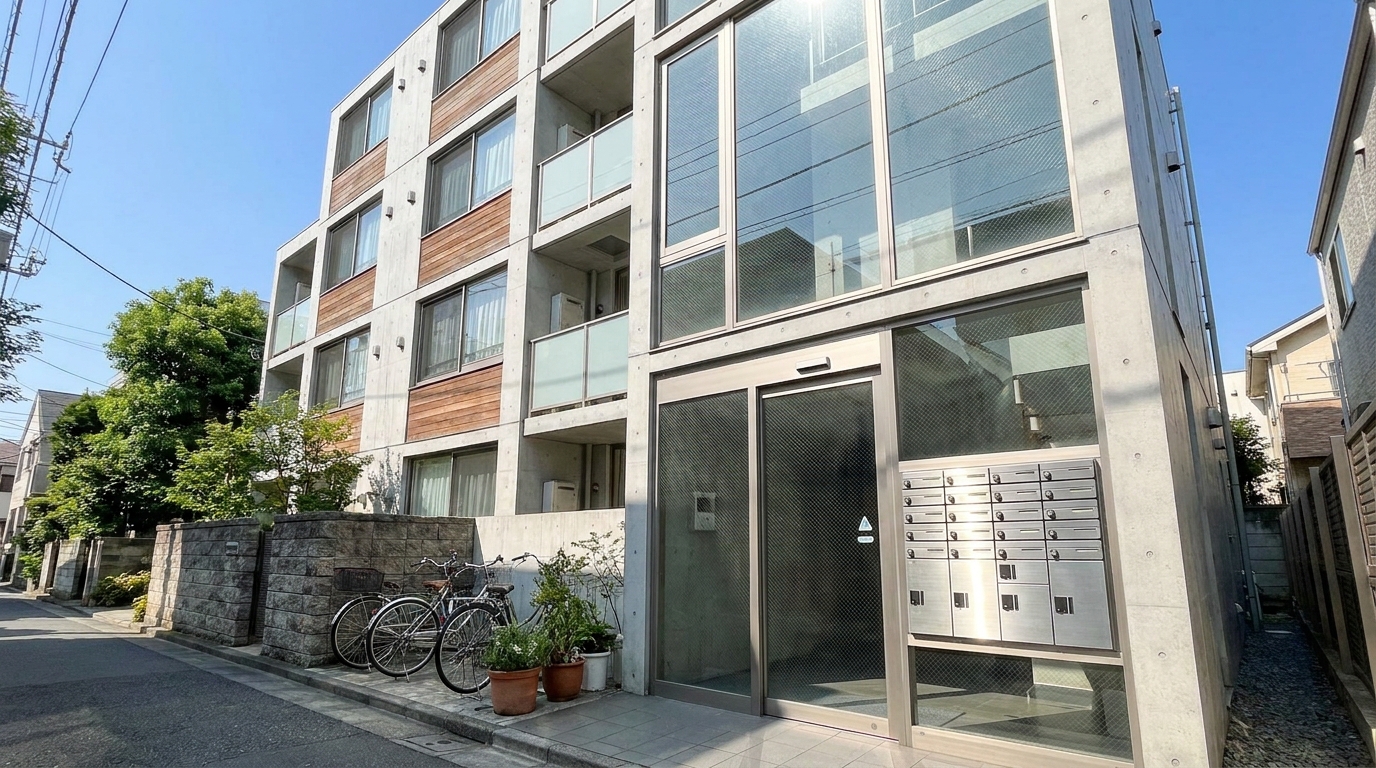
Tokyo Airbnb Starter Guide: Before & After Check-in 2026
By Yukihiro Hirano / Last updated: 2026-05-02
So you booked a Tokyo Airbnb. Maybe you are flying tomorrow, maybe in six weeks. Either way, the question that pops up first is the same: what do I actually need to know before I land?
The honest answer is: less than the internet would have you believe. Tokyo is a kind city to first-time guests. Most of what makes a stay smooth is in the message your host sends a few days before arrival — the entrance code, the key location, the Wi-Fi password, the trash schedule. Read it twice, screenshot it, and you are 80% of the way there.
This guide is the other 20% — what to set up before you fly, how to get from Narita or Haneda to your stay, what self-check-in usually looks like, three small things to keep in mind once you settle in, and a few Tokyo discoveries that tend to delight guests on day one.
A note that applies to everything below: your host’s specific instructions are always the source of truth. If anything in this guide conflicts with what your host tells you, follow your host. They know their building, their neighborhood, and their guests better than any general guide can.
- Quick Answer
- 1. Before You Arrive
- 2. From the Airport to Your Stay
- 3. Self Check-In: What to Expect
- 4. Three Things to Keep in Mind
- 5. Tokyo Things You’ll Probably Love
- 6. Frequently Asked Questions
- 1. Do I really need cash in Tokyo?
- 2. How early can I check in?
- 3. What if my host’s message is only in Japanese?
- 4. What should I do if the key box will not open?
- 5. Why does my host need a copy of my passport?
- 6. Can I drink the tap water?
- 7. Is it safe to walk back to my Airbnb late at night?
- 8. Do I need to clean before checkout?
- 9. Do I need a SIM card or eSIM before arriving in Tokyo?
- 10. What plug type does Japan use? Will my charger work?
- 11. Can I leave my luggage somewhere before Airbnb check-in?
- 12. Will my foreign credit card work everywhere in Tokyo?
- 13. What if I get sick or injured during my stay?
- Wrapping Up
- Useful Official Resources
Quick Answer
A Tokyo Airbnb stay tends to go smoothly if you do three small things before you board your flight — buy or install Welcome Suica for cashless transit, set up an eSIM with at least 3 GB of data, and read your host’s check-in message a couple of times so you know the entrance code and key location by heart. Everything else is recoverable through one quick message to your host. When in doubt, ask. Hosts in Tokyo tend to reply within an hour.
1. Before You Arrive
A few small setups, mostly done from your couch, save you a lot of fumbling at the building entrance.
Cashless transit
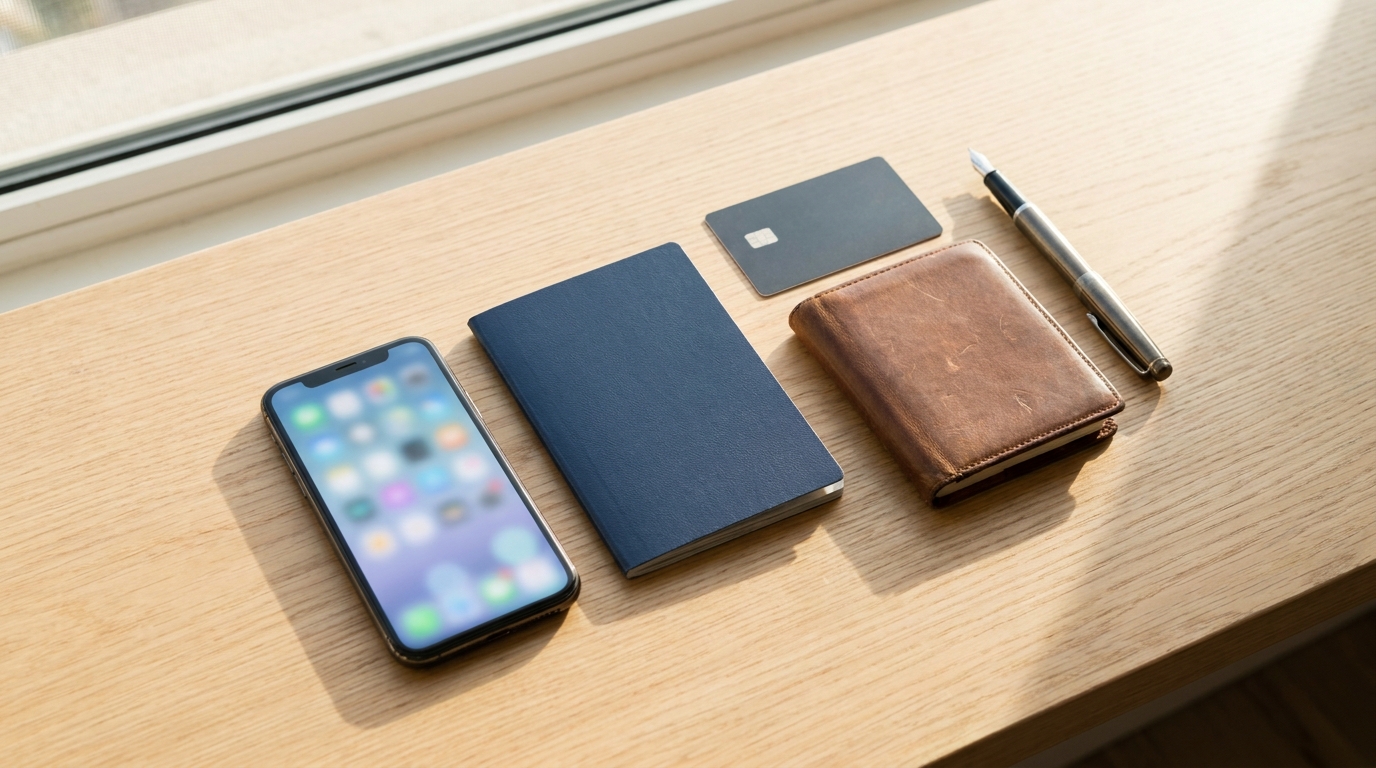
A Suica card (or its tourist version, Welcome Suica) is the most useful object you will carry in Tokyo. It pays for trains, buses, vending machines, and most konbini — all by tapping. Three options exist:
- Welcome Suica Mobile — iPhone-only, free to install before you fly, valid 180 days.
- Welcome Suica physical card — buy at JR East counters at Narita or Haneda. No deposit, valid 28 days.
- Regular Suica — ¥1,000 from any JR ticket machine, refundable when you leave.
Full setup details and what changed after the chip shortage are in our Suica and Welcome Suica guide.
Mobile data
Public Wi-Fi exists at stations and Starbucks but disconnects between hotspots. An eSIM costs about as much as a sandwich and saves a lot of stress: Airalo, Ubigi, and Holafly all cover Japan well. Pocket WiFi makes more sense for groups of three or more — see our eSIM vs Pocket WiFi comparison.
Read the host’s message — twice
Your host will send check-in instructions through your booking platform a few days before arrival, sometimes earlier, occasionally the day before. Open it on a real screen, read it slowly, and screenshot it. The Airbnb or Booking.com app may not load when you reach the building, and free Wi-Fi rarely covers an apartment lobby.
If anything is unclear, message your host then — not at midnight from the building entrance.
A small bonus step: exchange ¥10,000–20,000 in cash. Most places accept cards in 2026, but the occasional small shop, vending machine, or temple shrine donation box still wants yen.
Pack the right plug adapter
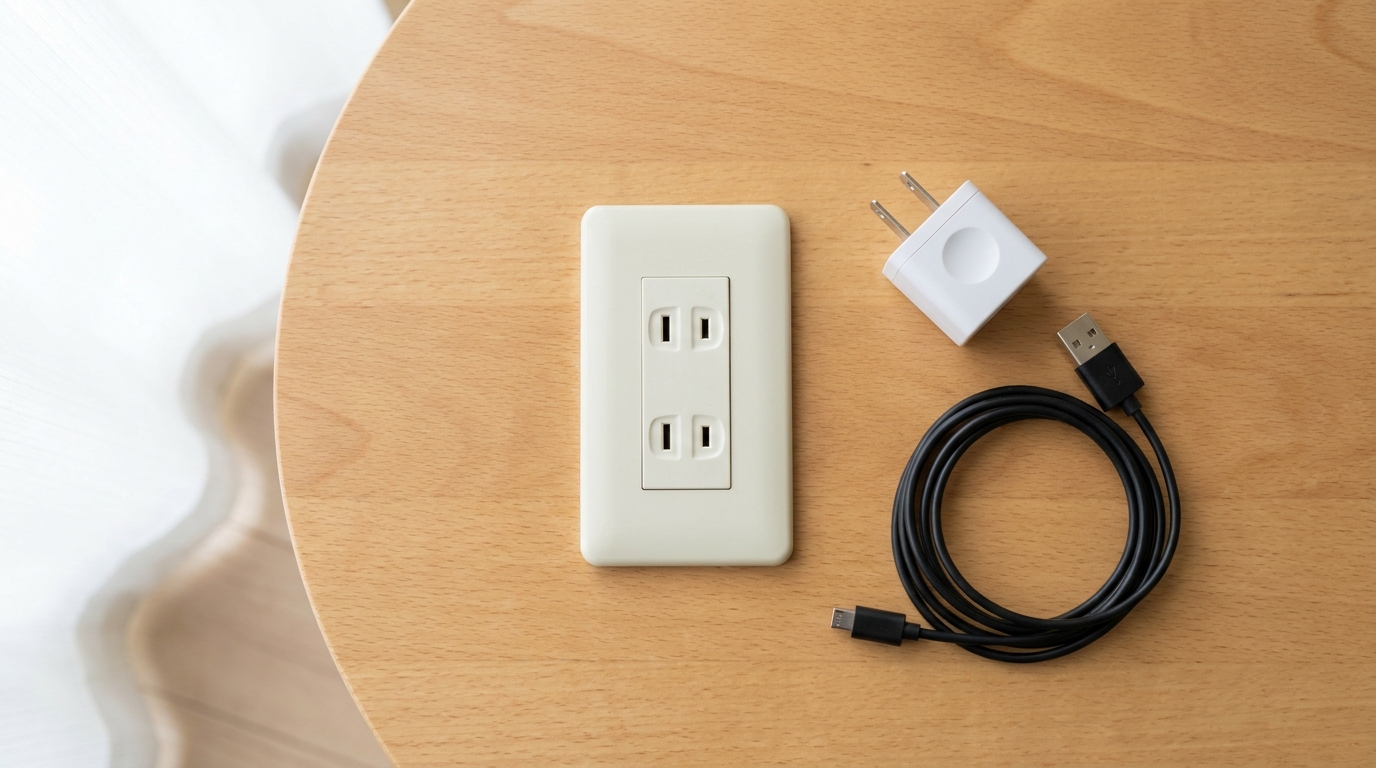
Japanese power outlets are Type A — two flat parallel pins, the same shape used in North America. If you are coming from the UK, EU, Australia, or most of Asia, your plugs will not fit and you will need a small travel adapter. Bring one (they are inexpensive online). If you forget, Don Quijote (a discount chain found across Tokyo) and electronics stores like Bic Camera or Yodobashi sell them for a few hundred yen.
2. From the Airport to Your Stay
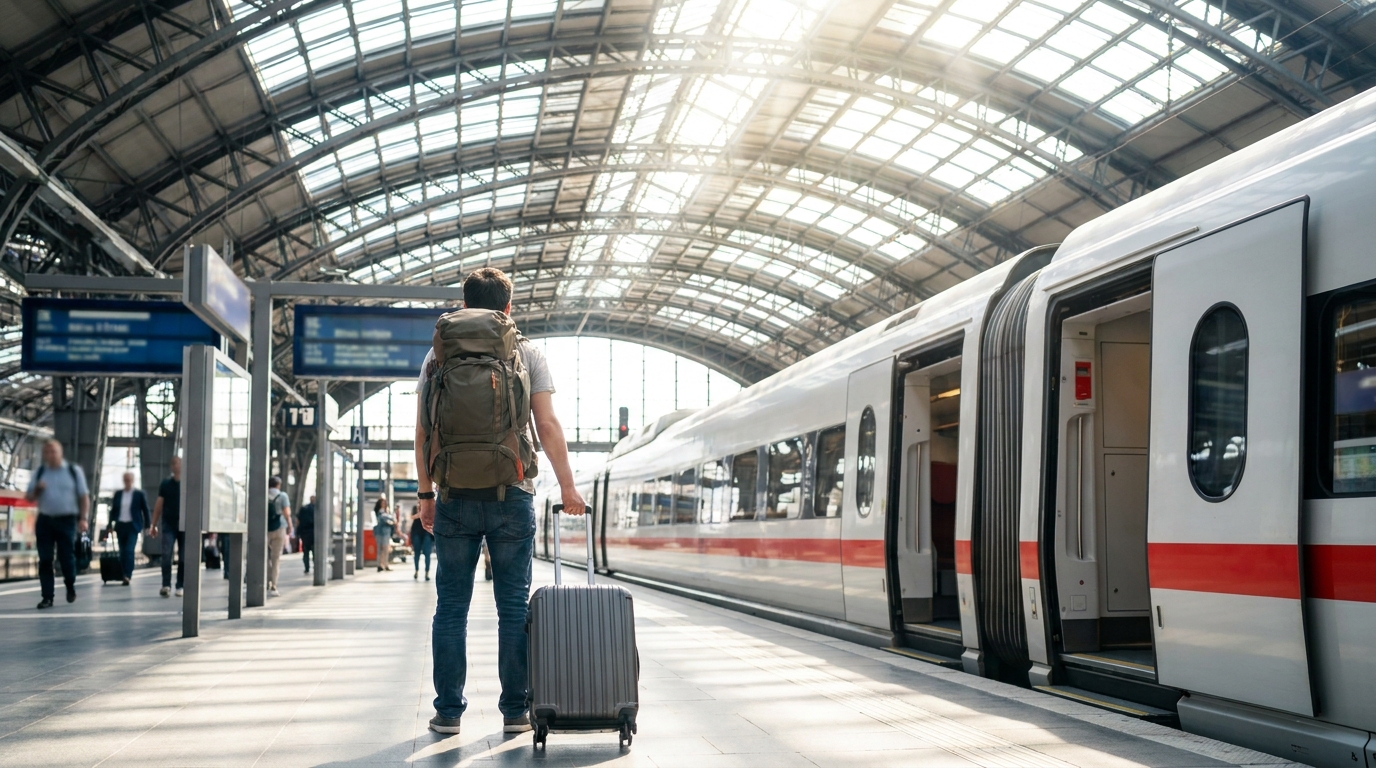
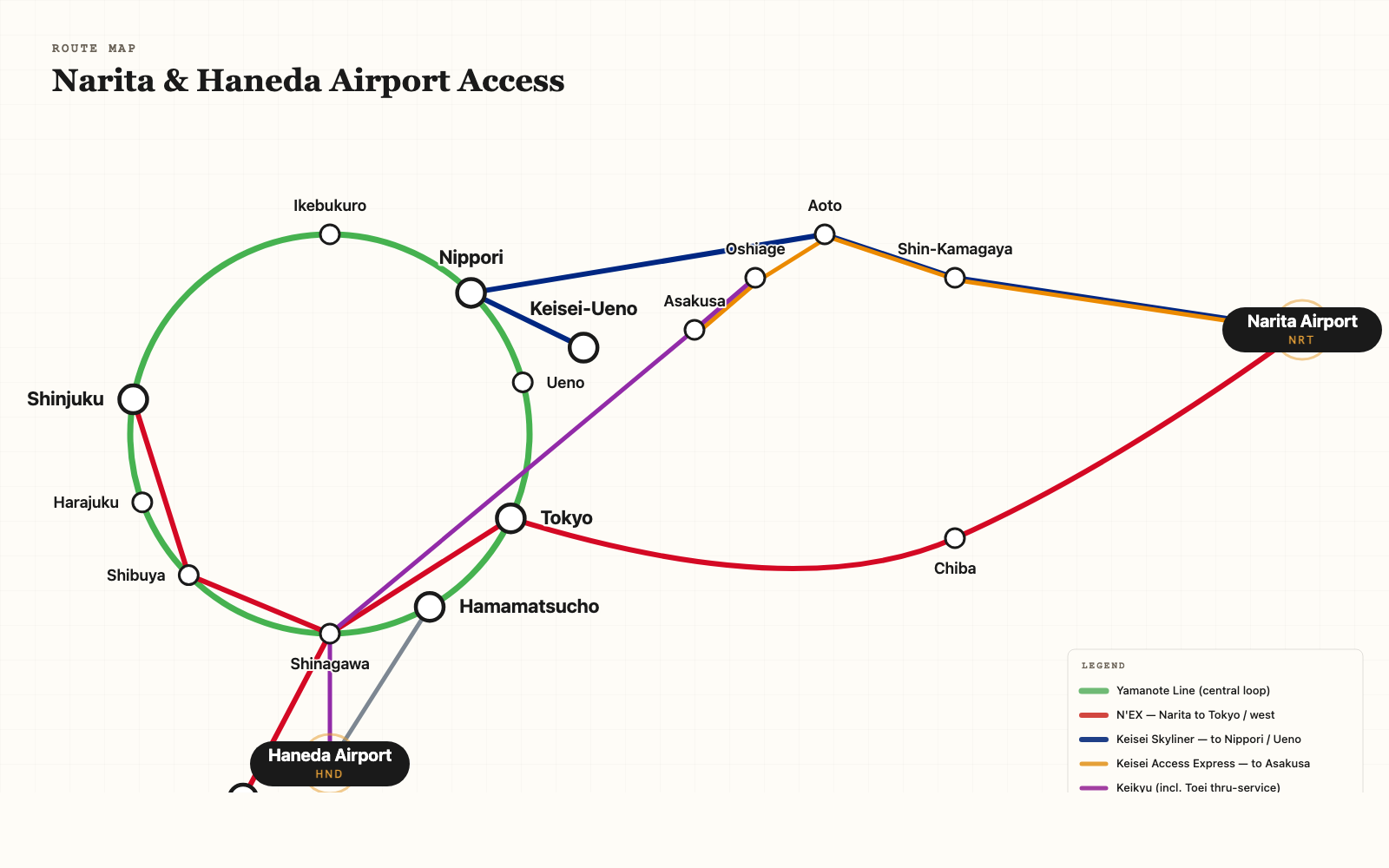
Tokyo has two main airports, and your move depends mostly on which side of Tokyo your host’s address sits on. The map below shows the rough layout — most travellers find this easier than reading station lists.
From Narita (60 km out)
Narita sits to the east, far from central Tokyo. The four sensible options:
- N’EX (Narita Express) — direct trains to Tokyo, Shinjuku, Shibuya, Yokohama. Reserved seats, real luggage racks. Best for stays on the west or central side.
- Keisei Skyliner — direct to Nippori and Keisei Ueno, the fastest option (under 40 minutes to Nippori). Best for stays around Ueno or the north-east side.
- Keisei Access Express — cheaper than Skyliner, slightly slower, with through-service to Asakusa via the Toei Asakusa Line. Best for stays in Asakusa or along the Asakusa Line.
- Limousine Bus — direct to most major hotel districts, no transfers, useful for heavy luggage or families.
- Airport Bus TYO-NRT — budget direct to Tokyo Station only.
A taxi from Narita to central Tokyo can cost ¥20,000+, so it is rarely the right call unless trains have stopped for the night.
From Haneda (much closer)
Haneda is south of central Tokyo and far cheaper to leave from:
- Keikyu Line — to Shinagawa and onward to many central stations. Direct through-service to Asakusa via the Toei Asakusa Line is convenient if your stay is on the east side.
- Tokyo Monorail — to Hamamatsucho, then a short transfer to the Yamanote Line.
- Limousine Bus — to Shinjuku, Ikebukuro, or the Tokyo Disney Resort area. A good pick for heavy luggage.
Late-night arrivals
Trains from Haneda run until just past midnight. From Narita, the last trains stop earlier (around 22:30–23:00), and your remaining options become a late-night Limousine Bus, a flat-rate taxi, or an airport hotel. If your flight lands very late, message your host the same morning — many Tokyo hosts will adjust expectations for evening arrivals.
→ Our Tokyo Airport Transfer guide goes deeper on routes, last-train times, and how to move with luggage. Once you’re in town, the Tokyo Trains Complete Guide covers the JR, Metro, Toei, and private rail systems you’ll use afterward.
3. Self Check-In: What to Expect
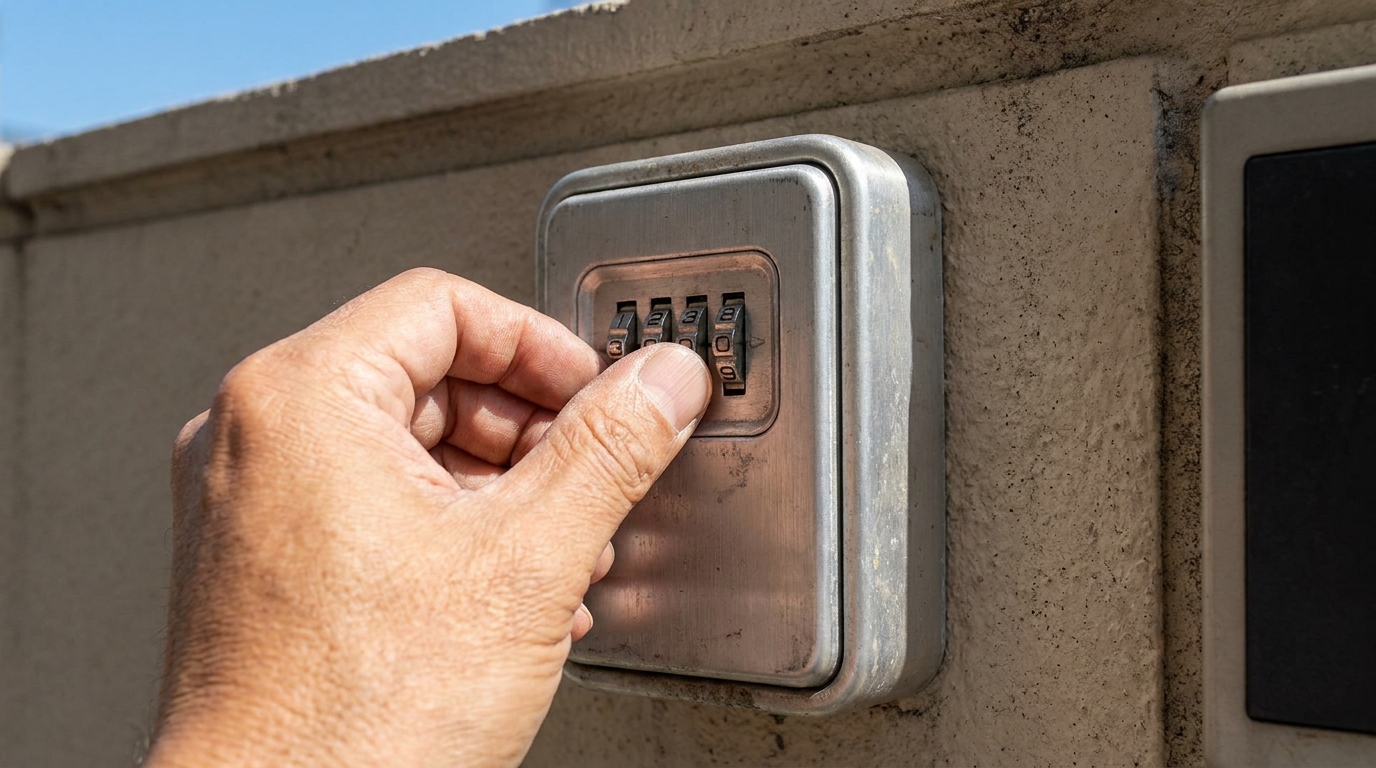
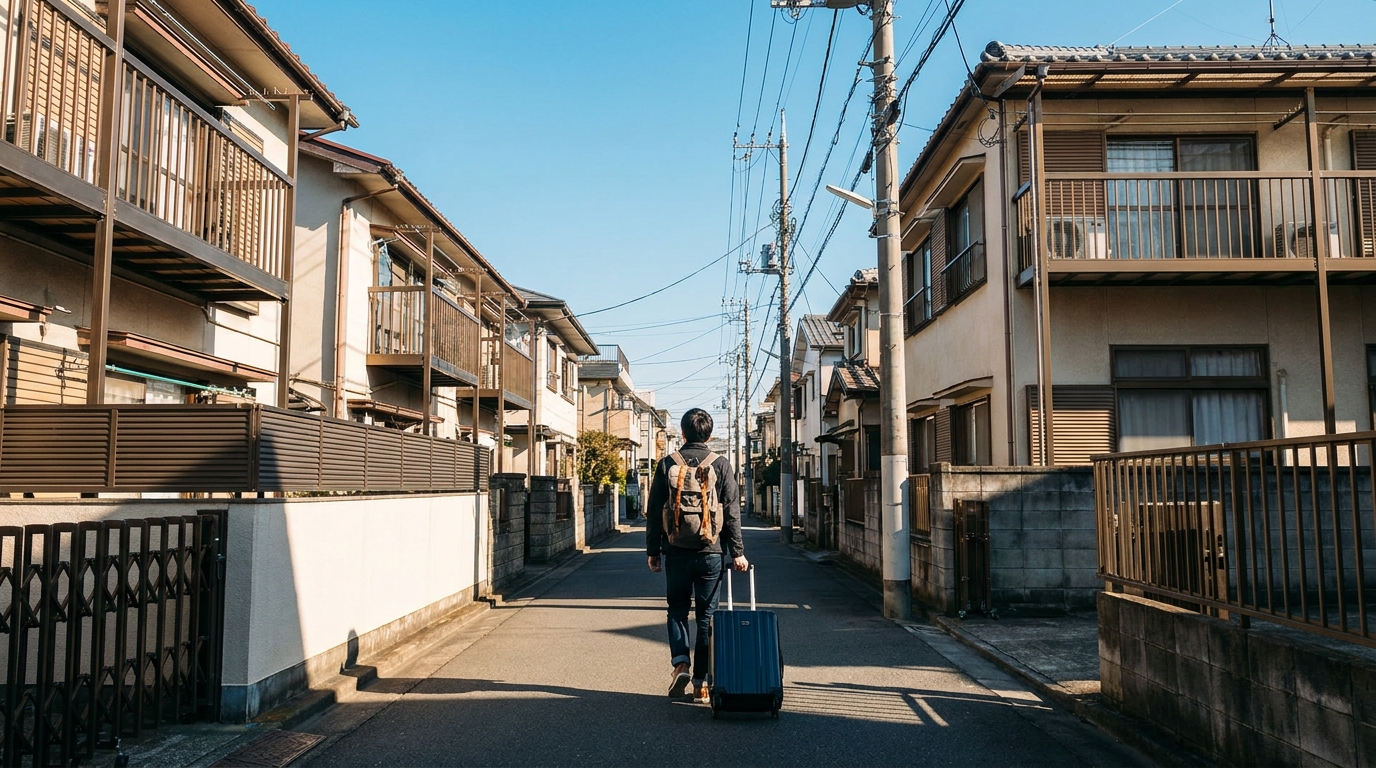
Self check-in is the standard at Tokyo Airbnbs. In most cases there is no front desk and no person waiting for you. The exact pattern varies — key box, smart lock, intercom, or sometimes a brief in-person meeting. Your host will explain which one their unit uses.
The general flow looks something like this:
- Find the building. Japanese addresses use chome-ban-go (district-block-building), and Google Maps may land 20–50 meters off in dense neighborhoods. Look for the building name on the mailbox panel inside the entrance.
- Reach the unit. Many Tokyo apartments have a keypad-locked entrance door at street level; others have a manned lobby or a free entrance. The host’s instructions will say which.
- Get the key. Common patterns include a 4-digit dial key box near the unit door, a smart lock with a PIN, or a key handed over in person. Whichever applies, your host’s message describes the exact step.
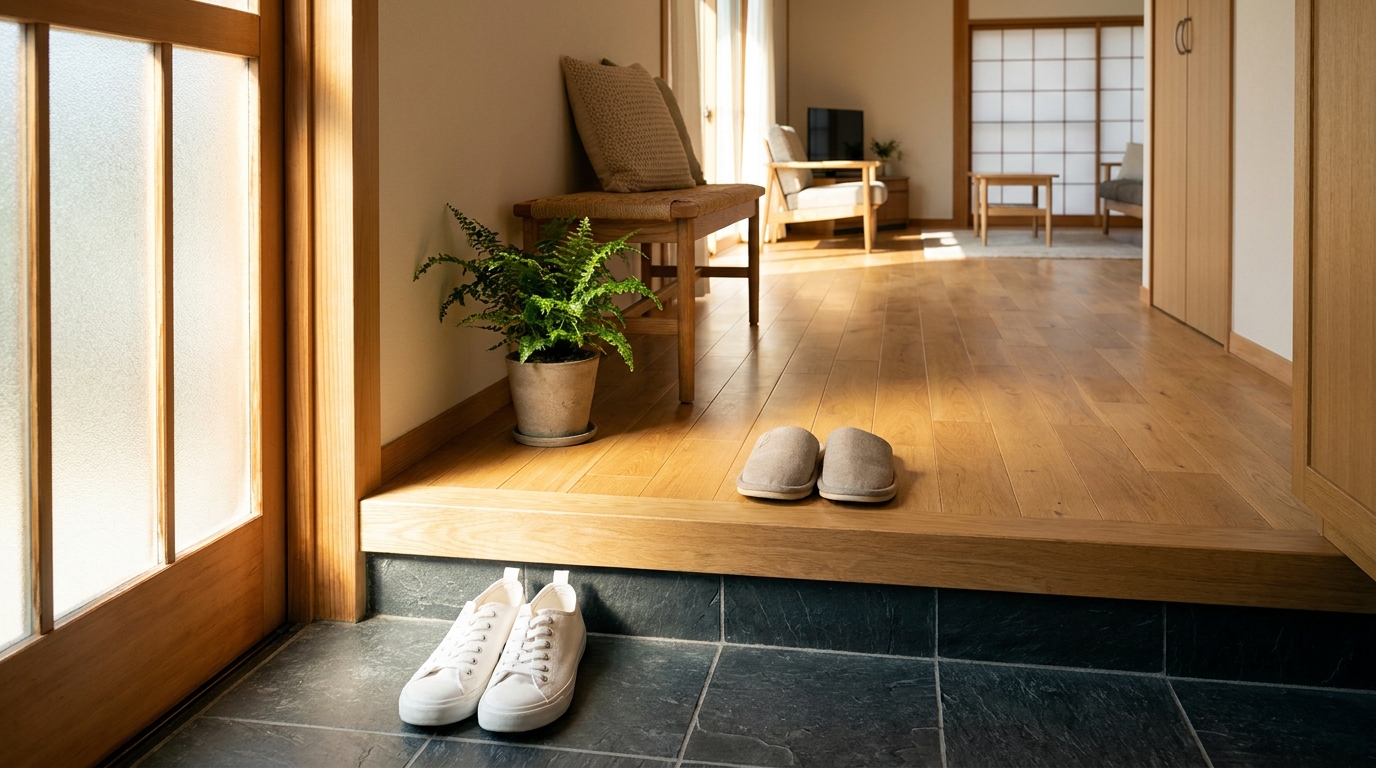
- Step inside. Shoes come off at the genkan — the recessed step at the entrance.
If you arrive earlier than the host’s check-in window, a few hosts can take luggage early; many cannot, because the unit is being cleaned. Asking ahead through your booking platform is the right move. Coin lockers at airports and major stations, plus services like Ecbo Cloak, work as a backup.
If anything goes wrong — the dial sticks, the smart lock refuses your code, the building has a quirk — message your host. Most respond within an hour, and many can change a smart lock code remotely.
→ Step-by-step walkthrough with photos: How to Check In to a Japanese Airbnb.
Why your host may ask for a passport photo
Japanese accommodation rules require checking the names, nationalities, and passport details of overseas guests. Hotels do this at the front desk; in an Airbnb, your host does the same step in advance through the booking platform’s messaging system. So if your host asks for a quick passport photo upload before arrival, it is not a scam — just the same identity check, done a few days earlier. Following stricter enforcement in 2025–2026, some hosts also do a short video check or in-person ID confirmation at check-in.
4. Three Things to Keep in Mind
These are not so much rules as everyday courtesies that make Tokyo neighbors happy. Your host will tell you any specifics that apply to their unit; this is the general background.
Be quiet, especially at night
Tokyo apartment walls are thinner than they look. The neighbors hear conversations, video calls, and even rolling suitcases. Most hosts ask guests to keep things low-volume in the evening and overnight — roughly 10:00 PM to 7:00 AM. Coming home late is fine; what carries through walls is laughter and luggage on hard floors.
Take off shoes at the genkan
The genkan is the recessed step inside the entrance. Outdoor shoes stay there. Slippers (often provided) are for the rest of the apartment. Walking through with outdoor shoes is the single most common host complaint, and it is the easiest thing to remember.
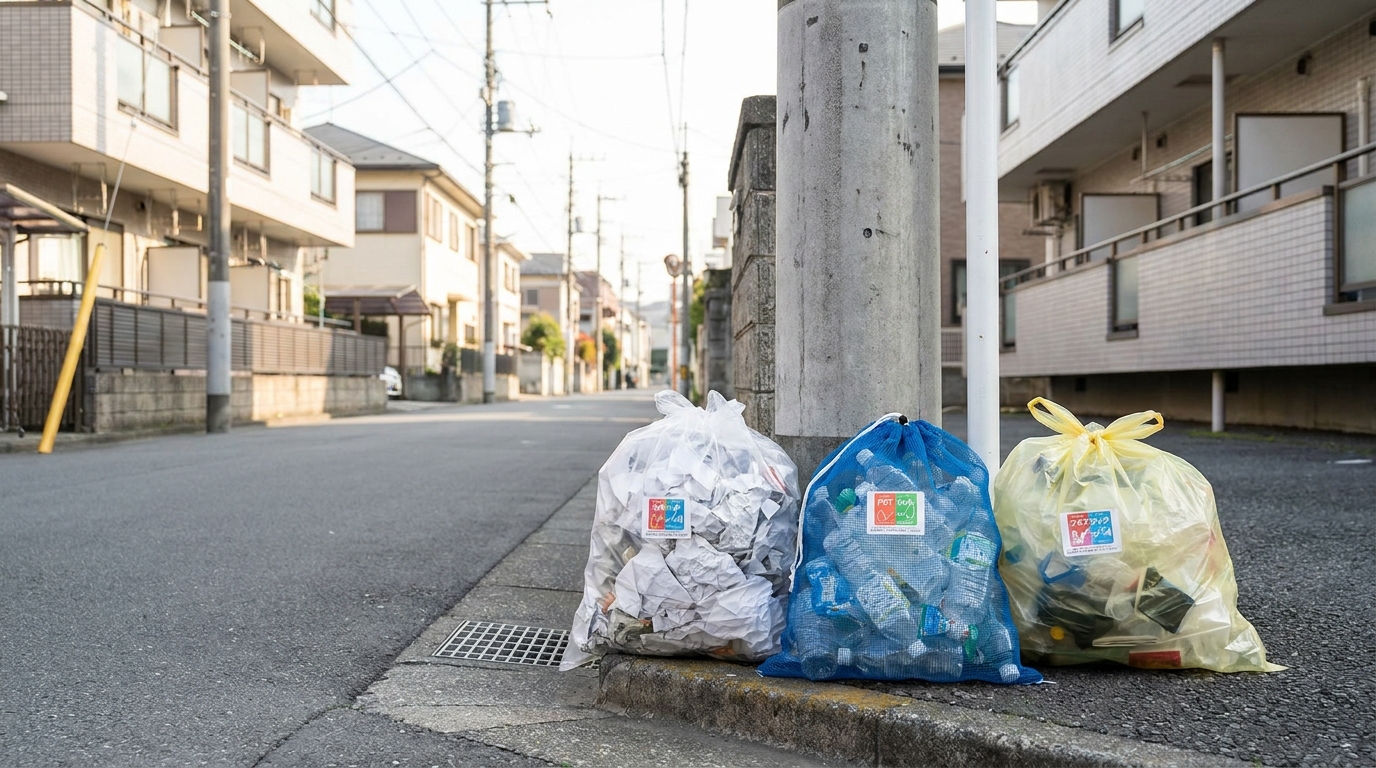
Trash — check the host’s chart when you arrive
Japan sorts garbage into several categories, and each ward has its own collection schedule. The good news: you do not need to learn this before you fly. Your host will leave a chart in the unit (or a message) showing what goes out on which day and where to place the bag. Glance at it on day one and the rest takes care of itself.
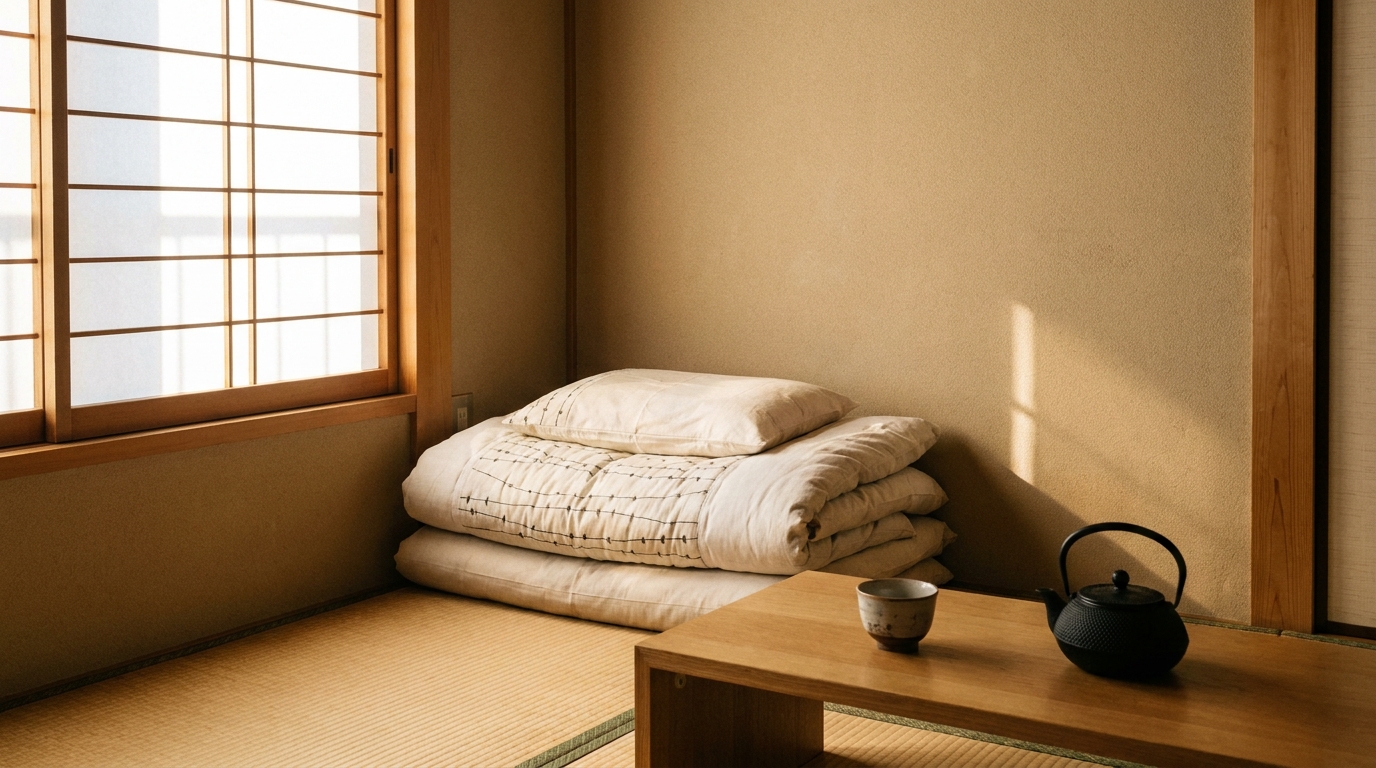
Anything else specific to your unit — bathroom slippers, futon handling, balcony rules — will be in your host’s message. Read it once on arrival and you will know what to do.
5. Tokyo Things You’ll Probably Love
The fun part. Tokyo rewards curiosity in small ways, and the first 24 hours are when most of these little discoveries happen.
Vending machines on every block
Tokyo has roughly one machine for every 23 people. Hot canned coffee in winter, cold barley tea in summer, energy drinks named after fruit you have never heard of. A Suica tap pays. They are everywhere — outside konbini, on residential corners, at train station platforms. Try a hot drink on a cold morning; it is a small joy. Niche machines (hot soup, ramen, frozen meals) live mostly in train stations and tourist zones — see our Vending Machines in Japan guide.
Konbini are far more than corner shops
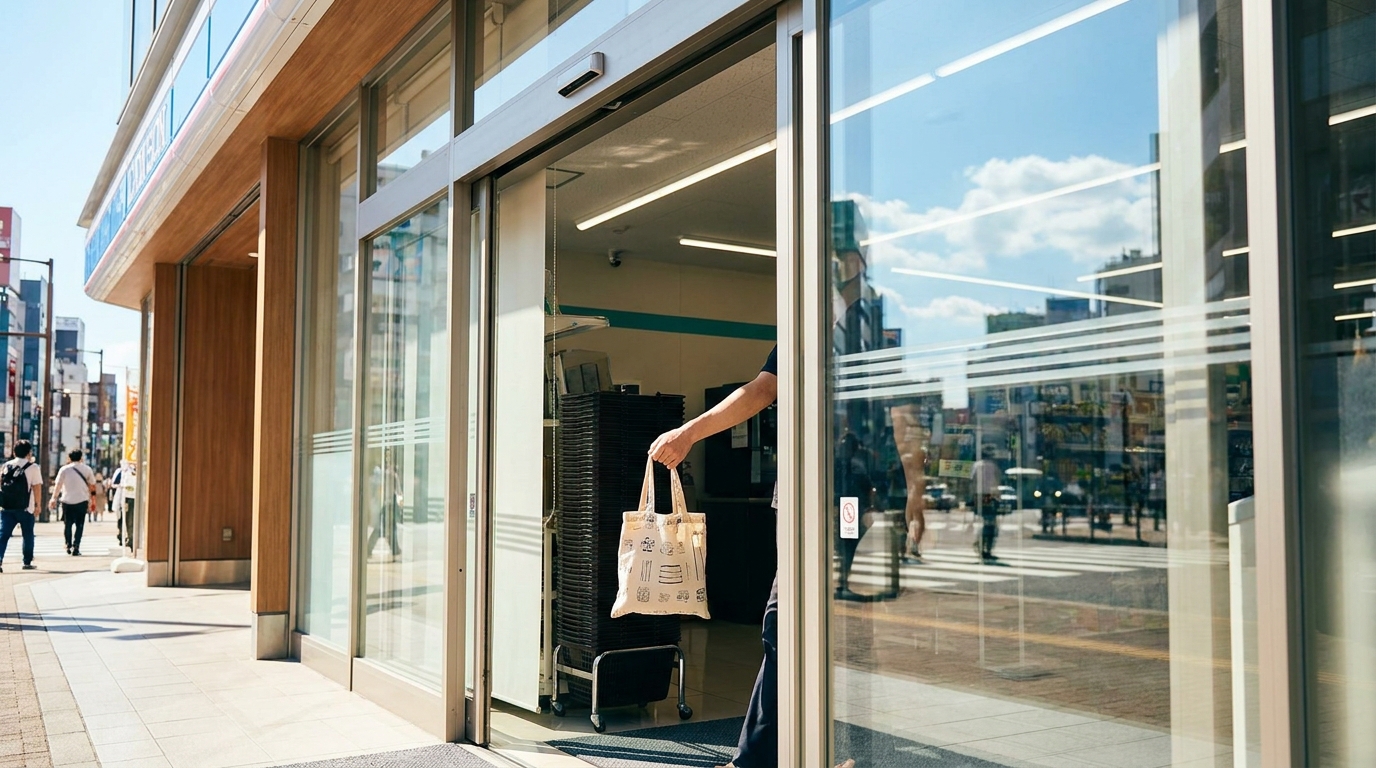
A 7-Eleven, FamilyMart, or Lawson is rarely far. They are open 24 hours, accept cards and Suica, and quietly do far more than sell snacks: ATMs that accept overseas cards, printers for boarding passes, hot fried chicken, ramen of surprising quality, beer, umbrellas, USB cables, even SIM cards. Many guests find the first late-night konbini run becomes one of the small highlights of the trip. Full service breakdown: Japanese Konbini guide.
Tokyo at night feels remarkably calm
Walking back to your Airbnb at 11 PM in Tokyo feels different from most large cities — quieter, well-lit, and surprisingly safe. Side streets have small shrines, lit-up vending machines, and the occasional tiny bar that seats four people. Wandering after dinner, with no specific destination, is one of the city’s underrated pleasures.
Casual restaurants without reservations
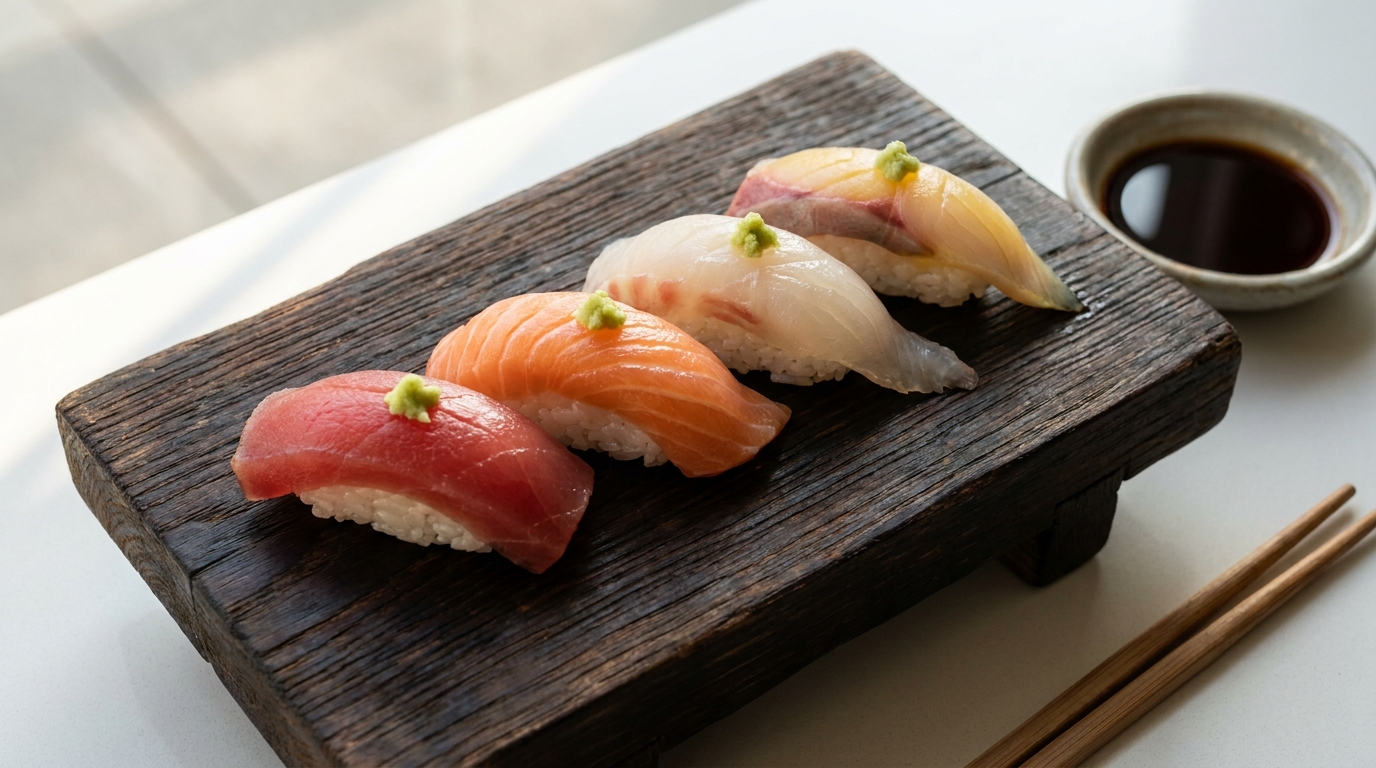
For most casual meals — ramen, izakaya, curry, soba — walk-ins work fine. Reservations matter mainly for sushi counters, the popular ramen spots, and a handful of social-media-famous places. When you do need to book, English-friendly apps like TableCheck and OMAKASE handle it cleanly. Our Tokyo Restaurant Reservation guide compares the apps that actually work for foreign guests.
A neighborhood bath, if your stay has one nearby
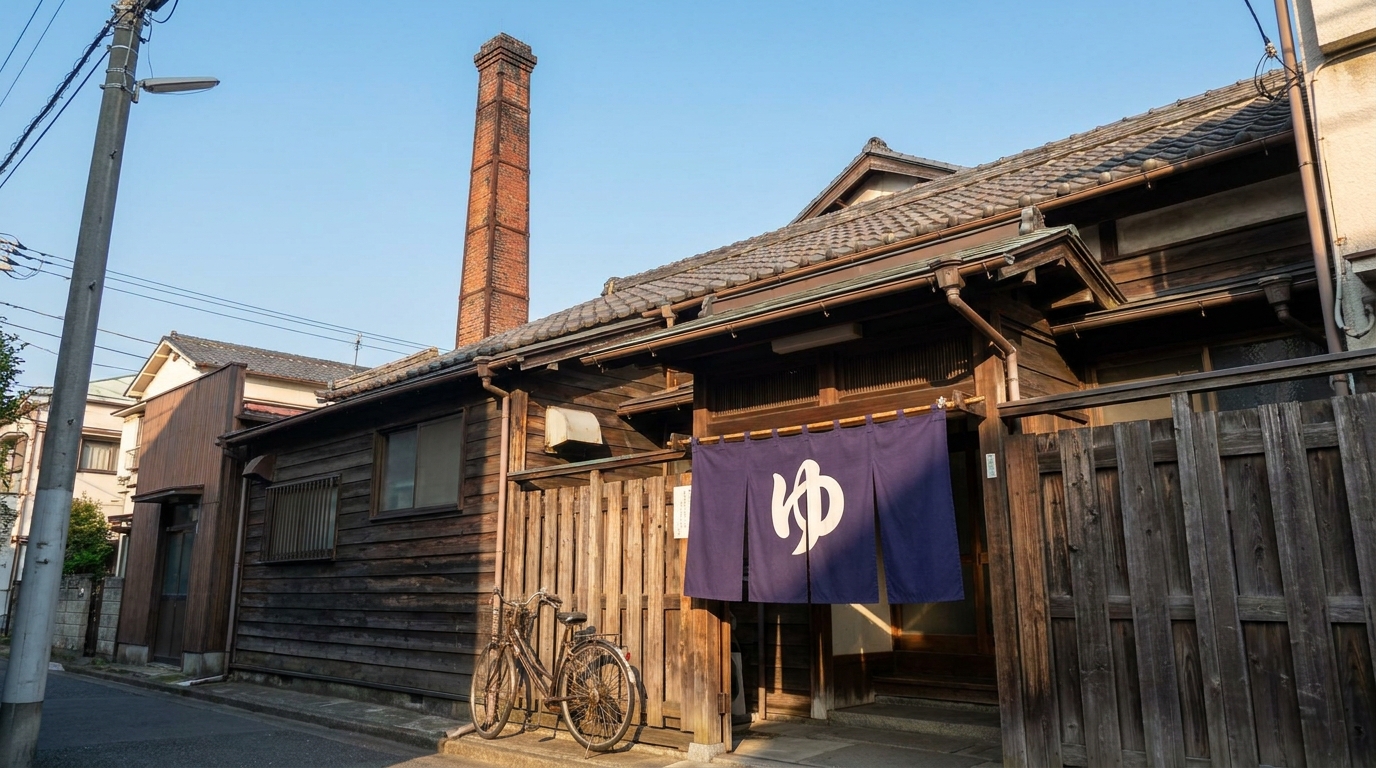
Many Tokyo neighborhoods have a public sentō or onsen within a short walk. They cost around the same as a coffee, the water is hotter than you expect, and the etiquette is simple once explained. If you are curious, our Onsen Etiquette guide covers the basics, including current tattoo policies.
6. Frequently Asked Questions
1. Do I really need cash in Tokyo?
Less than you might think. Cards and Suica taps cover most of 2026 Tokyo. Carrying ¥10,000–20,000 in cash handles smaller shops, shrine donations, and the occasional cash-only spot. ATMs at any 7-Eleven, FamilyMart, or Lawson accept overseas cards 24 hours.
2. How early can I check in?
Standard windows start around 3:00 PM or 4:00 PM. Earlier arrival is at the host’s discretion — message ahead through your booking platform. If early check-in is not possible, airport coin lockers and station storage are easy backups.
3. What if my host’s message is only in Japanese?
It happens. Google Translate’s camera mode handles it well. If anything still feels unclear, ask through the booking platform’s messaging — your host can re-send in English. Avoid relying on a translation done hours before arrival; check it the moment you receive the message.
4. What should I do if the key box will not open?
Try the code three times slowly — most failures are misread digits (8 vs 0, 6 vs 9). If it still does not open, message your host. Many can change a smart lock code remotely. As a fallback, the nearest konbini has free Wi-Fi and a place to wait.
5. Why does my host need a copy of my passport?
Japanese accommodation rules ask hosts to check the names, nationalities, and passport details of overseas guests. Hotels do this at reception; Airbnb hosts collect the same information through the booking platform before arrival because there is no front desk to do it on the day.
6. Can I drink the tap water?
Yes. Tokyo tap water is safe and tastes fine. Most travellers fill a bottle from the kitchen tap rather than buying water.
7. Is it safe to walk back to my Airbnb late at night?
For most central Tokyo neighborhoods, yes. Tokyo is one of the safest large cities in the world for late-night walking. Common-sense awareness still applies, but most guests find the city calmer at night than what they’re used to.
8. Do I need to clean before checkout?
Hosts run cleaning between stays, so deep cleaning is not on you. Bagging your trash, washing the dishes you used, and leaving the unit roughly as you found it is enough. Specific checkout steps will be in your host’s message.
9. Do I need a SIM card or eSIM before arriving in Tokyo?
Strongly recommended. Airbnb hosts usually message via the app and may share the door code or directions on arrival day. Without mobile data you cannot read those messages outside Wi-Fi zones. Tourist eSIMs from Airalo or Ubigi (¥1,500–¥3,000 for 7 days) activate before you land. Details: see our Pocket WiFi vs eSIM vs SIM Card in Japan guide.
10. What plug type does Japan use? Will my charger work?
Japan uses Type A outlets (two flat parallel pins) and 100V. Most modern USB-C and laptop chargers handle 100V–240V automatically — just check the small print on your charger. For two- or three-pin plugs from Europe, the UK or Australia, you need a simple Type A adapter. Details: see our Will My Charger Work in Japan? guide.
11. Can I leave my luggage somewhere before Airbnb check-in?
Yes. Coin lockers at major stations (¥400–¥800 per day) and Ecbo cloak app (from ¥500/day, reservable in English) cover most cases. Many Airbnb hosts allow morning luggage drop if you message ahead, but do not assume it. Details: see our Tokyo Luggage Storage 2026 guide.
12. Will my foreign credit card work everywhere in Tokyo?
At chain stores, hotels, larger restaurants and trains — yes, in most cases. At small ramen shops, izakaya, neighborhood stores and some temple entry counters — often no. Carry ¥10,000–20,000 in cash as backup. Details: see our Cash in Japan 2026 guide.
13. What if I get sick or injured during my stay?
For minor issues (cold, headache, minor cuts), drugstores like Matsumoto Kiyoshi or Welcia carry English-labeled medicines. For anything serious, the AMDA International Medical Information Center (+81-3-6233-9266) connects you to English-speaking clinics. Tourist insurance is strongly recommended — Japanese clinic fees are not low for non-residents. Details: see our Japan Pharmacy & Drugstore Guide.
Wrapping Up
Tokyo Airbnbs feel demanding only because they are different — different addresses, different appliances, different appliances-with-too-many-buttons. None of it is hard once you have been through it once. Read your host’s message twice, screenshot it, and remember they are one message away.
Then forget the rest and enjoy the city. Tokyo is more forgiving than its reputation suggests, especially for guests who arrived with a charged phone and an open mind.
Useful Official Resources
- Airbnb Help Center — Japan — official guidance on hosting and staying in Japan.
- Go Tokyo — Official Tokyo Tourism Site — Tokyo’s English tourism portal, with district pages and event calendars.
- JR East — Welcome Suica — official information on the Welcome Suica card and the iPhone Welcome Suica Mobile app.

Comments