- Quick Answer
- How Common Are Late-Night Arrivals in Tokyo?
- The “Time Gap” You’ll Face
- 5 Real Options for Travelers With Suitcases (Plus 2 to Avoid)
- Decision Flowchart — Pick Your Option in 30 Seconds
- Step-by-Step: Arrived at Haneda 1 AM
- Step-by-Step: Arrived at Narita 5 AM
- What to Avoid (Real Stories From Hosts)
- Booking Tips for Next Time
- FAQ
Quick Answer
You landed at Haneda or Narita well past midnight. Your hotel won’t open until 15:00, and the first trains don’t run until 5:30. Here’s the short version for travelers dragging suitcases:
- Need sleep + luggage handled: capsule hotel (Nine Hours, ¥4,000–9,000) or overnight sauna-spa (Spa LaQua, Thermae-Yu Shinjuku, ¥3,500–7,000).
- Just need to wait until first train: late-night family restaurant in Shinjuku/Shibuya (Gusto, Jonathan’s; open until ~5 AM, ¥1,000–2,000) or a 24-hour McDonald’s (¥500–1,500).
- Budget allows: book a business hotel with late check-in (APA, Tokyu Stay; ¥10,000–20,000).
- First trains: Yamanote Line starts around 4:40–5:30 AM at major JR stations; Tokyo Metro around 5:00 AM.
How Common Are Late-Night Arrivals in Tokyo?
Budget airlines have pushed more inbound flights into the dead-of-night slots at Haneda. Carriers like Jetstar Japan, Peach Aviation, Spring Japan, and several Southeast Asian LCCs routinely arrive between 22:00 and 24:00 — sometimes later when delays stack up. Narita sees the mirror pattern: low-cost flights from Manila, Bangkok, and Taipei often land at 5:00–6:00 AM.
Your real problem is rarely the airport. It’s the seven-hour gap between “the last train just left” and “my hotel check-in opens at 15:00.” If you don’t plan for it, that gap turns into one of the most miserable nights of your trip.
The “Time Gap” You’ll Face
Most Tokyo hotels list official check-in at 15:00. Some accept arrivals up to 24:00 without extra charge; a few large chains run a 24-hour front desk but still won’t unlock a room before 15:00 unless you pay a late check-in fee.
Train timing is the other half of the squeeze:
- Yamanote Line (JR): last trains around 24:30; first trains around 4:40–5:30 depending on station.
- Tokyo Metro: last trains 24:00–24:30; first trains around 5:00.
- Toei Subway: similar to Tokyo Metro.
- Private lines (Keikyu, Tokyu, Keisei): last trains around 23:30–24:00; first trains 5:00–5:30.
Worst case: you clear Haneda customs at 24:00, reach central Tokyo at 1:00, wait until the 5:30 first train, then sit at your destination station until your 15:00 hotel check-in. That’s roughly fourteen hours of dead time if you didn’t plan ahead.
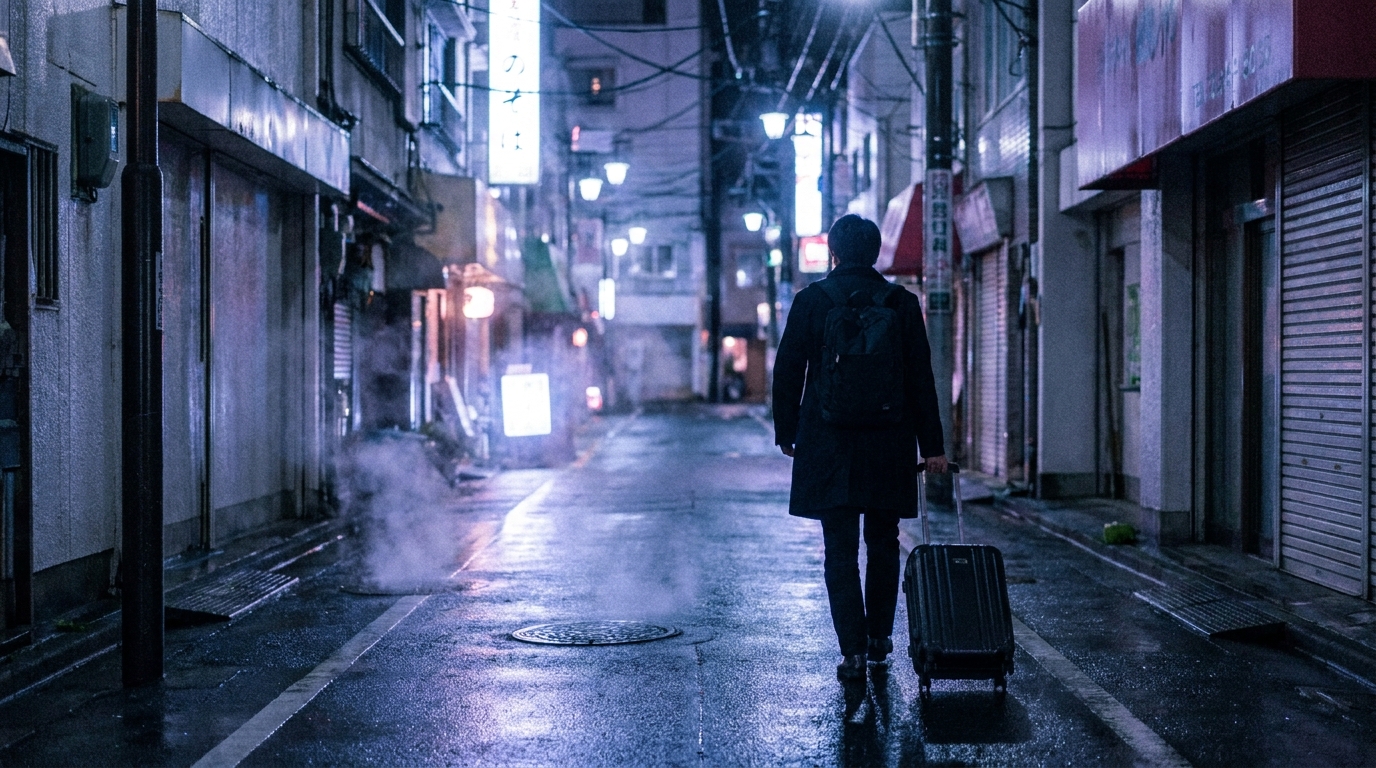
Featured image — empty late-night Tokyo street with a traveler pulling a suitcase
5 Real Options for Travelers With Suitcases (Plus 2 to Avoid)
The recommendations below are filtered for travelers with full-size luggage. If you only have a backpack, you have more options (manga cafés, karaoke); with a suitcase, those become traps.
Option 1: Late-Night Family Restaurants (¥1,000–2,000)
What it is: Gusto, Jonathan’s, and Denny’s — the Japanese equivalent of Denny’s chains in the US. Most branches dropped full 24-hour service after COVID, but several flagship stores in central Tokyo still operate until roughly 5 AM.
Verified late-night locations (confirm hours on Google Maps the day of — chains rotate overnight branches frequently):
– Gusto Yasukuni-dori (Shinjuku)
– Jonathan’s Shinjuku Nishiguchi Daiguardo
Note: Most Denny’s, Saizeriya, and many Gusto branches in central Tokyo have ended overnight hours since 2020. Confirm with “Open 24 hours” filter in Google Maps on the day.
Pros: A suitcase fits under the table; multilingual menus (English, Chinese, Korean) are standard; power outlets at most seats; the drink bar (¥300–400) lets you stay 3–4 hours on one order.
Cons: Staff may wake sleeping customers; bright lights all night; no true rest.
Best for: Arrivals between 1:00 and 3:00 AM, solo or paired travelers with mid-size luggage who just need to wait.
Option 2: 24-Hour Cafés (¥500–1,500)
What it is: 24-hour McDonald’s branches in central Tokyo, plus chain cafés that open early (Komeda Coffee in Shinjuku opens around 5:00, useful for the last leg before first train).
Verified 24-hour location (as of 2026):
– McDonald’s Roppongi Hills
Note: The 24-hour café landscape in Tokyo has shrunk significantly since 2020. Previously-listed 24h McDonald’s in Shibuya Center-gai, Roppongi Crossing, and Tokyo Station have either closed or moved to limited overnight hours. Use the Google Maps “Open 24 hours” filter on the day you arrive — and call ahead if possible, since individual McDonald’s branches sometimes close for maintenance without notice.
Pros: Cheapest paid option; free Wi-Fi (FREE_Wi-Fi_Tokyo or the chain’s own network); suitcase fits beside the seat; staff turnover is low and rarely disturbs customers.
Cons: No sleeping allowed; small tables for large luggage; the chairs are not designed for hours of waiting.
Best for: The 4:00–5:30 last-leg wait before first train, or pairing with another option.
Option 3: Capsule Hotels (¥3,500–8,000)
What it is: A coffin-sized pod with a real mattress, dimmable light, USB outlet, and curtain. Communal showers, lockers for valuables, and reception staff who store your big bags.
Recommended chains for foreign travelers:
– Nine Hours — Akasaka, Suidobashi, and Hamamatsucho branches operate as of 2026; Shinjuku-North reopens around June 2026 (the women-only “Nine Hours Woman Shinjuku” also serves the Shinjuku area). ¥3,500–8,000 depending on date and location. English check-in. Walk-in space is sometimes available after 23:00.
– First Cabin — Tsukiji, Akihabara Showa-Dori, and Ichigaya branches are open as of 2026 after the original chain’s 2020 bankruptcy was followed by new operators relaunching key sites. Wider pods, partial private-room style.
– Anshin Oyado — luxury capsule chain with six Tokyo locations (Shinjuku, Akihabara, Shimbashi, Ginza Shiodome, Ogikubo). Room rate includes artificial hot spring, sauna, breakfast curry, late-night ramen, and free drinks.
Pros: Real sleep; luggage handled at reception; English check-in at major chains; women-only floors are standard.
Cons: You can hear other guests through the curtain; not designed for families with children.
Best for: Solo travelers arriving 23:00–3:00 who want 4 or more hours of real sleep before continuing.
Late check-in tip: Book on Booking.com or Agoda, then use the messaging feature to tell the front desk your expected arrival time. Most chains hold rooms until 02:00 if pre-notified; after that, they may release the pod to walk-ins.
Option 4: Business Hotel With Late Check-In (¥10,000–20,000)
What it is: Standard chain hotels — APA, Tokyu Stay, Sotetsu Fresa Inn, Mitsui Garden — accept arrivals up to 24:00 free of charge if you’ve pre-booked. Late check-in past 24:00 or even past 26:00 (2 AM) is generally allowed at no extra cost as long as you message the hotel in advance with your expected arrival time. The key is to call or message — not just show up unannounced at 3 AM.
The “throwaway” hotel strategy: If your flight lands at 1 AM and your Airbnb opens at 15:00, paying ¥12,000–18,000 for one throwaway night at APA Shibuya or Tokyu Stay Shinjuku solves everything — a private bed, a shower, a place to leave your luggage, and breakfast. Then check out at 10:00, walk to your Airbnb area, store luggage there from 12:00, and explore until 15:00.
Pros: Real private room and bathroom; sleep until 10:00–11:00 checkout; no shared space.
Cons: The most expensive option; must be booked before you arrive.
Best for: Couples, light sleepers, travelers with two or more suitcases, or anyone whose first impression of Tokyo matters. (Note: Tokyo hotel rates have climbed sharply with inbound tourism — confirm current rates on booking sites before assuming the budget range above.)
Option 5: Sauna and Onsen Overnight Stays (¥3,000–6,000)
What it is: Spa-and-sauna complexes that allow overnight stays in reclining chairs, with full access to sauna, hot baths, and showers. Some offer attached capsule pods.
Foreigner-friendly options:
– Spa LaQua (Tokyo Dome City) — natural hot spring + sauna. Base admission around ¥3,500–4,000 plus a late-night surcharge of about ¥2,500 for stays between 1:00 and 6:00 (~¥6,000–7,000 total overnight). Walking distance from Korakuen and Suidobashi stations. Free reclining lounges for sleep.
– Thermae-Yu Shinjuku — natural hot spring + sauna in Kabukicho. Around ¥3,000 weekdays / ¥3,200 weekends. Known as tattoo-tolerant when covered with stickers; multilingual signage.
– Candeo Hotels Shimbashi Sky Spa (hotel-guest only) — rooftop heated bath (artificial, not natural hot spring) open 15:00 to 11:00 next morning. Sauna closes 2:00 to 6:00 for safety. Book the hotel room itself (around ¥22,000–35,000 with current inbound demand pricing).
Pros: Real bath and sauna unwinds you after a long flight; reception stores luggage; women-only sections are standard at both Spa LaQua and Thermae-Yu.
Cons: Tattoo restrictions still apply at some traditional bath areas (see the Japan Onsen Etiquette guide for which facilities accept tattoos); shared sleep space.
Best for: Travelers who want a bath-plus-nap combo and don’t mind sharing space with locals.
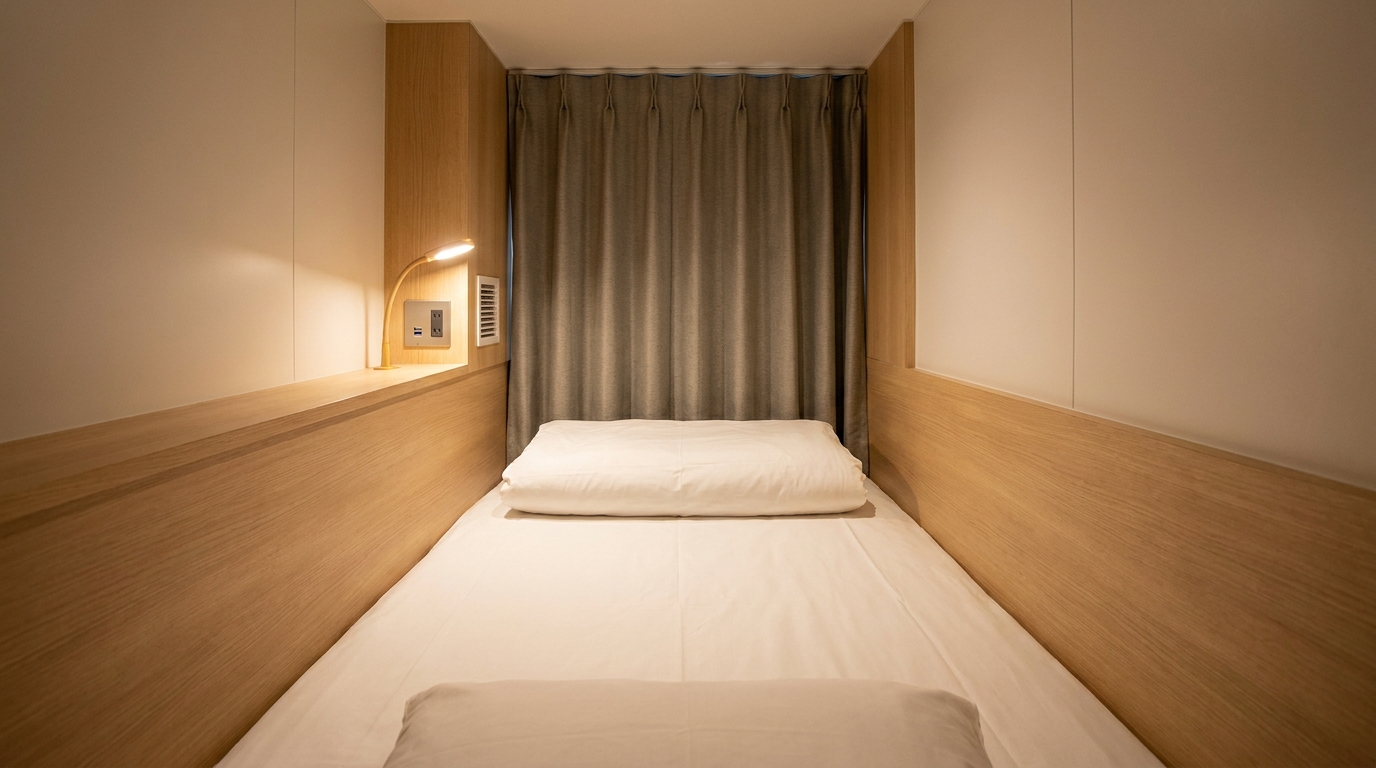
interior view inside a Tokyo capsule hotel pod
Two Options to Avoid (For Travelers With Suitcases)
| Option | Why Not |
|---|---|
| Manga / Internet Café (Kaikatsu Club and similar) | Storage lockers are too small for full suitcases; some branches refuse entry with bulky bags. Works for day-trippers with backpacks, not airport arrivals. |
| Karaoke “All-Night” Plans | Rooms accept luggage, but the music plus party energy until 5 AM makes real rest impossible. Used by locals, rarely useful for jet-lagged tourists. |
Decision Flowchart — Pick Your Option in 30 Seconds
Use the matrix below to land on one option without overthinking:
Arrival time at central Tokyo?
├── 22:00–24:30 → Trains still running → Go to your booked place
├── 24:30–03:00 → The no-train hours
│   ├── Need real sleep? → Capsule (¥3.5-8K) / Hotel late CI (¥8-15K) / Sauna stay (¥4-6K)
│   └── Just need to wait? → Late-night family restaurant (¥1-2K) / 24h café
└── 03:00–05:30 → First train coming → 24h café (¥500-1.5K) makes most sense
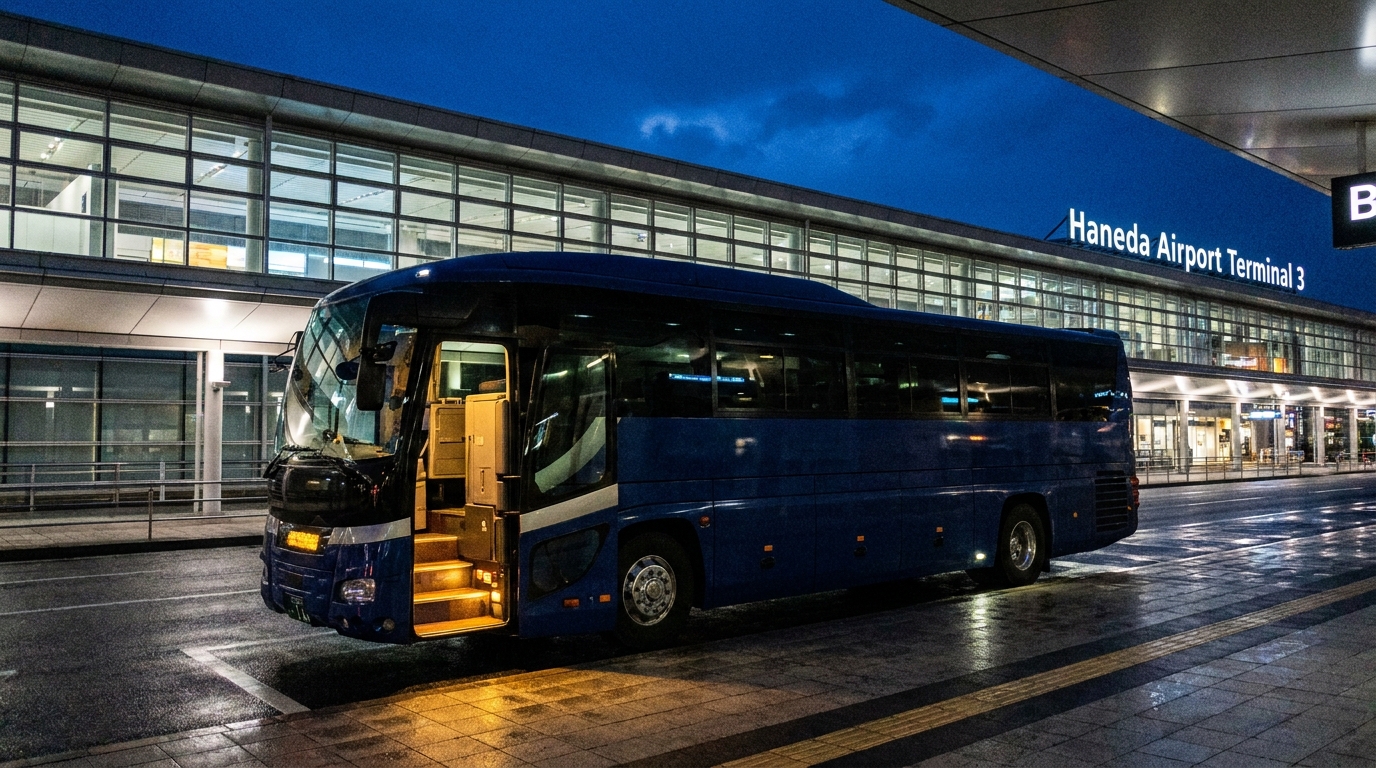
Late-night limousine bus departing Haneda Airport
Filter by budget after time:
| Budget per night | Recommended option |
|---|---|
| Under ¥2,000 | Family restaurant or 24h café (no sleep) |
| ¥3,000–5,000 | Capsule hotel or sauna stay (real sleep) |
| ¥8,000+ | Business hotel with late check-in (private room) |
Step-by-Step: Arrived at Haneda 1 AM
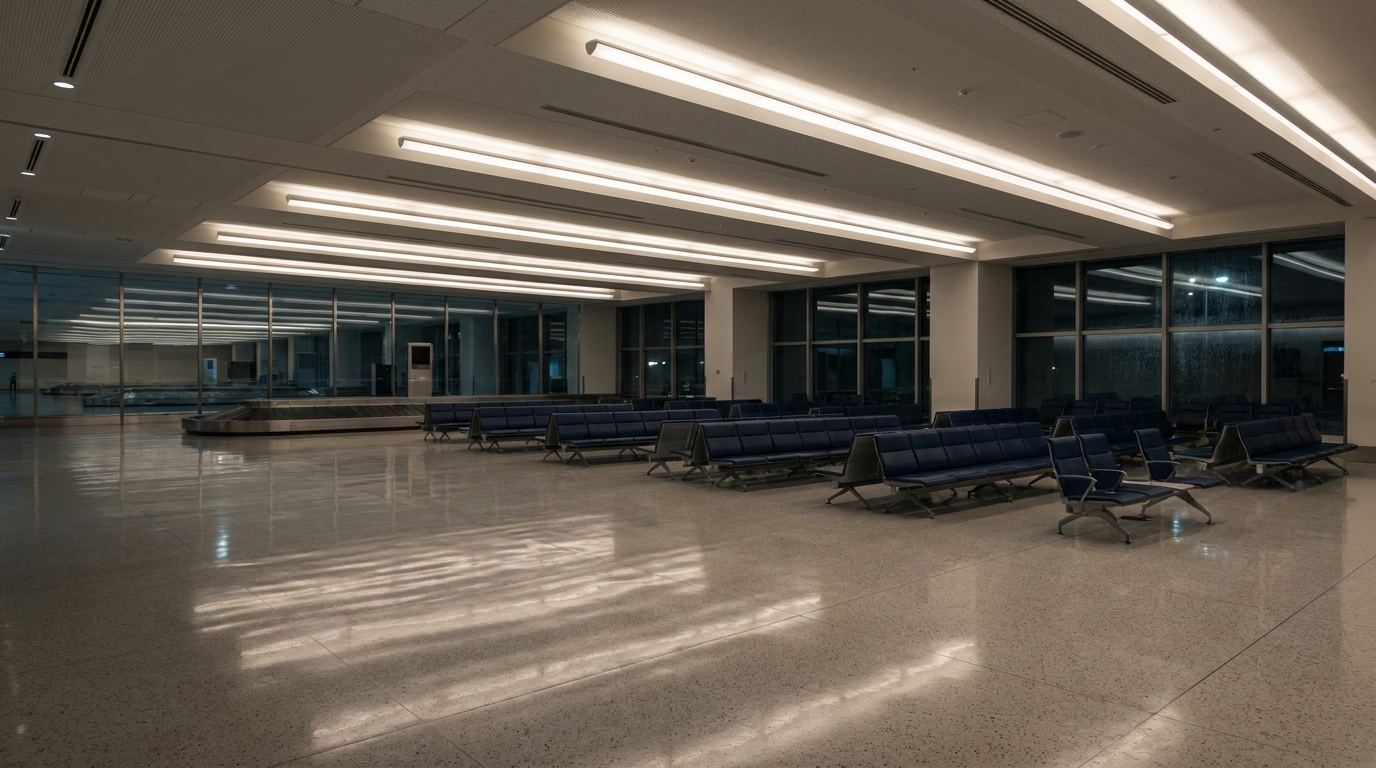
Haneda Terminal 3 late-night route map
Stage 1 — Exit customs: With a packed late-night flight, expect to clear in 30–60 minutes. You’ll likely exit between 00:30 and 01:30.
Stage 2 — Trains stopped: The last Keikyu Line train to Shinagawa runs around 24:00 (check the Keikyu official site for your date — slight seasonal shifts happen). The Tokyo Monorail runs a similar last-train pattern.
Stage 3 — Pick your route:
- Taxi (primary recommendation for late-night arrivals): ¥7,000–10,000 to central Tokyo, with flat-rate zones for Shinagawa, Minato, and Ota wards. Most reliable option after midnight.
- Limousine Bus: Confirm same-day service before relying on it; late-night Haneda routes remain limited and may not cover the full 0:00–4:30 corridor. Check limousinebus.co.jp on the day before assuming a route. When operating, fares run roughly ¥1,500–2,500 to Shinagawa, Tokyo Station, or Shibuya.
- Stay at Haneda: Terminal 3 has free benches on Floor 2 (Arrivals), Floor 3 (Departures), and Floor 4 (Edo Komachi observation area). Power outlets are available. First Cabin Haneda Terminal 1 accepts short stays from around ¥2,500 for 2 hours (capsule “day-use”); extending until morning costs about ¥6,000–8,000.
Concrete combinations:
- Solo traveler, one suitcase: Taxi from Haneda to Hamamatsucho (~¥4,500–6,000), check into Nine Hours Hamamatsucho (~¥8,000–10,000 walk-in if space), sleep until 9:00.
- Couple with two suitcases: Taxi to Shibuya (~¥8,000–10,000), check into APA Hotel Shibuya Dogenzaka-ue (around ¥15,000–20,000 at current rates, late check-in OK if pre-notified), sleep until 10:00 checkout.
Step-by-Step: Arrived at Narita 5 AM
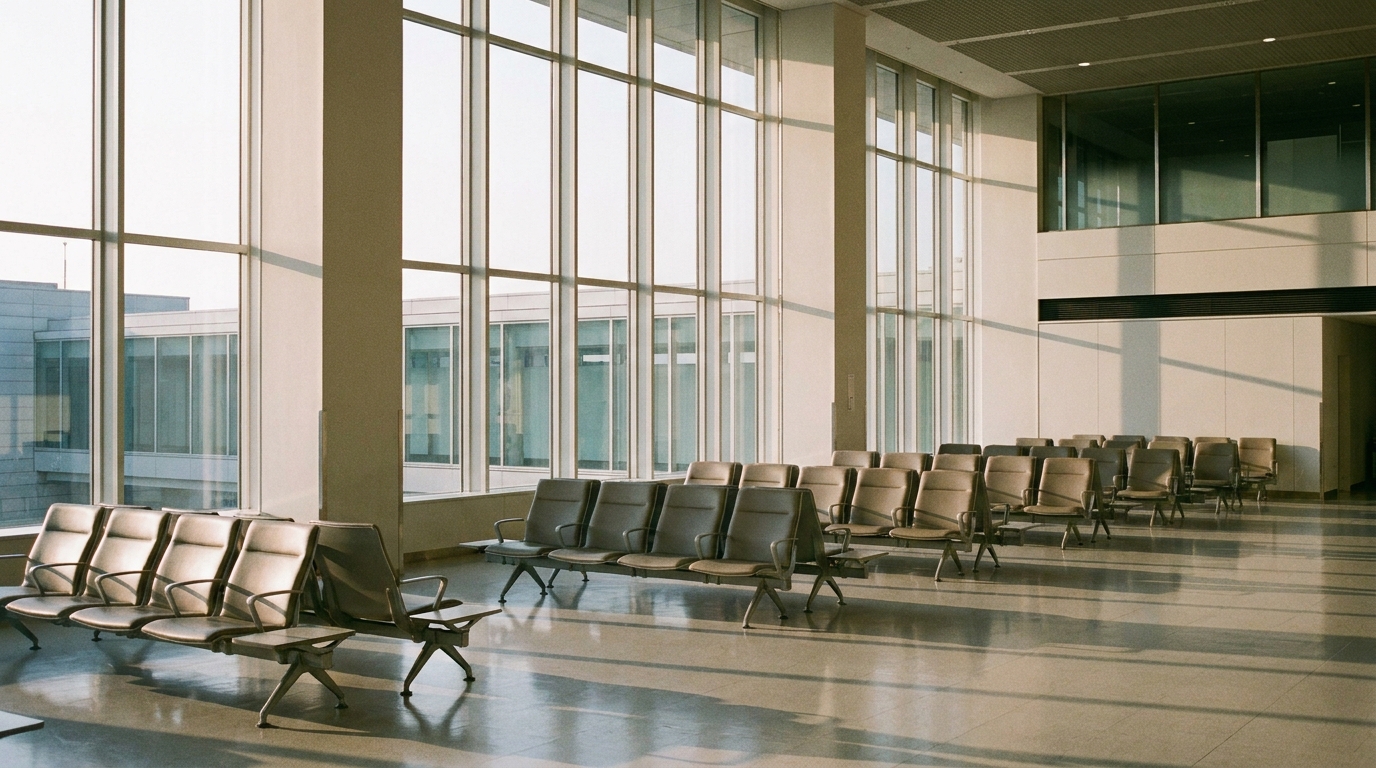
Narita Terminal arrival route map
Stage 1 — Exit customs: Plan for a 30–60 minute customs clearance after landing. Most early-morning Narita arrivals exit the gate between 5:30 and 6:30 AM.
Stage 2 — First trains to Tokyo:
Note: The express services (Skyliner, N’EX) don’t start running until ~7:30 AM on weekday timetables. Your real first-train option at 5 AM is the local Keisei Main Line.
- Keisei Main Line (local) — first departure around 5:16 AM, reaches Ueno in about 90 minutes (¥1,050). This is the realistic first-train option at 5–6 AM.
- Skyliner — first departure around 7:30 AM (Skyliner #2 to Keisei-Ueno via Nippori), ¥2,570. Useful only if you wait at the airport for 1.5–2 hours.
- N’EX (Narita Express) — first departure around 7:37 AM (N’EX #2 to Tokyo / Shinjuku / Ofuna), ¥3,330 to Shinjuku. Same constraint as Skyliner.
(Confirm the same-day timetable on the Keisei official site and JR-East official site before your trip — revisions happen seasonally.)
Concrete combinations:
- Solo traveler, 5:30 AM out of customs: Keisei Main Line 5:16-area departure → Ueno around 6:45 → transfer to Yamanote → reach Shibuya/Shinjuku 7:00–7:15 → 24h café (McDonald’s Roppongi Hills or any open coffee chain — check on the day) until Airbnb 15:00 check-in.
- Couple or family wanting one transfer only: wait in the airport lounge area until 7:30, then Skyliner 7:30 → Keisei-Ueno 8:11, transfer to local subway, reach your booked hotel area around 8:30, ask reception to hold luggage (major business hotel chains accept bag drop-off from 10:00 free of charge), then explore until 15:00.
What to Avoid (Real Stories From Hosts)
Tips collected from Tokyo Airbnb hosts who deal with after-midnight arrivals weekly:
- Sleeping in public parks: Not technically illegal, but police regularly patrol Yoyogi Park, Hibiya Park, and Ueno Park overnight and may ask non-residents to move on. Don’t plan on this as a strategy.
- Staying inside a train station: Tokyo, Shinjuku, and Shibuya stations all close their gates between roughly 1:30 and 4:30 AM. You will be ushered out by station staff.
- Pushing for Airbnb early check-in at 2 AM: Tokyo Airbnb hosts rarely live on-site; many work day jobs. A 2 AM message asking “can I come early?” often goes unanswered until 8:00. Don’t count on it.
- Standing in the lobby of your booked hotel: Business hotel front desks are often unattended between 2:00 and 5:00 AM. Even at 24-hour properties, your room stays locked until 15:00 unless you pre-paid the late check-in fee.
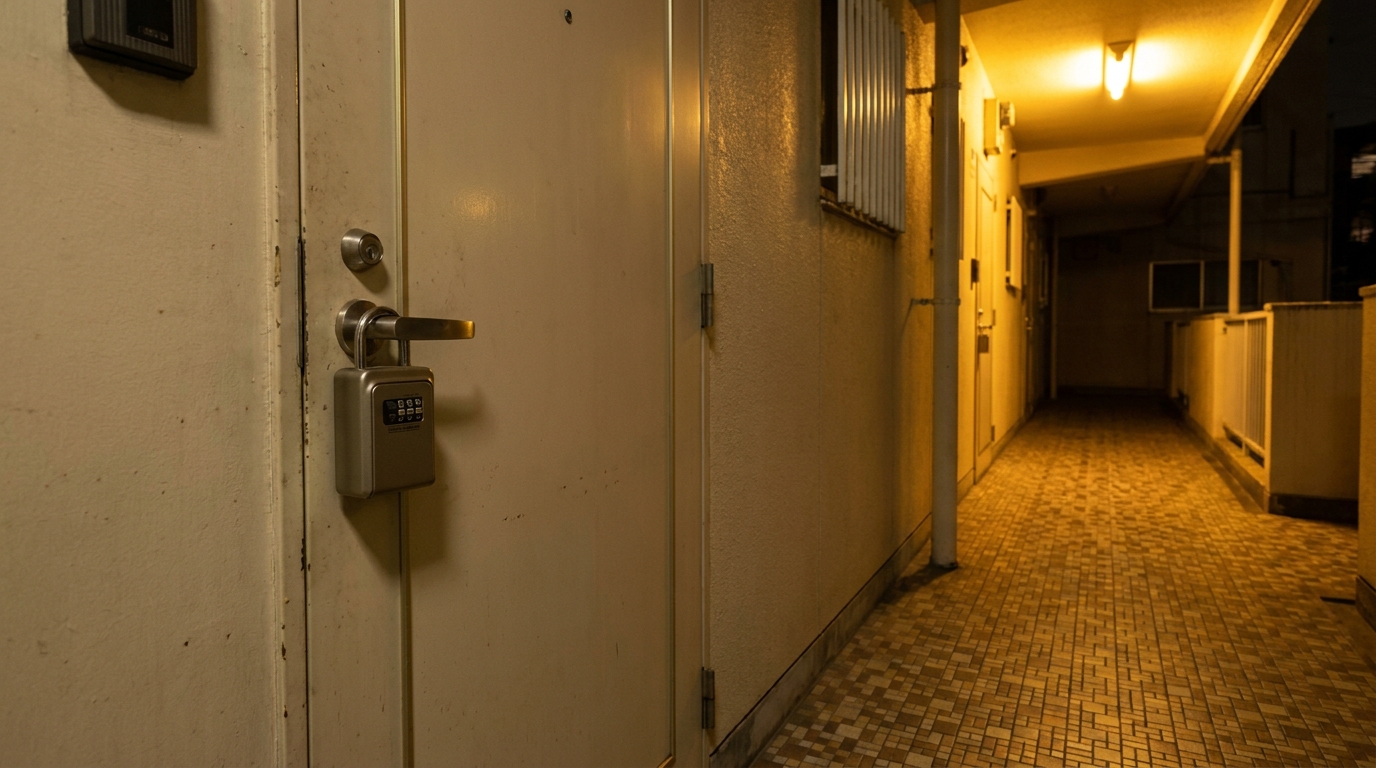
Airbnb door with key box at night
Booking Tips for Next Time
The cheapest way out of this problem is to avoid it on the next booking:
- Filter flights by arrival time: Prefer Haneda arrivals before 22:00 or Narita arrivals after 7:00. A ¥3,000–5,000 fare difference saves you ¥10,000–20,000 in survival costs.
- Book an “arrival-night bridge” hotel for the first night: If your flight lands after 22:00, book a regular business hotel (not Airbnb) for the first night. Airbnb cleaning schedules rarely accommodate post-22:00 first arrivals.
- Pre-message your Airbnb host: 24–48 hours before arrival, send your exact flight number plus arrival time. Many hosts can arrange a 12:00 luggage drop-off slot.
- Pack a carry-on survival kit: power bank, eye mask, neck pillow, toothbrush. The first six hours of jet lag in Tokyo will feel like sixty.
FAQ
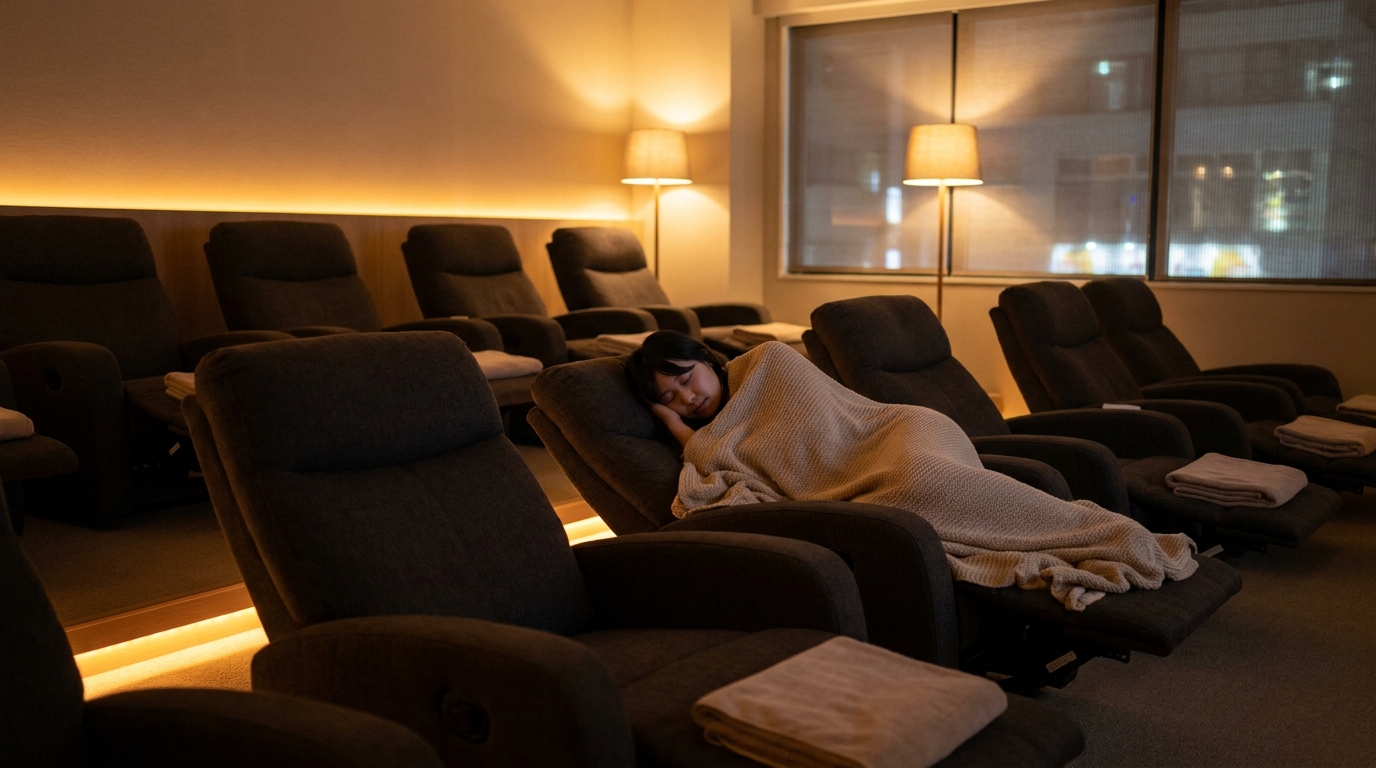
Tokyo overnight spa relaxation lounge with reclining chairs
Q1: Can I stay at Haneda Airport overnight?
Yes. Terminal 3 has free benches with power outlets on Floors 2, 3, and 4. The terminal stays open 24 hours. Note that areas inside the post-customs zone are restricted — once you exit customs, you cannot re-enter the secure zone until your next flight check-in opens.
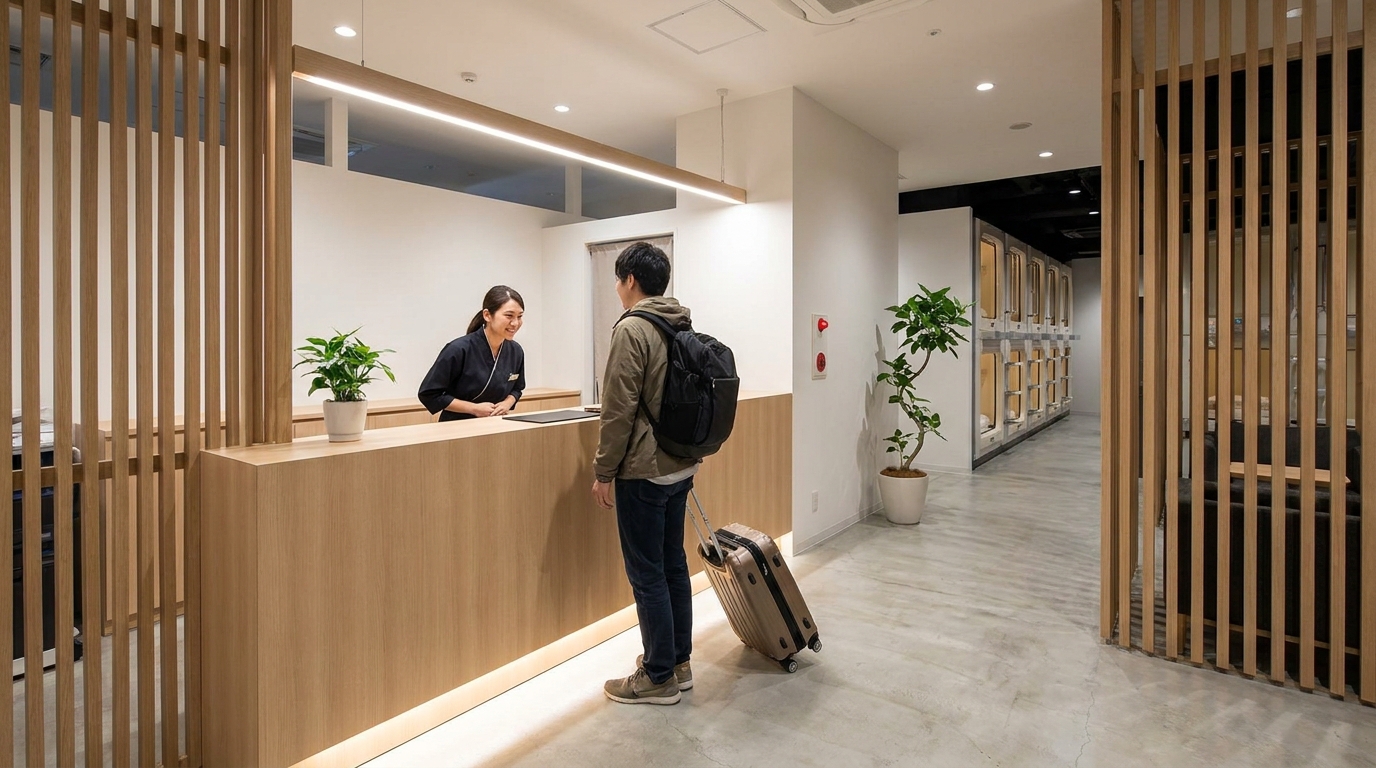
Tokyo capsule hotel pod close-up
Q2: Is sleeping in a Tokyo park legal?
Public parks are not technically off-limits at night, but police patrol Yoyogi Park, Hibiya Park, and Ueno Park regularly and may ask non-residents to move on. Not a recommended strategy.
Q3: How early can I check into my Airbnb in Tokyo?
Default check-in is 15:00. Many Tokyo hosts offer paid early check-in from 12:00 (¥2,000–4,000); arrange this via the Airbnb messaging system 24–48 hours before arrival, not at 2 AM.
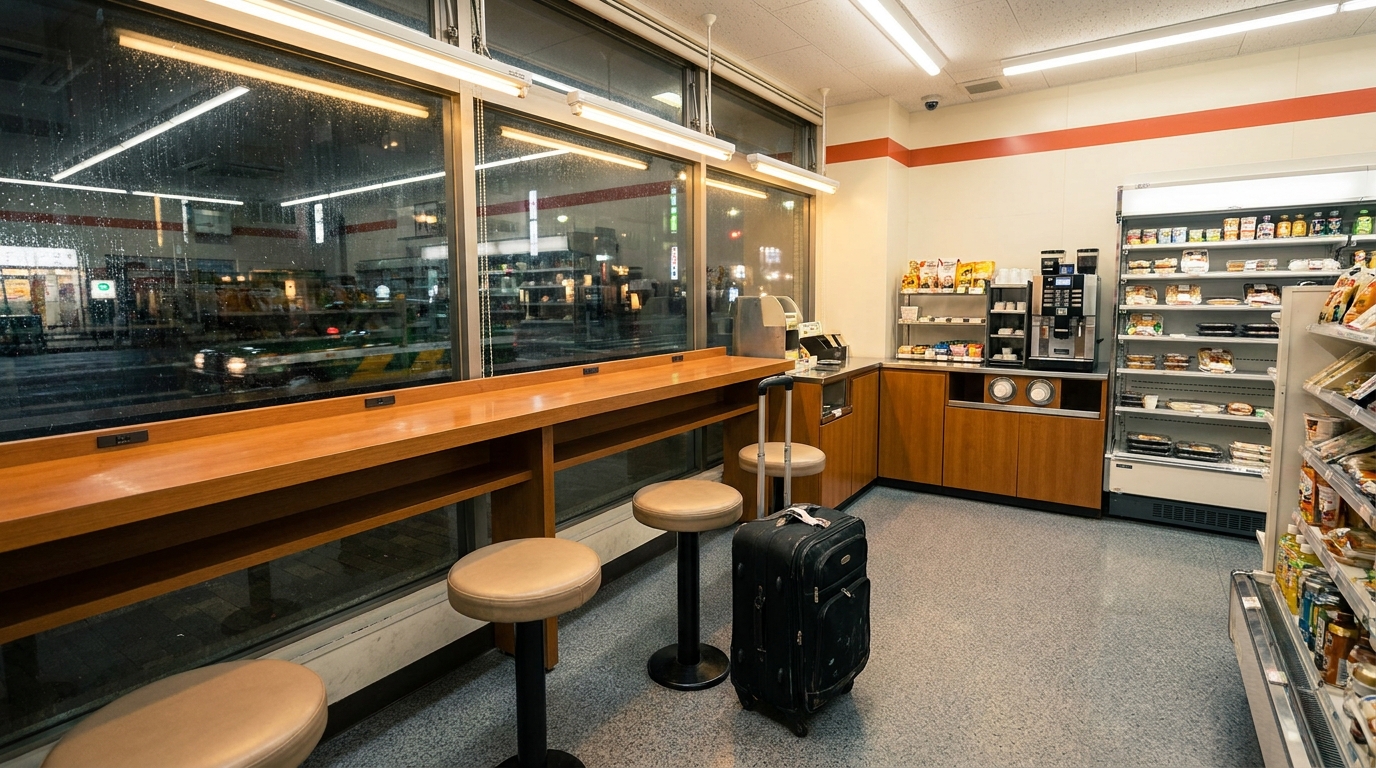
24h convenience store interior with luggage parked beside seat
Q4: Are 24-hour family restaurants still open in Tokyo in 2026?
Most Gusto, Jonathan’s, and Denny’s branches in central Tokyo no longer run full 24-hour service since COVID, and the overnight roster shifts seasonally. A few flagship stores in Shinjuku — notably Gusto Yasukuni-dori and Jonathan’s Shinjuku Nishiguchi Daiguardo — stay open until around 5 AM. Confirm hours on Google Maps the day you go.
Q5: What’s the cheapest way to wait until first train from Haneda 1 AM?
Free option: stay at Terminal 3 benches (no cost, power outlets available). Paid option: short taxi or a confirmed limousine bus to your nearest 24-hour café or capsule hotel, then a coffee (around ¥500) to occupy a seat for 2–3 hours. Note that limousine bus service in this corridor is no longer continuous overnight — check operator sites on the day.
Q6: Do capsule hotels accept large suitcases?
Yes — reception stores them; you carry only valuables to the pod. Nine Hours, First Cabin-style successors, and most major chains handle large bags. Manga cafés and karaoke locker storage is too small for suitcases.
Q7: Can I shower at a 24-hour convenience store?
No — konbini do not have showers. For a shower at 3 AM, your options are capsule hotels (¥3,500+), sauna stays (¥3,000+ for sauna-only entry), or paying a late check-in fee at a regular hotel.
Q8: What’s the first train from Narita Airport?
The local Keisei Main Line is the realistic first-train option at 5–6 AM (starts around 5:16, ~90 minutes to Ueno, ¥1,050). Express services don’t begin until much later on the weekday timetable: Skyliner first run is around 7:30 AM (~41 minutes to Keisei-Ueno, ¥2,570), and N’EX first run is around 7:37 AM (~80 minutes to Shinjuku, ¥3,330). Confirm the same-day timetable on the operator’s official site before your trip — schedules shift seasonally.
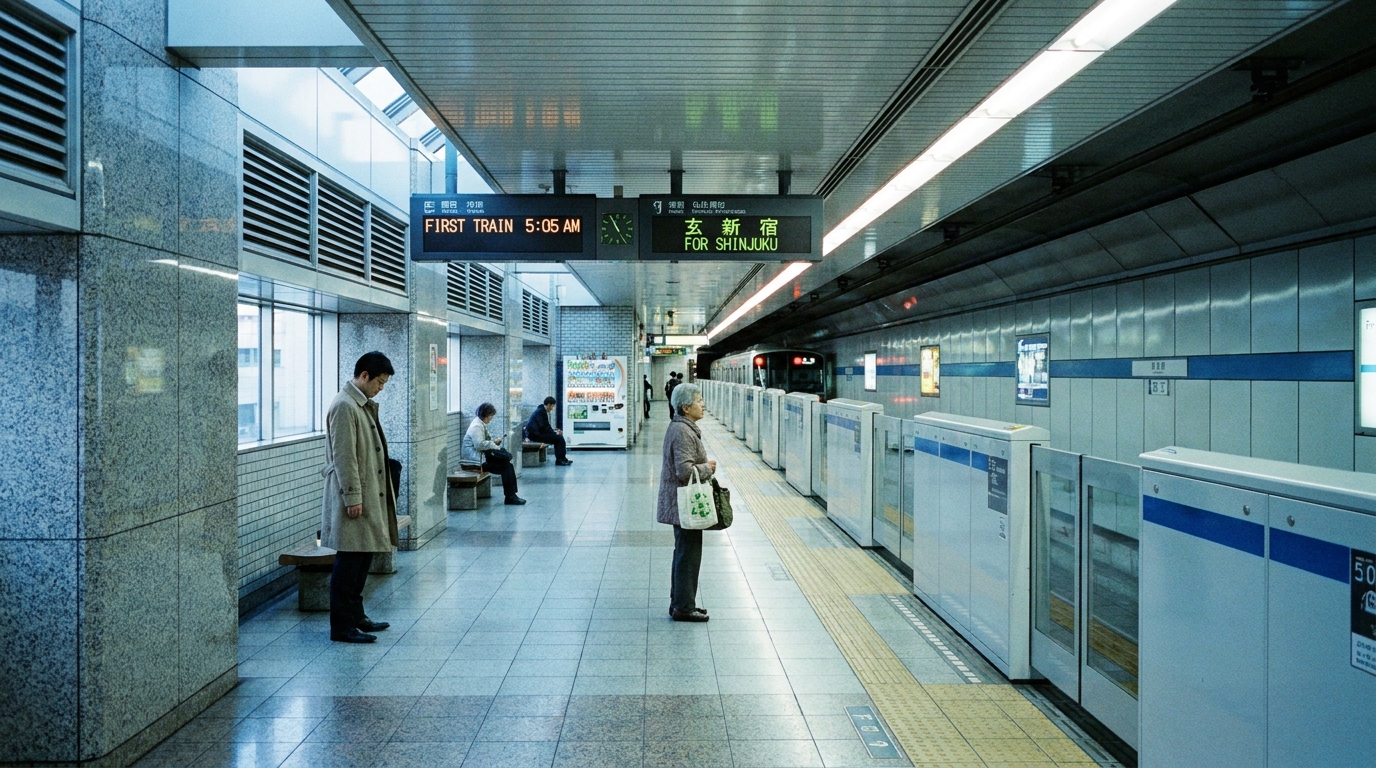
Tokyo subway platform at 5 AM with first morning commuters
Related guides on Real Japan Guide:
- Tokyo Airport Transfer 2026: Narita & Haneda to Your Stay
- Navigate Japan with Google Maps
- How to Check In to Your Japanese Accommodation
- Japanese Konbini Guide 2026
- Tokyo Luggage Storage 2026
- Tokyo Trains Complete Guide 2026

Comments