An izakaya can be one of the easiest places to try several Japanese dishes in one meal. It can also produce a confusing first bill: a small dish you did not order, a charge you did not notice, or a payment system that is different from the restaurant you visited yesterday.
The unfamiliar dish is often otoshi—a small appetizer served soon after you sit down. JNTO's visitor guidance says this automatically served appetizer is not complimentary. The safest approach is to check the charge before ordering, tell staff about dietary restrictions before accepting any food, and confirm any time limit or ordering rule that matters to your group.
This guide gives you a 60-second entrance check, a simple ordering flow, practical Japanese phrases, and a calm way to handle a bill you do not understand.
- Quick answer: what to do at an izakaya
- How an izakaya differs from a standard restaurant
- Otoshi, table charges, and other fees
- The 60-second entrance check
- A common ordering flow
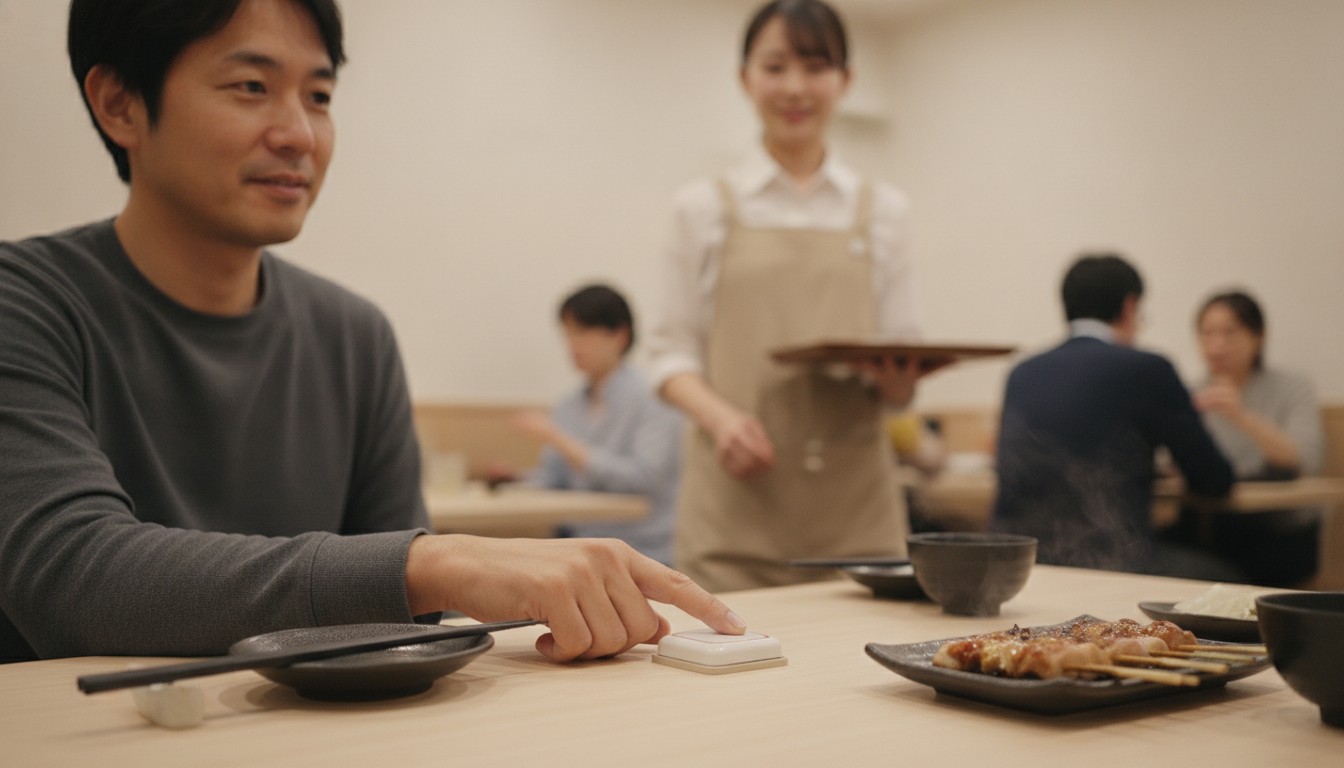
- Tablet, call button, or “sumimasen”?
- Shared dishes without losing track of the bill
- Allergies, vegetarian needs, and religious restrictions
- Time limits, last order, payment, and tipping
- What to do if the bill looks wrong
- Plan B: choose a lower-friction meal
- Save this izakaya checklist
- Frequently asked questions
- What is otoshi at an izakaya?
- Is otoshi free?
- Can I refuse otoshi?
- Can there be a separate seating charge?
- Does everyone at the table pay the otoshi charge?
- What should I do if I have an allergy or dietary restriction?
- Must each person order a drink?
- Do izakaya have time limits or a last order?
- Do I pay at the table or at the register?
- Should I tip at an izakaya in Japan?
- Sources and editorial note
Quick answer: what to do at an izakaya
Use this sequence:
- Before or just after sitting, ask whether there is an otoshi, table charge, seating charge, service charge, or private-room charge.
- If there is a charge, ask the price per person and whether the small dish is included in it.
- Tell staff about allergies, vegetarian needs, or religious restrictions before accepting the otoshi or placing an order.
- Confirm any one-drink rule, minimum order, time limit, or last-order time that affects your table.
- Order a few shared dishes first, then add more after you see the portion sizes.
- When paying, ask staff where to take the bill and whether separate payments are possible.
| If you see this | What it may mean | Best next move |
|---|---|---|
| A small dish arrives before you order | It may be otoshi and may be charged per person | Ask what it is and how much it costs |
| A fee appears beside the menu or entrance information | It may be a table, seating, service, or room charge | Confirm what the fee covers |
| A timer or session notice appears on a tablet | The table or a plan may have a time limit | Confirm the finish and last-order times |
| Staff asks everyone to order a drink | The venue may have a per-person ordering rule | Ask what non-alcoholic options qualify |
| The bill total is higher than expected | Charges, tax, added orders, or a misunderstanding may be involved | Ask for an explanation before paying |
The Consumer Hotline for Tourists describes otoshi as a compulsory appetizer that can function like a table charge. It also warns that a separate seating charge may sometimes apply. JNTO likewise notes that an automatically served izakaya appetizer is not complimentary and recommends asking staff if the cover fee is unclear.
Information checked July 24, 2026. Charges, ordering rules, payment methods, time limits, and dietary procedures vary by venue. Confirm the current policy at the restaurant.
How an izakaya differs from a standard restaurant
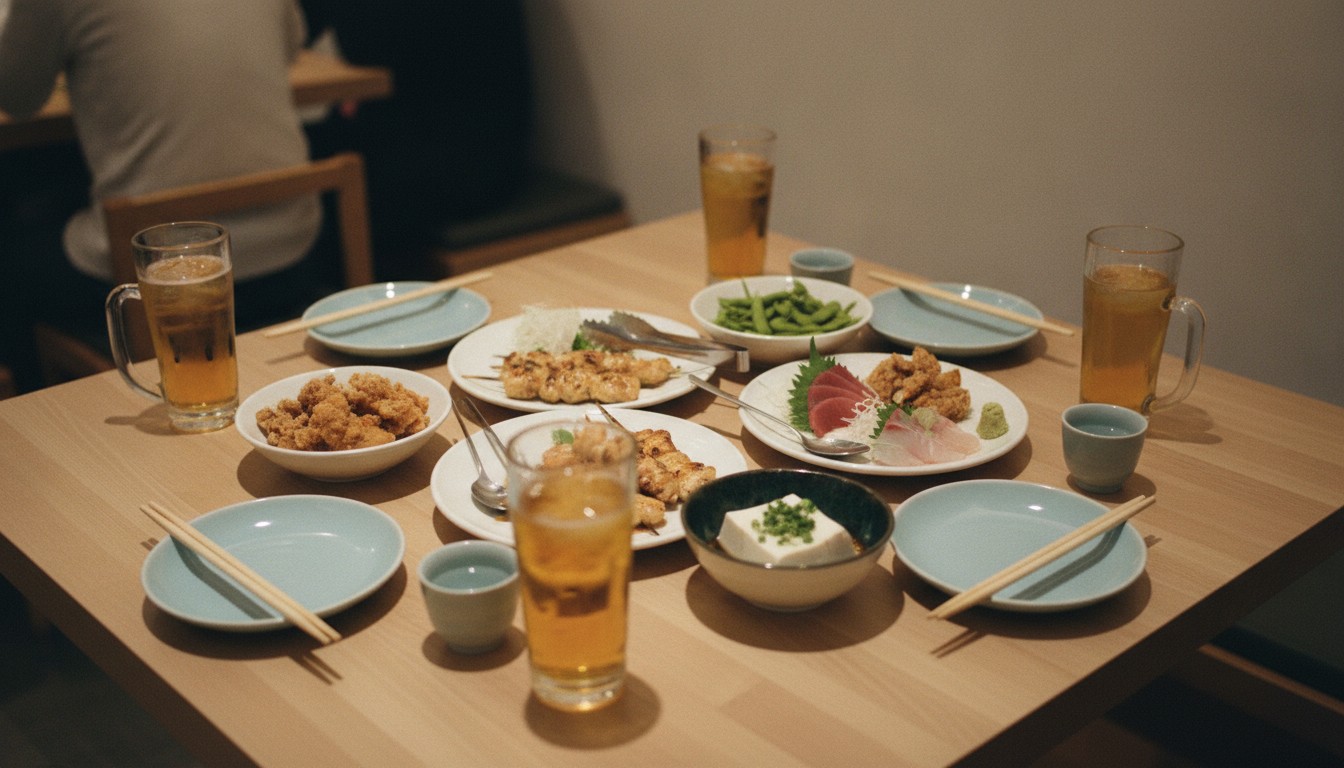
An izakaya is a casual place for both food and drinks. It is closer to a gastropub or tapas bar than to a restaurant built around one main course. JNTO explains the shared-dish format, with each diner moving a portion from the shared dish to a small personal plate.
The usual rhythm is:
- You are shown to a table or counter seat.
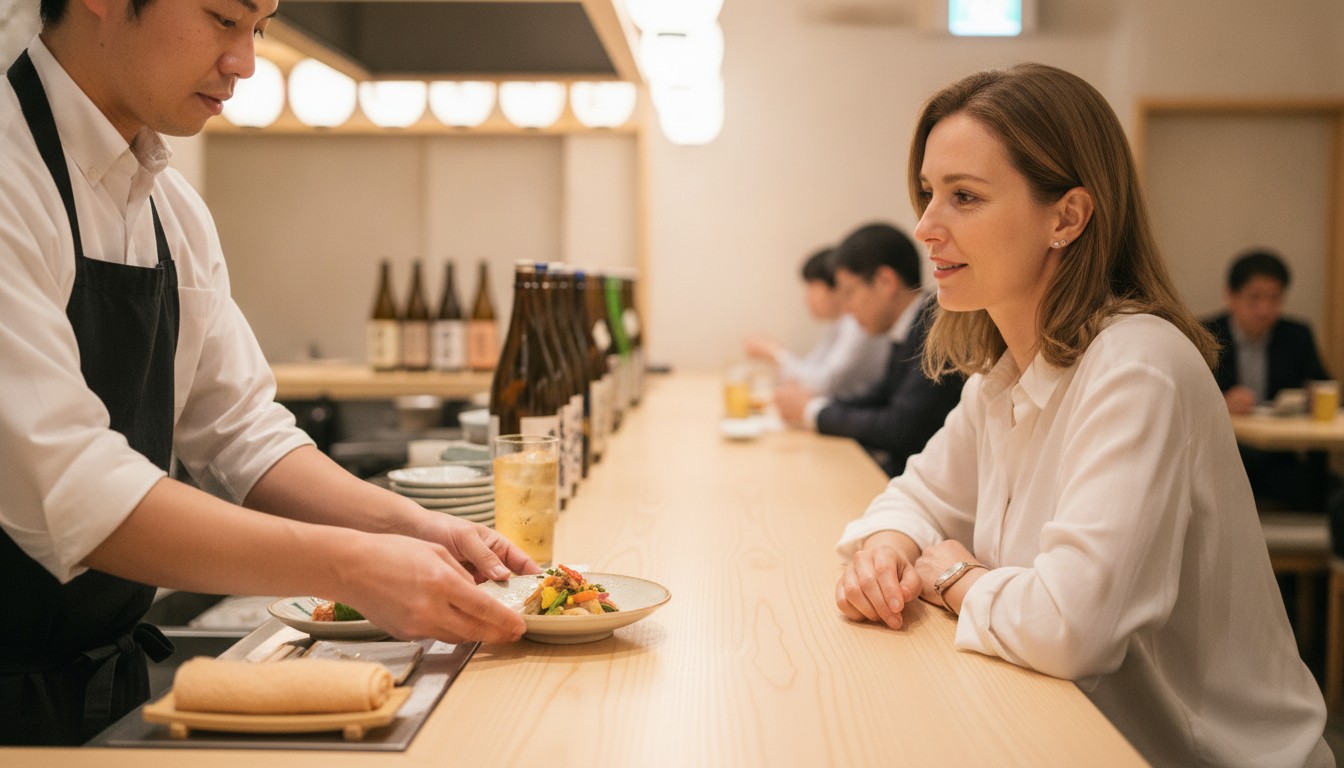
- Staff may provide an oshibori hand towel and an otoshi.
- You order drinks and a few small dishes.
- More dishes are added during the meal.
- You request the bill, then pay at the table or register according to the venue.
This pattern is useful because your group can try grilled food, fried food, vegetables, sashimi, tofu, rice, and noodles without committing to one set meal. The trade-off is that the final total can be harder to estimate when dishes and drinks are added over time.
Larger chains may use a tablet. Smaller independent venues may use handwritten Japanese menus and direct staff service. Neither format tells you whether an otoshi or other charge applies, so check rather than guessing from the size of the restaurant.
Otoshi, table charges, and other fees
What is otoshi?
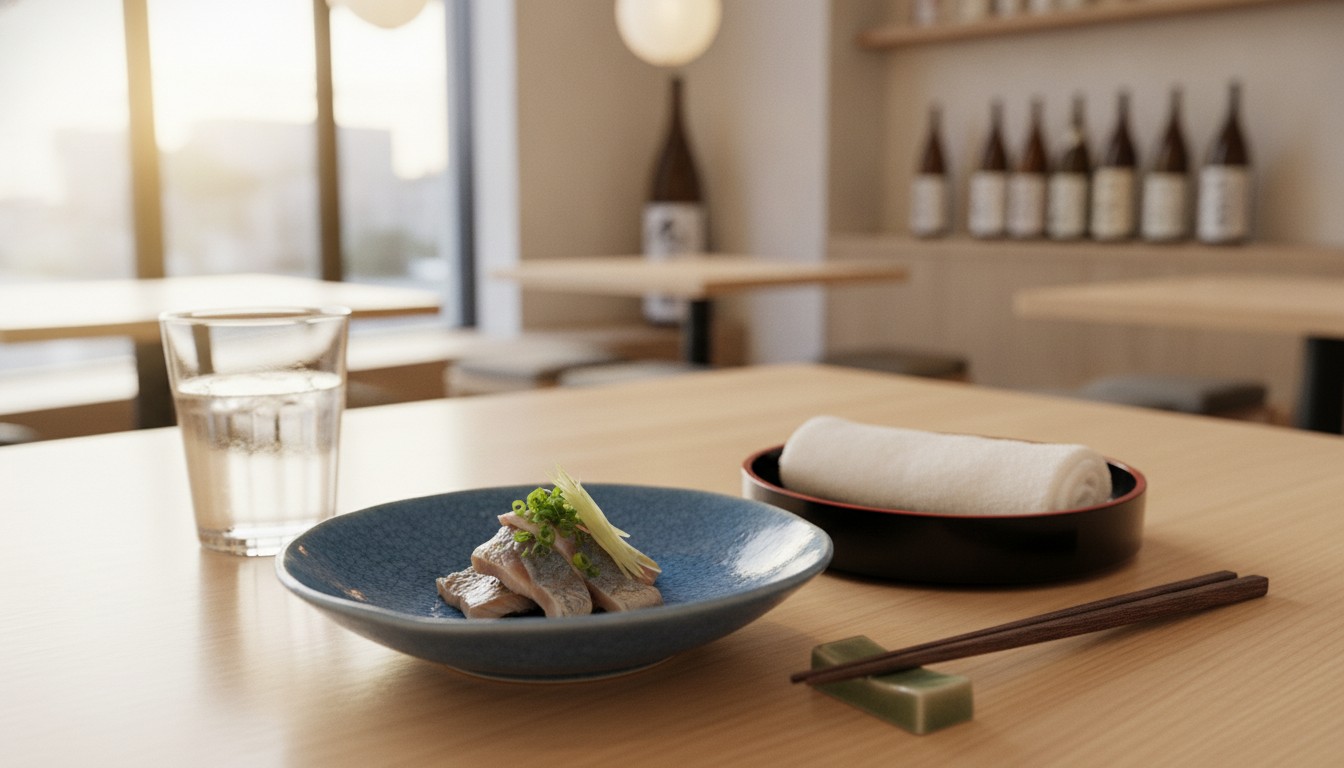
Otoshi is a small appetizer brought to the table before you order. It may be a vegetable dish, tofu, fish, meat, or another item selected by the restaurant. The charge commonly applies per person, but the exact policy and price are set by the venue.
Think of the otoshi as part food and part cover-charge custom. Do not treat it as a free sample. At the same time, do not assume that the otoshi is the sole extra charge. The official Consumer Hotline page says a separate seating charge may sometimes be added.
Is an otoshi the same as a table charge?
It can function like one, but the labels are not perfectly interchangeable. A restaurant may describe:
- an otoshi charge that includes the small dish;
- a table or seating charge;
- a service charge;
- a private-room charge; or
- more than one of these.
Ask what will be charged to your table rather than trying to resolve the terminology from one translated word.
Can you refuse it?
There is no single answer across izakaya. The most reliable moment to ask is before you order or consume the dish. If you do not want the charge, ask whether it is mandatory. If the venue says it is part of the seating policy and that does not work for you, leaving before ordering is the cleanest Plan B.
Do not assume that sending the dish back automatically removes the charge. Ask staff to confirm the result.
What if you cannot eat it?
Tell staff immediately and do not taste the dish to identify it. Ask what it contains and whether an alternative is possible. A substitution, charge adjustment, or refusal is venue-specific. If an allergy is involved, do not treat a visual inspection, translation app, or staff reassurance as a guarantee against cross-contact.
For a fuller safety-first process, use the Japan food allergy guide.
The 60-second entrance check
You do not need to interrogate the staff. Check the points that could change your decision.
1. Is there an otoshi?
Otoshi wa arimasu ka?
Is there an otoshi?
2. How much is it?
Otoshi wa ikura desu ka?
How much is the otoshi?
Point to each person at your table if you also need to confirm whether the charge is per person.
3. Are there other charges?
Seki-ryō wa arimasu ka?
Is there a seating charge?
Hoka ni ryōkin wa arimasu ka?
Are there any other charges?
If you are being led to a private room, confirm whether that room has its own fee.
4. Is there a required order?
Ask whether each guest must order a drink or a food item. A non-drinker should confirm which soft drinks or alcohol-free drinks satisfy the rule, if one exists.
Hitori hitotsu chūmon ga hitsuyō desu ka?
Does each person need to order something?
5. Is there a time limit or last order?
Jikan seigen wa arimasu ka?
Is there a time limit?
If there is one, ask staff to show you the end time and last-order time on the menu, tablet, or receipt. A table time limit and a nomihodai plan may not end at the same moment.
6. How can you pay?
Kādo wa tsukaemasu ka?
Can I use a card?
If your group wants separate payments, ask before the end of the meal. Do not assume that a venue can divide one table across several cards.
Save these questions on your phone. A short screen with two or three phrases is more useful than translating a full menu while people are waiting behind you.
A common ordering flow
Step 1: wait to be seated
Follow the entrance procedure rather than choosing a table yourself. The venue may have counter seats, standard tables, tatami seating, or private rooms with different rules.
Step 2: identify the otoshi and oshibori
An oshibori is the wet hand towel. The small food dish may be the otoshi. If the difference is unclear, point to the dish and ask:
Kore wa otoshi desu ka?
Is this the otoshi?
Step 3: order drinks and a small first round of food
Start with fewer dishes than the number you eventually expect to eat. Izakaya plates are commonly shared, but portion sizes differ. A first round might include one cold dish, one grilled or fried dish, and one vegetable dish.
If you want sake and the menu feels difficult, use the guide to ordering sake in Japan.
Step 4: check the table before adding more
Confirm what has arrived, what is still pending, and how much food remains. This reduces duplicate orders when several people are using the same tablet or calling staff separately.
Step 5: confirm the final order
If the venue is busy or has a time limit, staff or the tablet may announce a last order. Decide whether you need a final drink, rice, noodles, or dessert before confirming.
Tablet, call button, or “sumimasen”?
Ordering systems vary:
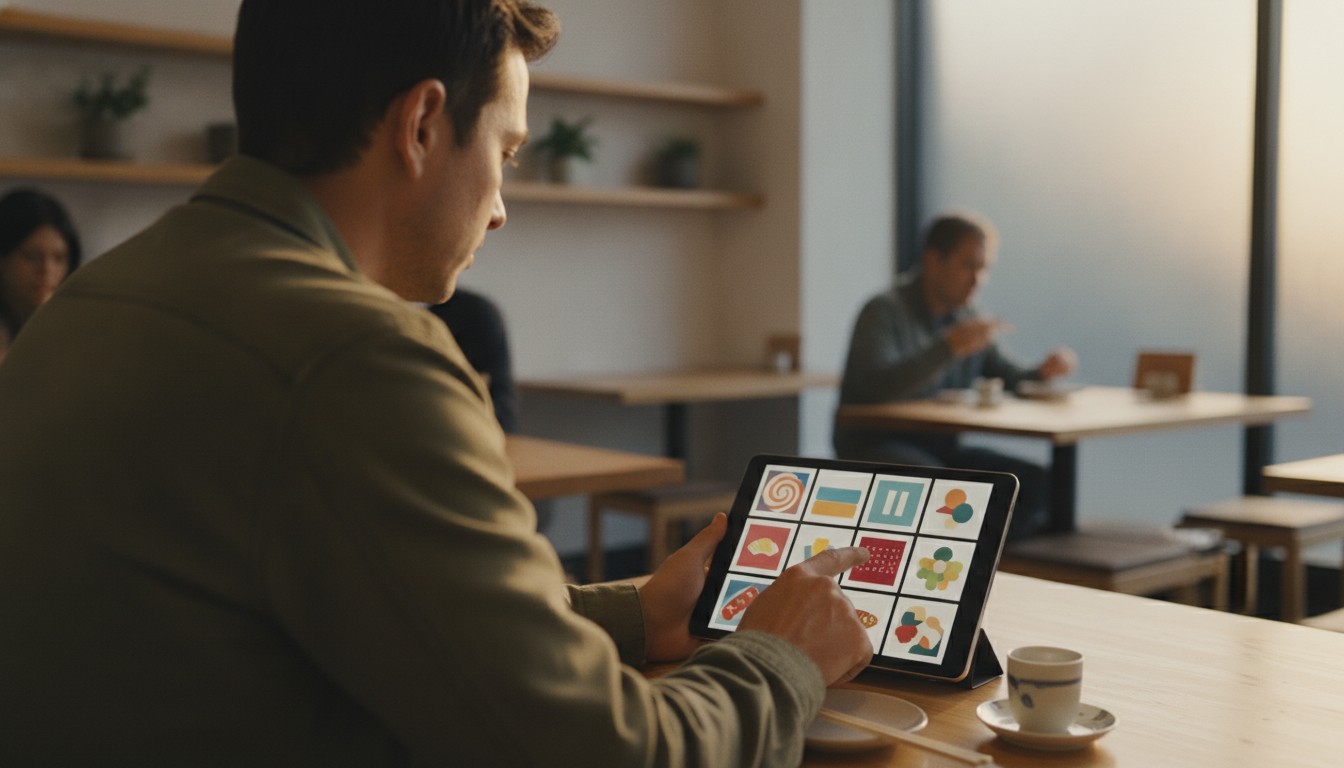
- Tablet: select language if available, check quantities, and review the cart before sending.
- QR code: confirm that you are using the venue's own code and that the order is assigned to your table.
- Call button: press once, then wait for staff.
- Direct service: say sumimasen—“excuse me”—clearly enough for staff to hear.
GO TOKYO notes that electronic tablets are used at larger izakaya chains, while small venues may have handwritten Japanese menus. JNTO notes that many izakaya use table service and that some have table buzzers.
With a shared tablet, choose one person to submit each round. Before sending, check:
- item count;
- size;
- whether the price is per item, per person, or for a set;
- whether a plan has a time limit; and
- whether the screen shows a final confirmation.
Do not keep tapping if the tablet appears slow. Ask staff whether the order went through.
Shared dishes without losing track of the bill
JNTO describes shared plates as a normal izakaya format. This makes it easy to sample more food, but it can obscure who ordered what.
Use a simple group rule:
- One person submits each round.
- Say the dish name or point to the screen before submitting.
- Keep alcohol-free drinks separate in your mental estimate if the group plans an uneven split.
- Review the tablet order history or paper slips before the final round.
- Decide as a group whether you will split evenly or settle individual differences yourselves.
An even split is convenient, not a requirement imposed by the restaurant. The venue may require a single payment for the table even when your group prefers a detailed split. Ask early if this matters.
Allergies, vegetarian needs, and religious restrictions
The otoshi creates a special problem: food can arrive before you have explained what you cannot eat. The Consumer Hotline page specifically advises travelers to communicate allergies, vegetarian needs, and religious restrictions to restaurant staff.
Use this order of operations:
- Tell staff before accepting food or placing the first order.
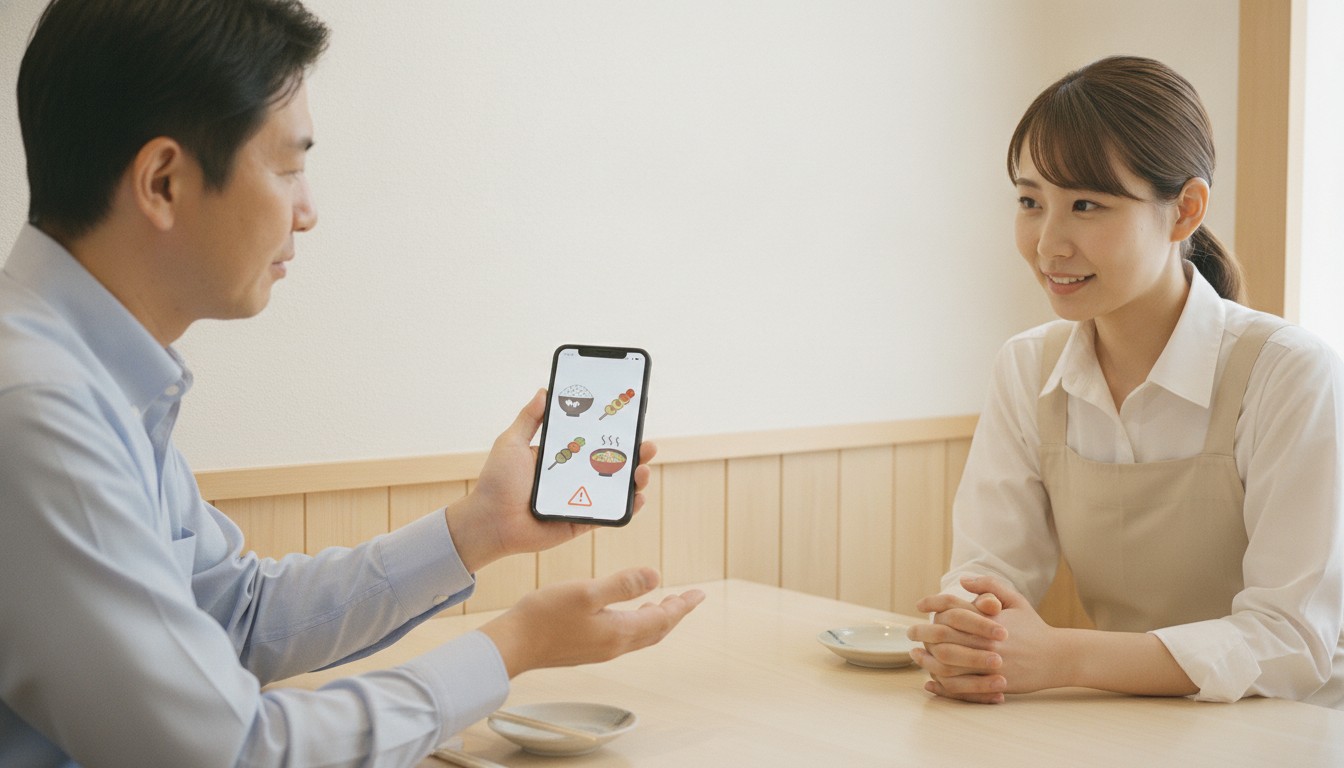
- Show a written card in Japanese that names the ingredient or restriction.
- Ask about the otoshi separately from the regular menu.
- Ask whether stock, sauces, garnish, and shared cooking equipment create a problem for you.
- If staff cannot confirm what you need, choose a different venue.
Useful starter phrases:
Arerugī ga arimasu.
I have an allergy.
Kore wa taberaremasen.
I cannot eat this.
Otoshi ni ___ wa haitte imasu ka?
Does the otoshi contain ___?
A phrase card helps communication; it does not certify that a dish is safe. For a severe allergy, the practical Plan B may be a venue with published allergen information and a process the staff can explain.
Time limits, last order, payment, and tipping
Time limit
Some izakaya apply a table time limit on busy nights. Unlimited-drink or buffet plans can have their own session and last-order rules. Treat any time shown on a tablet or menu as venue-specific.
At the start, confirm:
- when the session begins;
- when the last order occurs;
- when the table must be vacated; and
- whether late arrivals share the original end time.
Requesting the bill
GO TOKYO gives this useful phrase:
Okaikei onegaishimasu.
The bill, please.
Staff may bring a bill folder or direct you to the register. JNTO advises going to the cash register when ready to pay, but actual payment flow can differ, so follow the venue's instruction.
Card, cash, and separate payments
Smaller establishments may not accept cards. Keep a payment backup and check before ordering if cash is limited.
For separate payment:
Betsubetsu ni haraemasu ka?
Can we pay separately?
The answer may depend on the point-of-sale system and how busy the venue is. If the restaurant requires a single payment, one traveler can pay and the group can settle privately.
Tipping
JNTO and GO TOKYO state that tipping is not customary in Japan. Pay the total the venue presents after you understand the listed charges; do not add a percentage as a routine tip.
What to do if the bill looks wrong
An unfamiliar total is not proof of misconduct. Start by checking whether you missed an otoshi, seating fee, service fee, private-room fee, tax, plan charge, or an order submitted by someone else at the table.
Use this sequence:
- Pause before paying. Keep the bill, tablet history, and menu information together.
- Ask for the charge to be explained. Point to the unfamiliar line or state the difference you expected.
- Ask about the otoshi and any separate fee.
- Check the quantities. Shared tablets can produce duplicate orders.
- Request a correction if a specific item is wrong.
- Keep the receipt. A photo of the displayed policy or menu can help you remember what was shown, provided photography is permitted.
Useful phrases:
Kono ryōkin wa nan desu ka?
What is this charge?
Otoshi to seki-ryō wa betsu desu ka?
Are the otoshi and seating charge separate?
Chūmon shite inai ryōri ga haitte imasu.
A dish we did not order is included.
If a consumer dispute cannot be resolved, the official Consumer Hotline for Tourists offers telephone advice to visitors. As checked on July 24, 2026, the published number is 03-5449-0906; hours are weekdays 10:00–12:00 and 13:00–16:00, excluding national holidays and December 29–January 3. Standard call charges apply. The service covers consumer problems; it is not a tourism-information, lost-property, medical, or emergency line. Confirm the current details on the official page before calling.
Plan B: choose a lower-friction meal
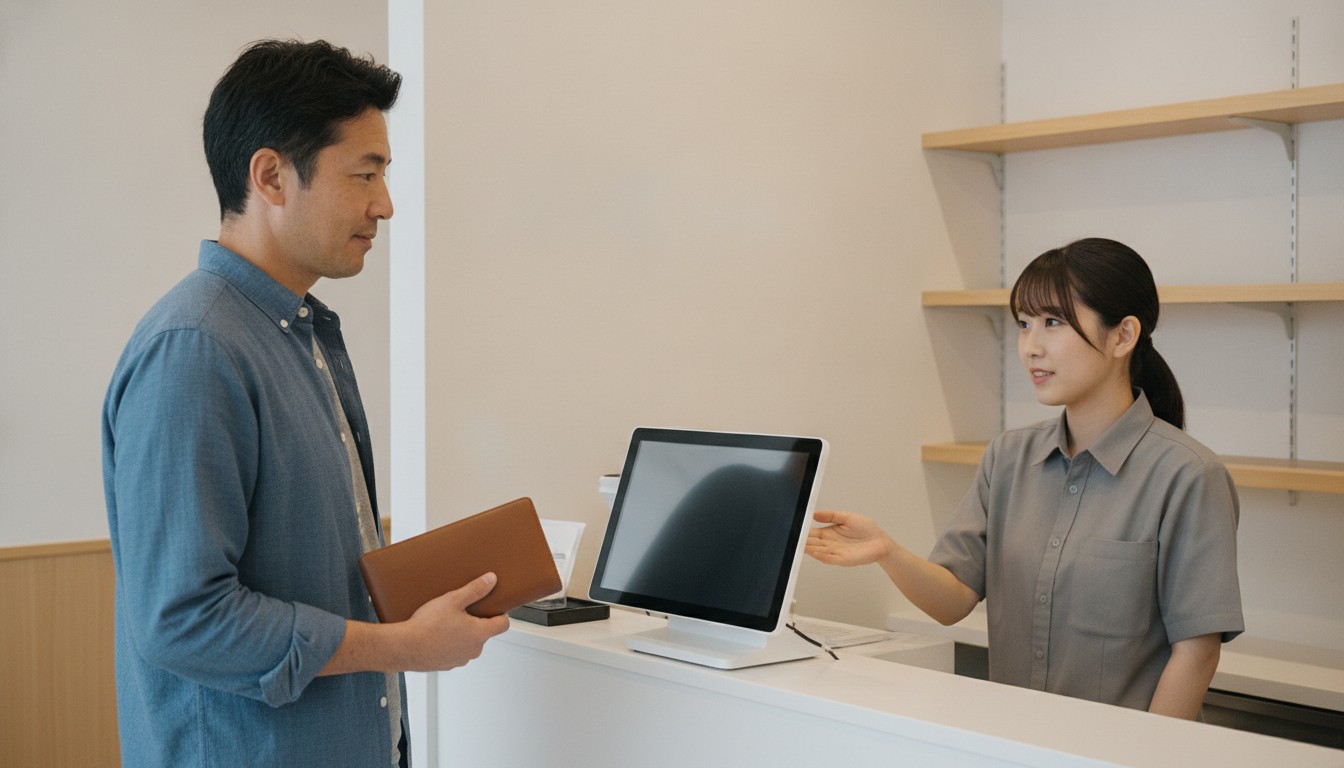
Leave before ordering if the charges, dietary process, or time limit do not work for you. A polite exit is better than spending the meal worrying about the bill.
Lower-friction options can include:
- a family restaurant with a picture menu and clearly displayed prices;
- a food hall where you order and pay at each counter;
- a counter-service restaurant with the total confirmed before food is prepared; or
- a restaurant whose current menu and reservation terms you checked in advance.
These formats are not universal guarantees. Confirm the price and rules at the specific venue.
For a predictable seated backup, see the famiresu guide for travelers. If your chosen restaurant is full or the conditions change, use the Tokyo restaurant Plan B guide. For a planned dinner, read the Tokyo restaurant reservation guide.
Save this izakaya checklist
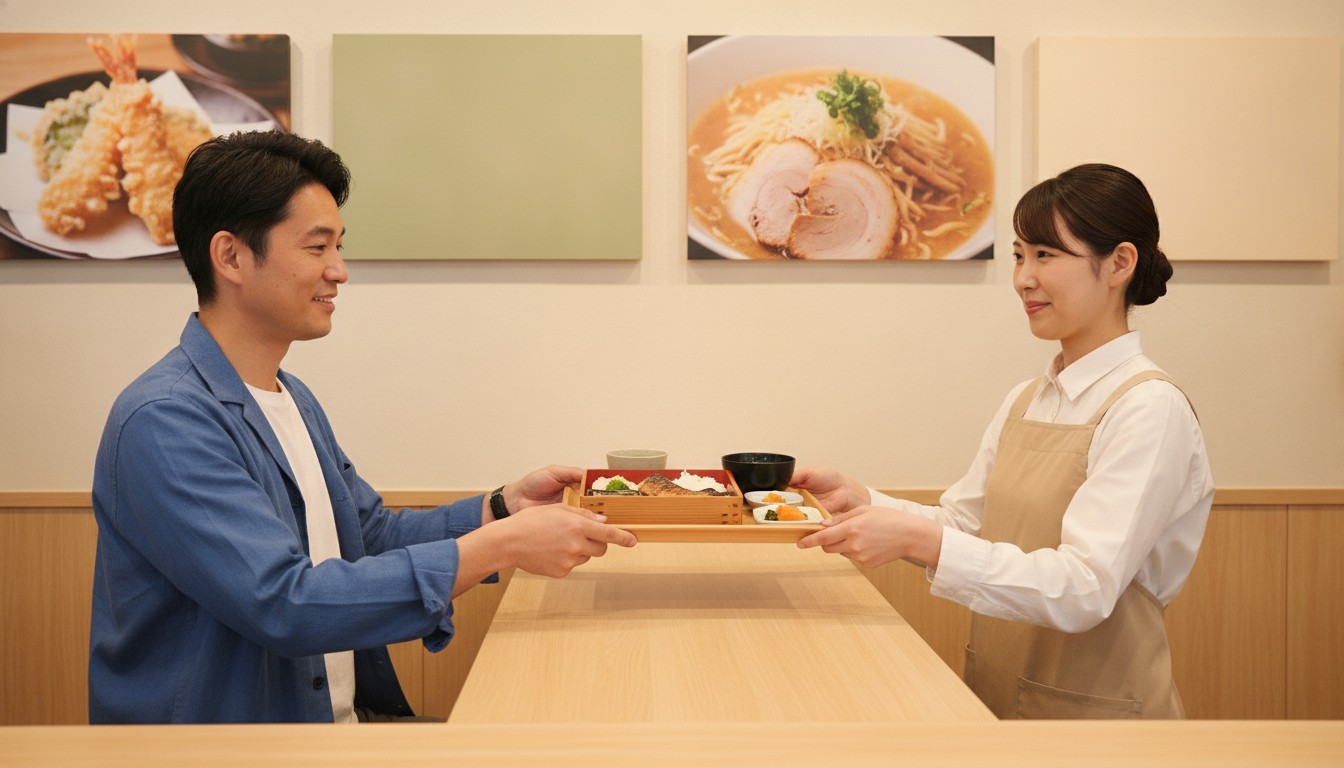
Before ordering:
- ☐ Is there an otoshi?
- ☐ What is the per-person price?
- ☐ Is there another seating, service, or room charge?
- ☐ Does each person need to order a drink or food item?
- ☐ Is there a table or plan time limit?
- ☐ When is last order?
- ☐ Have dietary restrictions been explained before food arrives?
- ☐ Are card and separate payments possible?
Before paying:
- ☐ Compare the bill with the tablet history or remembered orders.
- ☐ Ask what any unfamiliar charge means.
- ☐ Keep the receipt.
- ☐ If a consumer dispute remains unresolved, open the official Consumer Hotline page.
Frequently asked questions
What is otoshi at an izakaya?
Otoshi is a small appetizer that may be served soon after you sit down, before you order. It is generally charged and can function like a per-person table charge. The dish and price vary by venue.
Is otoshi free?
No. Official visitor guidance says an automatically served izakaya appetizer is not complimentary. Ask the price before ordering if it is not clearly displayed.
Can I refuse otoshi?
Policies vary. Ask whether the otoshi is mandatory before ordering or eating it. If the charge is required and does not work for you, leaving before ordering is the cleanest Plan B. Sending the dish back does not necessarily remove the charge.
Can there be a separate seating charge?
Yes. The Consumer Hotline for Tourists warns that a separate seating charge may sometimes apply in addition to otoshi. Ask whether there are any other table, service, seating, or room fees.
Does everyone at the table pay the otoshi charge?
It is commonly handled as a per-person charge, but the restaurant sets the policy. Confirm the number of charged guests, especially for children or anyone who is not eating or drinking.
What should I do if I have an allergy or dietary restriction?
Tell staff before accepting the otoshi or ordering. Show a written restriction card, ask about the otoshi separately, and do not rely on appearance or machine translation as a safety guarantee. Choose another venue if staff cannot confirm what you need.
Must each person order a drink?
Some venues may have a per-person order rule, but it is not universal. Ask whether each guest must order and which non-alcoholic options qualify.
Do izakaya have time limits or a last order?
Some do, especially on busy nights or for unlimited-drink plans. Confirm the table end time, the plan end time, and the last-order time because they may differ.
Do I pay at the table or at the register?
It depends on the venue. Ask for the bill with “Okaikei onegaishimasu,” then follow the staff's direction. Also confirm in advance whether cards and separate payments are accepted if they matter to your group.
Should I tip at an izakaya in Japan?
No routine tip is expected. JNTO and GO TOKYO state that tipping is not customary in Japan. Pay the explained bill total without adding a percentage.
Sources and editorial note
The principal claims in this guide were checked against the official Consumer Hotline for Tourists otoshi guidance, JNTO customs and etiquette guidance, JNTO's izakaya dining guide, JNTO nightlife guidance, and GO TOKYO's izakaya guide. Venue-specific charges and procedures remain variable.
Comments