- Quick Answer
- 1. Tamago Kake Gohan (TKG) — raw egg over rice
- 2. Sukiyaki and the raw-egg dip
- 3. Onsen Tamago — slow-cooked hot-spring egg
- 4. Tamagoyaki and Dashimaki — the rolled omelet
- 5. Oyakodon and Omurice — homestyle egg rice bowls
- 6. Convenience-store egg foods
- 7. Chawanmushi — savory steamed egg custard
- Where to try each dish and rough prices
- A quick note on raw eggs
- FAQ
Quick Answer
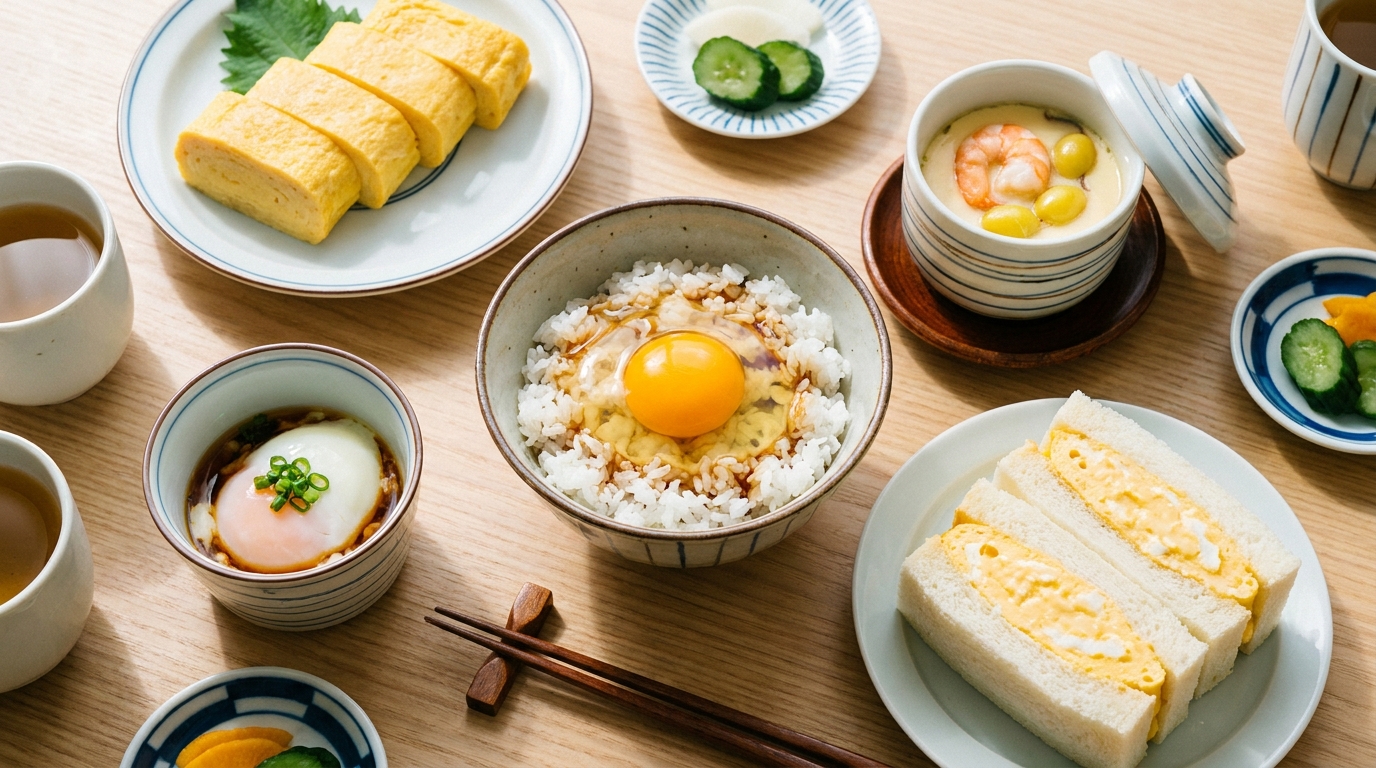
Japan turns the humble egg into some of its most loved comfort food. Eggs here are produced for raw eating, so dishes range from silky raw-egg rice to fluffy rolled omelets. This guide walks through 7 egg dishes worth trying, where to find each one, and rough prices.
1. Tamago Kake Gohan (TKG) — raw egg over rice
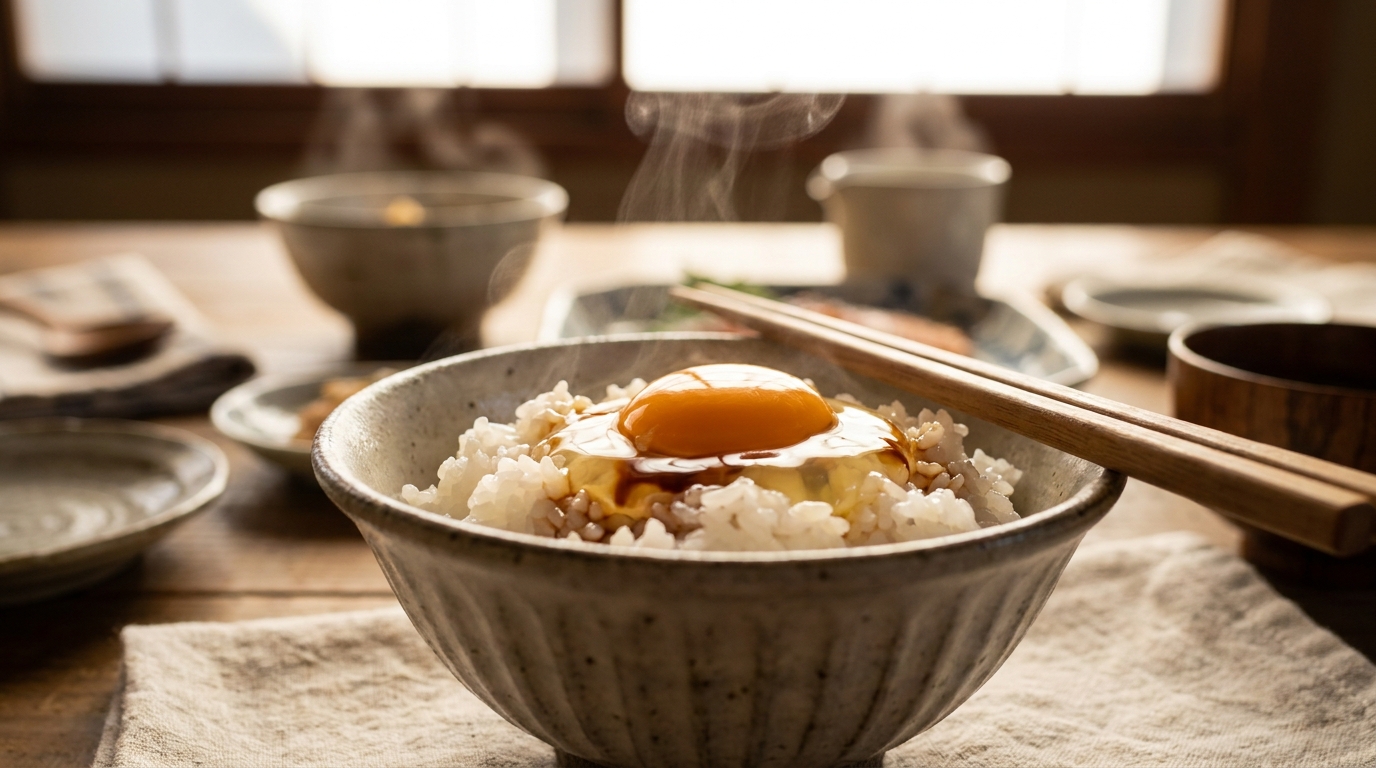
Tamago kake gohan, often shortened to “TKG,” is the simplest Japanese breakfast: crack a raw egg over a bowl of hot steamed rice, add a dash of soy sauce, stir until pale yellow, and eat. The hot rice gently warms the egg into a creamy sauce.
Many specialty shops serve a TKG set with premium eggs and flavored soy sauce. If you would rather not eat a fully raw egg, swap in an onsen tamago (see #3) for the same comforting flavor.
2. Sukiyaki and the raw-egg dip
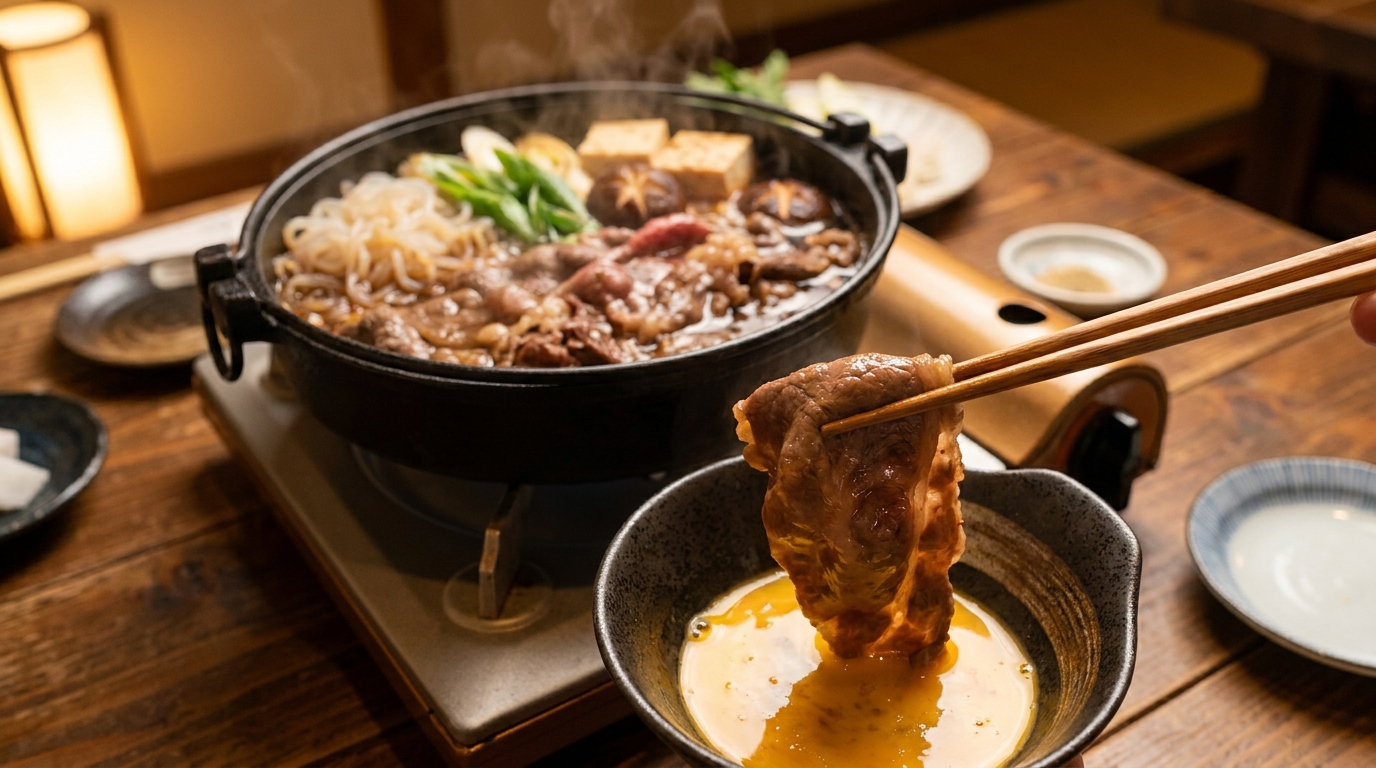
In sukiyaki, thin slices of beef and vegetables are simmered in a sweet-savory soy broth, then dipped into a small bowl of beaten raw egg before eating. The cool egg softens the heat and adds a rich, silky coating to each bite.
This is one of the most common ways visitors first try raw egg in Japan, often at a sit-down restaurant where the cooking happens at your table.
3. Onsen Tamago — slow-cooked hot-spring egg
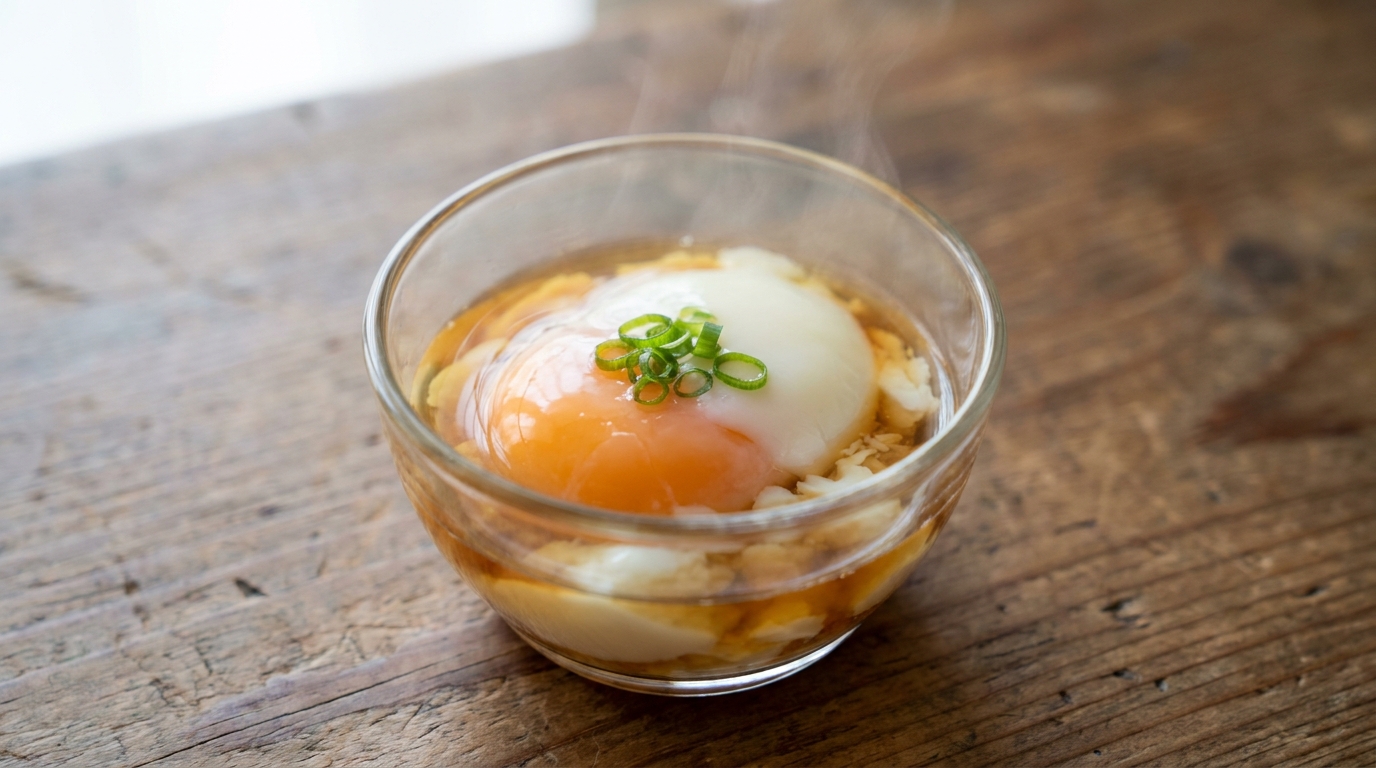
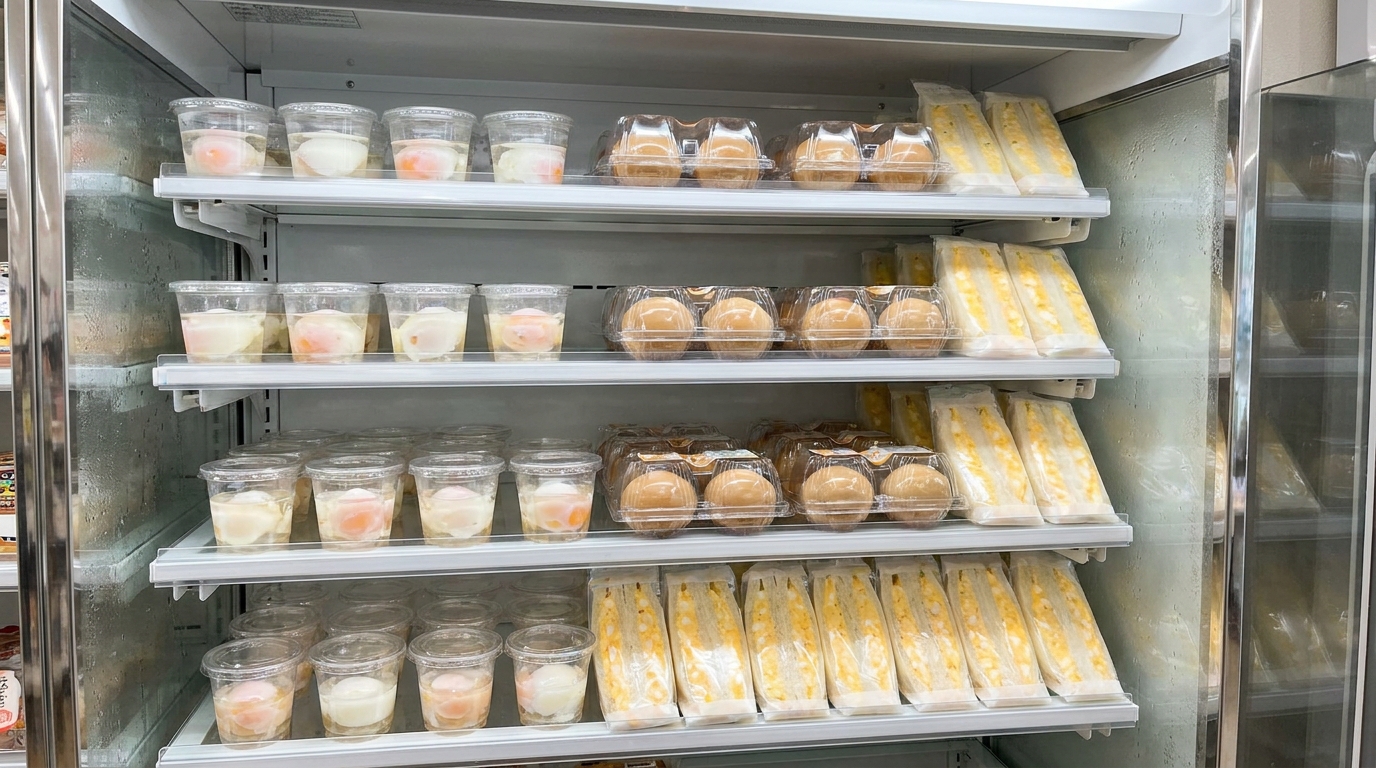
Onsen tamago (“hot-spring egg”) is gently cooked at a low temperature, leaving the white loose and milky while the yolk turns soft, custardy, and just set. It started in onsen towns, where the hot water poached eggs in the shell, but today you can buy one at almost any convenience store nationwide.
As a quick comparison in 2026, a single onsen tamago runs about ¥105 at 7-Eleven and about ¥115 at FamilyMart, while Lawson now sells a “special sauce” version for around ¥137. It comes with a small cup of light dashi sauce — pour it over, break the egg, and eat.
4. Tamagoyaki and Dashimaki — the rolled omelet
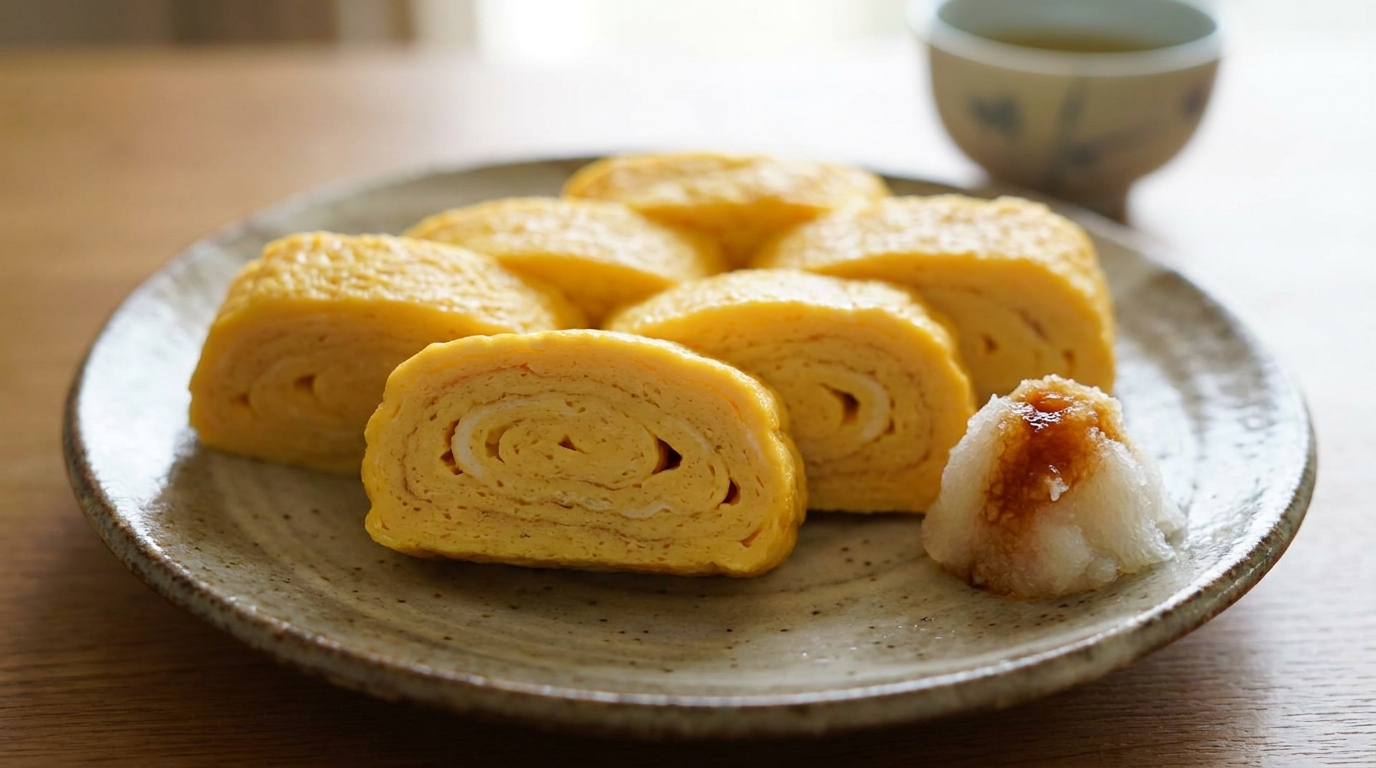
Tamagoyaki is a sweet rolled omelet made by layering thin sheets of beaten egg in a rectangular pan. Its savory cousin, dashimaki, folds in dashi stock for a softer, juicier result. You will see tamagoyaki as the yellow block at sushi counters, in bento boxes, and in convenience-store packs.
It is fully cooked, so it is an easy first step for anyone unsure about raw egg.
5. Oyakodon and Omurice — homestyle egg rice bowls
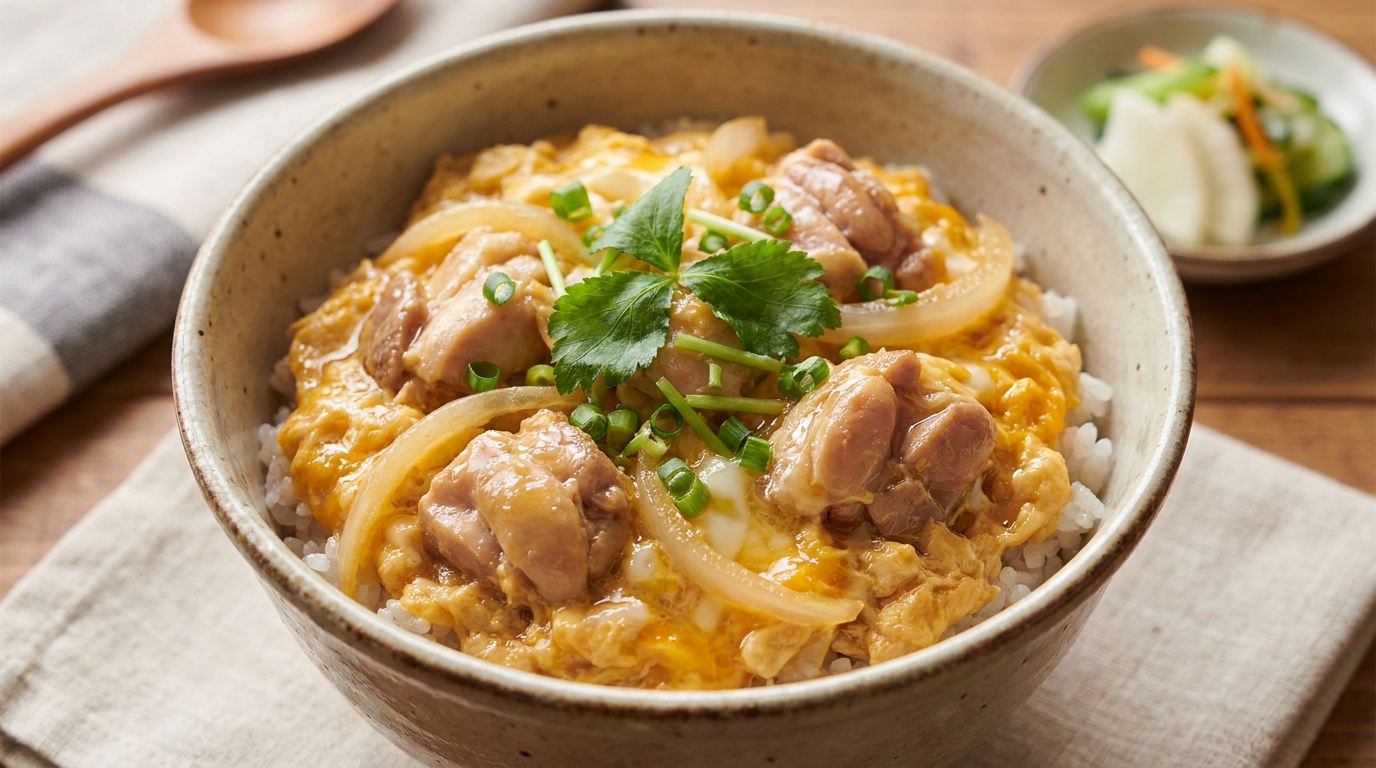
Oyakodon (“parent-and-child bowl”) simmers chicken and onion in a sweet soy broth, then binds it with a loosely set egg over rice. Omurice wraps or tops fried rice with a thin or soft omelet, often finished with ketchup or demi-glace sauce.
Both are warm, filling, and widely available at casual diners and family restaurants.
6. Convenience-store egg foods
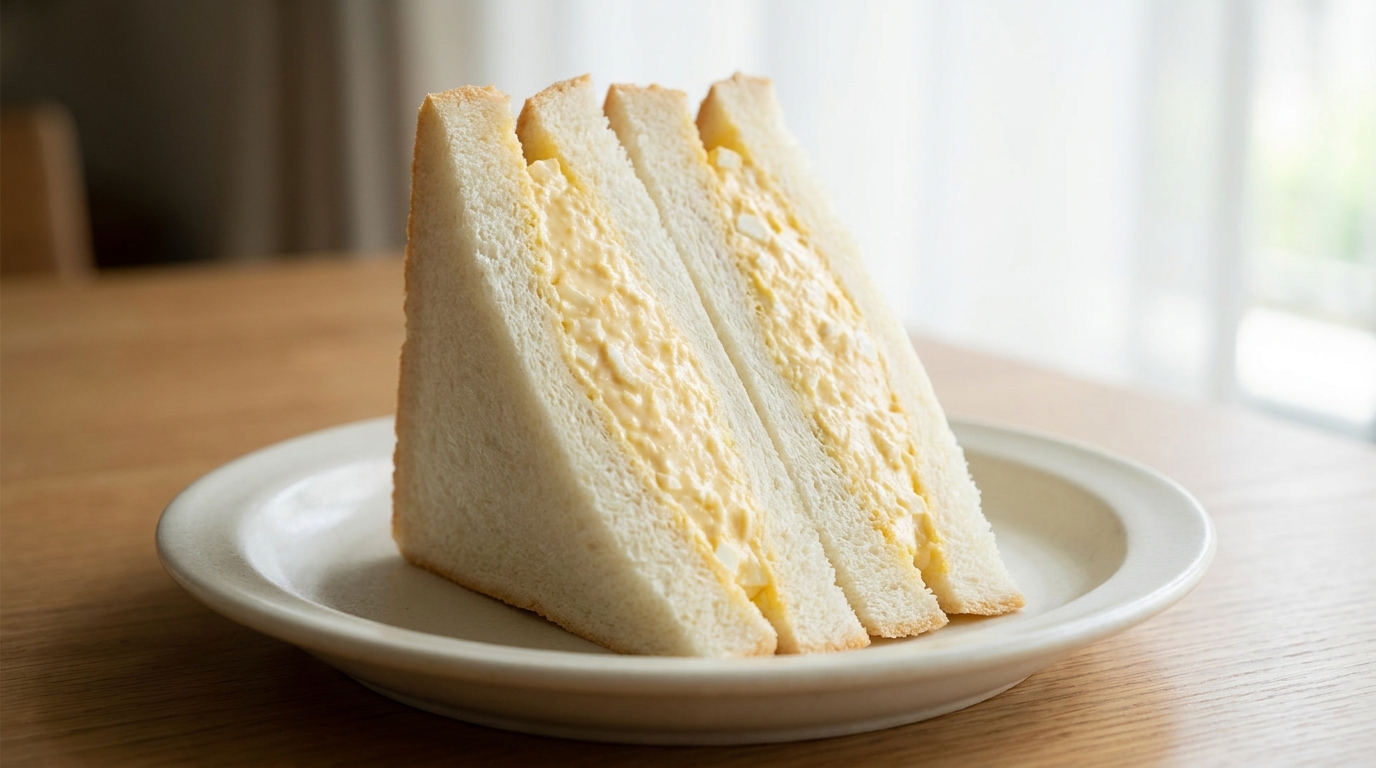
Japan’s convenience stores are an egg destination in themselves. The famous egg sandwich (tamago sando) layers creamy mashed egg salad between soft milk bread. Nearby you will find ajitsuke tamago — soy-marinated soft-boiled eggs — sold singly and often added to instant ramen.
These are cheap, ready to eat, and a low-effort way to taste Japanese egg flavors on the go.
7. Chawanmushi — savory steamed egg custard
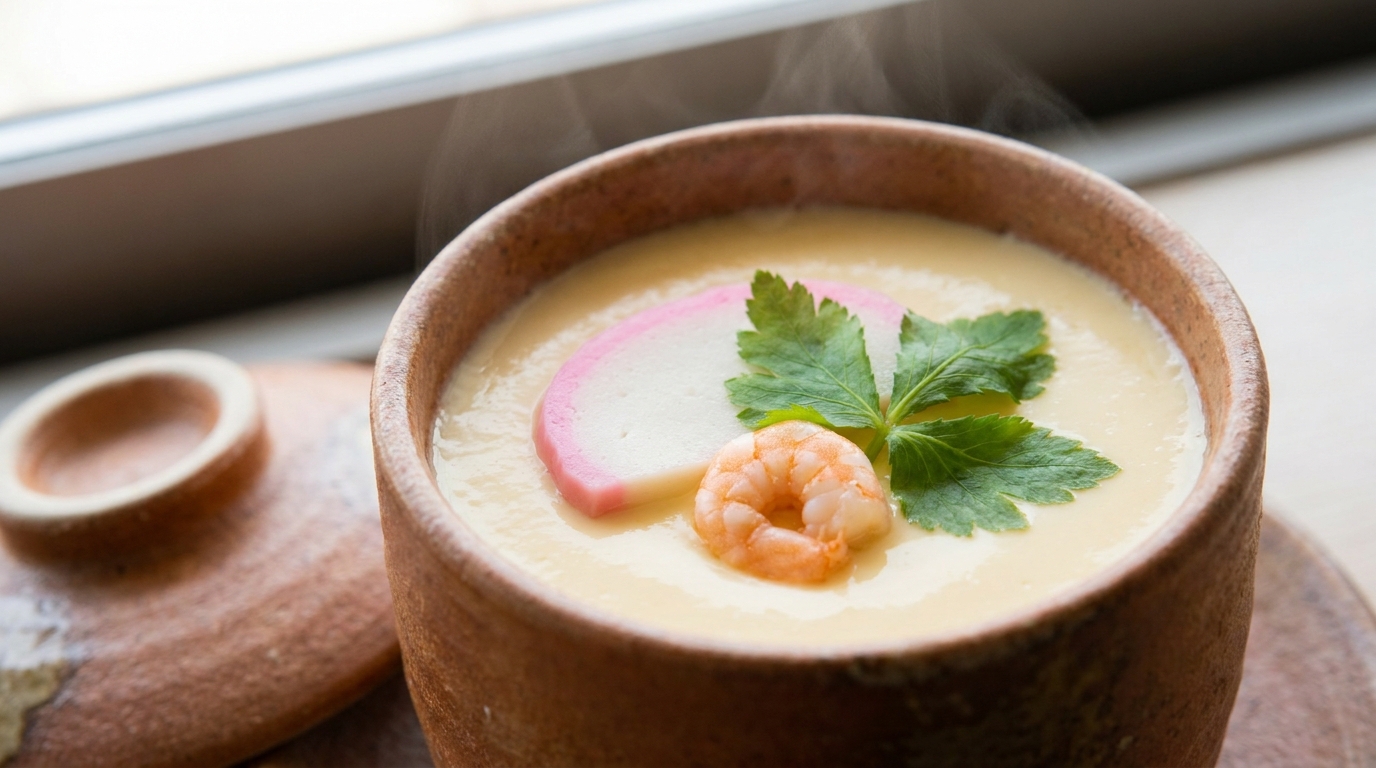
Chawanmushi is a silky steamed custard made from beaten egg and dashi, hiding small treasures like chicken, shrimp, or ginkgo nuts. Served warm in a small lidded cup, it is smooth, savory, and barely sweet — closer to a soup than a dessert.
You will find it at izakaya, set-meal restaurants, and traditional kaiseki courses.
Where to try each dish and rough prices
| Dish | Where to find it | Rough price |
|---|---|---|
| Tamago kake gohan | Set-meal shops, TKG specialty cafes | ¥400–¥900 |
| Sukiyaki (raw-egg dip) | Sit-down sukiyaki restaurants | ¥2,500–¥6,000 |
| Onsen tamago | Convenience stores nationwide | ¥105–¥137 |
| Tamagoyaki / dashimaki | Sushi counters, bento, konbini | ¥150–¥600 |
| Oyakodon / omurice | Casual diners, family restaurants | ¥600–¥1,200 |
| Egg sando / ajitama | Convenience stores | ¥150–¥350 |
| Chawanmushi | Izakaya, set-meal restaurants | ¥300–¥700 |
Prices are typical ranges and vary by shop and area.
A quick note on raw eggs
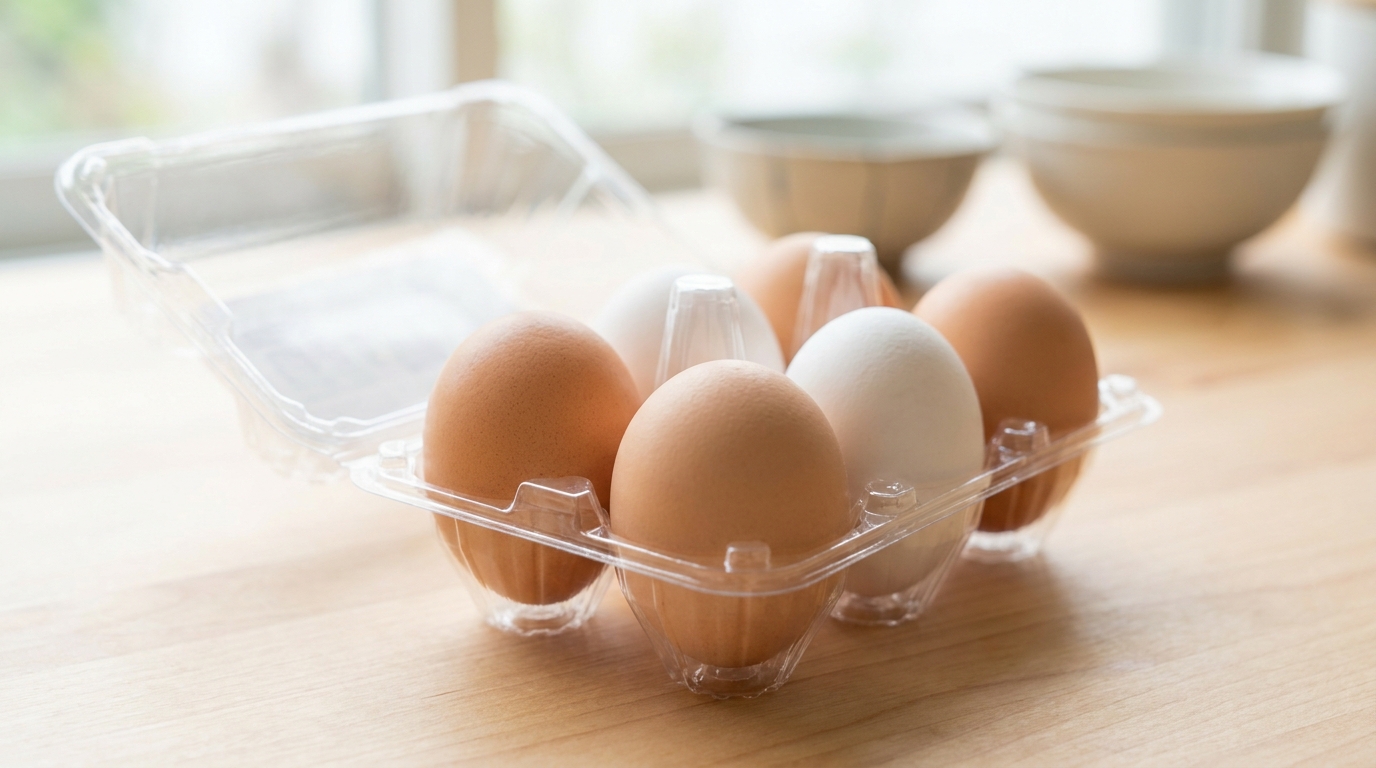
Eggs sold in Japan are washed, inspected, and date-stamped for raw eating, so dishes like TKG and the sukiyaki dip are a normal everyday choice here. Use eggs before the printed best-by date, keep them chilled, and eat raw dishes fresh rather than letting them sit at room temperature.
If you are pregnant, very young, elderly, or have a weakened immune system, you may prefer the fully cooked dishes above, such as tamagoyaki, oyakodon, or chawanmushi.
FAQ
Is it safe to eat raw eggs in Japan?
Eggs in Japan are produced and labeled for raw eating, with washing, inspection, and best-by dating. Eat them before the printed date and keep them chilled.
What is the best egg dish for a first-timer?
Onsen tamago or tamagoyaki are easy starts: one is soft-cooked, the other fully cooked, so neither is fully raw.
Where can I buy onsen tamago?
At almost any convenience store nationwide, around ¥105–¥137 each, served with a small cup of dashi sauce.
How do I eat tamago kake gohan?
Crack a raw egg over hot rice, add a little soy sauce, stir until creamy, and eat right away.
Can I make TKG without raw egg?
Yes. Use an onsen tamago instead for a similar flavor with a softer, partly cooked egg.
What is the difference between tamagoyaki and dashimaki?
Tamagoyaki is slightly sweet; dashimaki adds dashi stock for a softer, more savory, juicier roll.
Is chawanmushi sweet or savory?
Savory. It is a warm steamed egg custard made with dashi, closer to a soup than a dessert.
Are convenience-store eggs good?
Yes. Egg sandwiches, onsen tamago, and soy-marinated eggs are popular, cheap, and ready to eat.

Comments