Halal Ramen in Tokyo 2026: 3 Verified Shops + What to Do When None Are Nearby

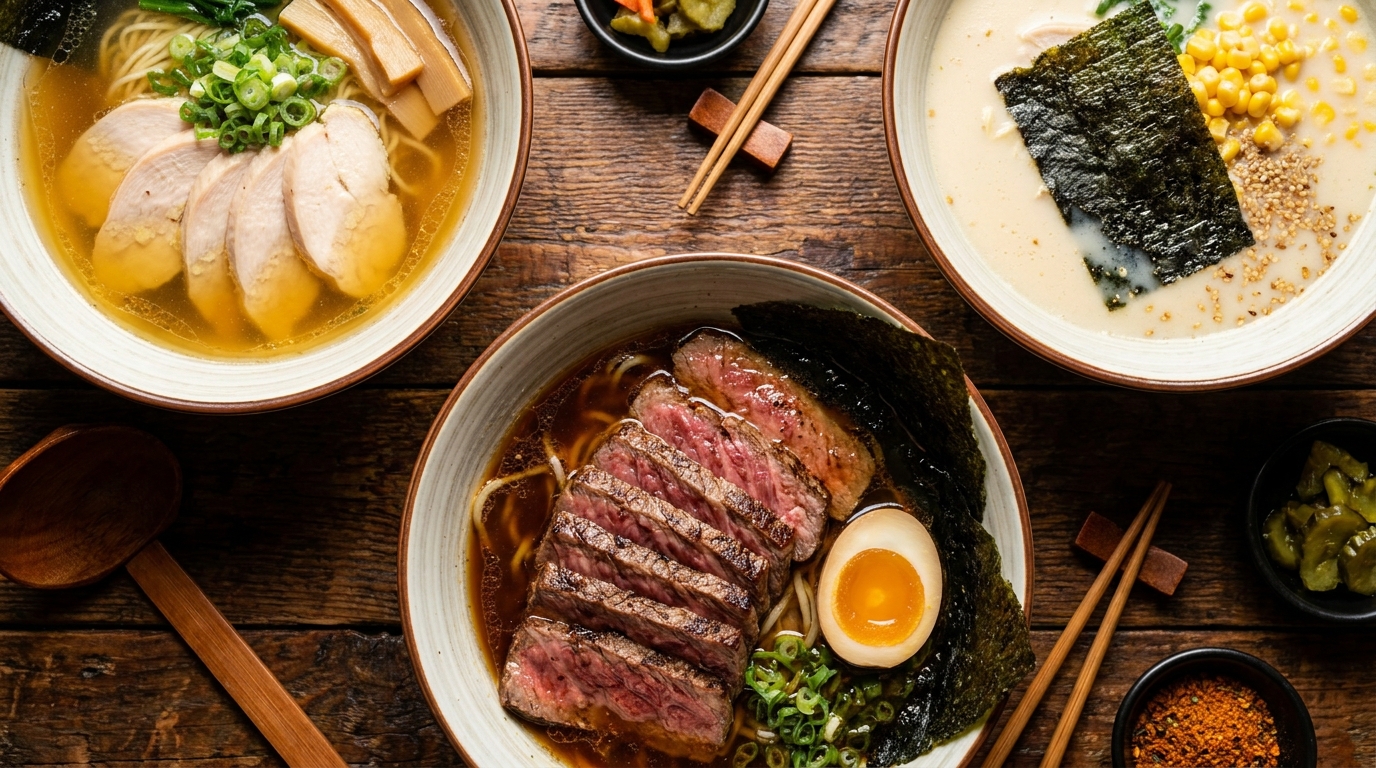
Three halal ramen bowls overhead Ramen

image 01

Quick Answer

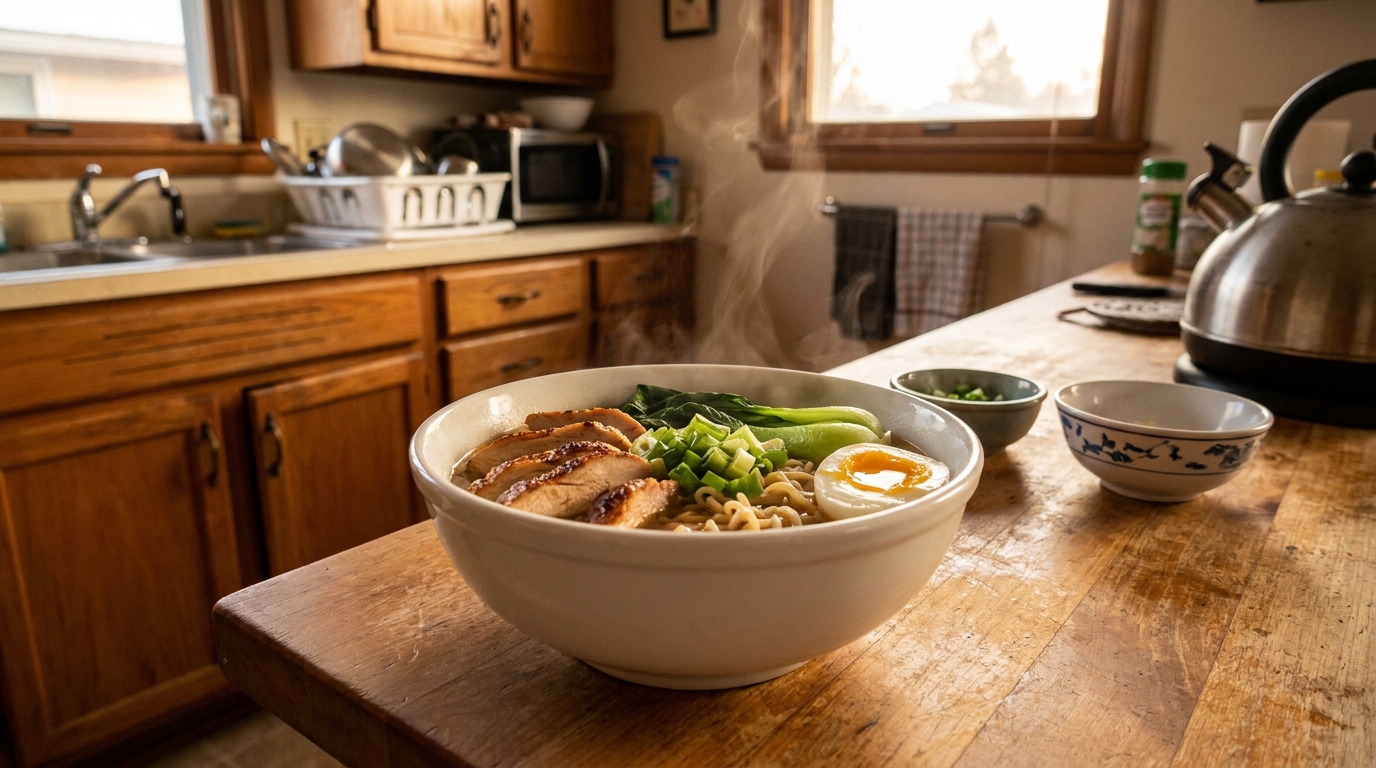
If you want halal-certified ramen in Tokyo right now, three shops are the safest bets as of May 2026: Halal Shinjukutei (Shinjuku, JMA certified), Ayam-Ya Shin-Okachimachi (between Asakusa and Ueno, JHF + MHC certified), and Halal Ramen & Dining Honolu (Ebisu, Japan Islamic Cultural Center certified). All three currently operate, all three offer on-site prayer space, and all three are reachable from a major JR station — but certification status can change, so confirm on the shop’s official page or Tokyo Camii before you go. When none are within reach, self-cooking from a Tokyo Camii Halal Market or Shin-Okubo grocery is a reliable backup.

This guide covers the three shops in detail, explains the difference between “halal certified” and “Muslim-friendly,” and gives you a concrete fallback plan if you can’t get to any of them.


Why Finding Halal Ramen in Tokyo Takes Some Planning

Most ramen broths in Japan are built on pork bones (tonkotsu), pork-based chashu, and seasonings that may contain alcohol-derived ingredients (mirin, cooking sake, soy sauce with alcohol). A standard ramen shop is not designed around halal requirements, and substituting one ingredient — say, switching pork chashu for chicken — does not make the bowl halal if the broth, kitchen tools, or stock contain non-halal traces.

That is why the number of fully halal-certified ramen shops in Tokyo stays small even though the city has hundreds of ramen options. The good news: a handful of shops have built their entire operation around halal compliance from day one, and those are the ones worth knowing.

image 02


The 3 Verified Halal Ramen Shops in Tokyo (May 2026)

The three shops below are listed because each has held halal certification for several years, has multiple independent reviews from Muslim travelers, and operates in a location accessible from a major tourist area.

Important caveat (please read): Halal certification is reviewed periodically and can be suspended or transferred between certification bodies. The information here reflects publicly available data as of 2026-05-04. Before visiting, verify the current certification on the shop’s own page or via Tokyo Camii’s listing.

1. Halal Shinjukutei (ハラル新宿亭) — Shinjuku

Location: B103 Eclair Shinjuku, 3-11-6 Shinjuku, Shinjuku-ku, Tokyo 160-0022
Certification: Japan Muslim Access (JMA)
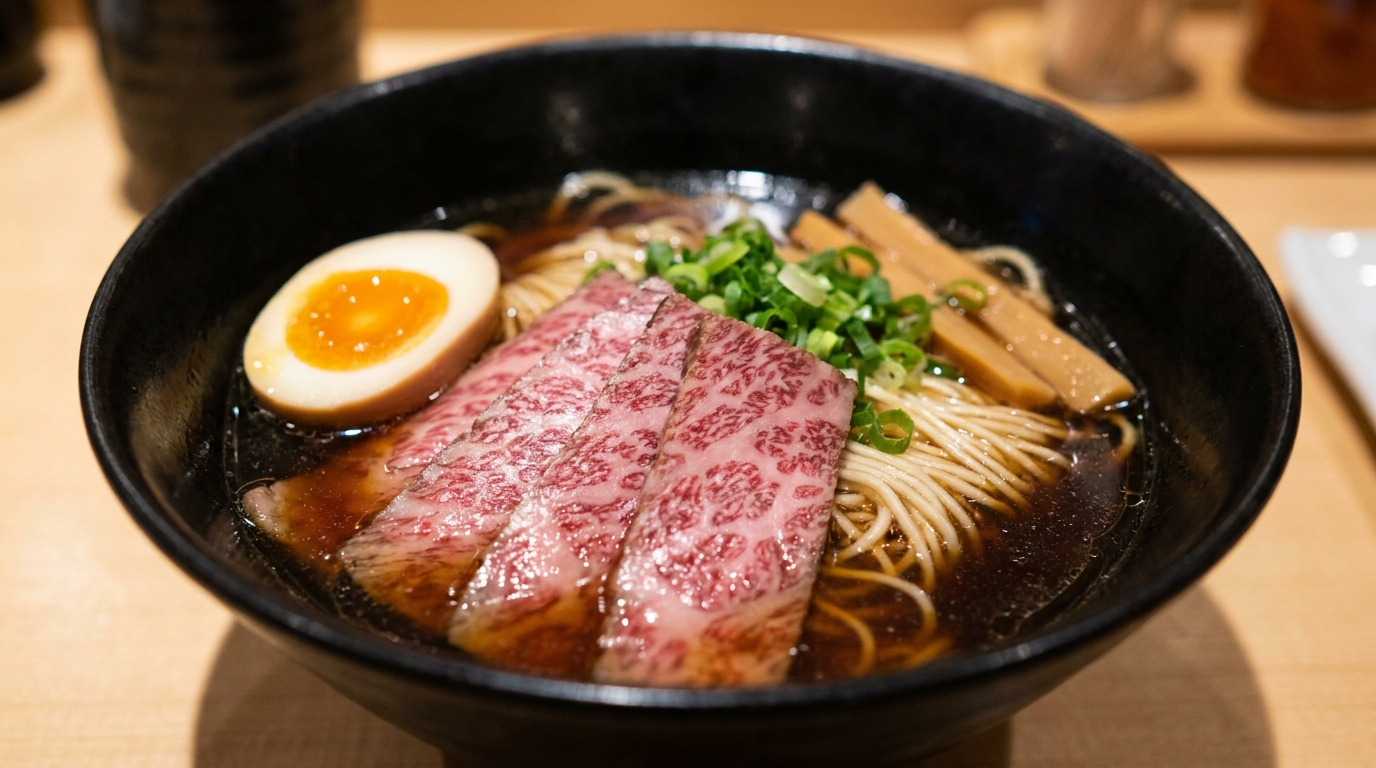
Style: Premium Halal A5 Wagyu ramen and Chicken Paitan ramen
Approximate price: Chicken Paitan ramen ¥1,500–¥2,500 (+tax); A5 Wagyu Ramen around ¥4,500 (+tax); premium Wagyu sets up to ¥6,000 (+tax)

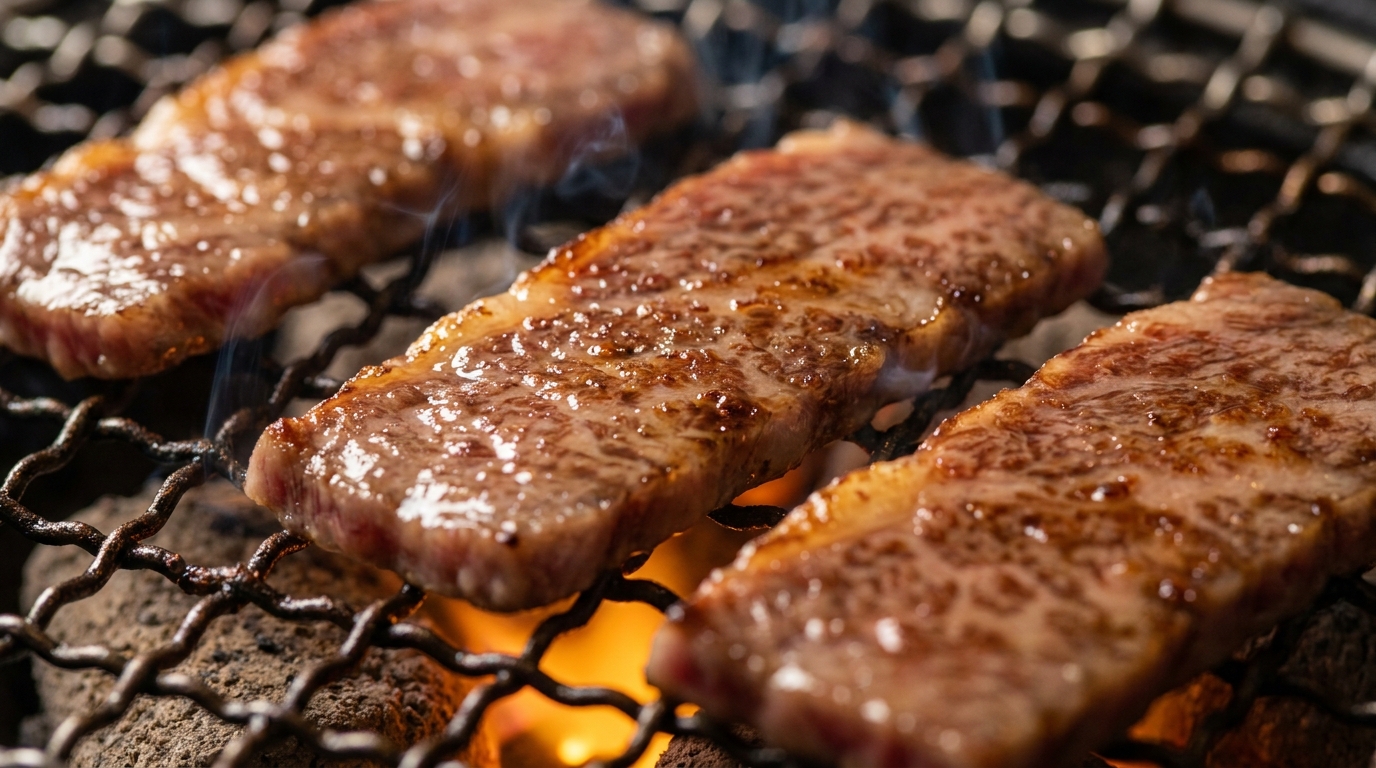
Halal Shinjukutei is the priciest shop on this list, and that is the point. It is the only halal-certified ramen shop in Tokyo that builds its menu around A5 Wagyu beef rather than chicken — meaning the broth, the chashu, and the toppings showcase a kind of Japanese cuisine that most halal ramen shops cannot offer at all. If you have one premium meal budgeted into your Tokyo trip, this is a reasonable place to spend it.

The shop is fully certified by Japan Muslim Access (JMA) and includes a clean dedicated prayer room with wudu (ablution) facilities on-site. Multilingual staff make ordering and customizing dishes (size, spice level, soup base) easier for foreign visitors.

Why this shop is on the shortlist: Shinjuku is the most central transport hub in Tokyo, so a halal-certified ramen option located there fills the biggest gap in the previous halal ramen map. The premium Wagyu menu is also a clean differentiator if you want a “splurge” halal lunch or dinner.

Access from major hubs: From the main JR Shinjuku Station, the shop is roughly a 5–10 minute walk. From Shinjuku-sanchome Station (Tokyo Metro Marunouchi/Fukutoshin/Toei Shinjuku lines), it is a 2-minute walk. From Tokyo Station, take the JR Chuo Line directly to Shinjuku (about 14 minutes), then walk.

What to order: First-timers usually go for the Halal A5 Wagyu Ramen in soy sauce or miso — the signature bowl that defines the shop. If the Wagyu set is outside your budget, the Chicken Paitan Ramen in the ¥1,500–¥2,500 range is more accessible and still benefits from the same JMA-certified kitchen. The Halal Wagyu Sushi and Karaage are popular sides; the karaage is a workable backup if you arrive late and the daily Wagyu allocation is sold out.

image 03

2. Ayam-Ya Shin-Okachimachi (アヤムヤ 新御徒町)

Location: Shato Motoasakusa 1F, 3-10-3 Motoasakusa, Taito-ku, Tokyo
Certification: Japan Halal Foundation (JHF, 3-star “all-halal”) + Malaysia Halal Corporation (MHC)
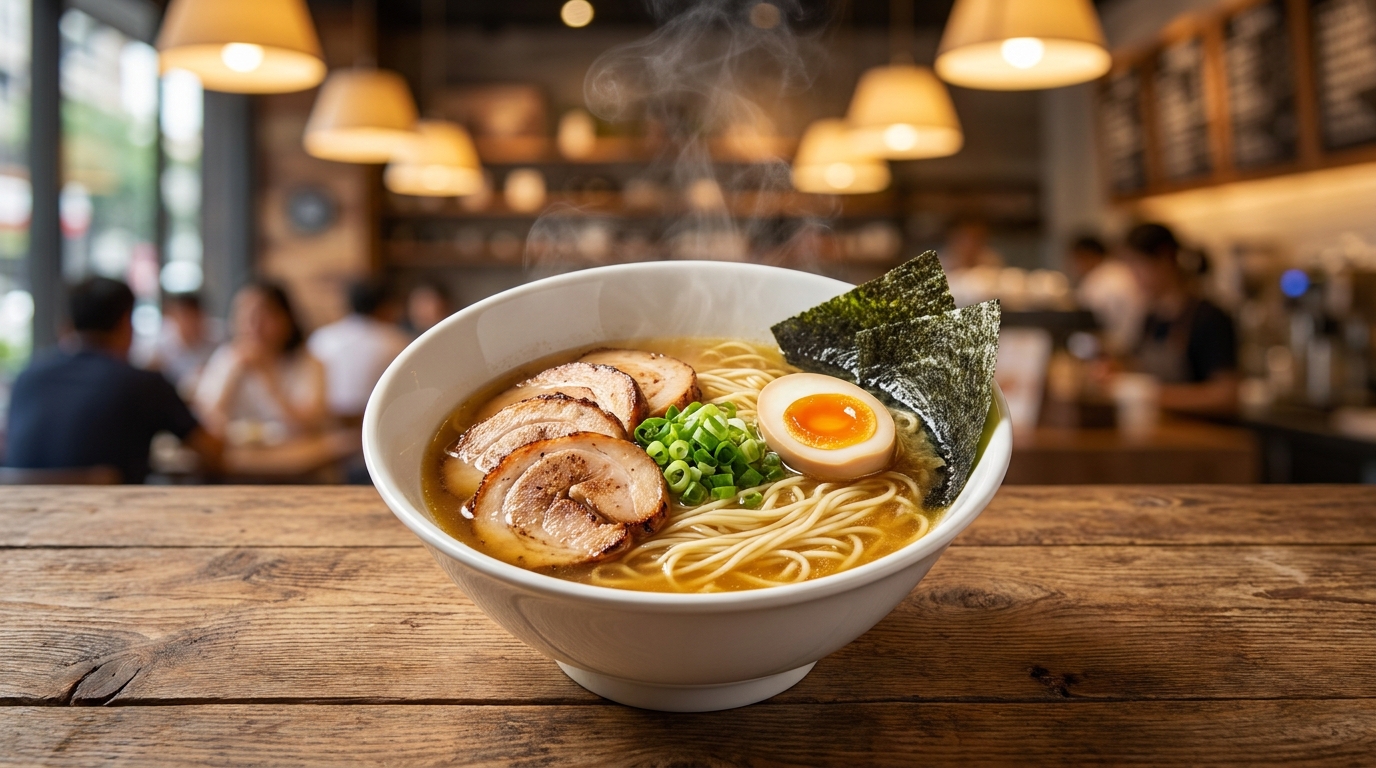
Style: Chicken-broth ramen with multiple variations (Shio, Shoyu, spicy)
Approximate price: Around ¥850–¥1,020 per bowl

Note that the original Okachimachi branch closed and relocated. The current operating shop is Ayam-Ya Shin-Okachimachi at the Motoasakusa address above — sometimes still listed online under the older “Okachimachi” name, but the present-day location is Shin-Okachimachi.

Ayam-Ya holds Japan Halal Foundation’s highest 3-star “all-halal” rating, meaning the entire menu is halal and no alcohol is served on the premises. It also holds Malaysia Halal Corporation (MHC) certification, which gives it broad credibility with travelers from Malaysia, Indonesia, and Brunei.

The menu leans heavily into ramen — most dishes are ramen variations — with side items like chashu rice bowls and halal karaage. Some specialty ramens like Noko Tori Soba are limited to a small number of bowls per day, so arriving early matters if you want a specific variation.

Why this shop is on the shortlist: Pricing is the most accessible of the three (under ¥1,000 per bowl is common), the all-halal alcohol-free status is the strictest available, and the location near Asakusa, Ueno, and Akihabara makes it easy to fold into a sightseeing day.

Access from major hubs: From Shinjuku Station, take the Toei Oedo Line directly to Shin-Okachimachi Station (about 20 minutes), then walk roughly 5 minutes. From Tokyo Station, take the JR Yamanote Line to Okachimachi Station (about 7 minutes), then walk about 10 minutes — or transfer to the Toei Oedo Line. The shop is also accessible via the Tsukuba Express line.

What to order: First-timers usually pick the Noko Tori Soba (rich chicken broth ramen, available in Shio or Shoyu) or the Spicy Tori Ramen. If you want something more distinctive, the Jakarta Maze Men (soup-less noodles with a special sauce) is a signature dish that does not appear on most other halal ramen menus in Tokyo. Halal karaage works well as a side.

image 04

image 05

3. Halal Ramen & Dining Honolu — Ebisu

Location: ABC Americabashi Bldg 1F, 1-23-1 Ebisuminami, Shibuya-ku, Tokyo
Certification: Japan Islamic Cultural Center (Otsuka Mosque) / Japan Islamic Trust
Style: Chicken paitan (cloudy chicken broth) ramen, plus spicy fried-chicken ramen and BBQ variations
Approximate price: Around ¥930–¥1,380 per bowl

Honolu is a small chain. Of its Tokyo locations, the Ebisu branch is one of the halal-certified ones — Honolu’s official site lists Ebisu, Otsuka, and Namba (Osaka) as the locations that have received halal certification from the Japan Islamic Cultural Center (Otsuka Mosque). Some older guides reference Malaysia Halal Corporation (MHC) for Honolu, but the current verified certifying body for the Ebisu branch as of 2026 is the Japan Islamic Cultural Center / Japan Islamic Trust.

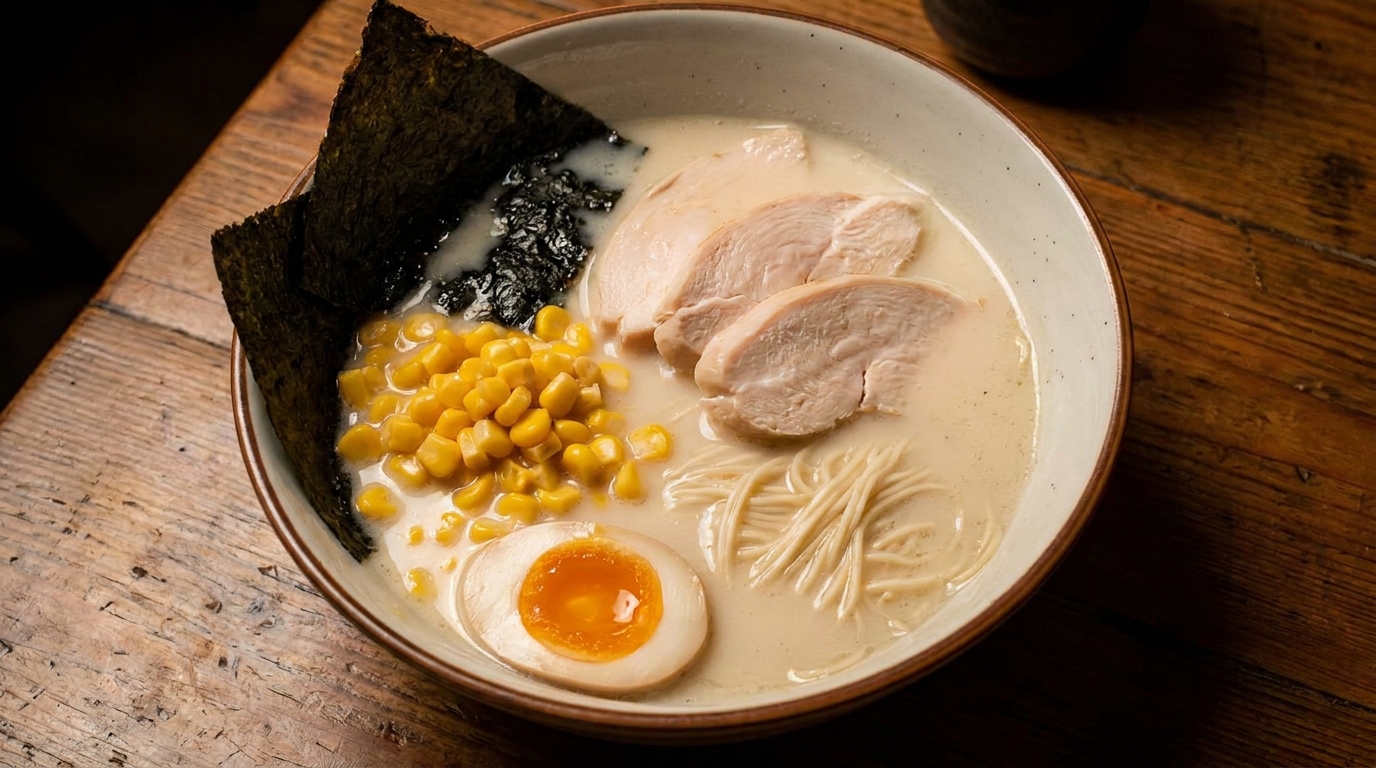
The signature is a rich chicken paitan with soft noodles, chicken, corn, seaweed, and a half-boiled egg — a closer match to the modern thick-broth ramen style that has become popular in Tokyo over the last decade. Honolu publicly notes that pork and alcohol are not used at all, including ingredients derived from those products.

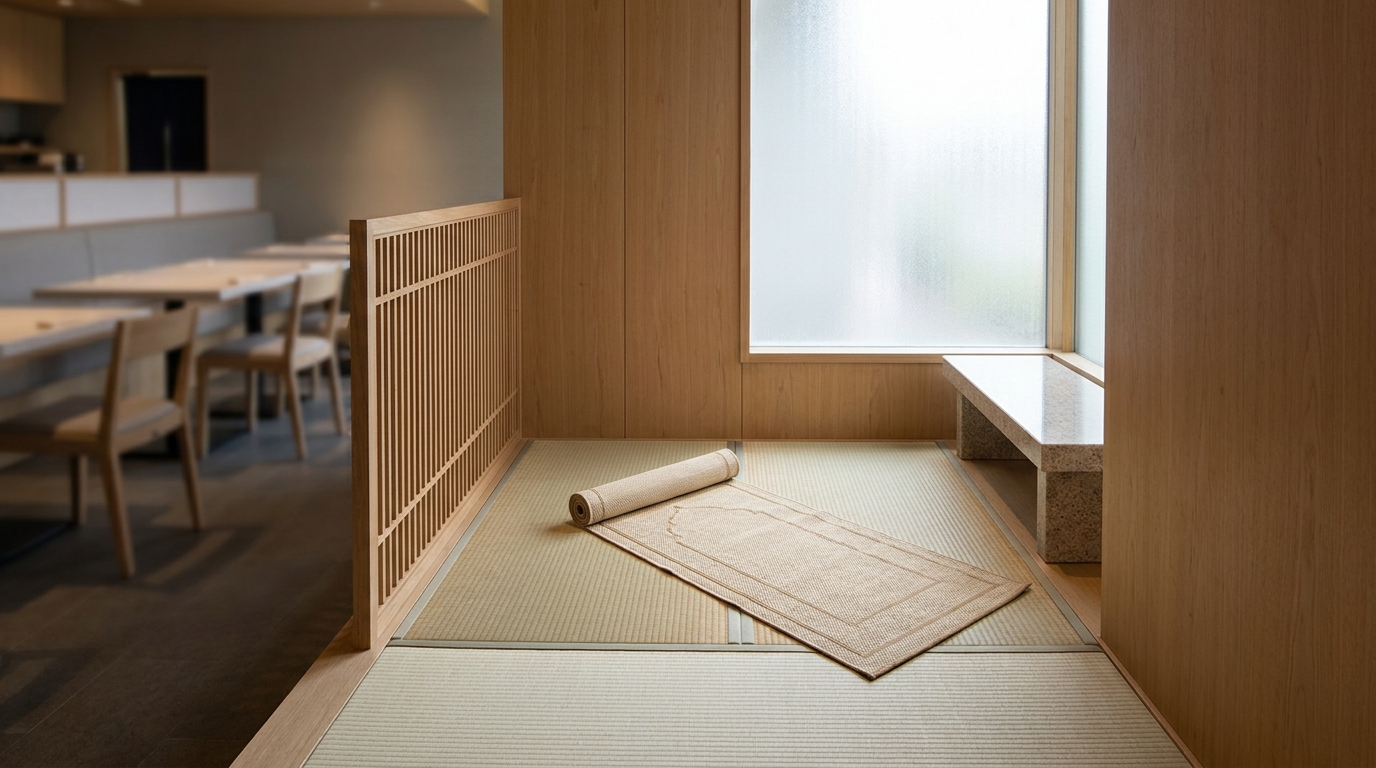
The shop has counter seats on the first floor and a 12-person Japanese-style floor area upstairs. The upstairs space includes a small prayer area equipped with prayer mats and garments for female guests — a useful feature for a longer lunch break that includes prayer time.

Why this shop is on the shortlist: The Ebisu location places it within a quick train ride of Shibuya and Roppongi, which is convenient if your itinerary is centered on the western side of central Tokyo. The price band (¥930–¥1,380) is the middle ground between the budget-friendly Ayam-Ya and the premium Halal Shinjukutei.

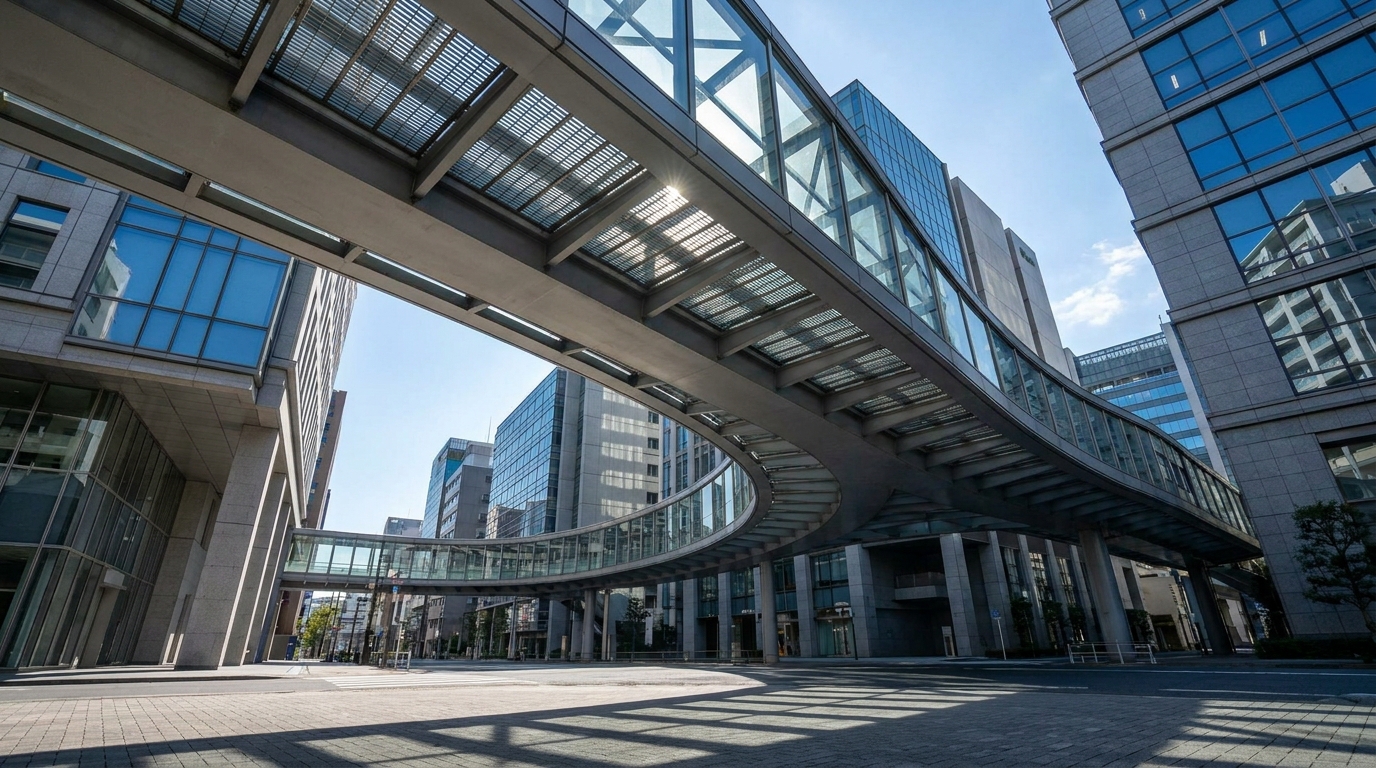
Access from major hubs: From Shinjuku, take the JR Yamanote or Saikyo Line directly to Ebisu (about 11 minutes); from Tokyo Station, take the JR Yamanote Line to Ebisu (about 18 minutes); from Shibuya, Ebisu is one stop on the Yamanote Line (about 3 minutes). The shop is roughly an 8–9 minute walk from Ebisu Station, accessible via the “Ebisu Skywalk” from the East Exit.

What to order: The Special Rich Chicken Paitan Ramen is the headline bowl. The Spicy Fried-Chicken Ramen is a popular alternative that uses halal karaage on top of the broth, and the Spicy Yakiniku BBQ Ramen adds halal beef. Halal Chicken Gyoza and Takoyaki are recommended sides if you are hungry enough for a side dish.

image 06

image 07


Understanding What “Halal” Means at a Tokyo Ramen Shop

The single biggest source of confusion for first-time Muslim travelers in Japan is the gap between halal certified and Muslim-friendly. The two terms are often used interchangeably in tourism marketing, but they mean different things.

Halal Certified

A “halal-certified” restaurant has been audited by a recognized certification body. The audit covers ingredient sourcing, kitchen workflow, separation of utensils, and alcohol policy. The certification is issued for a fixed period and renewed via re-audit. No alcohol is served on the premises at most fully halal-certified restaurants, and the entire kitchen is operated to halal standards.

Muslim-Friendly

A “Muslim-friendly” restaurant offers some menu items that are prepared without pork or alcohol-derived ingredients, but the restaurant itself may also serve dishes containing pork or alcohol. Kitchen tools and oil may be shared. The exact level of separation depends on the restaurant’s own internal rules, not an external auditor.

For a traveler whose practice requires a fully halal kitchen with no alcohol on premises, only “halal-certified” qualifies. For travelers whose practice is more flexible, “Muslim-friendly” expands the option set significantly.

image 08

Certification Bodies You Will See in Tokyo

Several certification bodies operate in Japan, and a single shop may carry certification from one, two, or none of them. The major ones:

  • Japan Muslim Association (JMA) — Established in 1953, the oldest Japanese Muslim organization. Recognized by JAKIM (Malaysia’s government Islamic department).
  • Japan Halal Association (JHA / NPO) — Based in Osaka. Recognized by JAKIM (Malaysia), MUIS (Singapore), BPJPH (Indonesia), and several Gulf-region bodies.
  • Nippon Asia Halal Association (NAHA) — Based in Chiba, near Tokyo. Certifies hotels and restaurants.
  • Japan Islamic Trust / Japan Islamic Cultural Center (Otsuka Mosque) — Currently certifies Honolu Ebisu (and other Honolu branches such as Otsuka and Namba in Osaka).
  • Japan Muslim Access (JMA) — Currently certifies Halal Shinjukutei. (Note: this is a separate organization from the Japan Muslim Association, even though the abbreviations overlap.)

The practical takeaway: when you check a shop’s certification, look for the logo of a specific body and the certificate number / expiry date on the wall or on the official site. A generic “halal” sign without a named issuer does not carry the same weight.

Why Status Can Change

Certifications expire. Restaurants close, change ownership, or move locations. The list of “halal ramen shops in Tokyo” you find on a 2022 blog post may not match what is operating in 2026. This is why the number of shops in this guide is three, not ten — keeping the list short makes it manageable to verify before each visit.

The fastest verification path: open the shop’s official website (or Tokyo Camii’s restaurant directory) and check the most recent certification date. If you cannot find a current certification, treat the shop as “Muslim-friendly” rather than “halal certified” until you have direct confirmation.


What to Do When None of the Three Shops Are Near You

Tokyo is large. If your accommodation is on the western side (Shinjuku, Shibuya, Roppongi) you are roughly 20–40 minutes from any of the three shops listed above. From farther-out areas (Tama, the western suburbs, the bay-side hotels in Odaiba, or Narita-side accommodations), the trip can stretch to 60–90 minutes one way. On those days, self-cooking or a halal grocery run is faster.

Option A: Self-Cooking from a Halal Grocery

Many short-stay accommodations in Tokyo (Airbnb, minpaku, apart-hotels) include a small kitchen with a single-burner stove or induction cooker. You can buy halal ingredients from one of the following and cook a basic noodle bowl yourself.

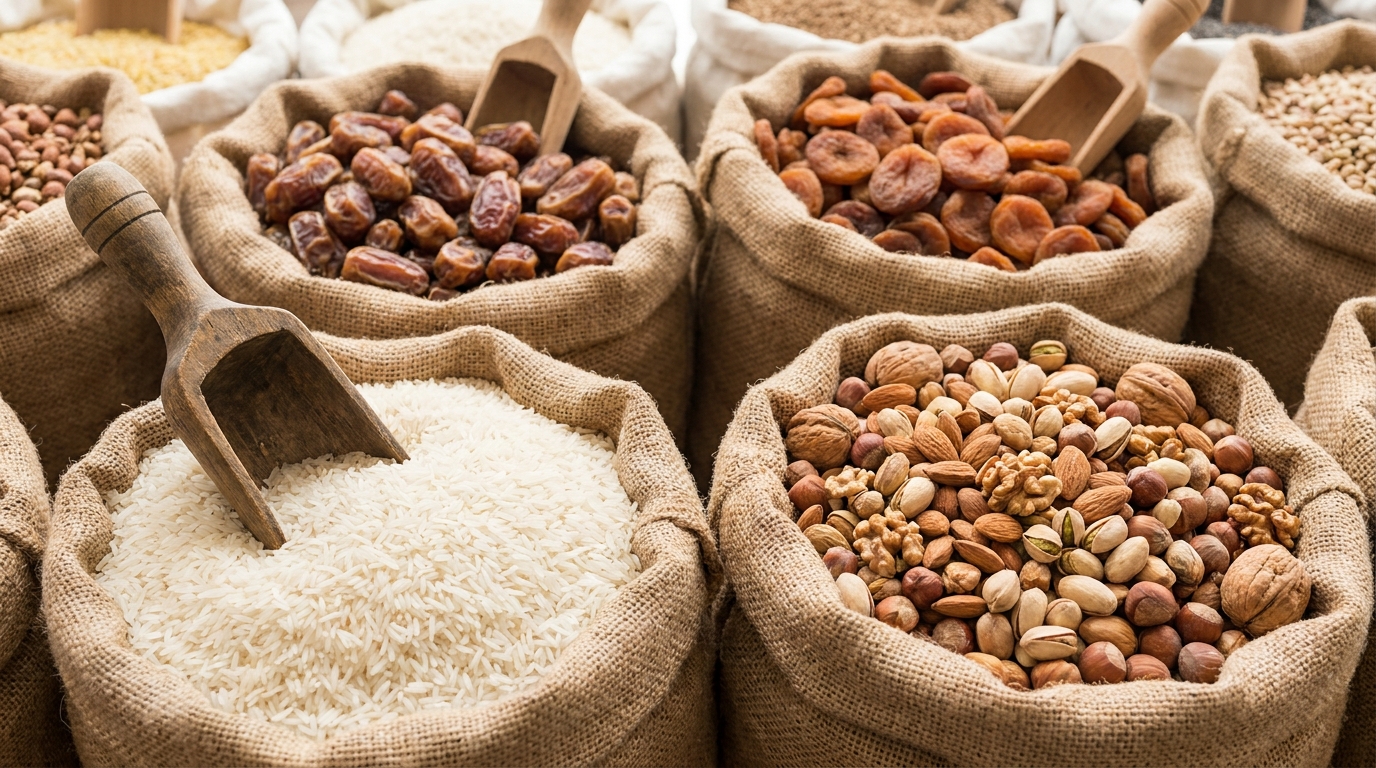
  • Tokyo Camii Halal Market (inside Tokyo Camii mosque, Yoyogi-Uehara, Shibuya-ku) — Japan’s largest mosque has an on-site halal grocery selling halal meat, snacks, seasonings, and ingredients from across the Muslim world. This is the most convenient option for travelers staying in central Tokyo.
  • Shin-Okubo “Islamic Yokocho” — The Shin-Okubo neighborhood in Shinjuku has the densest concentration of halal grocery stores in Tokyo. Stores like Jannat Halal Food and Green Nasco carry halal-certified meats, spices, and ready-to-cook noodles. Shin-Okubo is one stop from Shinjuku on the Yamanote Line.
  • Online Tokyo halal stores — Several Tokyo-based halal grocers ship same-day or next-day to Tokyo addresses, which can work if you are staying somewhere far from a physical store.

A simple halal noodle bowl from these ingredients takes 15–20 minutes: bring water to a boil, cook halal-certified instant noodles, add halal chicken slices and vegetables, drop in soy sauce or chicken stock for flavor.

image 09

A Concrete Example: Building a Halal Noodle Bowl at Your Airbnb

For travelers who want a more specific roadmap, here is a basic recipe that uses ingredients commonly stocked at Tokyo Camii Halal Market or a Shin-Okubo grocery, and works on a single-burner stove or induction cooker.

Ingredients (one serving):
– 1 pack halal-certified instant ramen noodles (look for the certifying body printed on the package)
– 100–150g halal chicken (pre-cooked karaage strips or fresh chicken thigh)
– A small handful of fresh spinach, bok choy, or bean sprouts
– 1 soft-boiled egg
– 1 teaspoon halal-certified soy sauce or chicken bouillon
– Optional: 1 chopped green onion, sesame oil, chili paste

Steps:
1. Bring 500ml of water to a boil. Add the noodle seasoning packet (check that the seasoning itself is halal-certified — some instant noodle packets are halal but the included flavor sachet is not, so look for clearly halal-marked products).
2. Add the noodles and cook for the time on the package (usually 3–4 minutes).
3. Add the chicken and vegetables in the last 1–2 minutes of cooking. If using pre-cooked karaage, add it at the very end so it stays crisp on the surface.
4. Pour into a bowl, top with the soft-boiled egg and green onion, and add a drizzle of sesame oil or chili paste if desired.

This is not a replacement for a Halal Shinjukutei or Honolu bowl — it is a workable backup that takes 15 minutes and lets you stay in your accommodation on rest days or rainy days without a long train trip.

A Note on Ramadan Travel

If your Tokyo trip overlaps with Ramadan, a few practical considerations: the three shops listed above generally maintain regular operating hours during Ramadan rather than shifting to suhoor / iftar timing. Tokyo Camii holds public iftar events during Ramadan that are open to visitors, and the mosque also publishes a Ramadan schedule on its website. Self-cooking from Tokyo Camii Halal Market is often the most practical way to manage suhoor and iftar in a Tokyo accommodation, since few central Tokyo restaurants accommodate suhoor (pre-dawn) hours.

image 10

Option B: Konbini and Supermarket Pickups

Standard Japanese convenience stores (7-Eleven, FamilyMart, Lawson) and supermarkets do not carry halal-certified items as a rule, but some products are coincidentally halal-compatible if you read the ingredient list carefully:

  • Plain onigiri (rice balls) without meat or fish flake fillings
  • Plain steamed rice packets
  • Most fresh fruit, plain yogurt without alcohol-derived flavorings
  • Some packaged tofu and natto (check the seasoning packet — soy sauce in Japan often contains alcohol from the brewing process)
  • Bottled green tea, mineral water, plain milk

Be cautious with anything seasoned, fried, or pre-prepared — pork extract (pork broth powder) and alcohol-derived flavoring (kakushiaji) appear in many unexpected places, including potato chips and curry roux.

Option C: Other Halal-Certified Restaurants Outside Ramen

If your craving is “Japanese food, halal certified” rather than “ramen specifically,” Tokyo has roughly 300+ halal-certified or Muslim-friendly restaurants across other cuisines (curry, yakiniku, izakaya-style, Japanese kaiseki). The Tokyo Camii directory and the Halal Gourmet Japan site maintain searchable lists.

For Muslim travelers staying in Airbnb-style accommodations with kitchens, the practical pattern most travelers settle on is: one or two halal-certified restaurant meals per stay (planned around sightseeing days that pass through Asakusa, Ueno, or Ebisu) plus self-cooking or convenience-store-friendly items the rest of the time.


How to Verify a Shop Yourself Before You Go

A quick five-step check before visiting any halal restaurant in Tokyo, including the three above:

  1. Find the shop’s official website (not a third-party blog).
  2. Look for the certification body name and logo — if it lists “Japan Islamic Trust,” “JHA,” “JMA,” or another named body, that is meaningful. A generic “halal” graphic without a body name is weaker.
  3. Check the certification expiry or renewal date. Certifications are time-bound.
  4. Cross-check on Tokyo Camii’s listing at halalmarket.tokyocamii.org or on a recognized aggregator like Halal Gourmet Japan.
  5. If the shop has a Google Maps profile, check recent reviews (last 30–60 days) for any mention of certification changes, closure, or menu shifts.

If steps 1–3 do not produce a current named-body certification, treat the shop as Muslim-friendly rather than halal-certified, and decide if that meets your standard.


Pairing This Guide with Your Stay

If you are staying in a Japanese Airbnb or minpaku, you will get more out of these three shops by reading them in combination with the Muslim guest stay guide on this site, which covers what to expect inside the accommodation itself (futon bedding, prayer space considerations, bathroom design, host communication). The two guides together give you a “how to eat” plus “how to stay” pair that covers most day-to-day questions Muslim travelers run into during a Tokyo trip.


FAQ

Q1. What kind of broth do these shops use? Is it the same as standard Tokyo ramen?

Two of the three shops (Ayam-Ya Shin-Okachimachi and Honolu Ebisu) build their broth from chicken bones, which is the most common base for halal ramen in Japan. Halal Shinjukutei is the exception — its signature uses A5 Wagyu beef broth alongside chicken paitan options. None of the three use the pork-bone (tonkotsu) broth that dominates the rest of the Tokyo ramen scene, because tonkotsu is structurally not compatible with halal certification.

Q2. Do these shops serve alcohol?

Reports as of 2026-05-04 indicate the three shops above do not serve alcohol on premises. This puts them in the stricter “halal certified, no alcohol” category rather than the looser “Muslim-friendly with alcohol” category. Confirm on the shop’s site if your practice requires zero alcohol.

Q3. Are there halal ramen options in Shinjuku station area itself?

Yes — Halal Shinjukutei is the in-area option, roughly a 5–10 minute walk from JR Shinjuku Station and a 2-minute walk from Shinjuku-sanchome Station. It is the only halal-certified ramen shop in Tokyo whose primary location is in the Shinjuku ward itself. Pricing is on the higher side because the menu is built around A5 Wagyu beef. For travelers based in Shinjuku who want a budget option instead, Shin-Okubo halal groceries (one stop on the Yamanote Line) are a practical alternative.

Q4. What does “Muslim-friendly” mean in Tokyo restaurant signage?

“Muslim-friendly” typically means the restaurant offers pork-free and alcohol-free menu items but may also serve dishes containing pork or alcohol elsewhere on the menu. Kitchen tools may be shared between halal and non-halal cooking. The level of separation varies by restaurant and is not externally audited.

Q5. Are halal certifications in Japan reliable?

The major bodies (JMA, JHA, NAHA) are recognized by overseas Islamic authorities including JAKIM (Malaysia), MUIS (Singapore), and BPJPH (Indonesia). Reliability is generally high when a shop carries a clearly named, currently valid certificate. The weak point is that some restaurants display “halal” signage without a specific issuing body.

Q6. Can I get vegetarian or vegan ramen as a halal alternative?

Some ramen shops in Tokyo offer vegan ramen (mushroom or vegetable broth) which avoids meat entirely. However, vegan does not automatically mean halal — alcohol-derived seasonings (mirin, sake-based soy sauce) can still be present. If your standard requires alcohol-free as well, ask specifically about seasonings before assuming a vegan bowl is halal.

Q7. What if a shop’s certification has expired?

If the certification expiry date has passed and the shop has not posted a renewal, treat the shop as Muslim-friendly rather than halal-certified for that visit. The shop may still be operating to its previous standards, but external verification is no longer current.

Q8. Are there halal ramen options in Kyoto, Osaka, or other Japanese cities?

Yes — several halal-certified shops operate in Osaka and Kyoto, including the Namba branch of Honolu in the Kansai region. Check city-specific listings on Halal Gourmet Japan or Tokyo Camii’s broader directory before traveling, since the Tokyo and Kansai certification landscapes are tracked separately.

Q9. Do these shops have prayer space?

All three shops have on-site prayer space as of May 2026. Halal Shinjukutei has a dedicated prayer room with wudu (ablution) facilities. Ayam-Ya Shin-Okachimachi added a prayer space when it relocated. Honolu Ebisu has a small prayer area on the second floor with prayer mats and garments for female guests. For longer prayer breaks, the Tokyo Camii mosque in Yoyogi-Uehara remains the largest dedicated prayer facility in central Tokyo.

Q10. What is the budget for a halal ramen meal in Tokyo?

Plan for around ¥1,000–¥1,500 per bowl at the three shops listed, plus ¥200–¥500 for a side dish or drink. A solo halal ramen lunch in Tokyo lands at roughly ¥1,200–¥2,000 in total, which is in line with mid-range standard ramen pricing in the city.


Closing Note

Halal ramen in Tokyo is a small but stable part of the city’s food scene as of 2026-05-04. The three shops in this guide are not the only options — they are the most established and most consistently certified. If you are visiting Tokyo for a week, fitting one halal ramen meal into your itinerary near a major hub (Shinjuku for Halal Shinjukutei, Asakusa/Ueno for Ayam-Ya Shin-Okachimachi, or Ebisu/Shibuya for Honolu) is realistic and doesn’t require special trips. For everything else, a quick Tokyo Camii Halal Market or Shin-Okubo grocery run gives you the ingredients to handle the rest of your trip.

The key habits: verify certification before each visit, distinguish “halal certified” from “Muslim-friendly,” and keep a backup plan (groceries + simple cooking) for the days when none of the three shops fits your route.

Copied title and URL