Tokyo has yakiniku for a quick solo lunch, a group all-you-can-eat dinner, and a carefully paced wagyu course. The hard part is not finding a restaurant. It is choosing the right format, understanding the final bill, and knowing what to do once raw meat reaches your table.
- 30-Second Answer
- First, Choose the Yakiniku Format That Fits Your Trip
- What Yakiniku Costs in Tokyo: Use Current Examples, Not One Universal Range
- Booking: When to Reserve and What Your Plan B Should Be
- How to Order Without Overbuying
- The Five Menu Words That Solve Most First Orders
- How to Grill Yakiniku Safely
- What A5 Means—and What It Does Not Mean
- Payment, Service Charges, and Time Limits
- Solo Diners, Families, and Dietary Restrictions
- Two RJG Field Reports to Compare Before You Book
- FAQ
- How much should I budget for yakiniku in Tokyo?
- Do I need a reservation for yakiniku in Tokyo?
- What is the best Tokyo area for yakiniku?
- Can I eat yakiniku alone?
- What should a first-time visitor order?
- Should I choose A5 wagyu?
- Can I cook wagyu rare at yakiniku?
- Is yakiniku suitable for halal, vegetarian, or allergy-sensitive diners?
- Last Checked and Editorial Method
30-Second Answer
- For a quick solo meal, look for a set-menu restaurant and plan roughly ¥1,000–2,000. A reservation is often unnecessary at off-peak times, but branch rules and queues vary.
- For a group meal or all-you-can-eat course, plan roughly ¥3,000–6,000 per adult before drinks and reserve for Friday or Saturday dinner.
- For a premium wagyu meal, start by checking lunch. A specialist lunch can cost less than dinner, while premium dinner courses may begin above ¥7,000 and may add a service charge.
- Before confirming, check four things: tax, service charge, time limit, and cancellation terms.
- At the grill, keep the raw-meat tongs separate from your eating chopsticks and cook meat thoroughly, including the center.
These are planning bands, not Tokyo-wide averages. The current official examples later in this guide show why the restaurant type matters more than the word “yakiniku” alone.
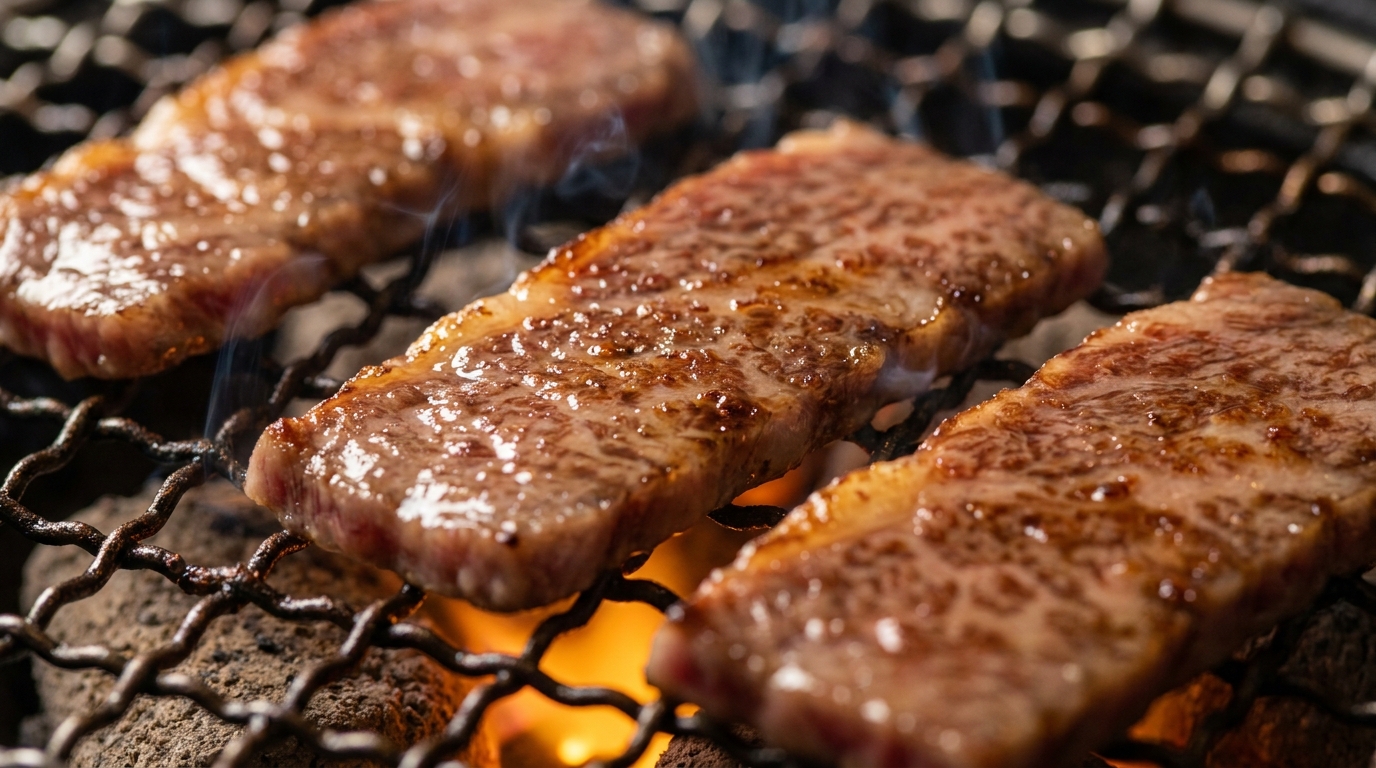
First, Choose the Yakiniku Format That Fits Your Trip
Your budget is one part of the decision. Time, group size, language support, and how much you want to manage the grill also matter.
| Your situation | Best format to search for | Reservation? | Main trade-off |
|---|---|---|---|
| Solo, short lunch break | Counter or solo set-menu yakiniku | Try an off-peak walk-in first | Built for speed; verify the available cuts |
| Friends or family who want variety | All-you-can-eat chain | Recommended at busy dinner times | Easy budgeting, but a time limit applies |
| First wagyu splurge | Specialist lunch or fixed course | Recommended | Better guidance and pacing, but check service fees |
| Local atmosphere matters most | Independent neighborhood yakiniku | Recommended for dinner | More character, but menus and booking support vary |
| No reservation and your first choice is full | Station-area chain or another branch | A seat may be unavailable | Easier to replace at short notice |
Do not choose by “A5” alone. Decide first whether you need speed, quantity, a social meal, or a premium tasting experience. Then compare restaurants within that format.
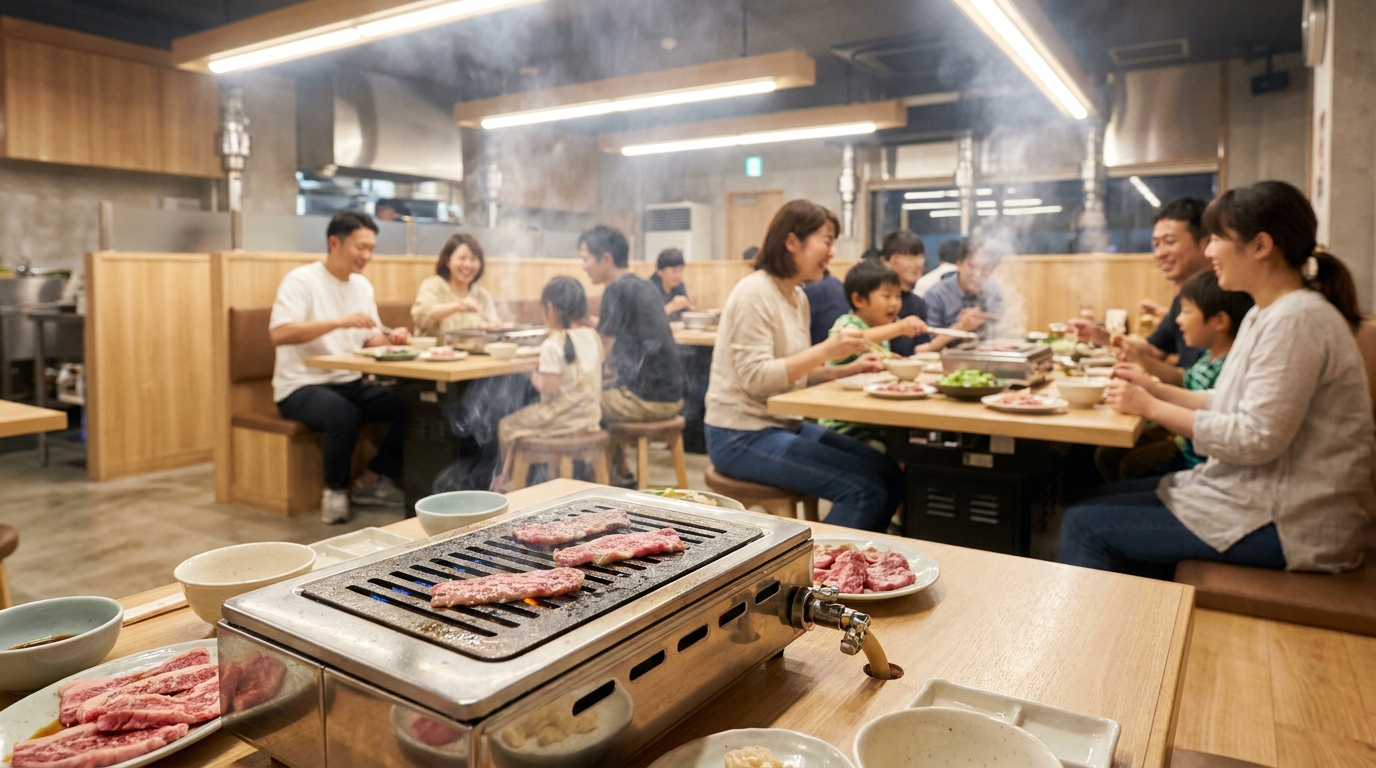
What Yakiniku Costs in Tokyo: Use Current Examples, Not One Universal Range
There is no single reliable “Tokyo yakiniku price.” A weekday lunch set and a premium Ginza course are different products. These official examples are more useful for trip planning:
| Format | Official example checked | Published price | What to notice |
|---|---|---|---|
| Quick solo option | Yakiniku Like grand menu | From ¥690 including tax | Products and prices can differ at some branches; several branches exclude the lunch menu |
| Entry all-you-can-eat | Gyu-Kaku entry course | ¥3,058 including tax | 90 minutes; last order at 70 minutes; some branches and formats excluded |
| Premium lunch | Jojoen Ebisu Garden Place lunch menu | ¥3,000–¥6,700 including tax | The stated 10% service charge excludes lunch menus |
| Premium dinner | Jojoen Ebisu Garden Place courses | ¥15,000–¥25,000 including tax | A 10% service charge is added |
Prices and participating branches can change. Open the restaurant’s current branch page and booking page on the day you reserve. For the examples above, see the official Yakiniku Like April 2026 menu update, Gyu-Kaku entry-course page, and Jojoen Ebisu Garden Place menu.
A useful budget rule
Set your food budget before opening restaurant lists:
- Under ¥2,000: search for lunch sets or solo yakiniku.
- ¥3,000–6,000: compare all-you-can-eat courses, group-friendly chains, and specialist lunches.
- ¥7,000 and above: compare fixed courses and confirm whether drinks and service are extra.
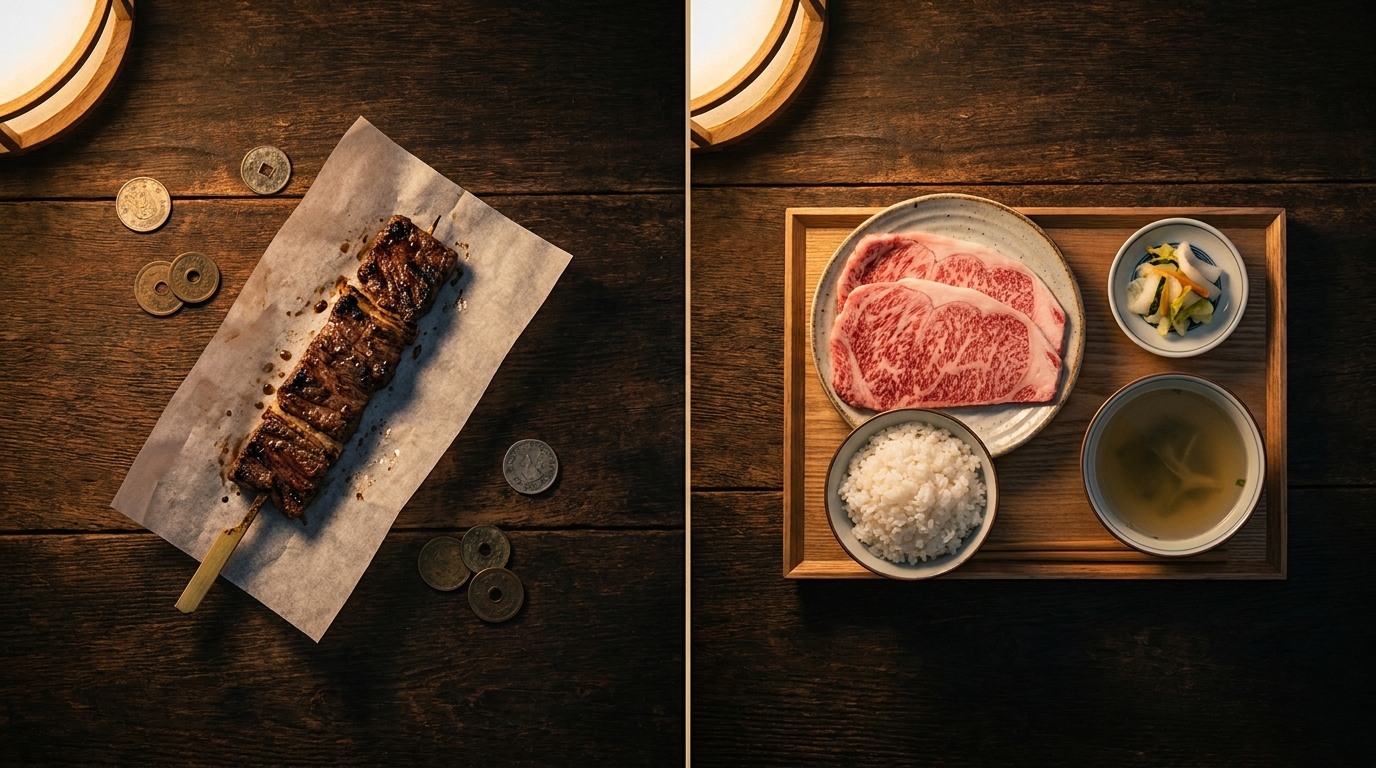
Market wagyu skewers can be fun, but compare the price of one skewer with a seated lunch before buying. The better choice depends on whether you want a quick souvenir bite or a full meal—not on which one looks more luxurious online.
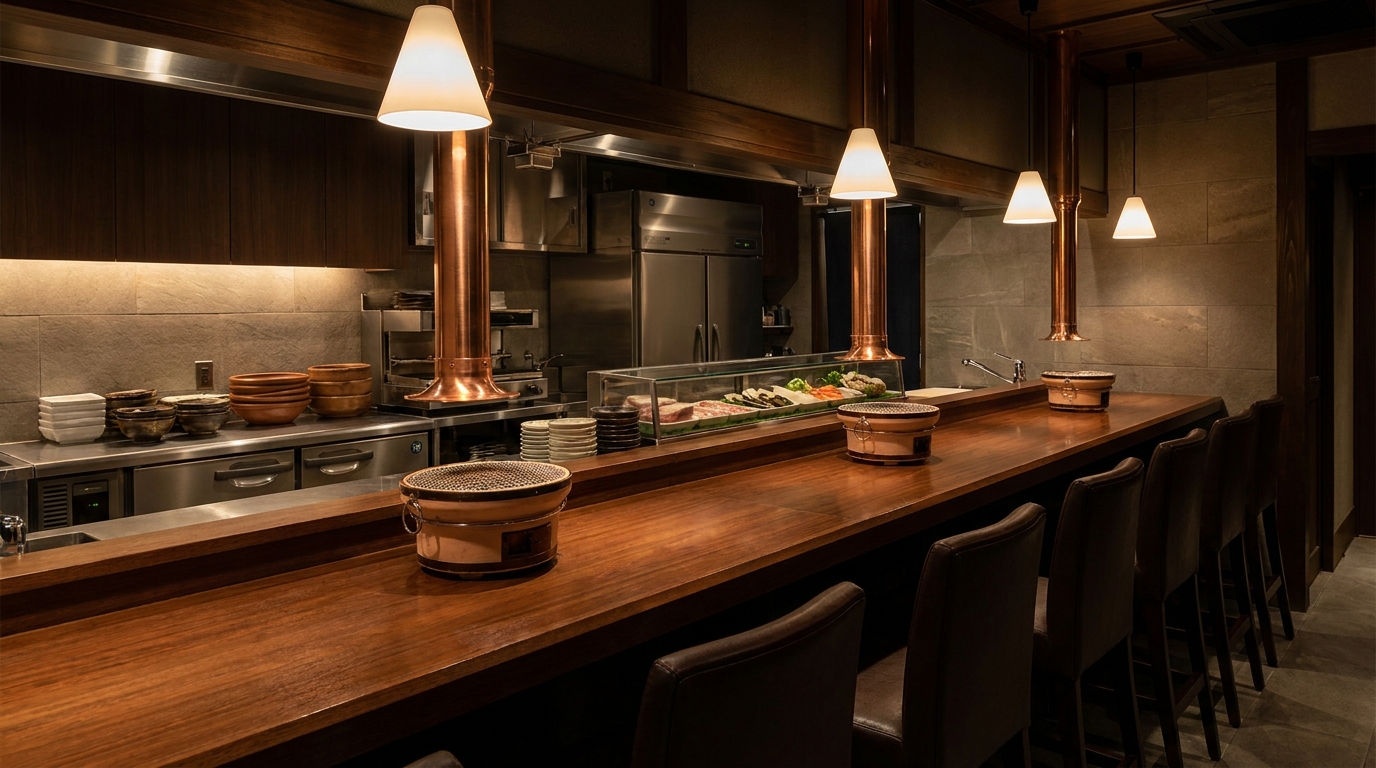
Booking: When to Reserve and What Your Plan B Should Be
Reserve when the meal would be difficult to replace: a Friday or Saturday dinner, a group meal, a birthday, a private room, or a premium wagyu course. For a solo weekday lunch, trying an off-peak walk-in can be reasonable, but a seat may still be unavailable.
Before you press the booking button, confirm:
- the correct branch and nearest station exit;
- the course price and whether everyone must order the same course;
- the seating or all-you-can-eat time limit;
- the last-order time;
- tax and service-charge treatment;
- accepted payment methods at that branch;
- cancellation and no-show terms;
- whether children count toward the reservation.
If your first choice is full
Use this fallback order:
- Check another branch of the same restaurant near your route.
- Search the same station from a different exit or the next station on your line.
- Move a premium dinner to lunch.
- Switch from an independent restaurant to a reservable chain or set-menu restaurant.
- Keep one non-yakiniku meal nearby as the final backup.
For Japanese booking screens, use the Tokyo restaurant reservation guide. If the restaurant is already full, follow the Tokyo restaurant Plan B guide instead of crossing the city without a confirmed table.
How to Order Without Overbuying
The safest first order is smaller than your appetite. Meat plates arrive quickly, rich cuts become filling, and rice, drinks, soup, and side dishes can change the bill.
A simple first-round order for two people
- One kimchi, namul, or salad to share.
- One mixed meat platter or two small meat plates.
- One rice per person, or one rice to share if you expect several courses.
- Taste the first round before adding a second.
If you order à la carte, a practical sequence is salted or lighter cuts first, followed by sauced and fattier cuts. This is a preference, not a rule. If the restaurant provides an order or cooks a signature cut for you, follow its sequence.
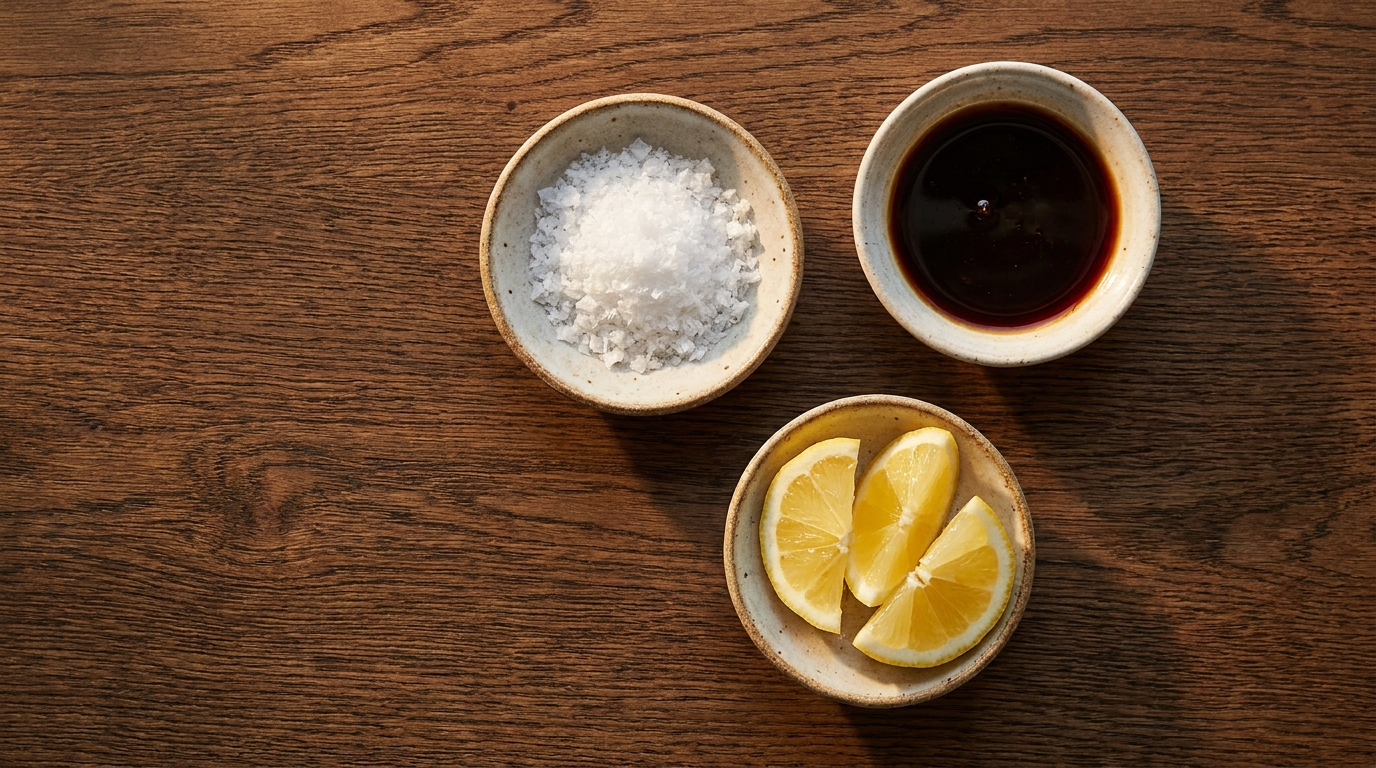
Tare, shio, and lemon
- Tare (タレ): a seasoned sauce, often soy-based and sometimes containing wheat, sesame, fruit, or other allergens.
- Shio (塩): salt seasoning; it does not automatically mean allergen-free.
- Lemon (レモン): can be offered with tongue or salted cuts, but there is no required pairing.
When an allergy matters, ask about the marinade and dipping sauce separately. “No sauce” does not eliminate shared-grill or kitchen cross-contact.
The Five Menu Words That Solve Most First Orders
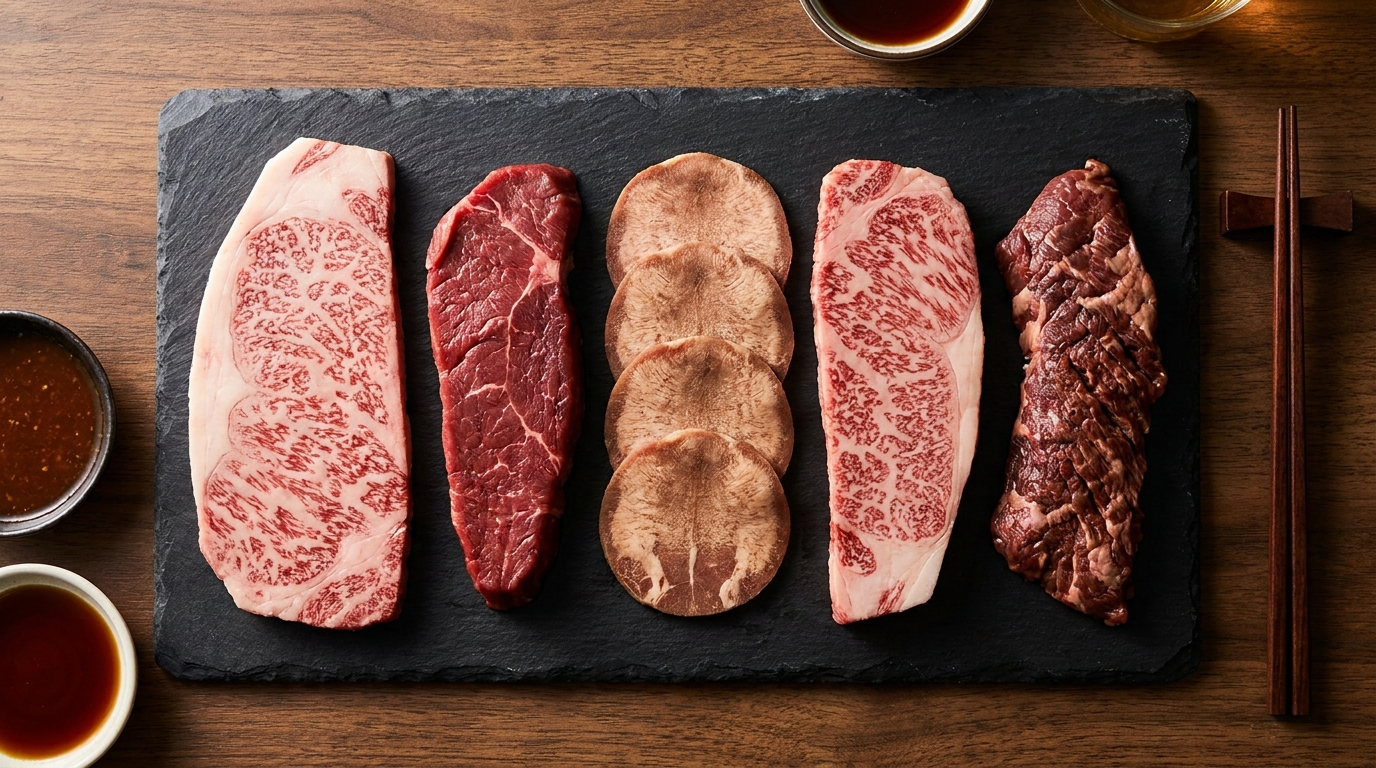
Japanese cut names are not perfectly standardized across restaurants, but these five terms will get you through most menus:
| Menu word | Plain-English guide | What to expect |
|---|---|---|
| Tan (タン) | Tongue | Often thin-sliced and ordered with salt |
| Karubi (カルビ) | Fatty rib or belly-style cut | Rich; commonly paired with tare |
| Harami (ハラミ) | Diaphragm cut | Meaty flavor with less visible marbling than karubi |
| Akami (赤身) | Lean red meat | A useful counterpoint to heavily marbled cuts |
| Horumon (ホルモン) | Offal | Texture and cooking time vary widely by organ |
If you cannot choose, ask for moriawase (盛り合わせ), an assortment. It lets the restaurant choose several cuts and reduces the risk of ordering too much of one rich item.
How to Grill Yakiniku Safely
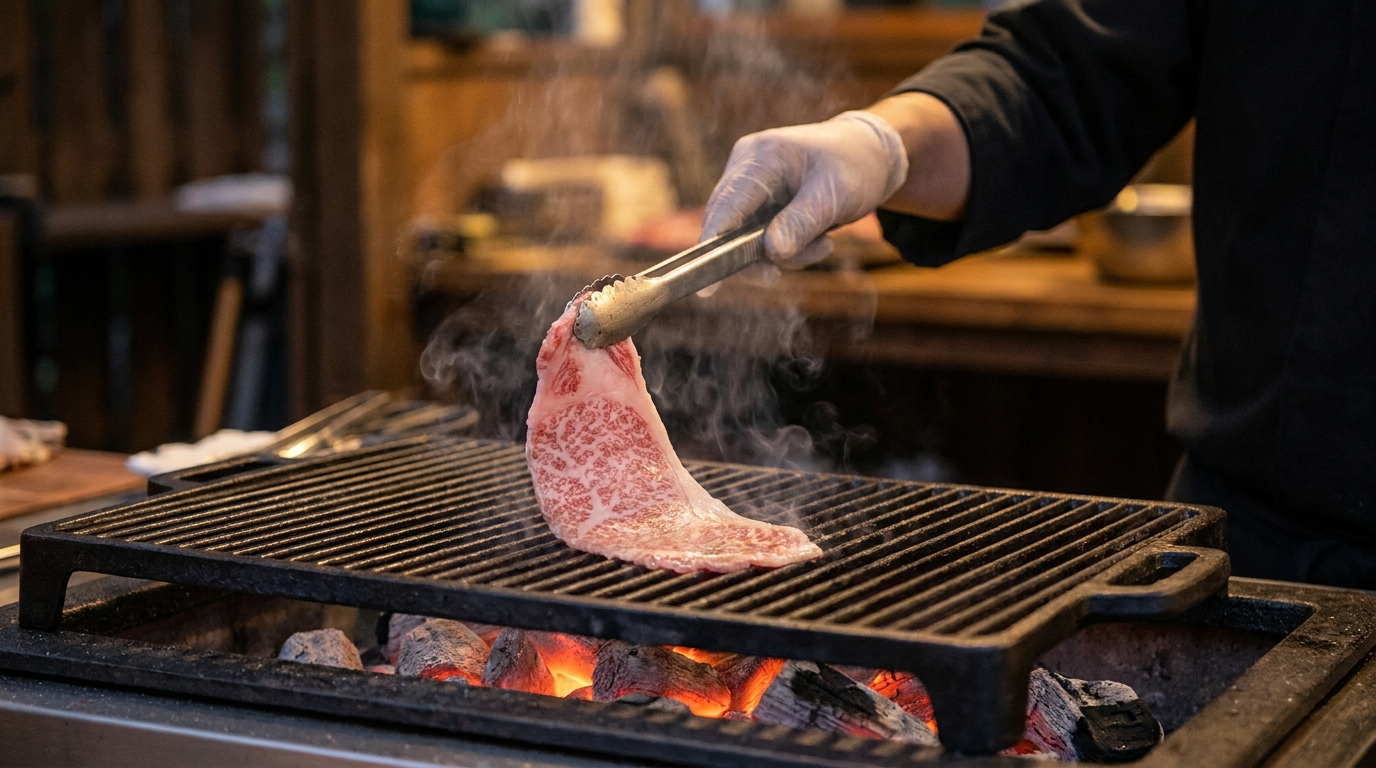
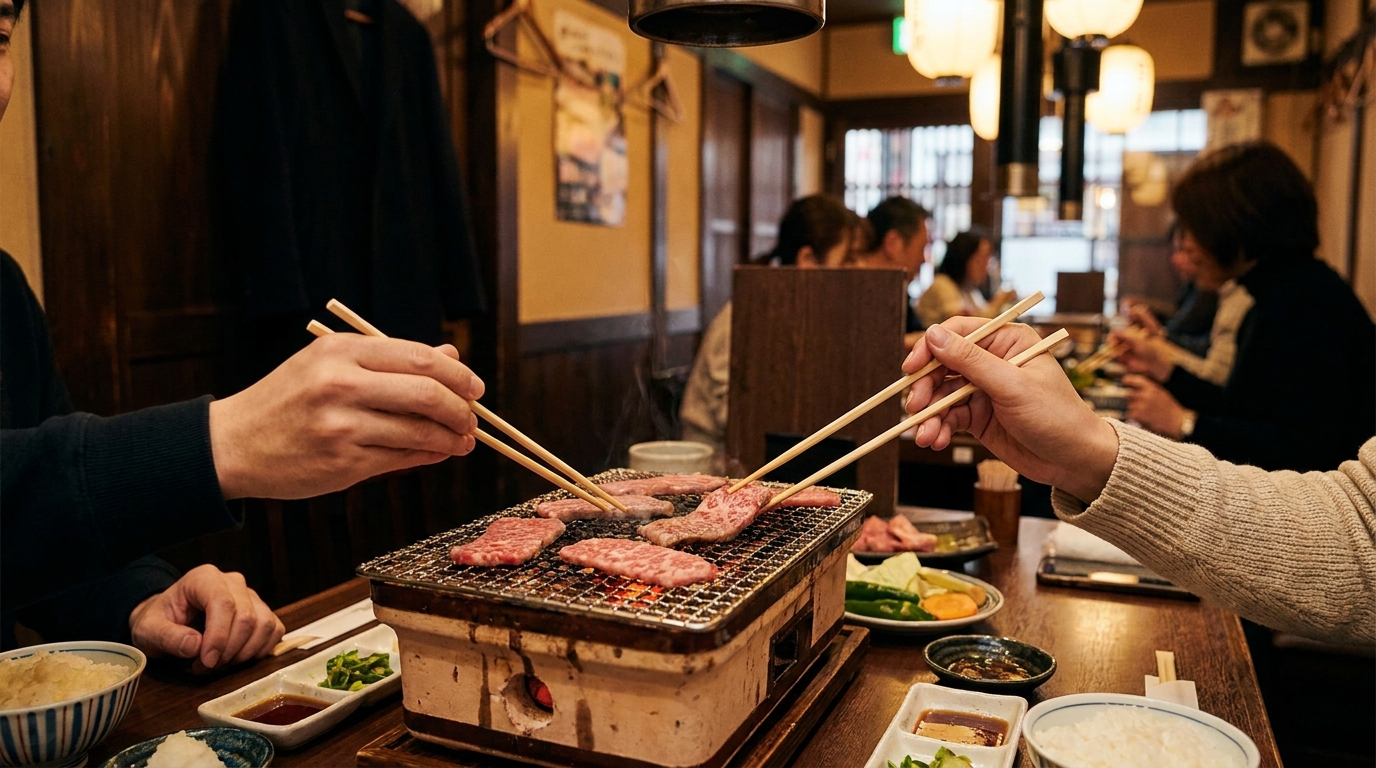
Ignore universal “seconds per side” advice. Thickness, cut, grill heat, starting temperature, and restaurant preparation can change cooking time.
Use this safer routine:
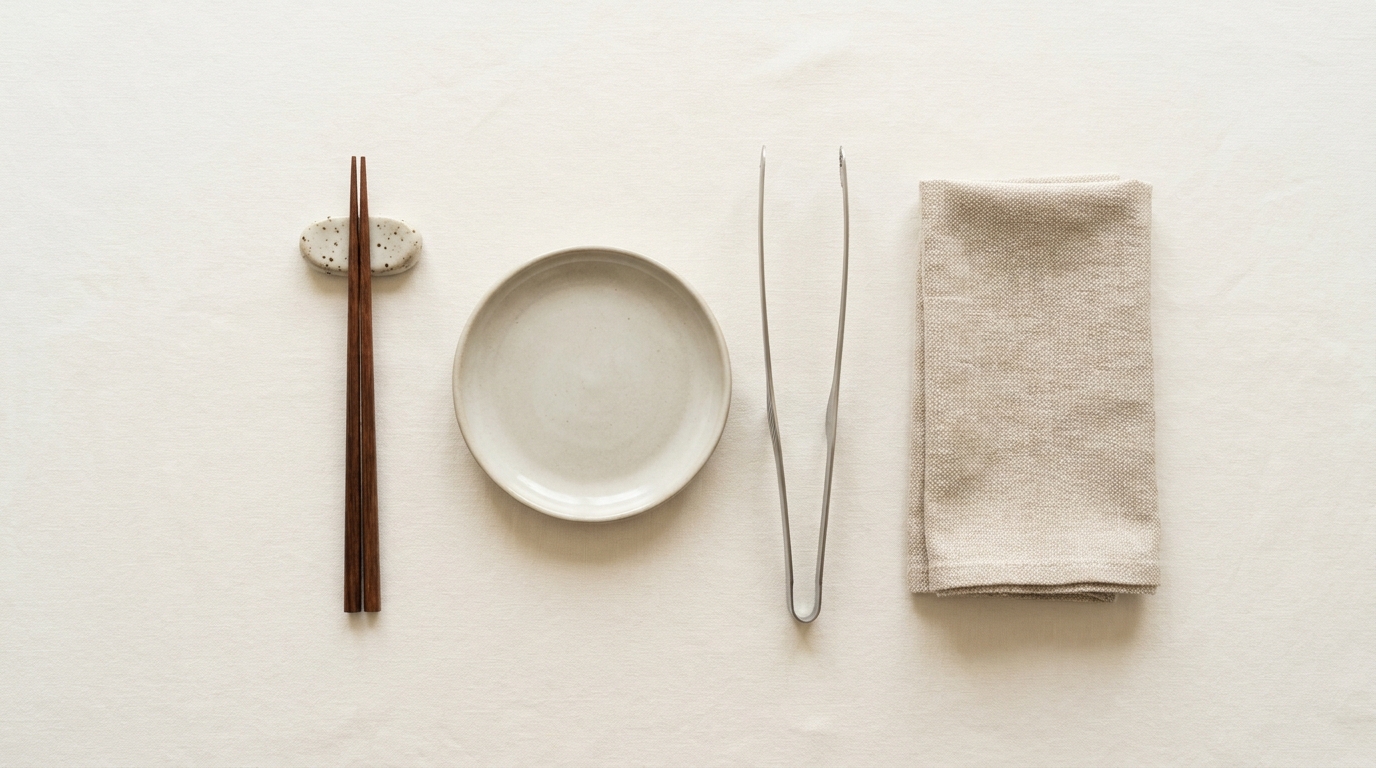
- Use the provided tongs for raw meat.
- Place a few pieces on the grill so you can track them.
- Turn the meat with the raw-meat tongs.
- Cook it thoroughly, including the center.
- Once it is fully cooked, pick it up with eating chopsticks or a clean cooked-food utensil—not the tongs that touched raw meat.
- Do not place cooked meat back on the raw-meat plate.
- Ask staff to replace the grill mesh if sauce or fat is burning heavily.
Japan’s Ministry of Health, Labour and Welfare instructs restaurants to provide separate utensils for grilling raw meat and advises consumers to cook meat thoroughly. See the ministry’s restaurant safety standard and consumer food-safety guidance.
Some restaurants cook particular pieces for guests or give cut-specific instructions. Let the staff handle those pieces. A high beef grade does not remove the risk associated with raw or undercooked meat.
What A5 Means—and What It Does Not Mean
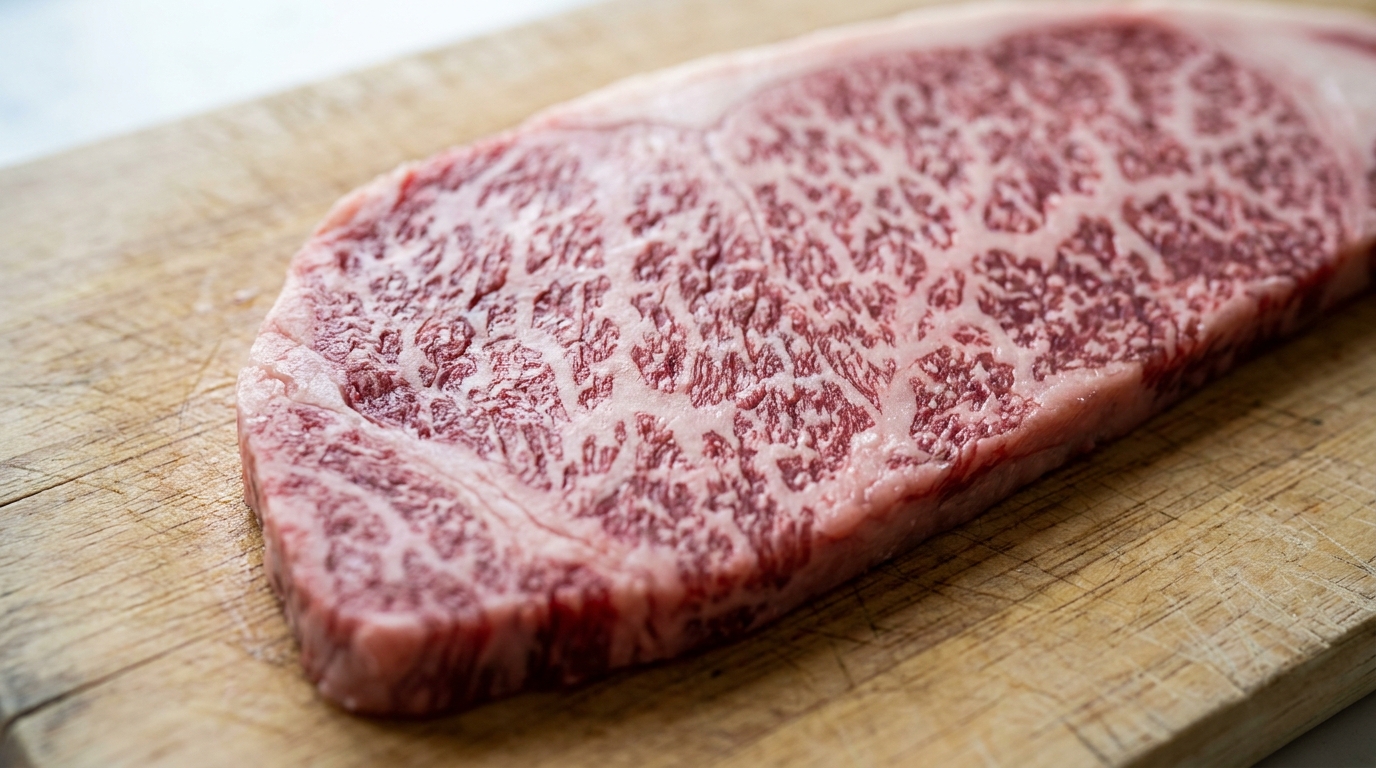
“A5” is a carcass grade, not a measure of personal preference.
The Japan Meat Grading Association combines:
- a yield grade of A, B, or C; and
- a meat quality grade of 1 to 5 based on marbling, meat color and brightness, firmness and texture, and fat color and quality.
Under the official standard, grade A means a yield score of 72 or higher. Quality grade 5 requires a Beef Marbling Standard score of 8 or higher, with the final quality grade limited by the lowest of the four quality factors. “A5” therefore means yield grade A plus quality grade 5. It does not tell you which cut you will enjoy, how well it will be cooked, or whether the meal is good value. See the official JMGA beef carcass standard.
If heavily marbled beef feels too rich, order a small portion alongside akami or harami. Choosing A4, a leaner cut, or a mixed platter is not a downgrade if it fits your taste better.
Payment, Service Charges, and Time Limits
The menu headline may not be the final amount. Before booking, look for these Japanese terms:
| Japanese | Meaning | Why it matters |
|---|---|---|
| 税込 (zeikomi) | Tax included | Confirms whether displayed tax is already in the price |
| サービス料 | Service charge | May be added at premium restaurants |
| 席料 (sekiryō) | Seat charge | Can be separate from food and drinks |
| 制限時間 | Time limit | Common for all-you-can-eat courses |
| ラストオーダー | Last order | Often earlier than the seating end time |
| キャンセル料 | Cancellation fee | Can apply before the meal date or for no-shows |
Also check whether drinks are separate. “All-you-can-eat” does not automatically include all-you-can-drink. Card and mobile-payment acceptance can differ by branch, so treat the current branch page—not an old review—as the source of truth.
Solo Diners, Families, and Dietary Restrictions
Solo travelers
Look for counter seating, individual grills, lunch sets, or tablet ordering. Search terms such as 一人焼肉 (hitori yakiniku, solo yakiniku) can help. Going before the dinner rush avoids the busiest scheduled period, but a seat may still be unavailable.
Families and groups
Chains and fixed courses simplify ordering, but confirm the child-price rule, time limit, stroller access, and whether each adult must order the same course. Keep children away from the hot grill and raw-meat utensils.
Halal, vegetarian, and allergy needs
Wagyu does not mean halal. Sauces may contain alcohol-derived seasonings, pork products can share a kitchen or grill, and certification varies by restaurant. A vegetarian diner may find vegetables and side dishes, but broth, sauce ingredients, and shared grills remain concerns.
For allergies, common risk points include soy, wheat, sesame, egg, shellfish in side dishes, marinades, and shared equipment. Show the restaurant a written list of ingredients you must avoid and keep a backup restaurant. Start with the Japan food allergy guide before relying on a menu icon alone.
Two RJG Field Reports to Compare Before You Book
Use restaurant reviews as evidence of a specific visit, not as proof that one place is universally “best.” These two RJG field reports show different decision contexts:
- Yakiniku En in Kichijoji: useful if you are considering a meal outside the most obvious central tourist districts.
- GYU CHIBA near Chiba Station: useful for travelers staying near Chiba or prioritizing a private-room format.
Check the current official menu, access information, and booking conditions after reading any field report. A review can explain the experience; the restaurant’s current page is the strongest source for today’s price and rules.
FAQ
How much should I budget for yakiniku in Tokyo?
Plan about ¥1,000–2,000 for a quick set meal, ¥3,000–6,000 for many group or all-you-can-eat choices, and ¥7,000 or more for premium courses. These are planning bands, so check the current branch menu.
Do I need a reservation for yakiniku in Tokyo?
Reserve for weekend dinners, groups, private rooms, and premium courses. A solo weekday lunch may be possible as a walk-in, but queues and branch rules vary.
What is the best Tokyo area for yakiniku?
There is no single best area. Choose a restaurant near your evening route or hotel, then compare its format, price, booking rules, and backup options.
Can I eat yakiniku alone?
Yes. Search for solo yakiniku, counter seating, individual grills, or lunch sets. An off-peak visit can reduce the risk of arriving during the busiest dinner period.
What should a first-time visitor order?
Start with one assortment or two small meat plates, a vegetable side, and rice. Add a second round after you know the portion size and richness.
Should I choose A5 wagyu?
No. A5 is the highest combination of yield and meat quality grades, but cut, cooking, richness, price, and personal taste still determine whether it is the right choice for you.
Can I cook wagyu rare at yakiniku?
Do not rely on a universal rare-cooking rule. Use separate raw-meat tongs, cook meat thoroughly, and follow staff instructions for any piece the restaurant handles specially.
Is yakiniku suitable for halal, vegetarian, or allergy-sensitive diners?
It requires advance checking. Wagyu is not automatically halal, sauces and broths may contain restricted ingredients, and shared grills create cross-contact risk. Confirm directly and keep a backup meal.
Last Checked and Editorial Method
Last checked: July 23, 2026.
Price examples come from current official restaurant materials rather than review-site averages. Grading information comes from the Japan Meat Grading Association, and grill-safety guidance comes from Japan’s Ministry of Health, Labour and Welfare. Restaurant prices, participating branches, payment methods, and booking rules can change; verify the exact branch before traveling.
Comments