- Quick Answer
- Choose Your Food Plan Before You Join a Line
- What to Order First
- A Realistic Quantity and Budget Method
- How to Find the Right Shop
- Entry, Ordering, and Payment
- Food Allergies, Vegetarian, Vegan, and Halal Needs
- Stop to Eat: The Local Safety Rule
- Access Without a Fragile Timetable Claim
- What Else Is Worth Seeing
- Plan B When the First Choice Fails
- Your One Next Action
- FAQ
Quick Answer
For a low-stress first visit, choose one street snack and one sit-down meal before you arrive. Use the official Yokohama Chinatown shop directory to filter by food, lunch budget, solo use, credit card, or PayPay. Buy one snack first rather than several at once, because portions and fillings vary. For a restaurant, check the current menu, time limit, payment method, and reservation rules on that exact shop’s page.
Do not treat Yokohama Chinatown as a place to eat while walking. The local association’s food-safety notice asks visitors to stop in a safe place, especially with food on skewers, and not to block another shop’s frontage. Yamashitacho Park inside Chinatown is one official option for sitting down. If lines, unclear ingredients, or payment rules make your plan fail, switch to a shop with clearer information or use the Plan B below.
Last checked: August 11, 2026 (JST).
Choose Your Food Plan Before You Join a Line
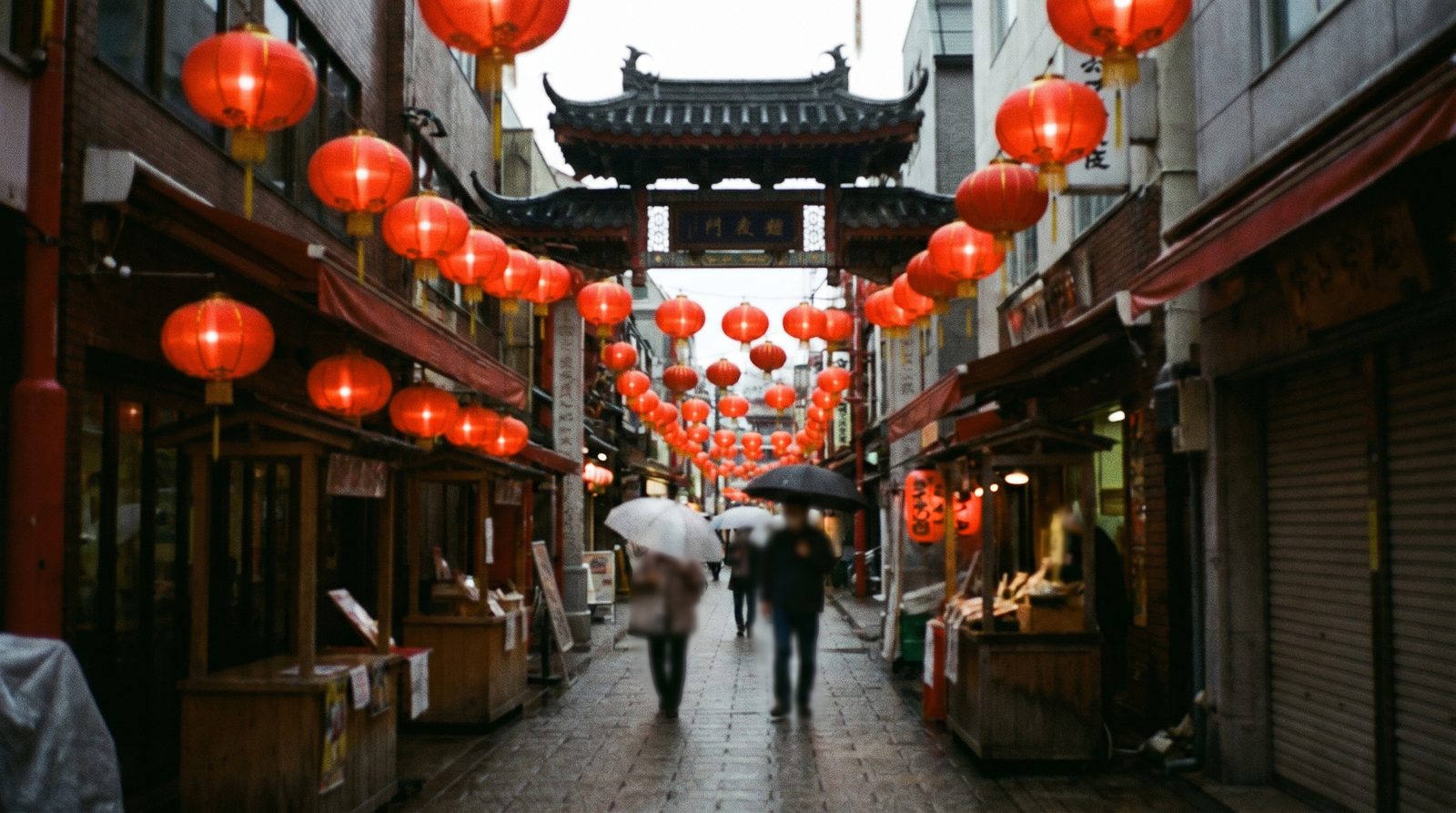
Yokohama’s official visitors guide describes this as Japan’s largest Chinatown. The current association directory advertises more than 400 listed businesses and, at the time of checking, showed 170 entries in its Chinese-restaurant category. Those are directory figures, not a promise that every business is open when you arrive.
| Your priority | Choose this | What to check first | Main failure risk |
|---|---|---|---|
| Try several flavors quickly | One snack, then decide whether to buy a second | Size, filling, price, waste return point | Buying too much before seeing the portion |
| Sit down without a large commitment | Lunch set, noodles, rice, or a small dim sum order | Current menu, queue, payment, last order | Joining a long line without reading the menu |
| Share dishes with two or more people | À la carte restaurant | Dish size, minimum order, service or seating charge | Ordering a full table in the first round |
| Try many dishes | Order-style buffet or course | Minimum party size, time limit, last order, holiday price, drinks | Choosing it when you only have a short visit |
| Manage a serious allergy or strict diet | A restaurant selected and contacted before travel | Exact ingredients and cross-contact for the exact dish | Assuming a stall or English label proves suitability |
Simple rule: if you cannot explain what you are buying, how much it costs, and where you will eat it, do not join the line yet.
What to Order First
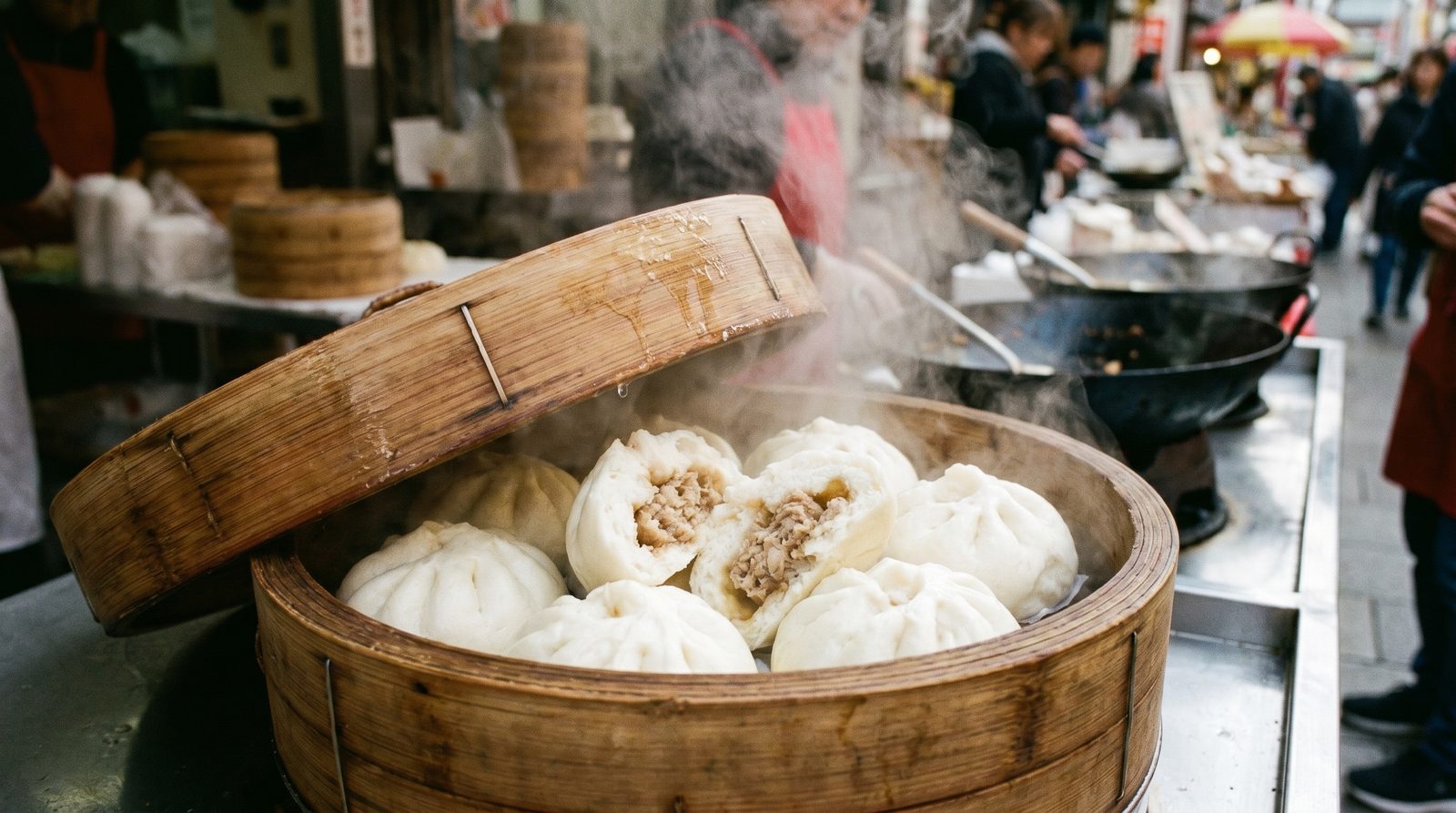
Start with a steamed bun if you want the easiest one-item test. A standard meat bun can be filling, while smaller versions are closer to a snack. One current official association listing, Edosei Honten, shows a premium bun at ¥1,200 and a 12-piece shrimp-dumpling pack at ¥1,500. These are named-shop examples, not district-wide prices. Check the current shop page and display before paying.
Choose xiaolongbao or shumai if you want to share. Confirm the number of pieces before ordering. “One order” does not tell you whether you will receive one large item, four pieces, or a larger set.
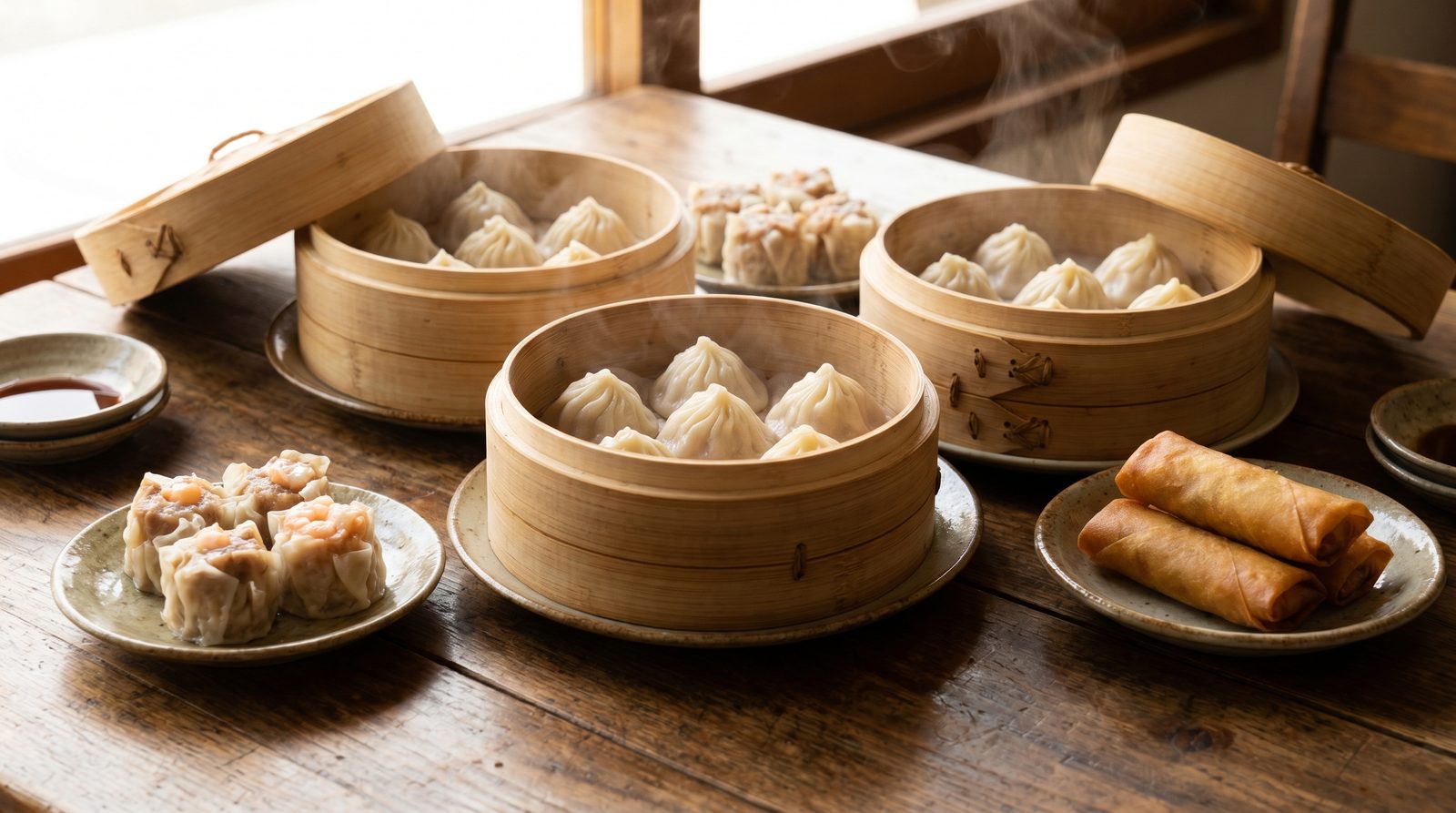
Choose a sit-down lunch if you want the clearest total cost. The official directory lets you filter by lunch budget, including categories up to ¥1,000 and up to ¥2,000. A shop page may also show current courses or dish prices. Treat every price as shop-specific and recheck it on the day.
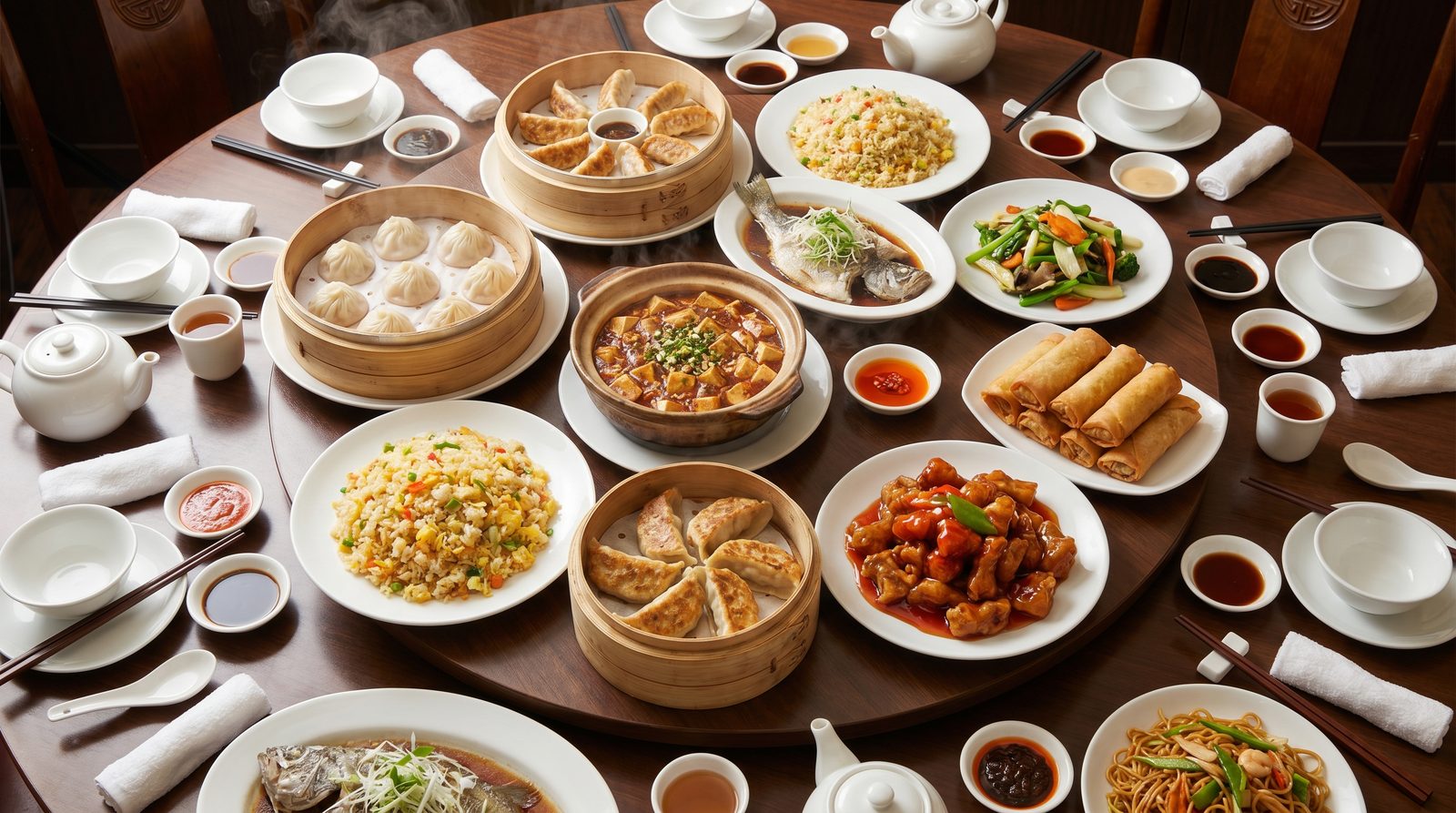
Choose a buffet only when time and appetite justify it. Current official restaurant examples sit in roughly the upper-¥2,000 to upper-¥3,000 range, with weekday, weekend, holiday, menu-count, and minimum-party differences. That is not one Chinatown tariff. Read the exact restaurant’s current conditions before using a buffet price in your plan.
A Realistic Quantity and Budget Method
There is no reliable single “average Chinatown meal.” Use this order sequence instead:
- Set a personal cap. Decide whether this is a snack stop, a normal meal, or a long buffet meal.
- Buy one item first. Check the actual size before adding another snack.
- For two people, order one restaurant round first. Add dishes only after seeing the portion size.
- Keep transport, drinks, and temple offerings outside the food total. They are separate decisions.
A practical snack-only allowance starts with the posted price of one item, not an invented area average. For a restaurant, use the current menu total plus a small buffer for drinks or an extra dish. If a menu has no clear price or condition, choose another shop.
How to Find the Right Shop
The official directory is more useful than an unsupported “best restaurant” list. It currently includes filters for food type, lunch budget, takeout, solo dining, credit card, PayPay, and late opening. Use it in this order:
- Choose the food: bun, takeaway xiaolongbao, dim sum, noodles, buffet, or another category.
- Choose the constraint that can break the meal: budget, solo use, payment, or opening time.
- Open the individual shop page and check its latest update date.
- Follow the shop’s official website or contact it if reservation, allergy, or holiday-hour details matter.
The directory is a starting point, not a guarantee. Hours, prices, payment, holidays, and last-order times can change.
Entry, Ordering, and Payment
Before you wait, photograph or read the menu board and answer five questions:
- Is this takeaway, table service, a course, or a buffet?
- What is included in one order, and how many pieces are there?
- Is there a minimum order, minimum party size, or time limit?
- What is the last-order time?
- Can you use your preferred payment method?
Payment is shop-specific. Do not assume a large restaurant takes cards or a stall is cash-only. The official directory has credit-card and PayPay filters, but recheck the individual shop. Carrying some yen gives you a backup without turning cash into a blanket rule.
Useful questions:
| Japanese | Meaning |
|---|---|
| Kore wa nan-ko iri desu ka? | How many pieces are in this? |
| Kādo wa tsukaemasu ka? | Can I use a card? |
| Saishū chūmon wa nan-ji desu ka? | What time is last order? |
| Tabe-hōdai wa nan-pun desu ka? | How many minutes is the buffet? |
Food Allergies, Vegetarian, Vegan, and Halal Needs
Suitability is unknown until the exact shop confirms the exact dish. Japan’s mandatory allergen labeling rules are for packaged processed foods; restaurant and prepared-food allergen information is not guaranteed in the same way. Shared kitchens and cross-contact also matter.
- Pork, shellfish, egg, wheat, sesame, peanuts, soy, fish sauce, oyster sauce, and cooking alcohol may appear in fillings, sauces, wrappers, or stocks.
- A vegetable-looking bun or dumpling is not proof that the stock, sauce, or cooking surface fits a vegetarian, vegan, halal, or allergy requirement.
- The official Chinatown directory does not provide one general halal, vegan, or allergen-safety filter.
If the consequence of a mistake is serious, contact a restaurant before travel and keep a separate backup meal. Use our Japan food allergy guide for the questions and emergency Plan B. Unknown stays unknown: if staff cannot confirm the dish and cross-contact, do not order it.
Stop to Eat: The Local Safety Rule
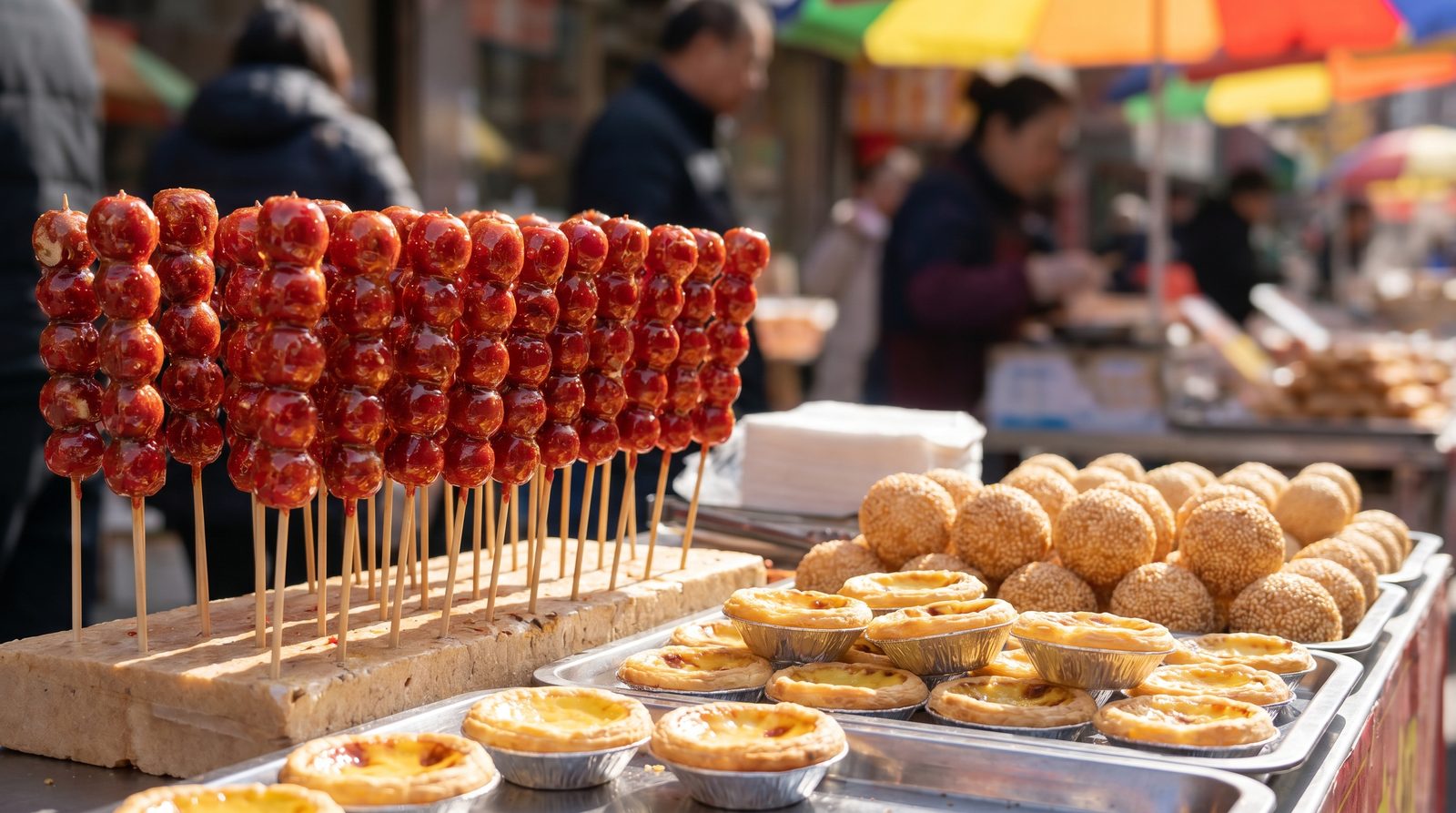
The Yokohama Chinatown Development Association asks visitors not to eat skewer foods while walking. Crowded, narrow streets make a fall or collision more dangerous. Stop in a safe place, and do not occupy the frontage of a shop that did not sell you the food. Yamashitacho Park inside Chinatown is named by the association as one place where you can sit and eat.
Return packaging, chopsticks, and skewers to the seller when that is the shop’s system. Do not assume a street bin will be available. This is both safer and more respectful than eating through the crowd.
Access Without a Fragile Timetable Claim
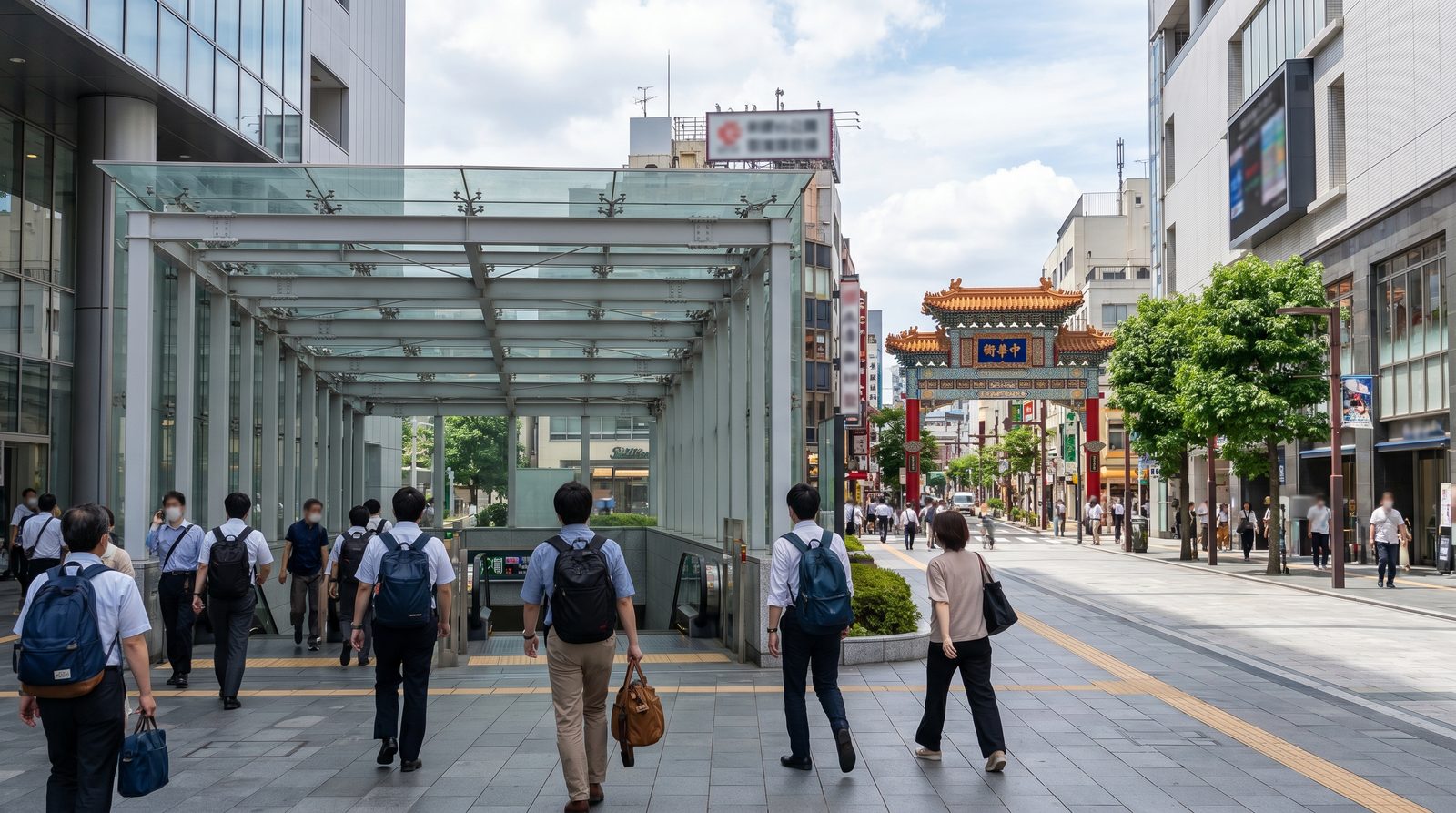
Motomachi-Chukagai Station on the Minatomirai Line is the simplest rail target. Official access information places Chinatown about a one-minute walk from the station. Through service connects the Minatomirai Line with the Tokyu Toyoko Line and other Tokyo lines, but the exact travel time depends on the train and your starting point. Check a live route planner on the day.
Ishikawacho Station on the JR line is the main alternative. The official Chinatown access page describes roughly a five-minute walk. Choose the route that reduces transfers from your actual starting point rather than relying on one fixed “40 minutes from Tokyo” promise.
You can normally use an IC card on these rail routes. If you need help choosing or topping up one, see the Suica, PASMO, and ICOCA guide.
What Else Is Worth Seeing
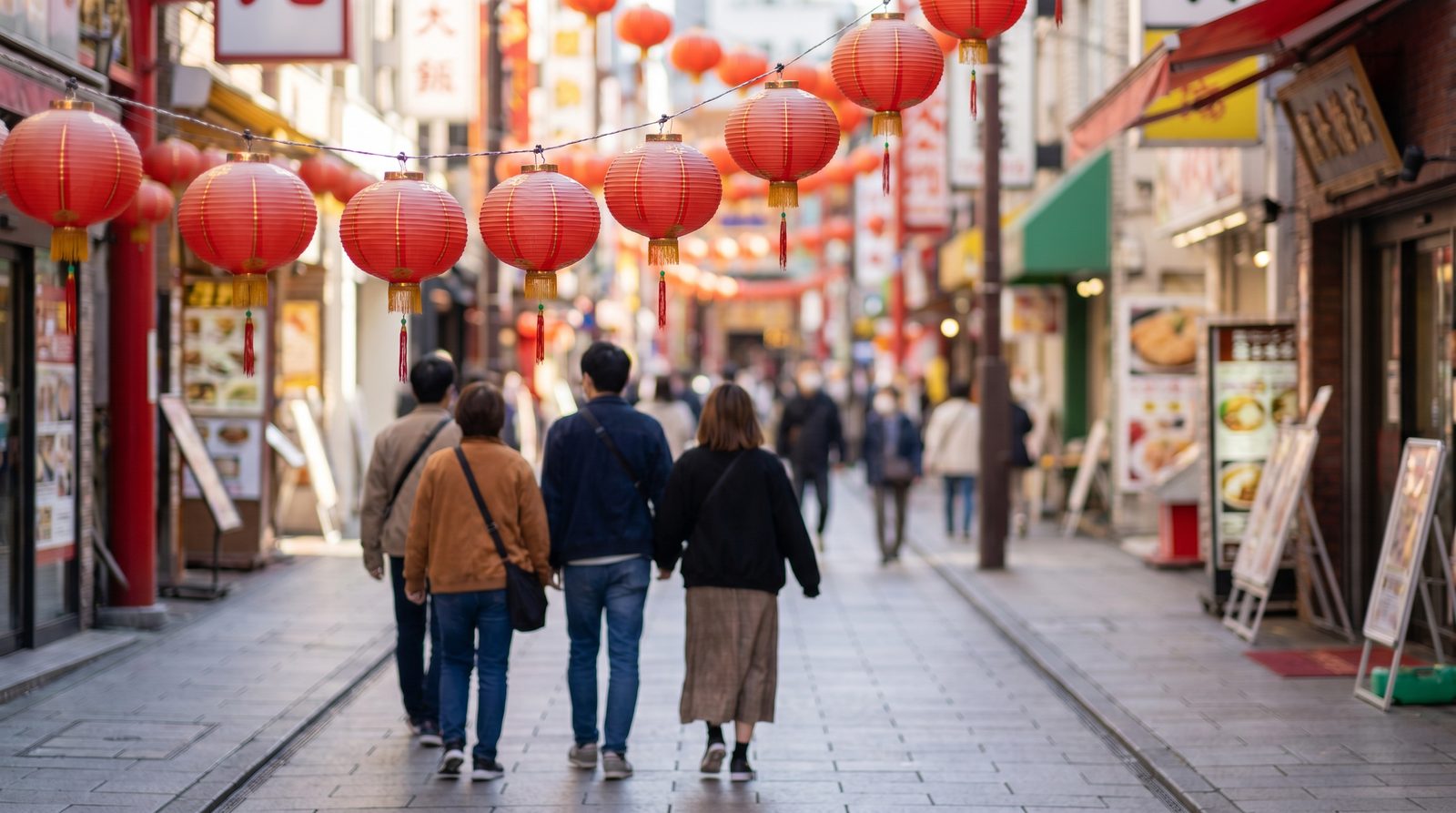
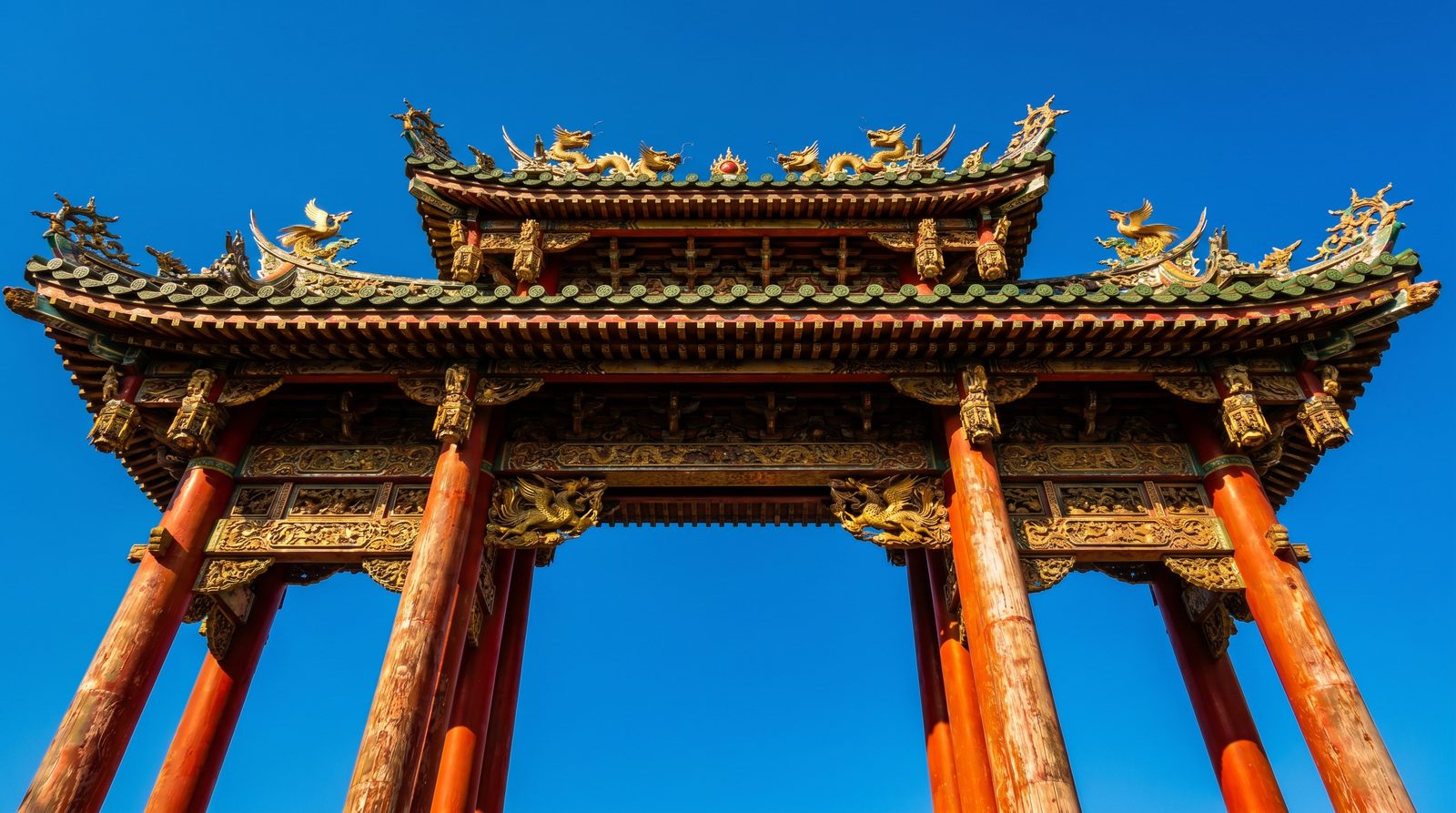
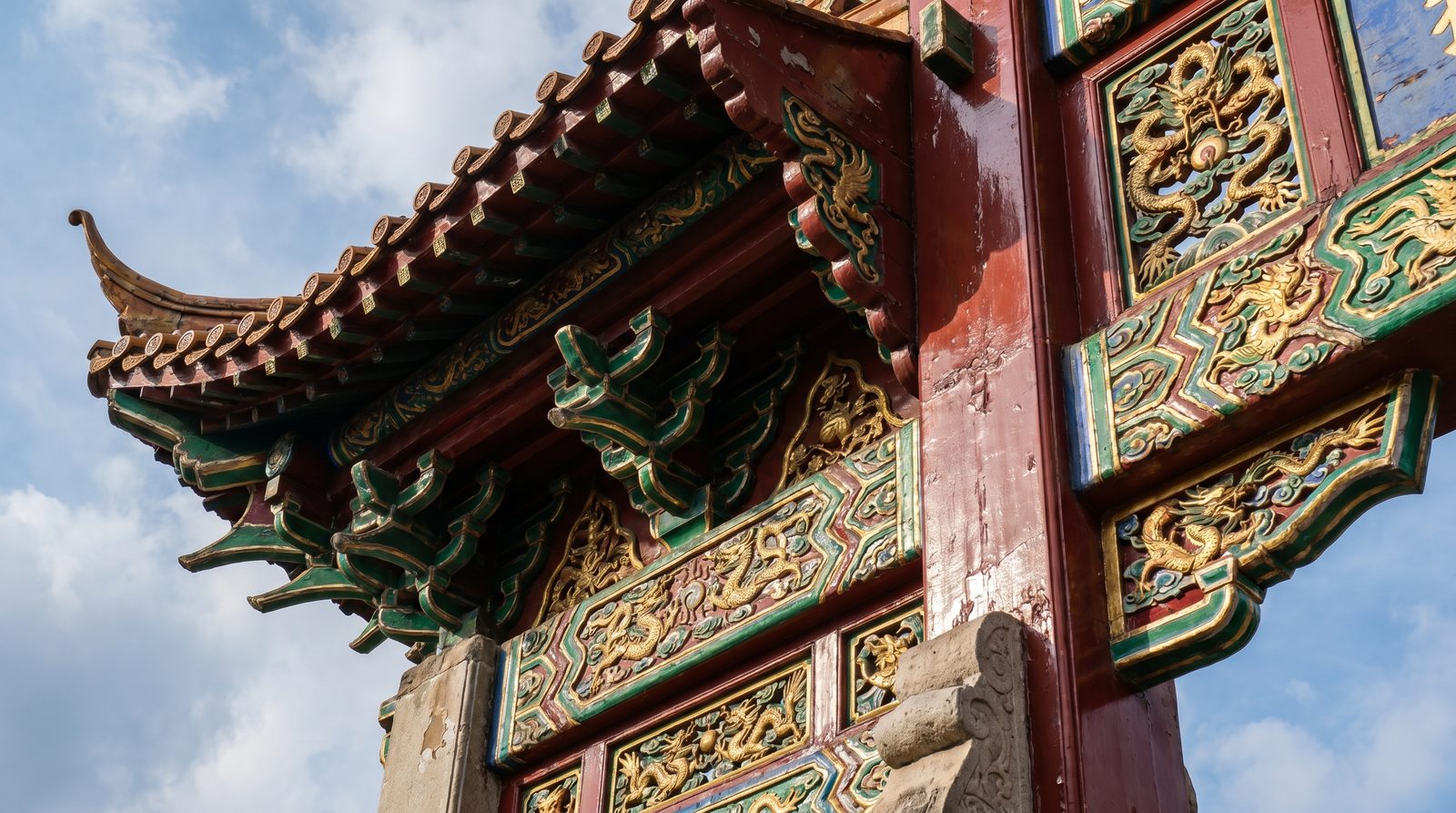
Yokohama Chinatown developed after the port opened in 1859. The association’s official history replaces the old encyclopedia citation. Its gate guide explains the ten named gates around and within the district.
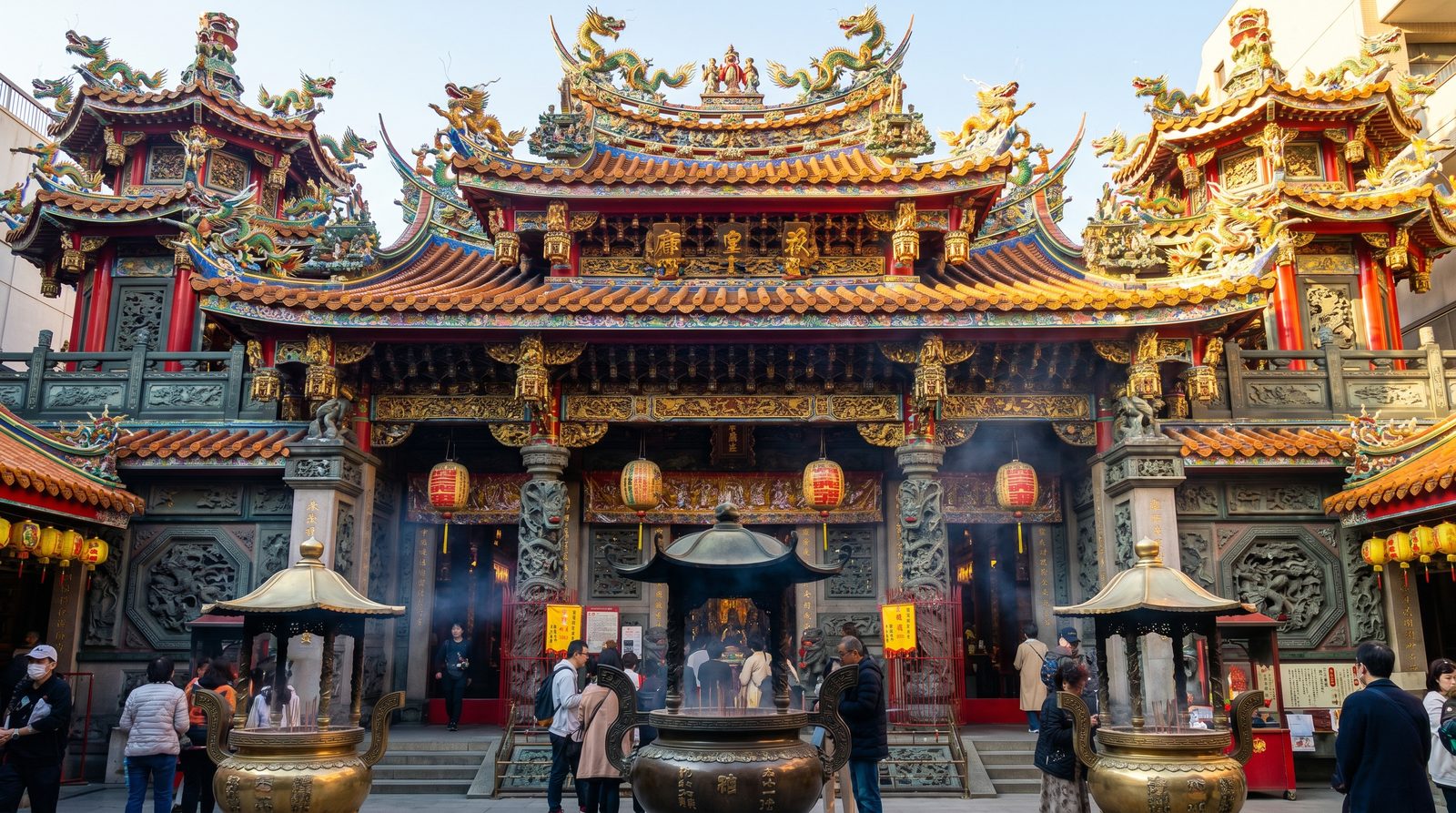
Kanteibyo is associated with Guan Yu and traditions of loyalty, courage, prosperity, and wealth. Masobyo is dedicated to Mazu, widely associated with maritime safety and protection. Check each temple’s official site for current hours, event closures, and worship procedures. Do not assume formal worship is free: Kanteibyo’s official instructions currently specify a ¥500 incense offering.
Plan B When the First Choice Fails
- Long line: leave it. Open the official directory and filter for the same food or a nearby solo-friendly restaurant.
- Unclear price or quantity: do not order. Choose a shop with a visible menu and piece count.
- Payment mismatch: use the directory’s card or PayPay filter, or pay with backup cash where accepted.
- Dietary answer is uncertain: stop. Use the restaurant you contacted in advance or switch to your separate safe-meal plan.
- The whole area feels too crowded: step out toward Motomachi or the waterfront and return later only if conditions suit you.
If you need a broader fallback beyond Chinatown, use the restaurant Plan B guide. The exact locations are Tokyo-focused, but its decision method—clear price, clear ordering, clear payment, and a backup meal—still applies.
Your One Next Action
Open the official shop directory now and save one sit-down restaurant that matches your food, budget, and payment needs. Treat street snacks as optional additions, not the whole plan.
FAQ
What is the easiest way to reach Yokohama Chinatown?
The simplest rail target is Motomachi-Chukagai Station on the Minatomirai Line, about a one-minute walk according to official tourism information. Ishikawacho Station is the main JR alternative, roughly five minutes on foot. Use a live route planner for the exact train and travel time.
What should a first-time visitor eat?
Choose one snack and one sit-down meal. A steamed bun is an easy first item, while dim sum, noodles, rice, or a lunch set gives you a clearer meal. Buy one item first because size and filling vary.
How much should I budget?
There is no reliable area-wide average. One current official listing shows a premium bun at ¥1,200 and 12 shrimp dumplings at ¥1,500, while the directory provides lunch-budget filters. Treat these as named-shop examples and check the exact menu on the day.
Should I choose an all-you-can-eat restaurant?
Choose one only if you have enough time and appetite. Check the minimum party size, time limit, last order, drinks, and weekday or holiday price. A buffet is a poor fit for a short snack visit.
Can I use a credit card or PayPay?
Payment is shop-specific. The official directory has credit-card and PayPay filters, but you should still recheck the individual shop. Carrying some yen gives you a backup.
Is Yokohama Chinatown safe for halal, vegan, vegetarian, or allergy needs?
No district-wide guarantee is available. Confirm the exact ingredients and cross-contact with the exact restaurant. If staff cannot confirm what you need, do not order and use a separate safe-meal Plan B.
Can I eat street food while walking?
The local association asks visitors to stop in a safe place, especially with food on skewers, and not to block another shop’s frontage. Yamashitacho Park inside Chinatown is one official sit-down option.
What should I do if my first restaurant has a long line?
Leave the line and use the official directory to find the same food or a nearby shop with clearer conditions. Do not let one famous queue consume the whole visit.

Comments