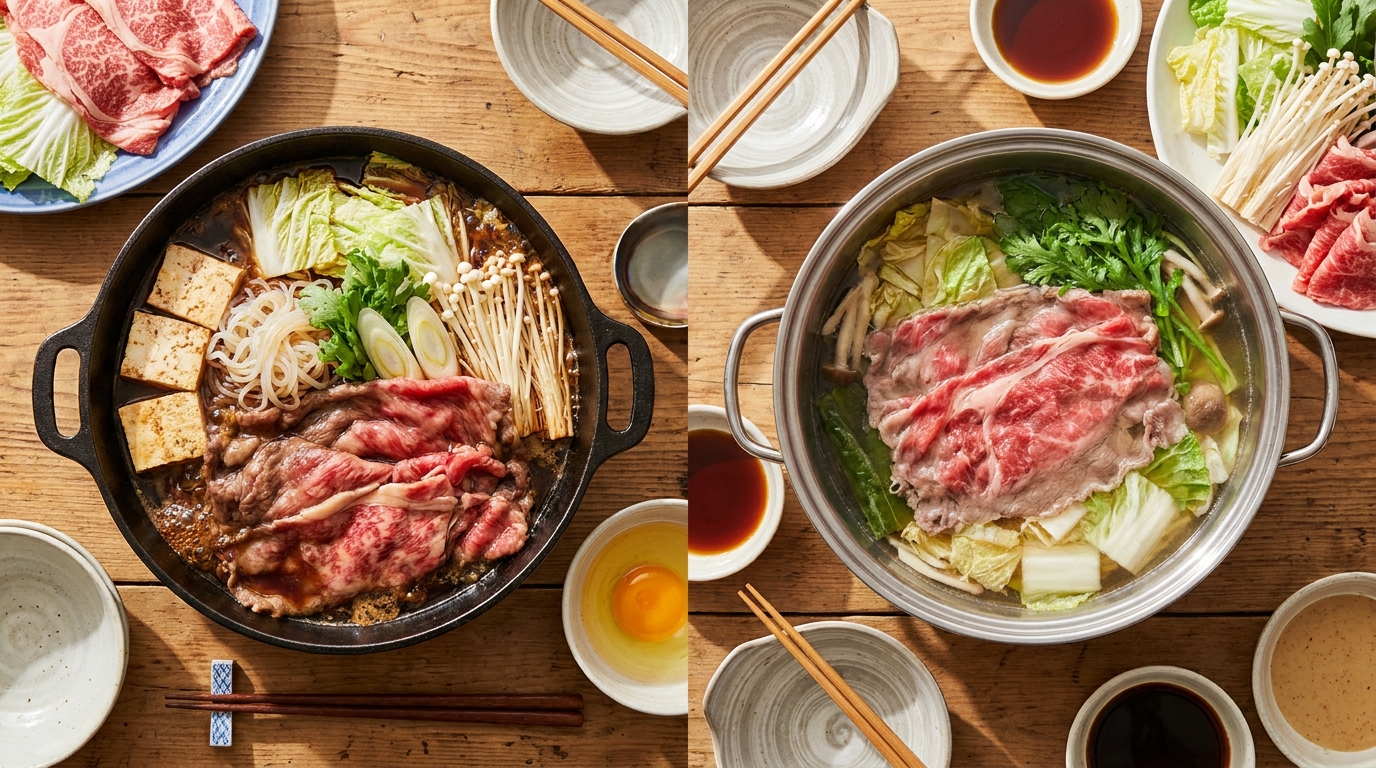
Quick Answer: Choose sukiyaki if you want rich, sweet soy flavor and do not mind an optional raw-egg dip. Choose shabu-shabu if you want a lighter broth, cleaner beef flavor, and ponzu or sesame dipping sauce. For a mixed group, choose a restaurant with a split pot or separate course choices. Compare the current menu before booking: price depends more on beef grade, course size, and service style than on the dish name alone.
| If you want… | Choose | Reason |
|---|---|---|
| Bold, sweet flavor | Sukiyaki | Beef and vegetables cook in sweet soy-based warishita. |
| Light, clean flavor | Shabu-shabu | Beef is briefly cooked in clear broth, then dipped in sauce. |
| No raw egg | Shabu-shabu or skip the egg | The egg is optional in sukiyaki; tell staff you will not use it. |
| A group that cannot agree | Split-pot or choice course | Confirm that each diner can choose before reserving. |
What’s the Difference Between Sukiyaki and Shabu-Shabu?
Both dishes arrive the same way: a pot on a burner set into your table, plates of thin-sliced beef, and a tray of vegetables and tofu. You cook as you eat. The difference is in the liquid in the pot and the sauce you dip into.
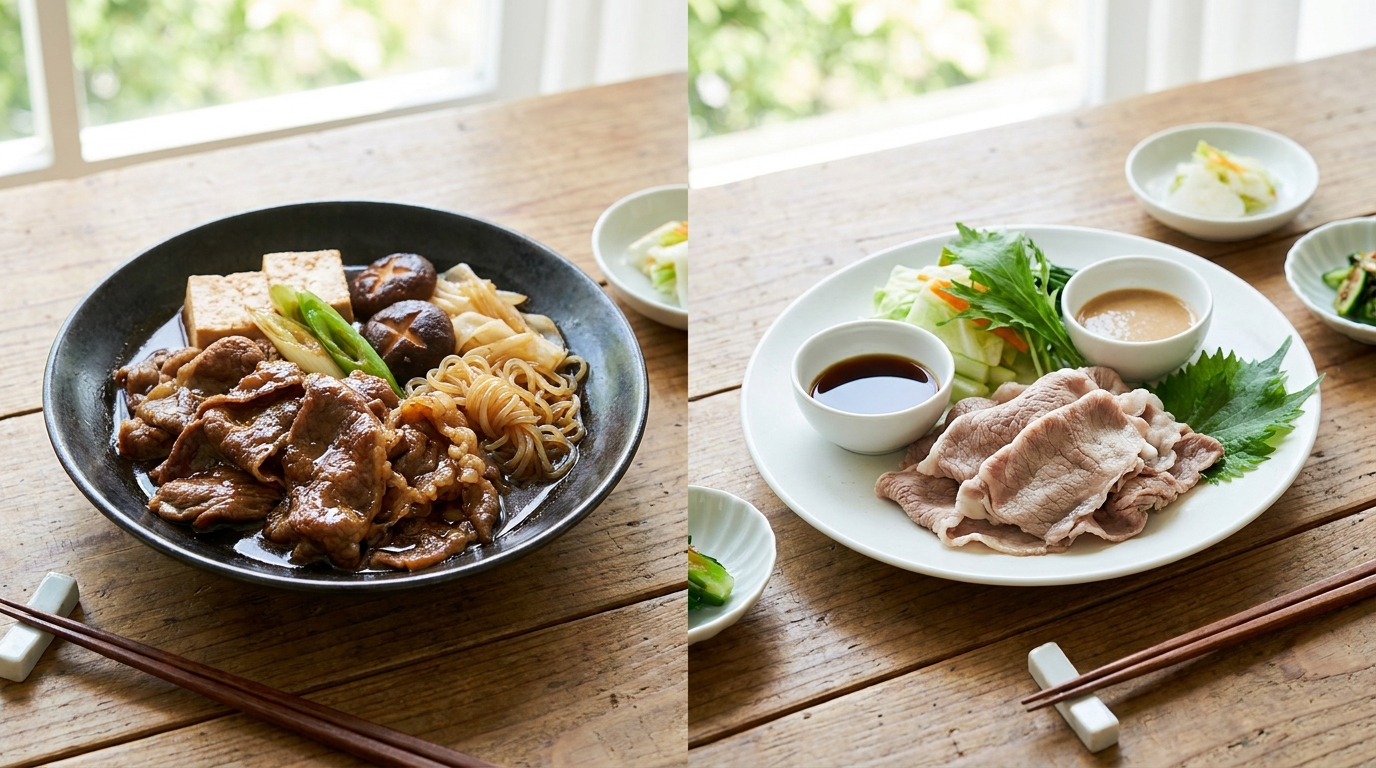
Sukiyaki uses a small amount of warishita — a sweet, dark sauce made from soy sauce, sugar, mirin, sake, and sometimes dashi. The beef and vegetables simmer together in this sauce, so they soak up a sweet-savory glaze. You are not meant to drink the liquid; it is a cooking sauce, not a soup.
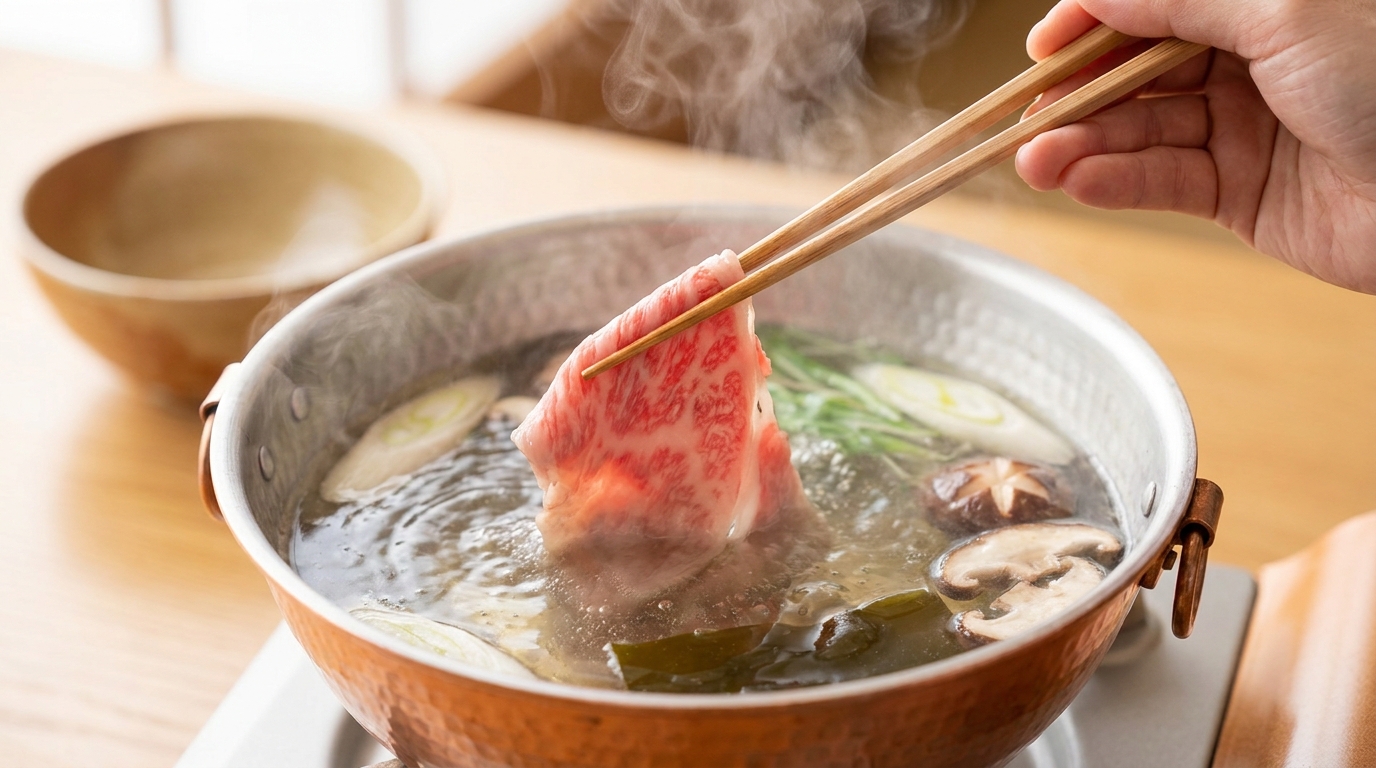
Shabu-shabu uses a large pot of clear broth, usually just water with a sheet of kombu (kelp). You hold one slice of beef with chopsticks and swish it back and forth for a few seconds until the pink is gone — the name “shabu-shabu” imitates that swishing sound. The broth stays light, and many people drink it at the end as a soup.
Here is the side-by-side comparison:
| Point | Sukiyaki | Shabu-Shabu |
|---|---|---|
| Pot liquid | Sweet soy sauce (warishita) | Light clear broth (kombu) |
| Flavor | Rich, sweet, savory | Clean, light, savory |
| How beef cooks | Simmered in the sauce | Swished for a few seconds |
| Dipping sauce | Raw beaten egg | Ponzu (citrus soy) or sesame sauce |
| Drink the liquid? | No (it’s a sauce) | Yes (often, as a final soup) |
| Best for | Lovers of bold, sweet flavor | Lovers of light, delicate flavor |
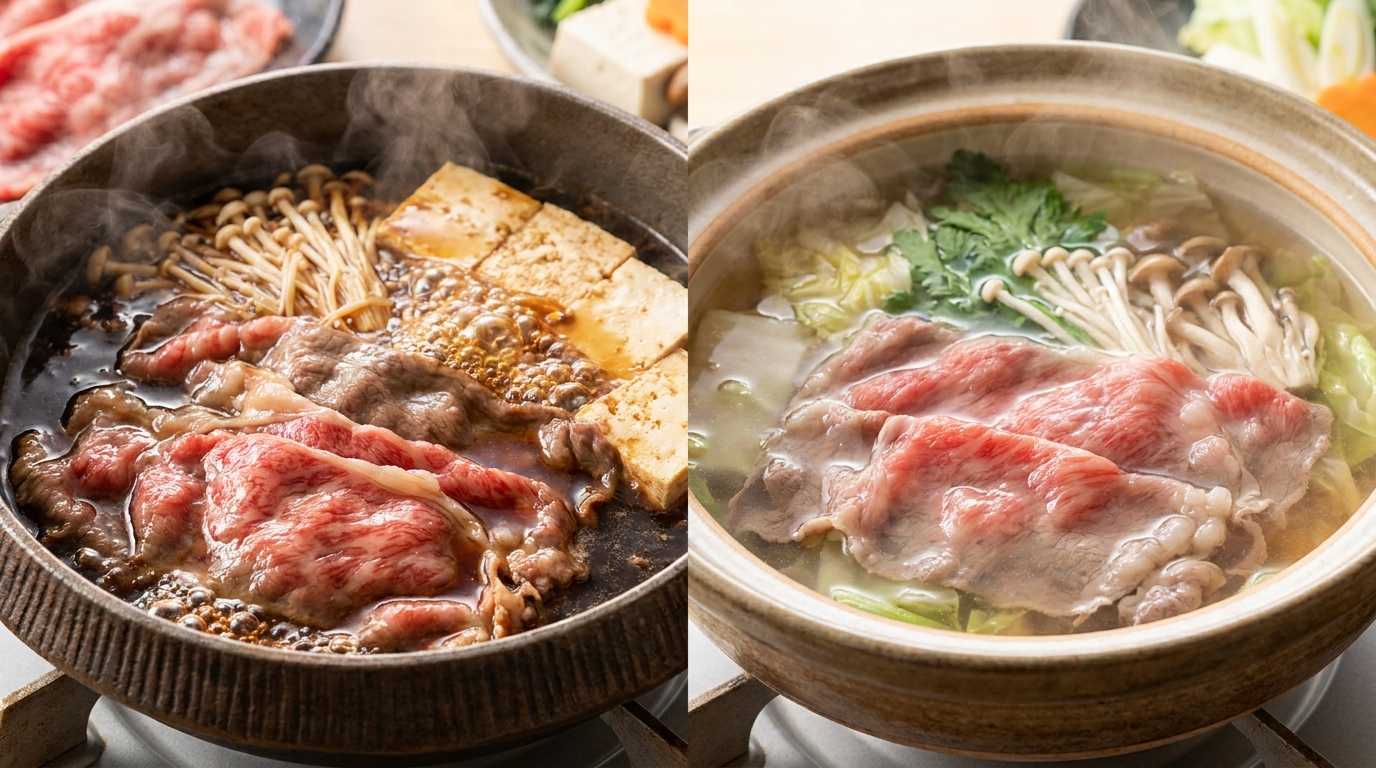
Neither is “better” — they are two different experiences. Many Tokyo restaurants, including long-established houses, serve both, so you can pick on the day.
How Sukiyaki Works: Sweet Soy and Raw Egg
Sukiyaki has two regional styles, and Tokyo follows the Kanto (eastern) style.
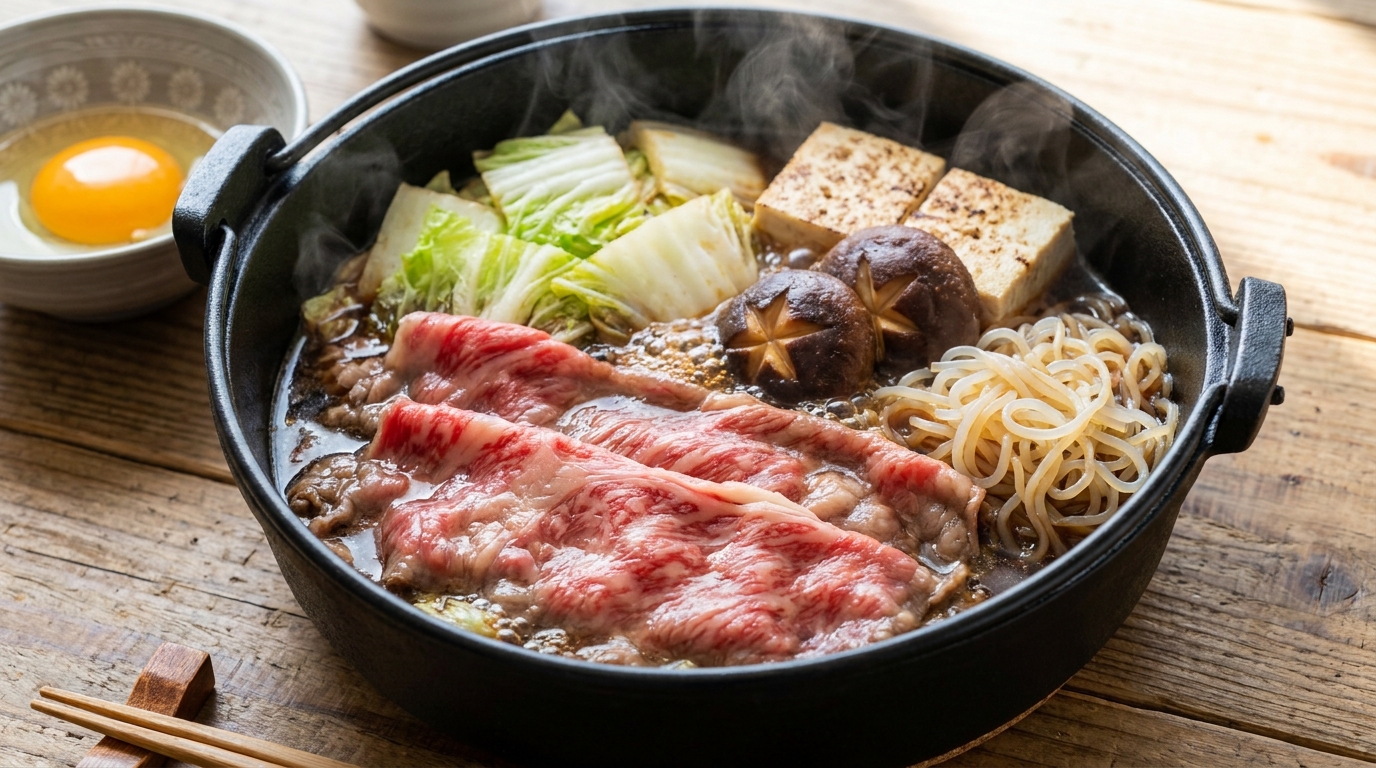
In Kanto-style sukiyaki, warishita is heated in the pot before the beef and vegetables are simmered. The balance of soy sauce, sugar, mirin, sake, and dashi varies by restaurant, so expect the sweetness and salt level to change from one shop to another.
The Kansai (western) style, more common around Osaka and Kyoto, is different: the beef is grilled first in the pan with a little beef tallow, then sugar and soy sauce are sprinkled directly onto the meat to caramelize it, and liquid is added later. If you eat sukiyaki in Tokyo, you’ll most often get the simmered Kanto version.
The raw egg
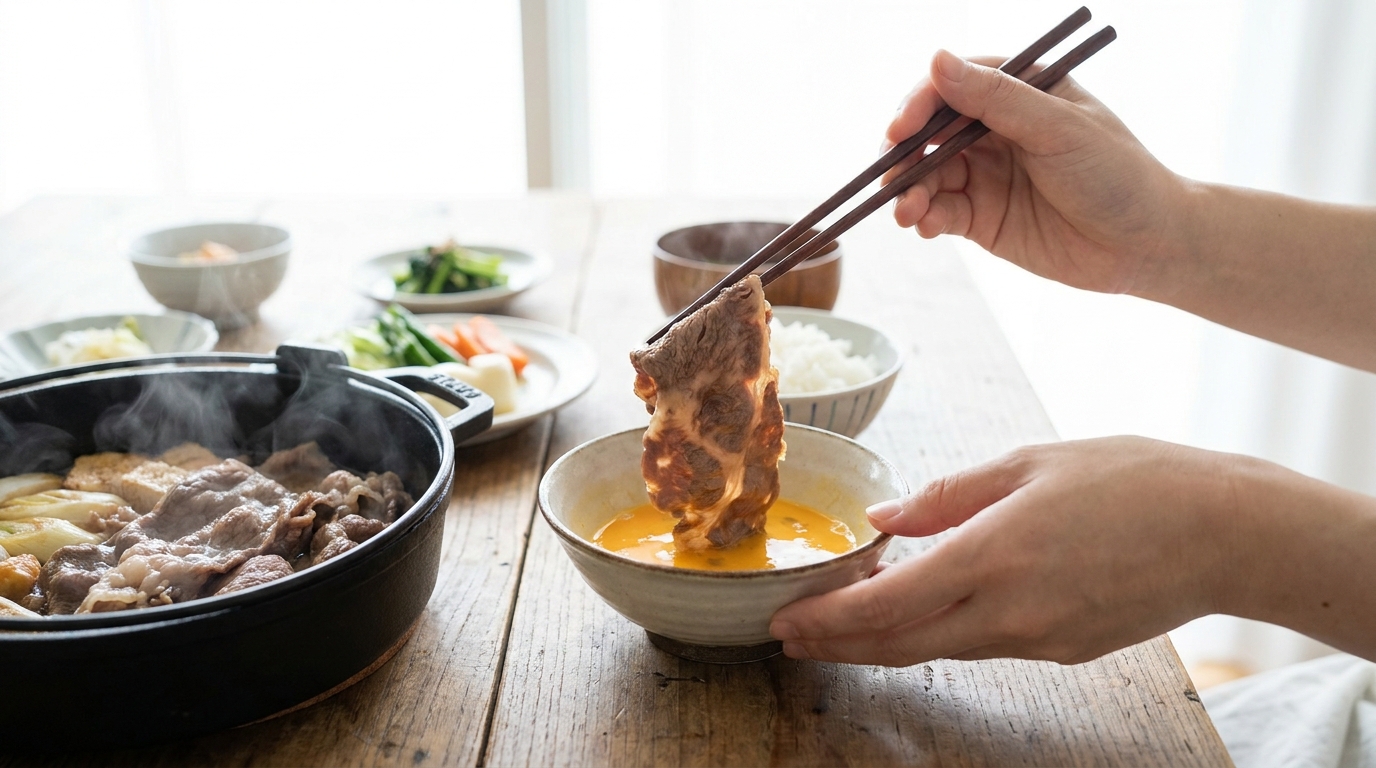
The part that surprises many first-time visitors is the raw egg. Each diner gets a small bowl with a raw egg, which you beat with your chopsticks. You then dip the hot, cooked beef into the egg before eating it.
The egg cools the just-cooked beef and adds a smooth coating that softens the sweet-salty sauce. It is optional. If you avoid raw food or simply do not want it, leave the egg untouched and eat the beef directly from the pot; confirm any dietary concern with the restaurant.
A typical sukiyaki order
A sukiyaki set usually includes thin-sliced beef, plus napa cabbage, shungiku (chrysanthemum greens), negi (long onion), shiitake and enoki mushrooms, grilled tofu, and shirataki noodles. At a traditional restaurant, a server may cook the first round for you and explain the steps, then leave you to continue.
How Shabu-Shabu Works: Swish, Dip, Eat
Shabu-shabu is the lighter of the two. The pot holds a clear broth kept at a gentle simmer.
You take one slice of beef, hold it in the broth, and move it back and forth a few times — about five to ten seconds is enough for thin beef. Thin slices cook almost instantly, so the goal is to keep the meat tender, not to boil it. Once the pink is gone, lift it out and dip it in sauce.
The two classic sauces
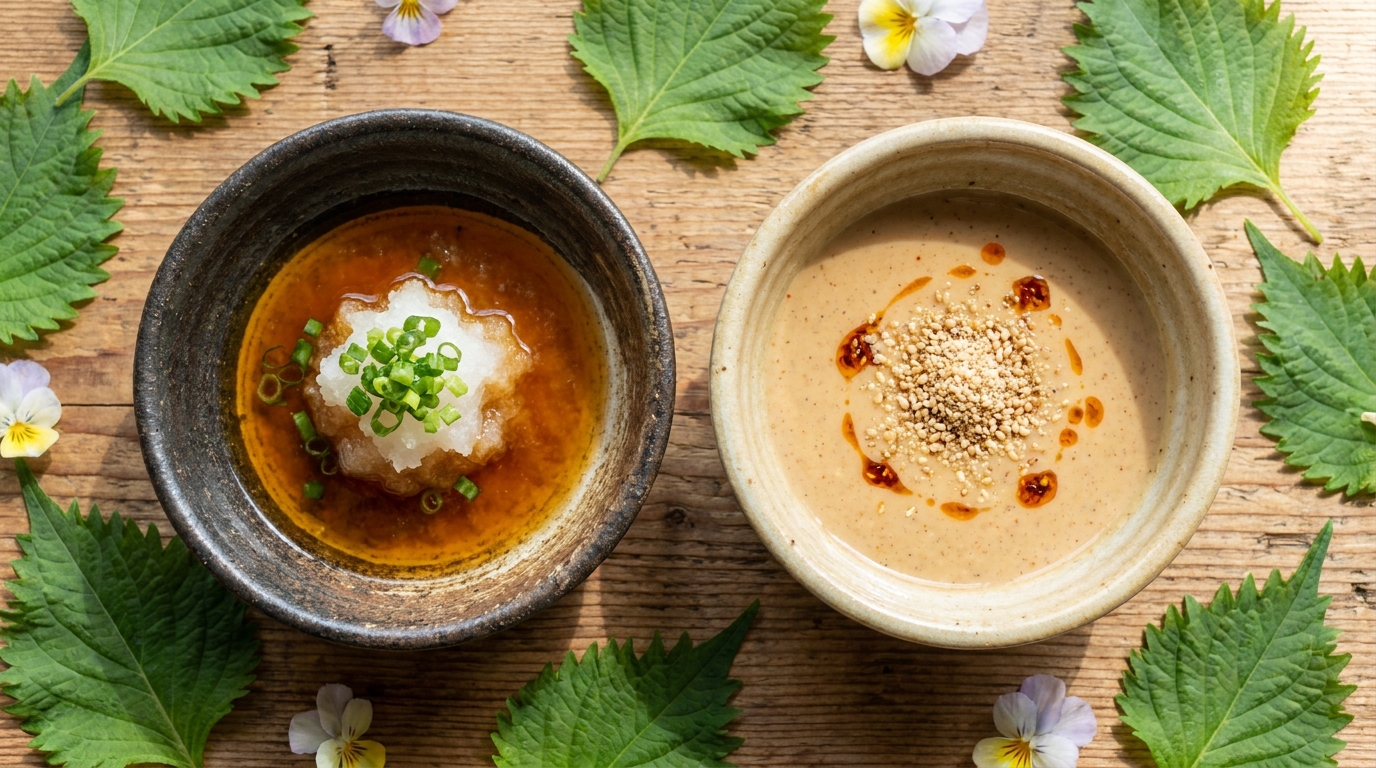
Shabu-shabu is usually served with two dipping sauces, and many diners switch between them:
- Ponzu — a citrus-based soy sauce, tangy and light. Diners often add grated daikon, chopped green onion, or a little chili.
- Goma dare — a creamy, nutty sesame sauce, richer and rounder.
A common approach is ponzu for the beef and sesame for the vegetables, but there is no rule. Try both and follow your own taste.
Vegetables and the order of cooking
Beyond beef, a shabu-shabu set comes with napa cabbage, mushrooms, tofu, carrots, and greens. A practical tip: cook the beef early while the broth is cleanest, and add vegetables and tofu as you go. The broth grows richer as more ingredients pass through it, which sets up the finish (see below).
Which One Should You Choose?
If you only have one dinner for this kind of meal, here is a simple way to decide.
Choose sukiyaki if you:
- like bold, sweet, savory flavors
- want a warming, hearty meal
- are curious about the raw-egg tradition
- prefer the beef to carry a strong glaze of sauce
Choose shabu-shabu if you:
- prefer light, clean flavors
- want to taste the beef itself more than the sauce
- like having two dipping sauces to play with
- want a meal that feels a little lighter
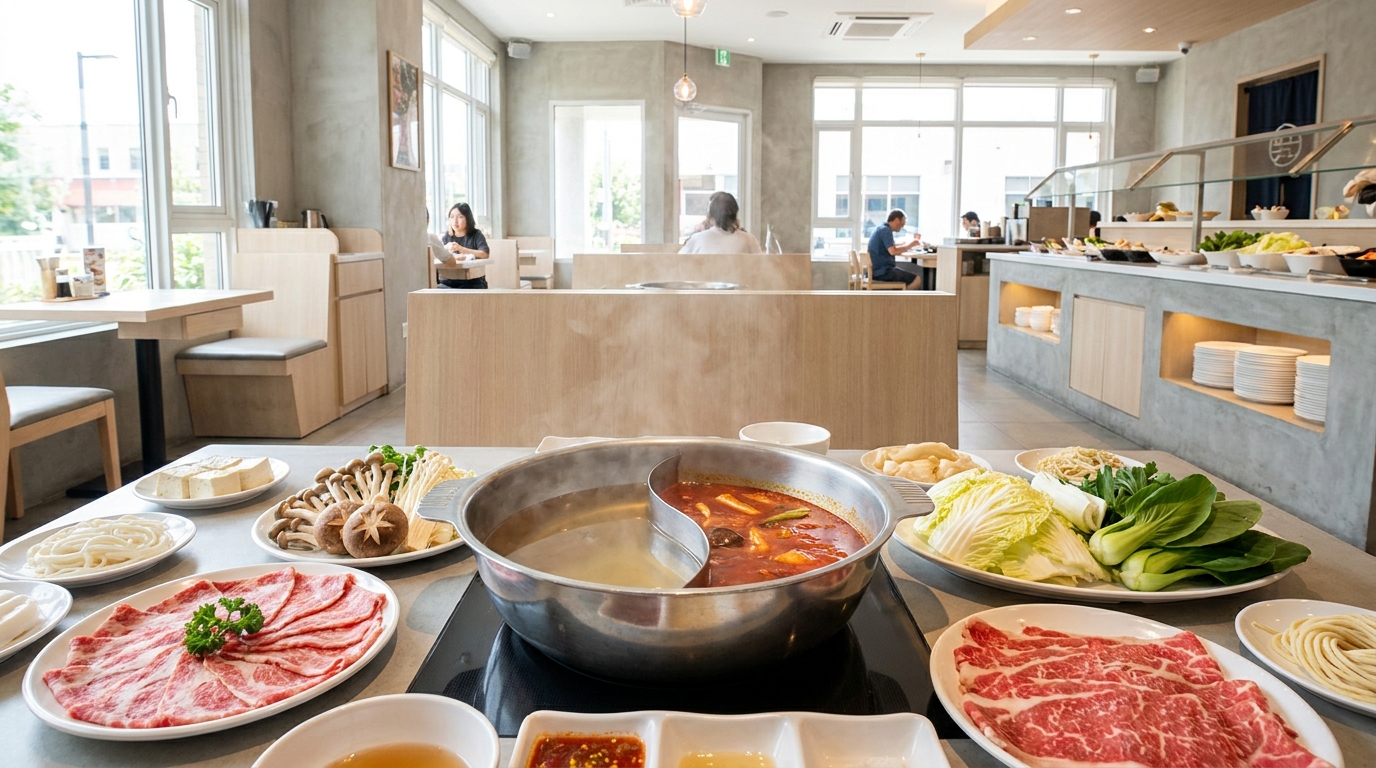
Traveling with others who can’t agree? Several restaurants offer a split pot (one side sukiyaki broth, one side shabu-shabu broth) or all-you-can-eat plans that let the table choose either dish. That is often the easiest answer for a group.
Where to Eat in Tokyo: Three Price Tiers
Tokyo serves both dishes across a wide range of budgets. Prices below are approximate and based on 2025–2026 menus; be sure to check the restaurant’s own site, because several houses revise prices each year.
Tier 1 — Budget buffet (around ¥1,200–¥4,500 per person)
All-you-can-eat chains are the easiest, cheapest entry point, and many have English menus and touch-panel ordering.
- Shabu-yo (しゃぶ葉) — a casual all-you-can-eat chain. Lunch plans start at around ¥1,199 for roughly 80 minutes, with dinner plans a little higher. Good for families and first-timers.
- Mo-Mo Paradise (モーモーパラダイス) — all-you-can-eat shabu-shabu *and* sukiyaki in one visit. A pork-based course runs around ¥4,400, with beef and premium courses costing more; branches in Shinjuku and other hubs are used to international guests.
Tier 2 — Mid-range specialty (around ¥4,000–¥8,000 per person)
Sit-down specialty restaurants serve better beef and a calmer setting without going fully luxury.
- Kisoji (木曽路) — a well-known shabu-shabu and sukiyaki chain with lunch courses starting around ¥3,740 and dinner courses higher. Reliable quality and table service.
This tier is a good middle ground if you want quality beef and a proper sit-down experience but don’t need top-grade wagyu.
Tier 3 — Premium wagyu houses (dinner around ¥10,000–¥15,000+ per person; lunch is cheaper)
For a special occasion, Tokyo’s historic beef houses serve Kuroge Wagyu (Japanese Black) in elegant, traditional rooms.
- Ningyocho Imahan (人形町今半) — founded in 1895, serving sukiyaki, shabu-shabu, and steak with premium wagyu. Dinner courses commonly run well into five figures per person, while lunch sets are more accessible (often around ¥4,000–¥6,000).
- Asakusa Imahan (浅草今半) — a separate historic house (also dating to 1895) near Sensoji, known for refined wagyu sukiyaki. Lunch courses start from around ¥4,950 (a sukiyaki gozen set), while a premium Wagyu gozen can reach around ¥17,600; dinner runs higher.
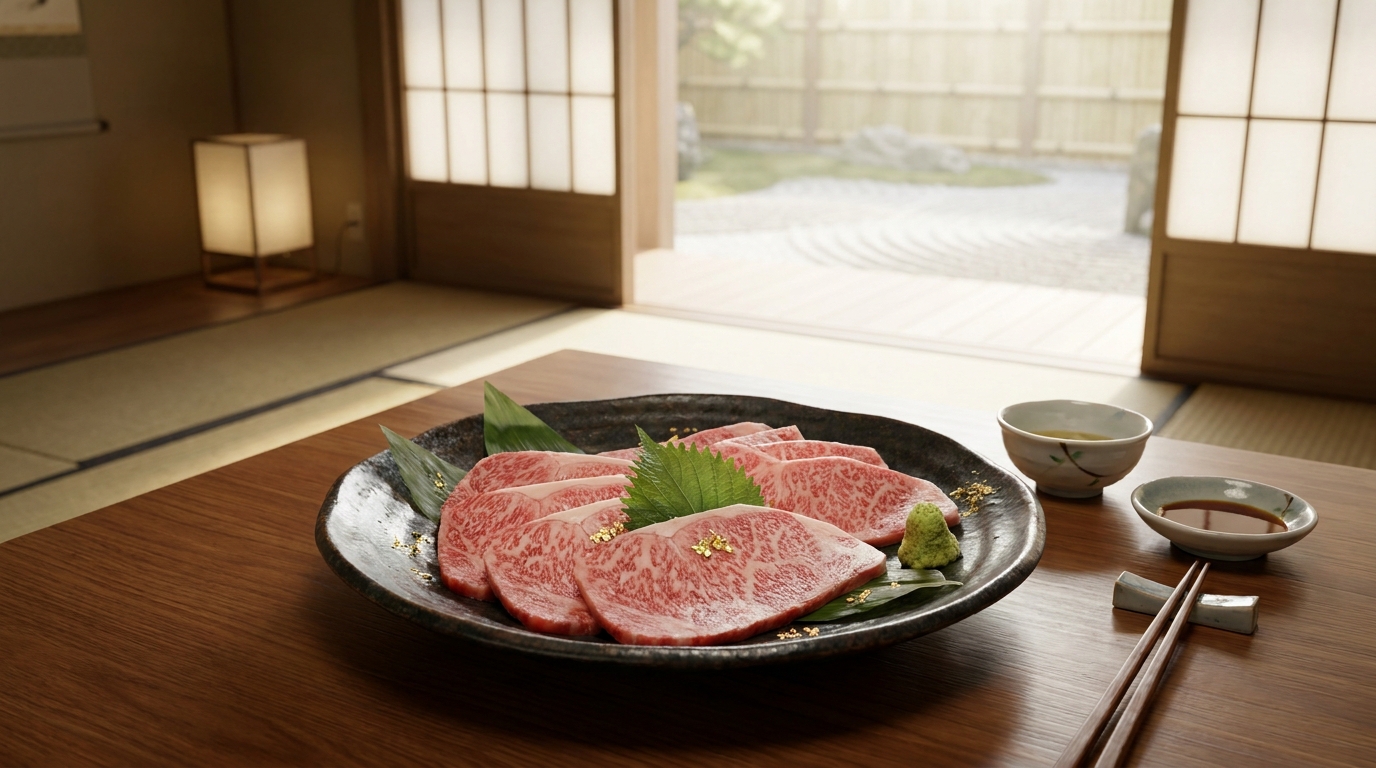
At this tier, reservations are strongly recommended, and a server typically cooks the first round at your table.
How to Order and Reserve
Walk-in vs. reservation. Budget buffet chains usually take walk-ins, though weekends can mean a wait. Mid-range and premium houses are best booked ahead, especially for dinner and for groups.
Booking in English. Several restaurant booking apps and services work with foreign phone numbers and credit cards. For a full walkthrough of which apps accept overseas cards and how to use them, see our guide to booking Tokyo restaurants in English.
At the table. Many casual places use a tablet or touch panel where you can switch the language to English. At traditional houses, staff will usually guide you through the first round, so you don’t need to know the steps in advance.
A note on beef grades. Premium menus often mention wagyu and grades like A5. If you want to understand what those grades mean before you splurge, our Tokyo wagyu and yakiniku guide explains the grading system.
The Finish: Udon or Zosui
Don’t leave before the last course — for many people it’s the best part.
By the end of the meal, the pot is full of flavor: sweet sauce for sukiyaki, or rich broth for shabu-shabu. Restaurants use this to make a final dish, called shime (“the finish”).
- After shabu-shabu, the classic finish is zosui — rice simmered in the leftover broth with egg, almost like a savory porridge. Udon noodles are also common.
- After sukiyaki, udon added to the remaining sweet sauce is a popular finish.
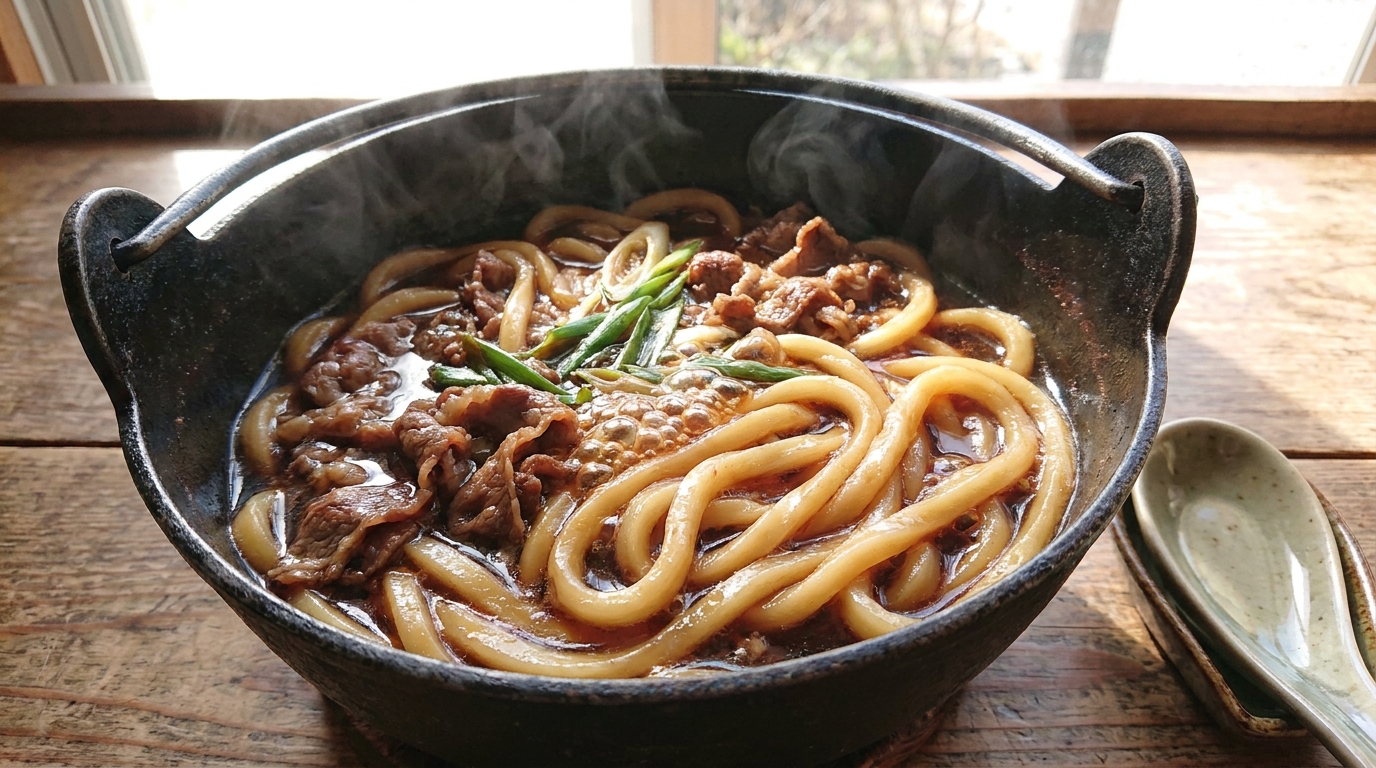
If you’re at a set-course restaurant, the shime is usually included; at a buffet, rice and noodles are part of the all-you-can-eat spread. Either way, it’s a warm, satisfying way to end.
Frequently Asked Questions
Do I have to use the raw egg with sukiyaki?
No. Raw beaten egg is a common dip, but it is optional. If you avoid raw food or do not like egg, skip it and eat the cooked beef directly from the pot.
Do I cook the food myself?
Yes, both dishes are cooked at your table, but you’re rarely on your own. At traditional restaurants a server often cooks the first round and shows you how. At casual chains, the steps are simple and there’s usually an illustrated guide.
Which is healthier, sukiyaki or shabu-shabu?
Shabu-shabu is generally lighter, because the beef is swished in plain broth and the sauces are mostly citrus or sesame. Sukiyaki’s sweet soy sauce and raw-egg dip make it richer. Neither is “unhealthy,” but shabu-shabu feels lighter to many people.
Can vegetarians or people who don’t eat beef enjoy these?
Both dishes are built around beef, but pork, chicken, and seafood versions exist, and vegetable-and-tofu sets are sometimes available. All-you-can-eat chains often have the most flexible options. Be sure to confirm in advance if you have strict dietary needs.
How much should I budget per person?
Roughly ¥1,200–¥4,500 at all-you-can-eat chains, ¥4,000–¥8,000 at mid-range specialty restaurants, and ¥10,000–¥15,000 or more at premium wagyu houses. Lunch is usually cheaper than dinner.
Do I need a reservation?
For budget buffet chains, usually no, though weekends can be busy. For mid-range and premium restaurants, booking ahead is recommended, especially for dinner or groups.
What’s the difference in the dipping sauce?
Sukiyaki uses raw beaten egg as its dip. Shabu-shabu uses ponzu (citrus soy) and/or goma dare (sesame sauce). This is one of the clearest ways to tell the two dishes apart.
What is the “shime” at the end?
Shime means “the finish” — a final dish made in the leftover pot liquid. After shabu-shabu it’s often zosui (rice porridge) or udon; after sukiyaki, udon in the sweet sauce is popular.
Is sukiyaki or shabu-shabu more typical in Tokyo?
Both are widely available in Tokyo. Sukiyaki in Tokyo follows the Kanto (simmered) style. Many restaurants serve both, so you can choose on the day or even order one of each at the table.
Editorial structure updated: August 4, 2026. Restaurant prices and course details can change; confirm the current official menu before visiting.

Comments