Quick Answer: Most Japanese Airbnb hosts have very limited knowledge of Halal practices or Muslim prayer routines. This is not discrimination — Muslims are a small minority in Japan, and your host has likely never had a Muslim guest before. To enjoy your stay, plan to be self-sufficient: bring your own prayer mat, install the right apps before you fly, and treat your Airbnb as a private space for your own routine — not a Muslim-friendly facility.
- Before You Read: Halal Observance Varies by Person
- 1. Why Japanese Hosts May Not Be “Muslim-Ready”
- 2. What to Bring (and What to Install Before You Fly)
- 3. What You CAN Do in Your Airbnb
- 4. What NOT to Ask Your Host
- 5. The Breakfast Problem (and How to Solve It)
- 6. Where to Eat & Pray Outside Your Stay
- 7. Bottom Line: Travel Self-Sufficient, Stay Comfortable
- FAQ
- Related Articles on Real Japan Guide
Before You Read: Halal Observance Varies by Person
The single most important thing to understand before reading this guide: Halal observance differs significantly by individual faith and country of origin. The only universally avoided item across all Muslim travelers is pork. Everything else — alcohol-based seasonings, gelatin, emulsifiers, soy sauce containing trace alcohol, the slaughter method of meat — is decided on a personal basis.
This guide is written with that in mind. It does not tell you what is or is not Halal. It tells you what is realistic in Japan, so you can match your own standard to what you’ll actually find.
1. Why Japanese Hosts May Not Be “Muslim-Ready”
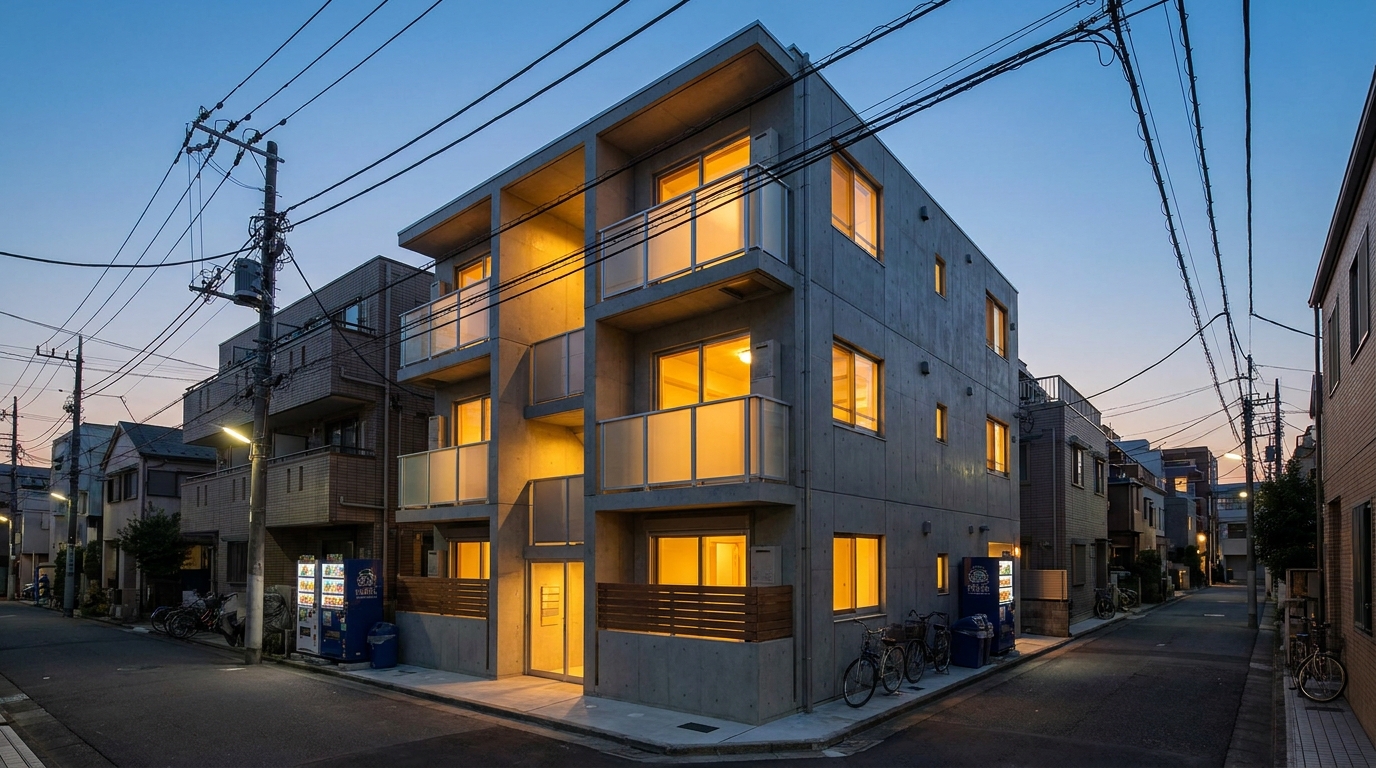
Japan is one of the least religiously diverse developed countries. According to research published in July 2025 by Professor Emeritus Hirofumi Tanada of Waseda University, the Muslim population in Japan was estimated at approximately 420,000 as of the end of 2024 — about 0.3% of Japan’s 124+ million people. Most Japanese have never met a practicing Muslim, never seen a prayer mat, and never heard of a Qibla compass app.
This affects what to expect at a Japanese Airbnb:
- Your host probably does not know what Halal means in detail beyond “no pork.”
- Your host does not have a prayer mat, Qibla marker, or wudu facility prepared for you.
- Your host may have used pork or alcohol in the kitchen you are about to use.
- Your host will not know prayer times or adjust quiet hours around them.
None of this is hostility. It is the simple reality of a country where a Muslim guest is statistically rare. The good news: a Japanese Airbnb is essentially a private apartment, which means you can do almost everything you need yourself, in private, without needing the host to do anything special.
2. What to Bring (and What to Install Before You Fly)
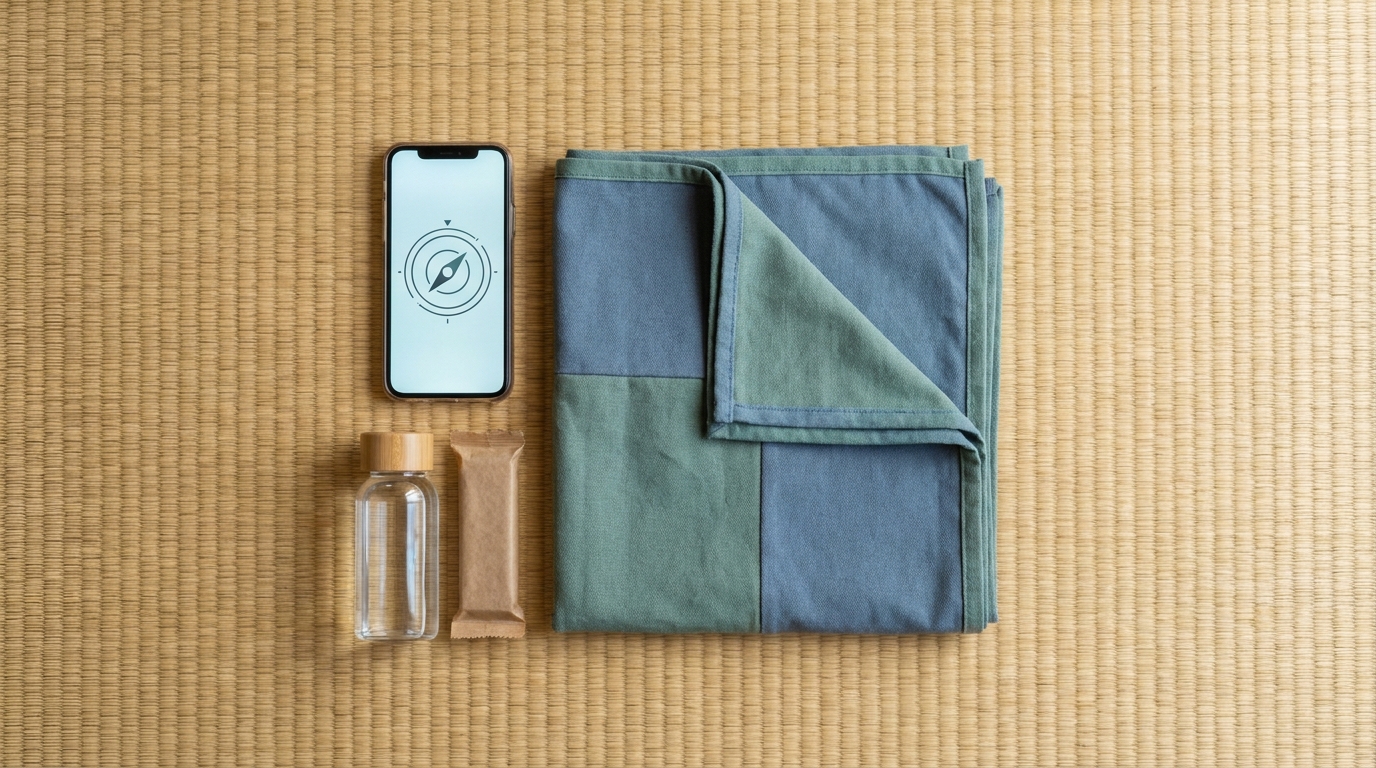
Pack for self-sufficiency. The list is short — and your phone is half of it.
Physical items
- A travel-sized prayer mat — compact, fits in any suitcase corner.
- For men: if you wear shorts, bring trousers or a long cloth that covers the ankles for prayer.
- For women who don’t normally wear hijab: pack one for prayer.
- Halal-certified snacks for the first 24 hours, in case you arrive late at night before any shop is reachable.
Apps to install before you fly
- Muslim Pro — a single freemium app by Bitsmedia (listed as “Muslim Pro: Quran & Athan” on the App Store and “Muslim Pro: Quran Athan Prayer” on Google Play). Free to download, with an optional ad-free subscription. Covers Qibla direction and prayer times. Works offline once set up.
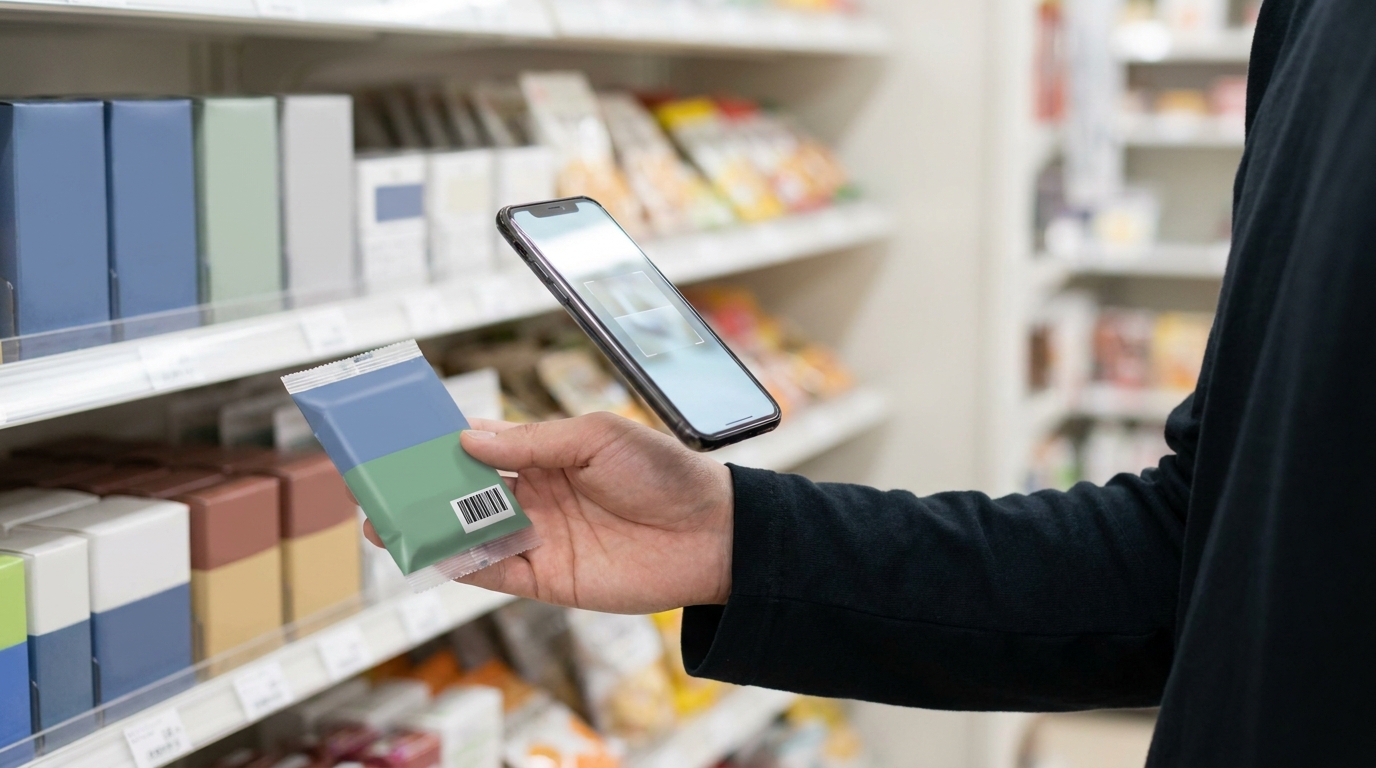
- Halal Gourmet Japan — restaurant directory app. Its Halal Lens feature (launched in April 2025) uses AI barcode scanning and OCR to check Japanese product labels for haram ingredients. This is the single most useful tool for surviving Japanese convenience stores and supermarkets.
- A backup ingredient scanner — apps such as HaloDish or Halal Japan provide additional barcode coverage when Halal Lens does not have a record.
That’s the practical minimum. Most Muslim travelers report needing nothing else specific to their faith — Japan’s everyday infrastructure (clean water, reliable electricity, safe streets) covers the rest.
3. What You CAN Do in Your Airbnb
Most Japanese Airbnbs are private apartments. That gives you more flexibility than you might think:
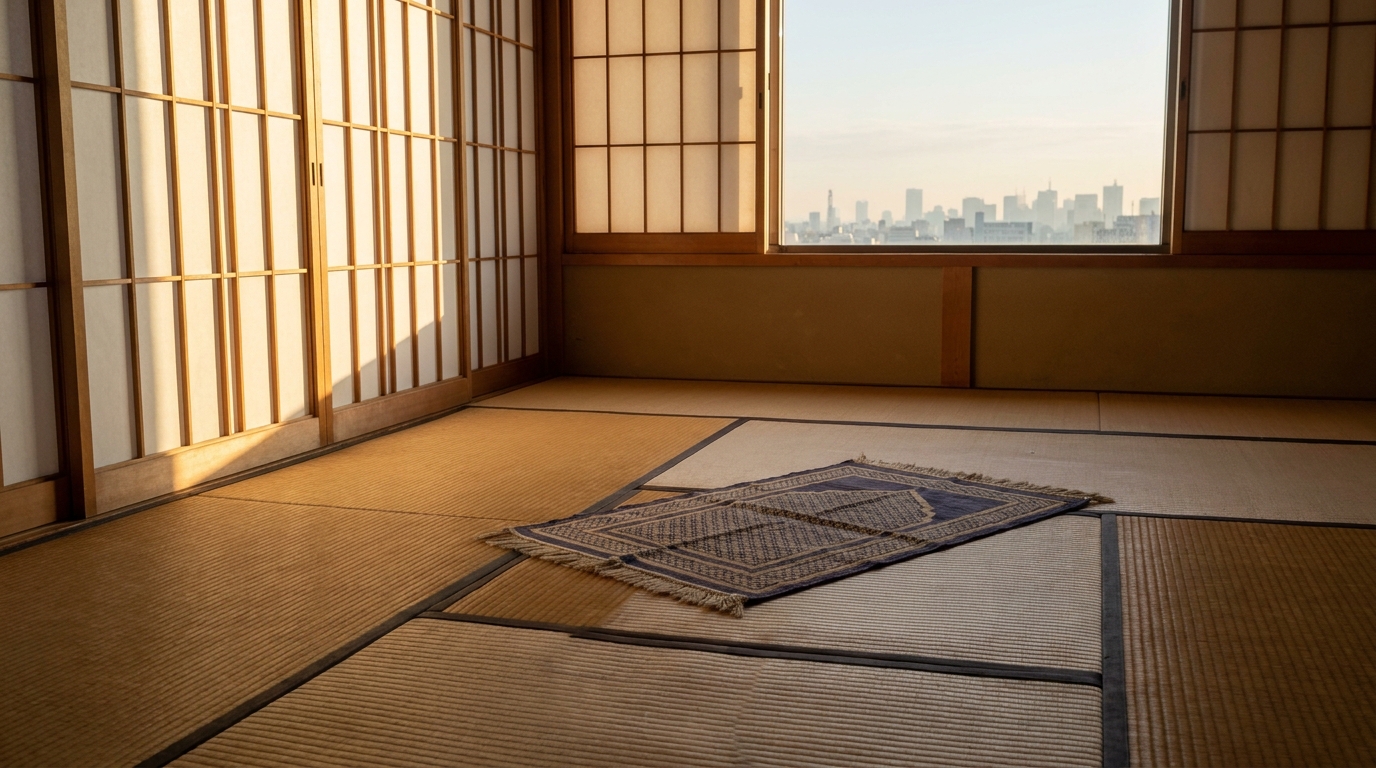
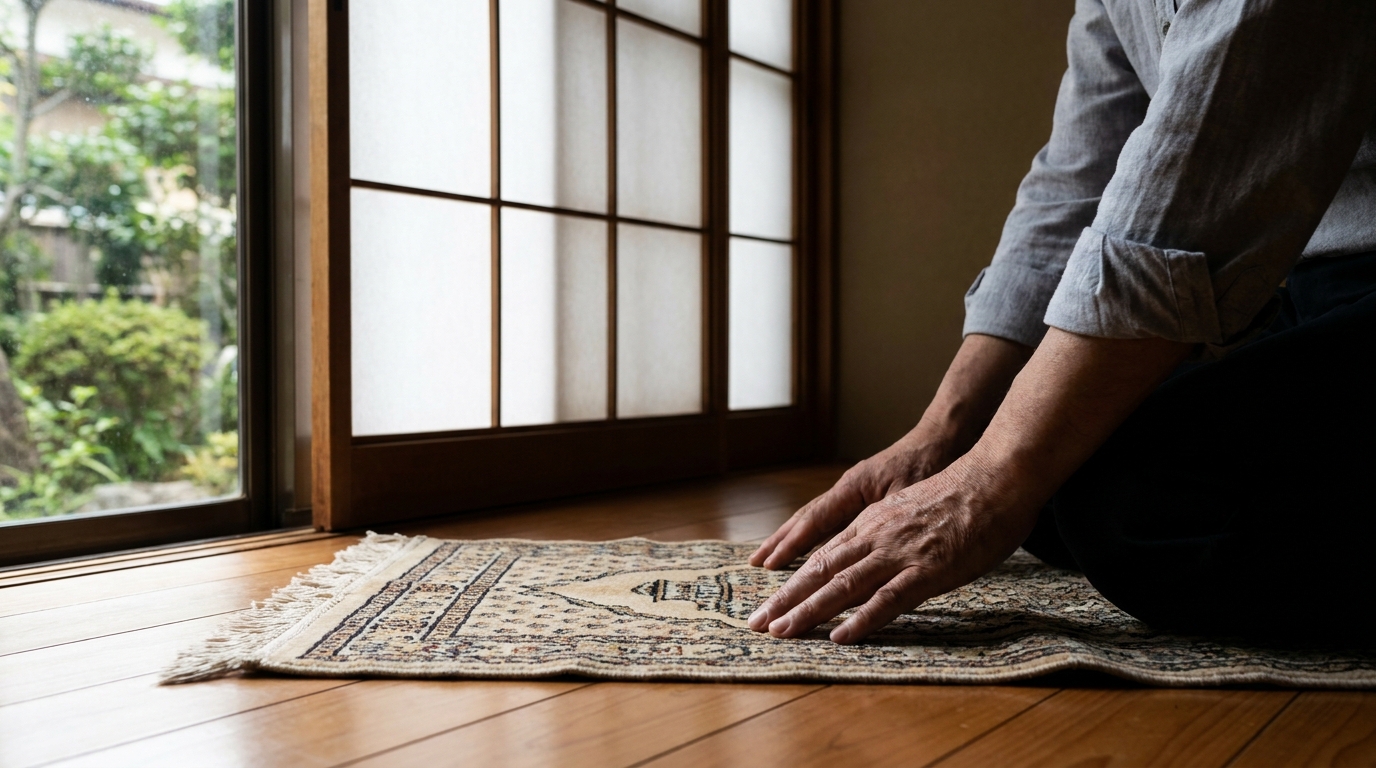
Pray in your room. A clean floor and a prayer mat are enough. Use Muslim Pro to find Qibla direction and orient yourself. The room is your private space, and no one will check on you.
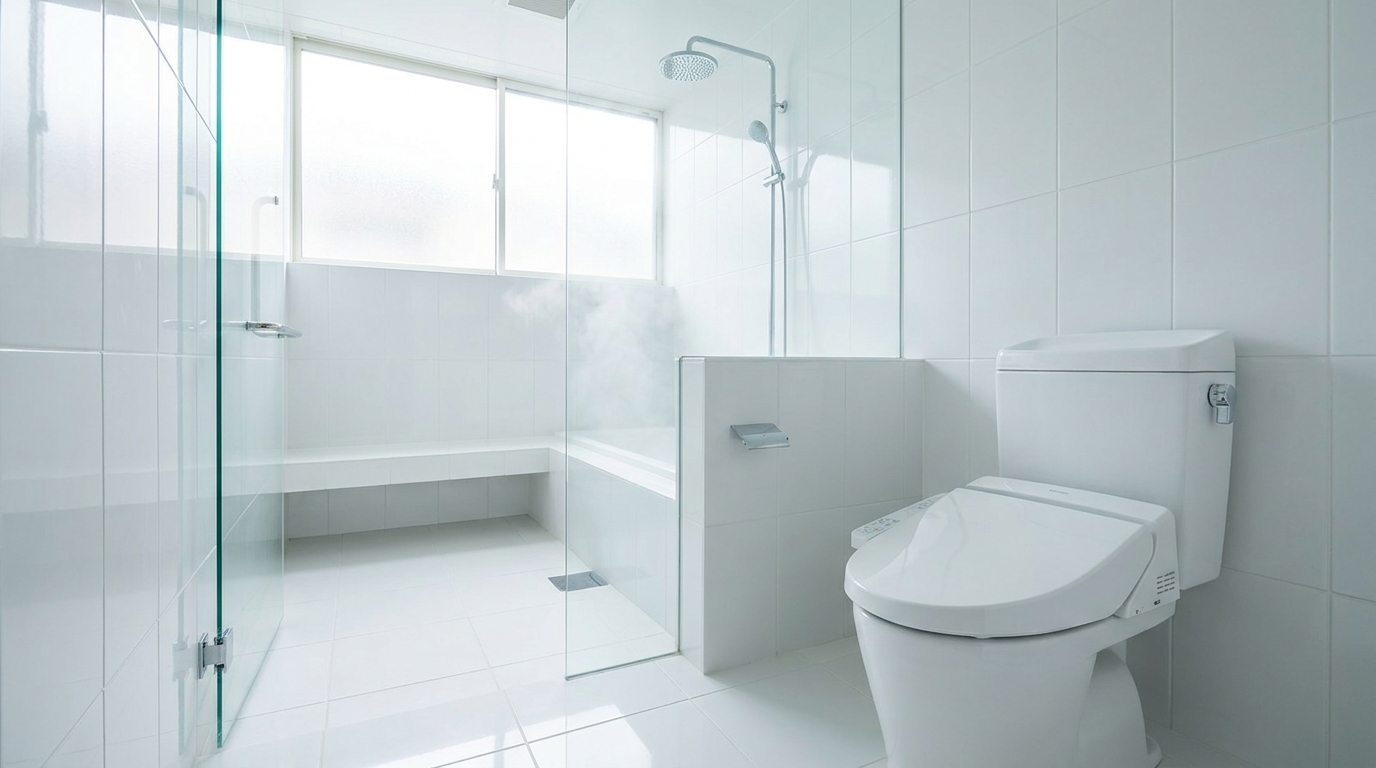
Perform wudu in your bathroom — no special workaround needed. The Quran’s requirement is cleanliness, and Japanese bathrooms (whether shower stall or unit bath) easily meet that standard. The water is potable, the surfaces are clean, and there is no ritual conflict with how Japanese plumbing is set up.
Cook your own food with ingredients from a Halal supermarket. The kitchen is yours during your stay (see the next section for what not to ask the host about the kitchen).
Manage your own quiet hours. As long as you’re not making loud noise late at night (see Noise Rules in Japan), nothing about your prayer schedule will cause issues.
Schedule sightseeing around prayer times. Tokyo has a growing number of public prayer rooms in major shopping centers and stations (specific locations in Section 6).
4. What NOT to Ask Your Host
This is the section most travel guides skip — but it’s the one that will save you frustration. Most Japanese Airbnb hosts cannot fulfill the following requests, and asking will only delay your check-in.
“Can you deep-clean the kitchen of all pork and alcohol?”
Why it doesn’t work: Japanese Airbnb kitchens are shared across many guests. Hosts cannot guarantee that no pork product has ever touched the cookware. Replacing pots, knives, and cutting boards on request is not a service they offer.
Self-help instead: If cookware purity matters to you, bring or buy your own small frying pan and utensils. A 100-yen shop near your stay sells everything you need cheaply.
“Can you replace the dishes with separate Halal-only ones?”
Why it doesn’t work: Same reason as above. Hosts do not maintain separate certified utensils.
Self-help instead: Use disposable plates and cups for the first day, or wash everything thoroughly when you arrive. Many travelers report this satisfies their personal standard.
“Can you buy Halal groceries for me before I arrive?”
Why it doesn’t work: Personal shopping is not part of an Airbnb host’s service in Japan, and most hosts wouldn’t know which stores carry Halal-certified items.
Self-help instead: Identify the nearest Halal supermarket before you book. Stock up on the way from the airport. Several Tokyo Halal supermarkets deliver via Uber Eats.
“Can you provide a prayer room or a Qibla marker?”
Why it doesn’t work: A typical Japanese Airbnb is a small apartment. There is no room to designate as a prayer space, and most hosts have no Qibla reference.
Self-help instead: Your room is your prayer space. Muslim Pro’s compass is more than accurate enough for valid prayer.
What you CAN expect (usually)
To balance the picture, here’s one thing Japanese accommodation often provides that Muslim travelers tend to appreciate: bidet toilets (washlets). They are common in Japanese homes, hotels, and Airbnbs, and excellent for personal cleanliness. However, they are not universal — some older or budget-priced apartments still use a standard toilet without a washlet. If a washlet matters to you, check the Airbnb listing photos and the amenities list (look for “Washlet” or “Bidet”) before booking.
The pattern is clear: anything that requires the host to actively prepare for Muslim use will not happen. Anything you can do yourself, in private, with items you bring or buy, is entirely possible.
5. The Breakfast Problem (and How to Solve It)
This is the most under-discussed practical issue for Muslim travelers in Japan. Tokyo’s Halal restaurant scene has grown significantly, but it concentrates on lunch and dinner. Breakfast is genuinely hard.
Here’s the reality:
Convenience stores (7-Eleven, Lawson, FamilyMart) carry many items with hidden haram ingredients. Documented patterns include alcohol (アルコール) and mirin (みりん) used as preservatives in onigiri, bento boxes, and even soy sauce; lard-based shortening (ショートニング) and animal-derived emulsifiers (乳化剤) in breads and sweet bakery items; and porcine gelatin (ゼラチン) in yogurts, puddings, and gummies. Even items that look safe — such as plain salmon or kombu onigiri — may contain trace mirin. The most reliable strategy is to scan the barcode with the Halal Lens feature in the Halal Gourmet Japan app before you eat.
Family restaurants (Gusto, Saizeriya, Denny’s) are not a reliable option. None of the Japanese branches are Halal-certified. They use shared kitchens, shared fryers, and ingredients that include pork, lard-based shortening in dough, mirin or cooking sake in sauces, and animal-derived rennet in cheese. Even a seemingly safe plain Margherita pizza is risky for the same reasons. Strictly observant travelers should avoid these chains entirely. Travelers with a more relaxed practice should still recognize that staff are unlikely to be able to verify ingredients on request.
Hotel breakfasts (when staying at a hotel rather than Airbnb) typically include bacon, sausage, and Western items mixed freely.
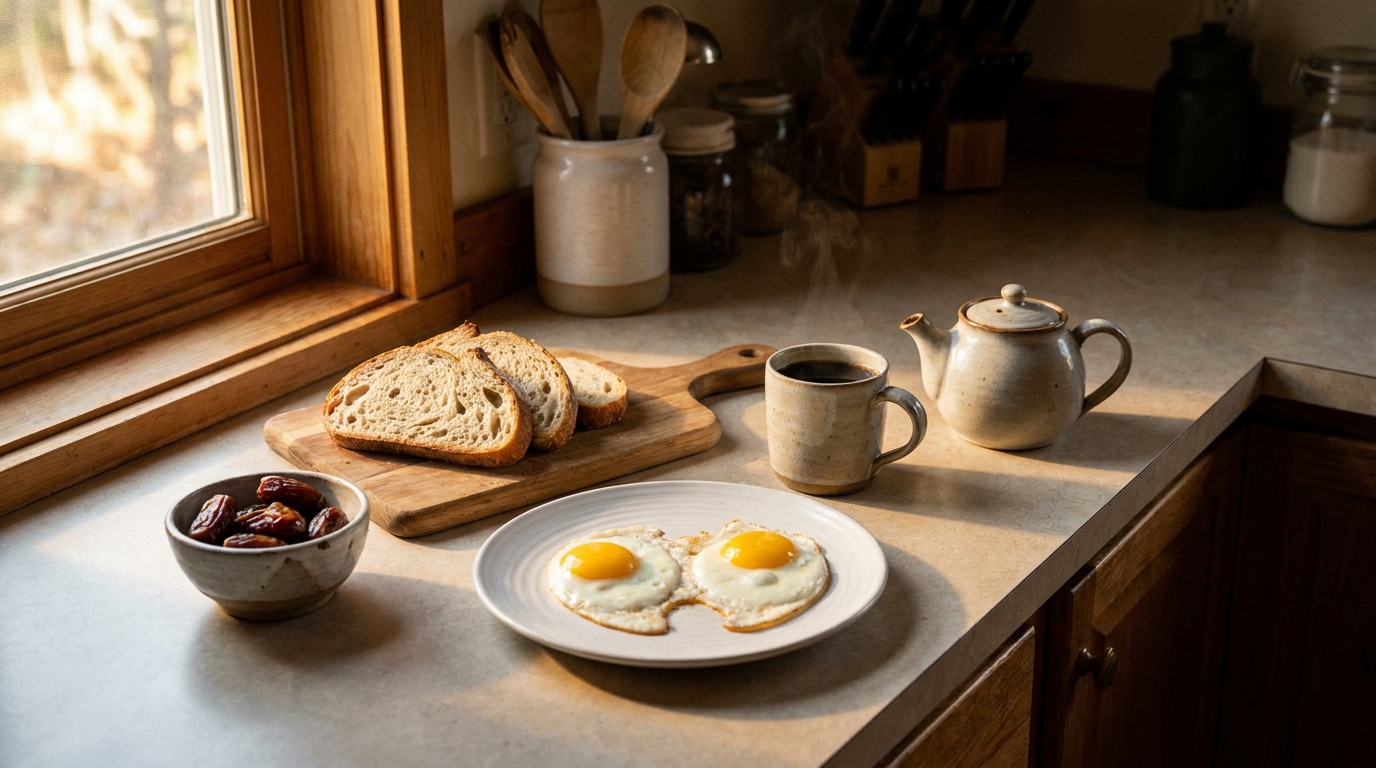
The realistic solution: cook breakfast yourself in your Airbnb kitchen. Buy Halal-certified eggs, bread, and ingredients the day before from a Halal supermarket, and prepare a simple breakfast on your own.
This is one of the strongest practical reasons an Airbnb (with a kitchen) is often a better choice than a hotel for Muslim travelers in Japan. You trade a free breakfast for the ability to prepare exactly what you can eat — and you can stock fresh whole foods (fish, vegetables, eggs) from a regular Japanese grocery store, where ingredients are simpler and easier to verify than in processed convenience-store products.
6. Where to Eat & Pray Outside Your Stay
For lunch, dinner, and prayer outside your accommodation, Tokyo has improved considerably.
Mosques
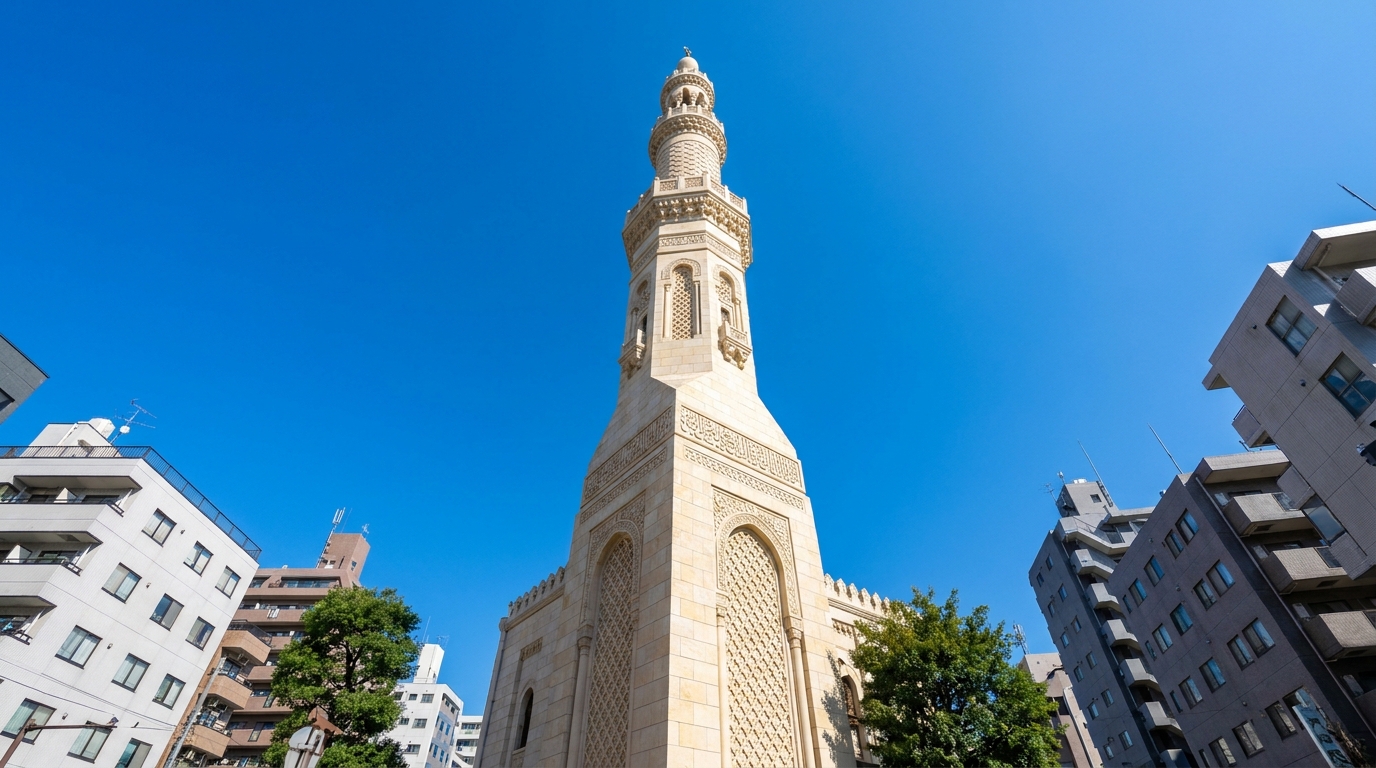
- Tokyo Camii (1-19 Oyamacho, Shibuya-ku, Tokyo) — the largest mosque in Japan, a 3-to-5-minute walk from Yoyogi-Uehara Station (Tokyo Metro Chiyoda Line / Odakyu Odawara Line). Open to visitors with a strict dress code (modest clothing, head covering required for women in the prayer hall, no shorts or tank tops for men, shoes off before entering). Friday afternoon (around 12:30–13:30) is congregational prayer time, when general tourist visits are restricted. Official site: tokyocamii.org.
- Otsuka Mosque (3-42-7 Minamiotsuka, Toshima-ku, Tokyo) — operated by the Japan Islamic Trust. Phone: 03-3971-5631. Official site: islam.or.jp.
Prayer rooms in major Tokyo hubs
- Shibuya: Shibuya PARCO, 5th floor — separated for men and women, with wudu facilities on site.
- Shinjuku: Takashimaya Shinjuku Department Store, 11th floor — use the intercom by the door to ask staff to unlock it.
- Ginza: Matsuya Ginza Department Store, rooftop terrace — take the elevator to the “R” level. Wudu stations and Qibla compasses are provided.
- Tokyo Station: JR East Travel Service Center, Marunouchi North Exit — generally open 8:30 AM to 7:00 PM on weekdays and earlier on weekends.
These rooms are dedicated, signposted, and free to use. Several are tucked away in less-visible parts of the building, so save the floor numbers and access notes above before you go.
Halal restaurants and supermarkets
Concentrated in Shinjuku, Shibuya, Asakusa, and Roppongi, with thinner coverage in residential neighborhoods. For up-to-date listings, the resources used by Muslim travelers in Japan include:
- Halal Gourmet Japan (halalgourmet.jp) — restaurant directory plus the Halal Lens barcode scanner app.
- Food Diversity (fooddiversity.today, formerly Halal Media Japan) — news and travel guides for Muslim and dietary-restricted travelers in Japan.
- JNTO Muslim Travelers Guide (japan.travel/en/guide/muslim-travelers/) — Japan’s official tourism portal section on Muslim-friendly facilities, mosques, prayer spaces, and Halal dining.
7. Bottom Line: Travel Self-Sufficient, Stay Comfortable
The single most useful mindset for a Muslim guest at a Japanese Airbnb: your host is not a service provider; your host is a key-handler. Their role is to give you access to a clean, private apartment. Everything else — your prayer routine, your food, your wudu, your Qibla — is in your hands.
This may sound restrictive, but it is freeing. A Japanese Airbnb is a quiet, private space where you can pray, eat, and rest on your own terms, without anyone questioning what you do. Travelers who arrive with their own prayer mat, their own Halal snacks, and Muslim Pro plus Halal Gourmet Japan already loaded on their phone tend to find Japan one of the easier countries to travel in as a Muslim — not because the hosts cater to them, but because they don’t have to.
Plan for self-sufficiency. Stay comfortable.
FAQ
Q1. Is it okay to pray in a Japanese Airbnb?
A. Yes. The room is your private space. Use a prayer mat for cleanliness and orient toward Qibla using your phone.
Q2. Will the host know what Halal means?
A. Probably not in detail. Do not assume the host can answer Halal questions about cookware or food.
Q3. Can I do wudu in a Japanese bathroom?
A. Yes. Japanese bathrooms (shower stall or unit bath) meet the cleanliness standard. No special workaround is needed.
Q4. Are there many Halal restaurants in Tokyo?
A. Coverage has grown significantly, especially in Shinjuku, Shibuya, and Asakusa. Most require travel from your accommodation, and breakfast options remain limited.
Q5. Can I trust a restaurant that says “Muslim-friendly” but has no certification?
A. That depends on your personal standard. Halal observance varies widely between individuals — only avoiding pork is universal across all practice. Whether you accept alcohol-based seasonings, gelatin, or non-Halal-slaughtered meat is a personal choice. When in doubt, ask the restaurant directly, but be aware that staff at Japanese chain restaurants typically cannot verify ingredients on request.
Q6. What if I arrive late at night with no Halal food?
A. Plain salmon or kombu onigiri at convenience stores are usually the safest minimum, though they may contain trace mirin. Bring snacks from home for the first 24 hours if your standard is strict, and use a barcode scanner app to verify before eating.
Q7. What’s the realistic plan for breakfast in Japan?
A. Cook in your Airbnb kitchen. Buy Halal eggs, bread, and ingredients the day before from a Halal supermarket. Convenience-store and family-restaurant breakfasts are limited or unsuitable for many Muslim travelers.
Q8. Are there mosques near typical Tokyo Airbnb areas?
A. Tokyo Camii in Yoyogi-Uehara is the largest. Otsuka Mosque in Toshima-ku and several smaller prayer rooms in shopping centers and train stations exist. Coverage is better in central Tokyo than in suburbs.
Q9. Should I tell my host I’m Muslim?
A. It’s fine to mention it for context, but don’t expect the host to take any special action.
Q10. What’s one thing Japanese accommodation does well for Muslim travelers?
A. Bidet toilets (washlets) are common in Japanese homes and accommodations, which Muslim travelers tend to appreciate for personal cleanliness. They are not universal, however — check the Airbnb listing for “Washlet” or “Bidet” in the amenities before booking if it matters to you.
Related Articles on Real Japan Guide
- Noise Rules in Japan: Why Your Host Keeps Warning You
- How to Check In to Your Japanese Accommodation
- When to Take Off Your Shoes in Japan
- Japanese Konbini Guide

Comments