Quick Answer
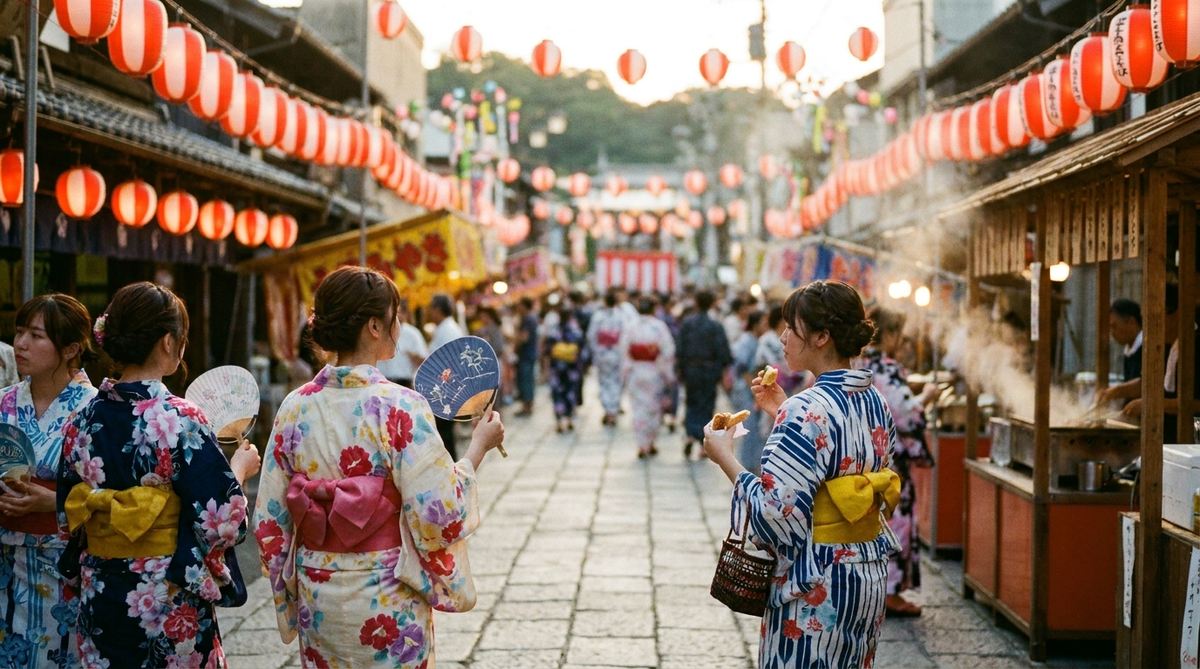
A yukata is Japan's light cotton summer robe, well suited to festivals, fireworks, and a stroll through old Tokyo. You can rent one in Asakusa, Harajuku, or Shibuya from around ¥3,500 (dressing included; hair styling often costs extra), or buy a full set — yukata, obi sash, and geta sandals — from around ¥4,000 and take it home. The one rule to remember: fold the left side over the right. This guide covers where to rent, where to buy, sizes for taller visitors, and how to put one on.
What Is a Yukata? (And How It Differs From a Kimono)
A yukata (浴衣) is the casual summer cousin of the kimono. The word once meant "bath clothing," and today it is the relaxed outfit you see at summer events across Japan.
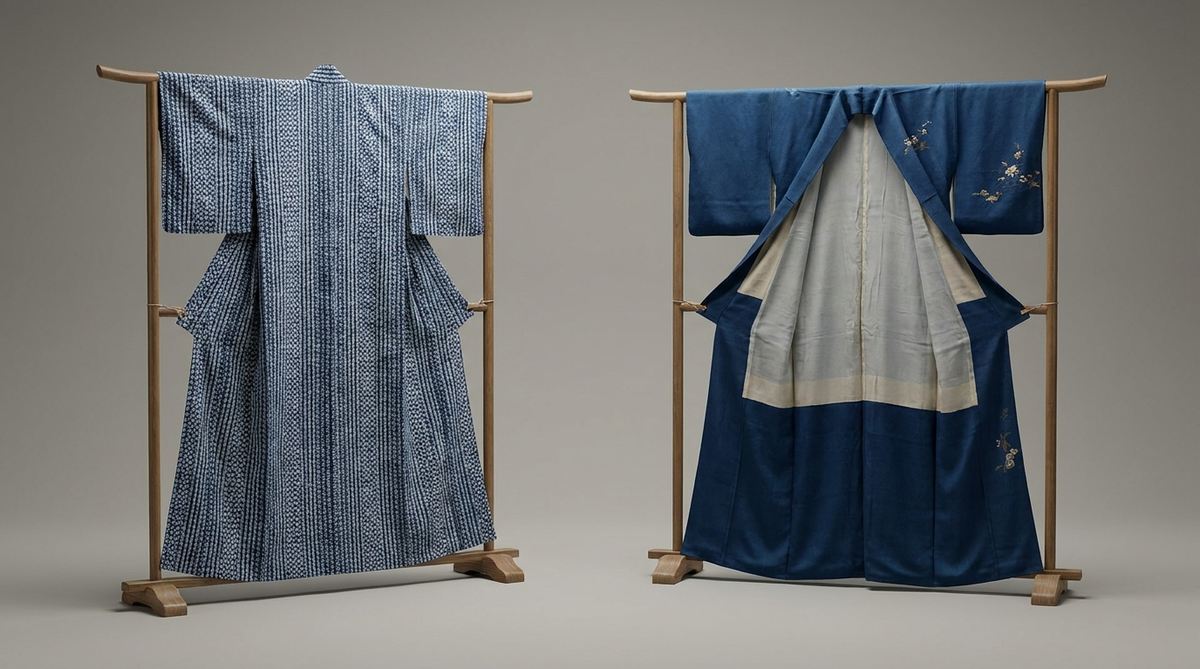
The differences are easy to remember once you see them side by side.
| Yukata | Kimono | |
|---|---|---|
| Fabric | Cotton or linen, single unlined layer | Often silk, frequently lined |
| Season | Summer (roughly June–September) | Year-round |
| Formality | Casual — festivals, fireworks, ryokan | Formal — weddings, ceremonies, tea |
| Obi (sash) | Narrow, simple hanhaba obi | Wider, more elaborate silk obi |
| Socks | None (bare feet in geta) | Often paired with tabi socks |
| Price to own | Roughly ¥4,000–6,000 for a set | Considerably higher |
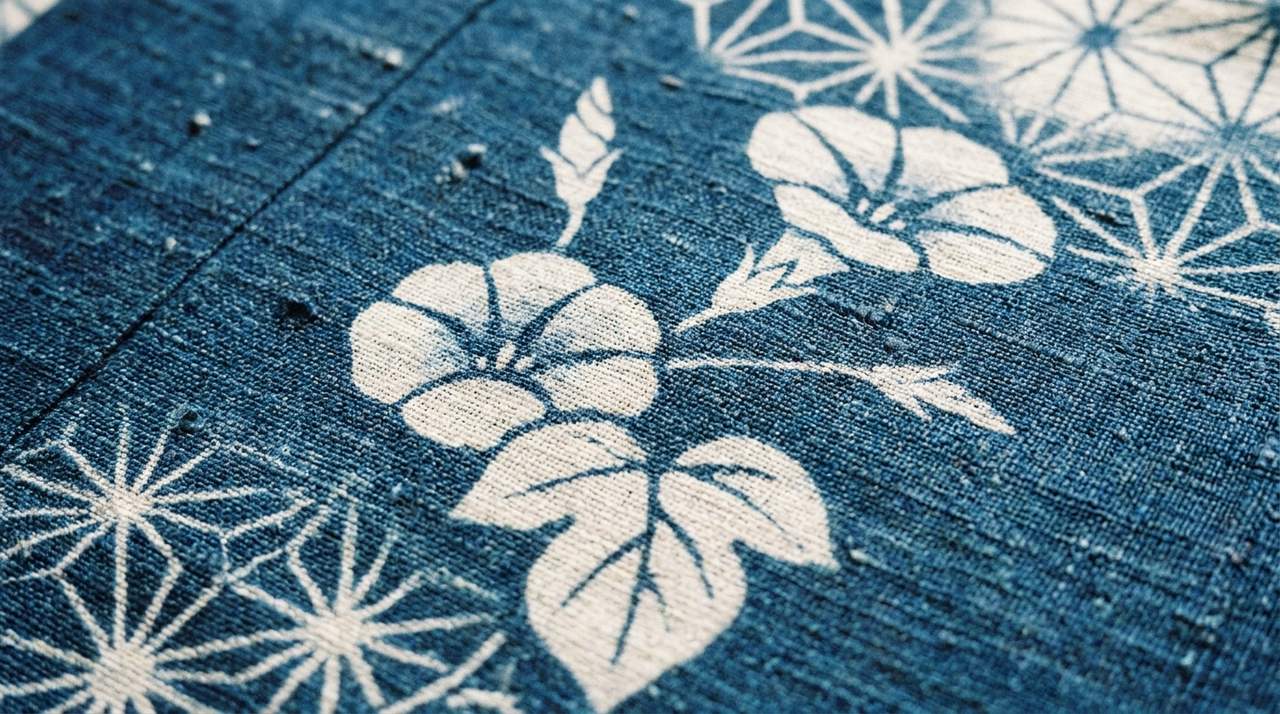
Because a yukata is a single layer of breathable cotton, it is comfortable in Tokyo's humid summer in a way a lined kimono is not. It is also far easier to put on yourself, which is part of why it is a friendly entry point for first-time visitors.
When and Where to Wear a Yukata
Yukata shine in summer. The most common occasions are:
- Summer festivals (matsuri) and bon-odori dances, held across Tokyo from July into August.
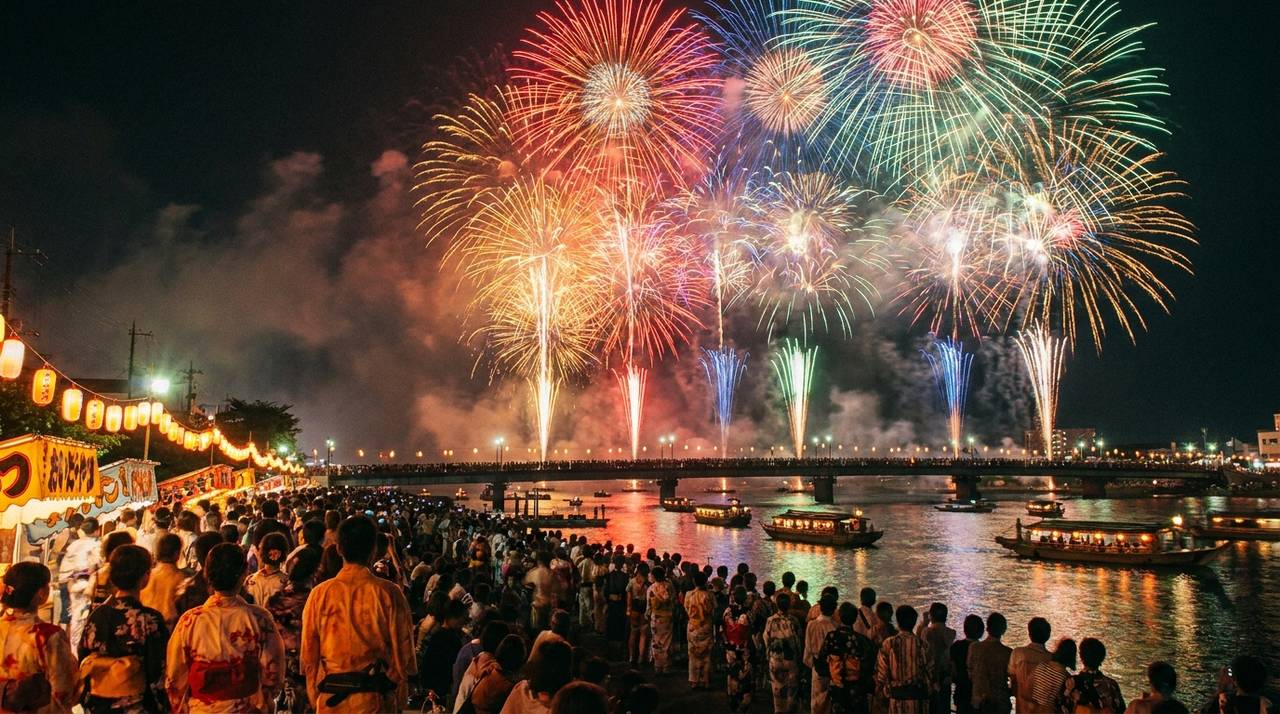
- Fireworks displays (hanabi), where crowds of locals turn out in yukata on warm evenings.
- Ryokan and onsen stays, where a yukata is provided in your room. Inside a ryokan, guests wear it year-round — even walking to the bath in winter.
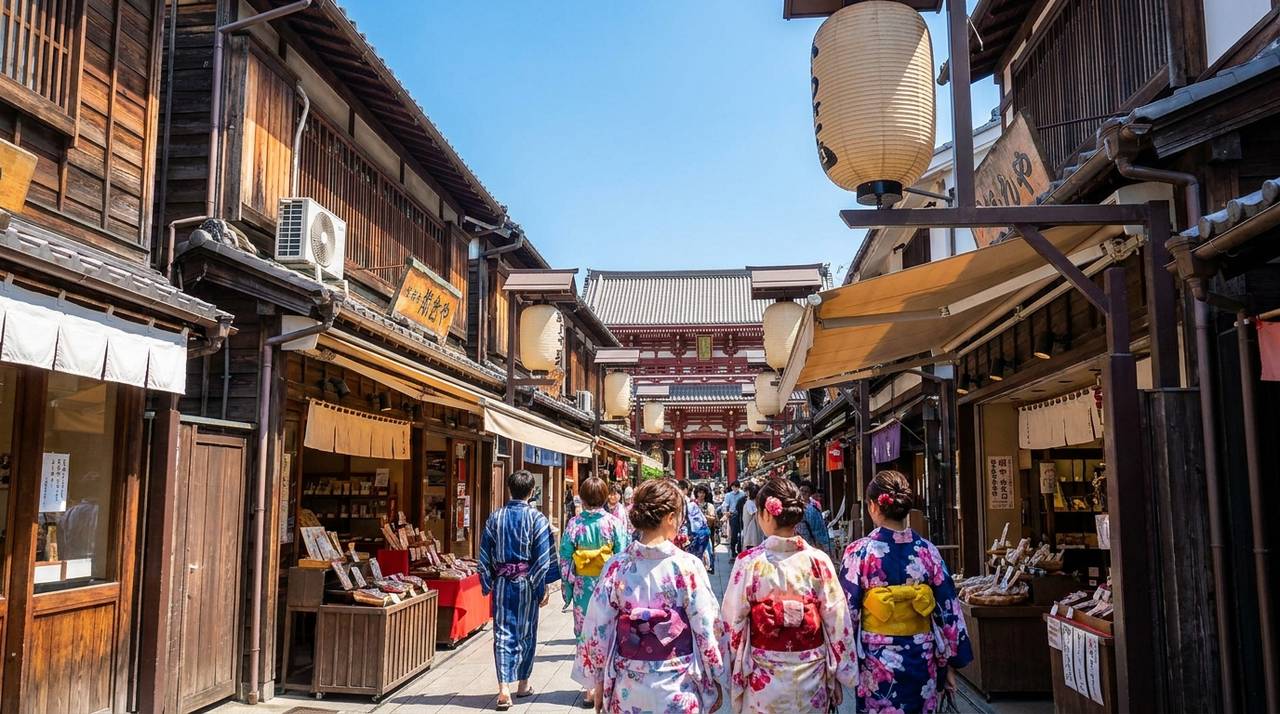
You can also simply wear one for a daytime walk through a traditional district such as Asakusa, which is why so many rental shops cluster near Senso-ji Temple.
Renting a Yukata in Tokyo
For many visitors, renting is the simplest option — no luggage space needed, and the staff dress you properly.
Where to rent
- Asakusa has a dense cluster of rental shops, many within a short walk of Senso-ji Temple. Names you will see include wargo, Miu Kimono, Rikawafuku, and Yae.
- Harajuku and Shibuya also have shops, with some on or near Takeshita Street, handy if you are already in that area.
What it costs
Basic plans commonly start around ¥3,300–3,500, which covers the yukata, the obi, geta, and being dressed by staff. Hair styling is often not included at that base price — plans that add professional hair styling tend to start higher (around ¥5,000 and up), so check what your plan covers when booking. Walk-in rates can run higher than booking online ahead, and couple plans at some shops save roughly ¥1,000–1,500 versus two separate bookings. Prices can vary by day of the week and season.
Sizes for taller and larger visitors
Some Asakusa shops stock men's sizes up to 3L, which can suit heights of around 185–190 cm. That said, Japanese rental sizing tends to run small, and those larger sizes book up early. If you are particularly tall or broad, message the shop in advance to confirm availability.
Return times
Return rules vary by shop. A typical same-day plan asks you to return by early evening — commonly around 5:30–6:00 PM. Some shops offer next-day return (often by mid-afternoon), and a few add a paid convenience-store delivery-return option (fees vary, often roughly ¥2,000–2,750) to drop the set off the next day. Confirm the cutoff when you book so an evening of fireworks does not run past your return time.
Buying a Yukata to Take Home
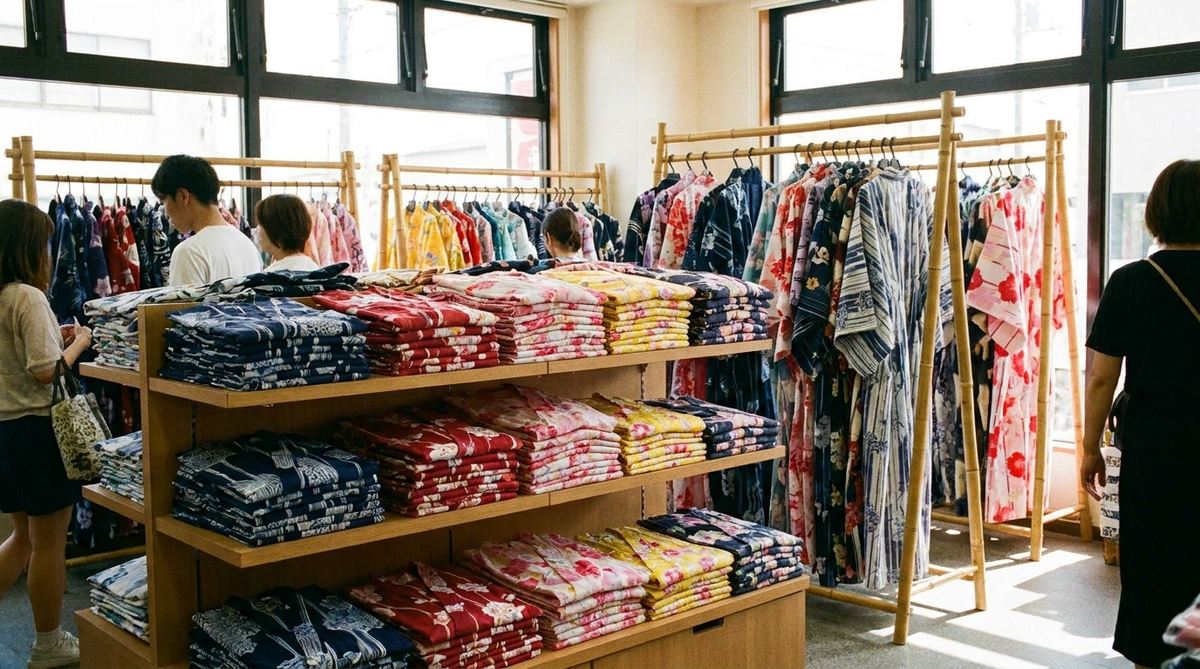
If you would rather keep your yukata as a souvenir, Tokyo makes it easy — and summer is a good time to shop, when stores carry the widest range from June through August.
Budget-friendly new sets
- Don Quijote sells new yukata affordably, often as a set with the obi (and sometimes geta) from roughly ¥4,000–6,000.
- Supermarkets such as Aeon and Ito-Yokado carry seasonal yukata sets; with recent price rises these tend to start around ¥4,000–5,000 rather than the bargain-basement prices of years past.
A note on Uniqlo: its yukata range is seasonal, has been scaled back in recent years, and when it appears, expect the yukata and obi in the set but not the geta. Check their summer catalog in the run-up to June if you want to compare.
Second-hand and specialist shops
For more character at a low price, second-hand stores are a good hunt:
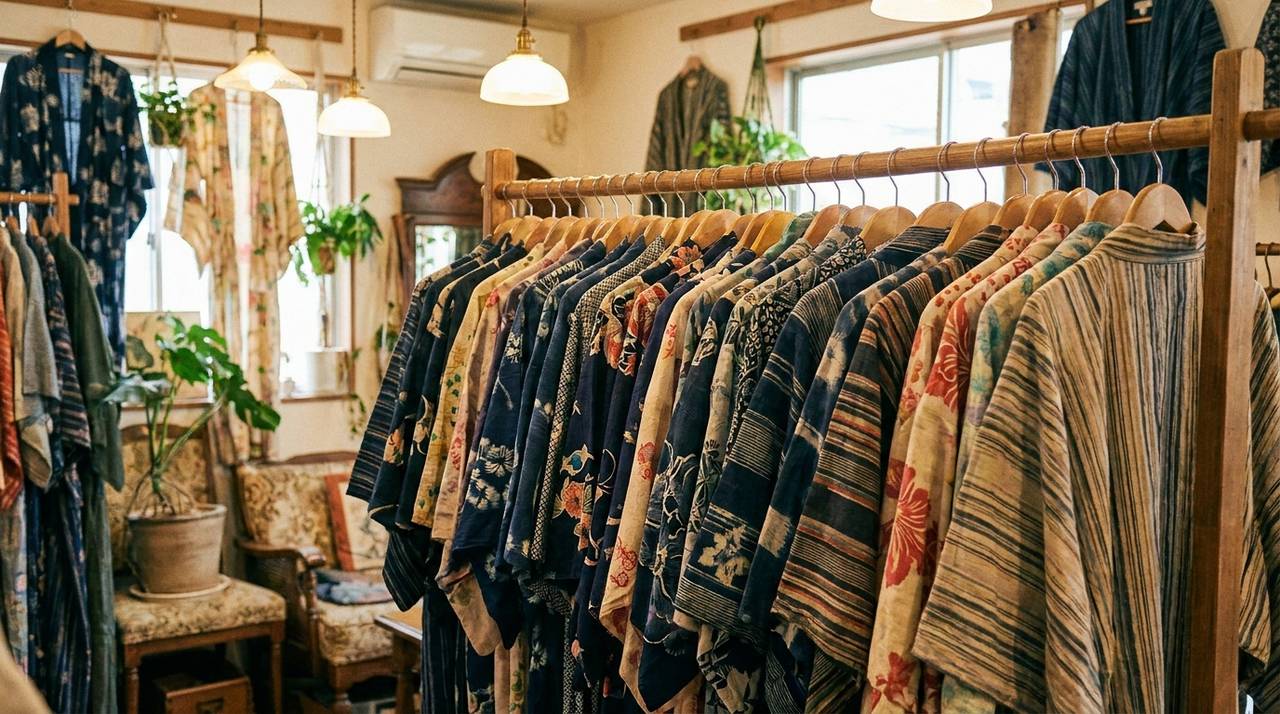
- Chicago has several Tokyo branches, with a notable selection near Meiji-Jingumae Station in Harajuku.
- Mode Off carries affordable used yukata among its general second-hand stock.
- Konjaku Kimono Tatsumi in Asakusa specializes in second-hand kimono and yukata, with a branch on the Nakamise shopping street.
How to Wear a Yukata
The single most important rule, for everyone:
Fold the left side over the right.
The reverse — right over left — is the form used when dressing the deceased, so it is worth getting this right.
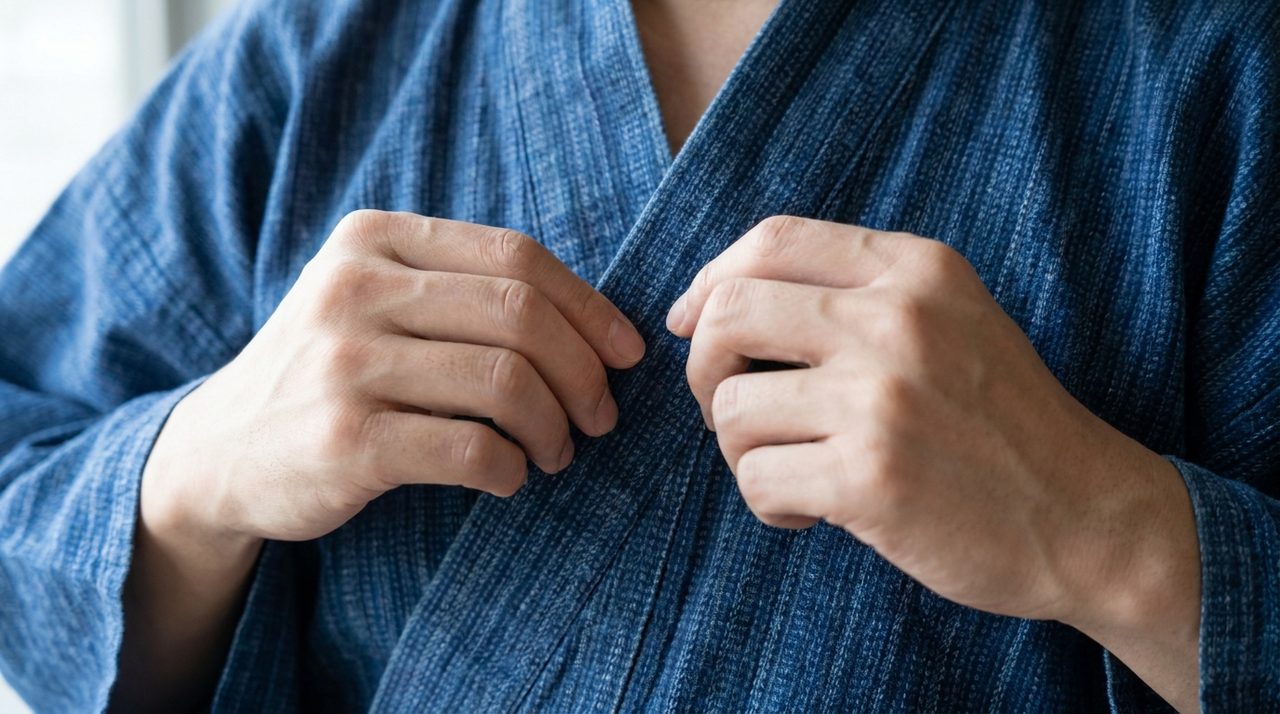
A simple sequence:
- Put your arms through the sleeves and let the yukata hang evenly, with the hem around your ankles.
- Wrap the right side across your body first, toward your left hip.
- Wrap the left side over the top — left over right.
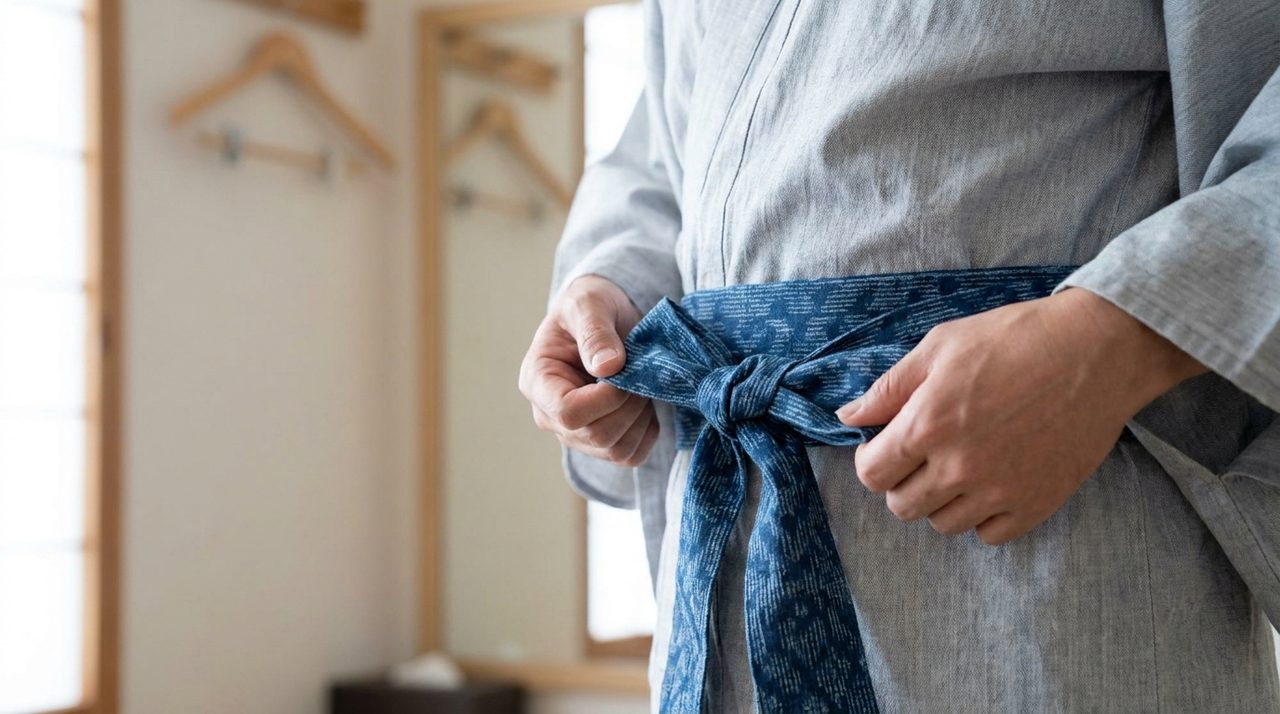
- Hold it closed and wrap the obi around your waist. Women tie it higher at the waist; men tie it lower on the hips.
If you rent, staff handle this for you in a few minutes, which is the simplest way to get a clean, comfortable fit.
Shoes and Accessories
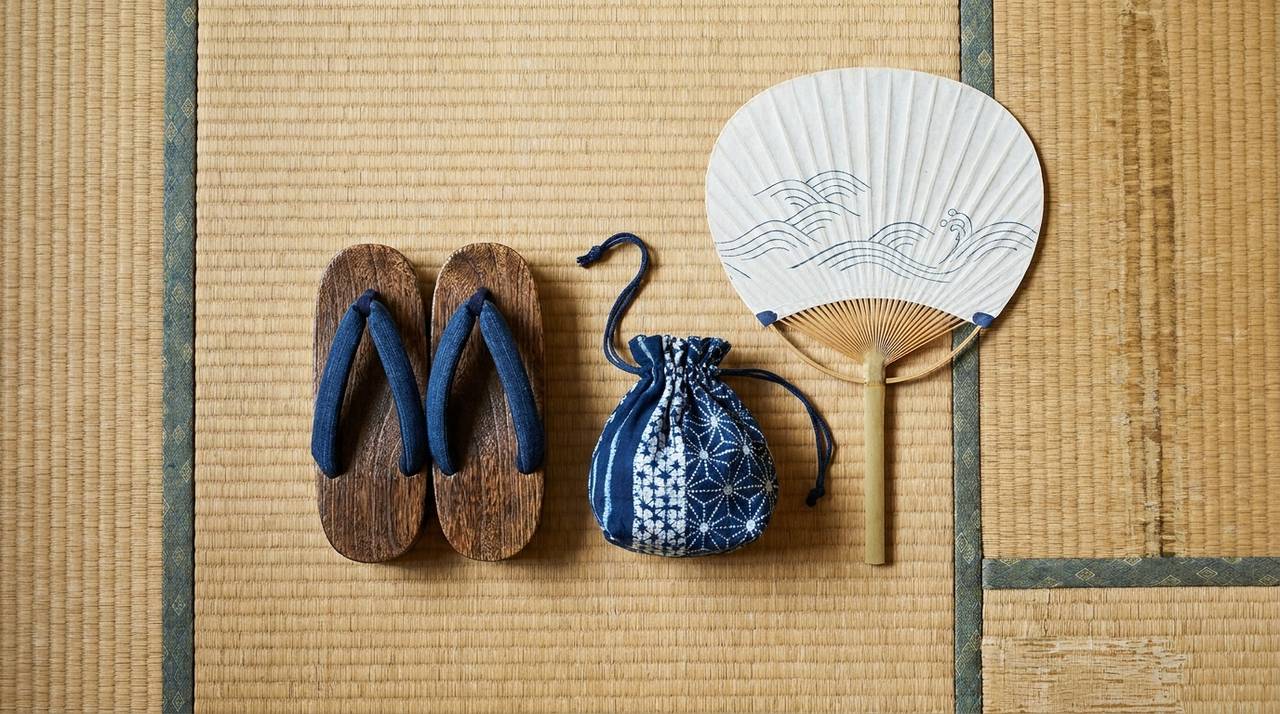
Yukata are worn with geta (wooden sandals) or setta (flat woven sandals), and without the tabi socks you often see with formal kimono. The more formal zori sandals are generally considered too dressy for a yukata.
Beyond that, keep it light:
- A kinchaku — a small drawstring pouch — for your phone, money, and essentials.
- A folding fan (sensu), useful as both an accessory and a way to cool off.
- For women, a simple hair ornament such as a comb, flower, or kanzashi completes the look.
A Few Comfort Tips
Tokyo summers are hot and humid, so a little preparation makes the day far more pleasant:
- Wear the right underlayer. A low-cut (V- or U-neck), moisture-wicking undershirt helps with sweat and keeps lighter, slightly sheer fabrics from showing through.
- Use the restroom before you are dressed. Once you are tied into the obi, a bathroom trip is fiddly — go right before staff dress you.
- Take smaller steps. Walking with a normal stride can make the front flap open; shorter, gentle steps keep the yukata closed and look more natural.
- Tattoos: rental shops are generally fine with them, but if you head on to a ryokan or onsen town afterward, visible tattoos may still need covering.
FAQ
What's the difference between a yukata and a kimono?
A yukata is a single-layer cotton summer robe for casual occasions; a kimono is often heavier and often lined (frequently silk), worn year-round for more formal events. Yukata use a narrow obi and no tabi socks.
How much does it cost to rent a yukata in Tokyo?
Basic plans commonly start around ¥3,300–3,500, covering the yukata, obi, geta, and being dressed by staff. Hair styling is often extra — plans that include it tend to start around ¥5,000. Booking online ahead often beats walk-in rates.
Where can I buy a yukata in Tokyo?
Don Quijote sells new yukata sets from roughly ¥4,000–6,000, and supermarkets like Aeon and Ito-Yokado carry seasonal sets from around ¥4,000–5,000. Second-hand shops such as Chicago and Konjaku Kimono Tatsumi offer cheaper, more characterful options.
Do rental prices include hair styling and accessories?
The obi and geta are normally bundled, and staff dress you. Hair styling is often a separate add-on or a higher plan rather than part of the base price, so confirm what is included when you book.
Are there yukata sizes for tall or larger foreign visitors?
Some shops stock up to 3L, suiting heights around 185–190 cm, but Japanese sizing runs small and large sizes book up early. Message the shop ahead if you are tall or broad.
Which way do I fold a yukata?
Fold the left side over the right. Right over left is reserved for dressing the deceased.
What shoes and accessories go with a yukata?
Geta or setta sandals (no tabi socks), plus light extras like a kinchaku pouch, a folding fan, and a simple hair ornament.
When is yukata season in Japan?
Roughly June to September. Inside a ryokan, however, the provided yukata is worn year-round.
Can men wear yukata too?
Yes. Men's yukata are widely available to rent and buy; men tie the obi lower on the hips.
By what time do I need to return a rental yukata?
Commonly by early evening — around 5:30–6:00 PM — on a same-day plan. Some shops offer next-day return or a paid convenience-store drop-off (often roughly ¥2,000–2,750). Check the cutoff when booking.

Comments