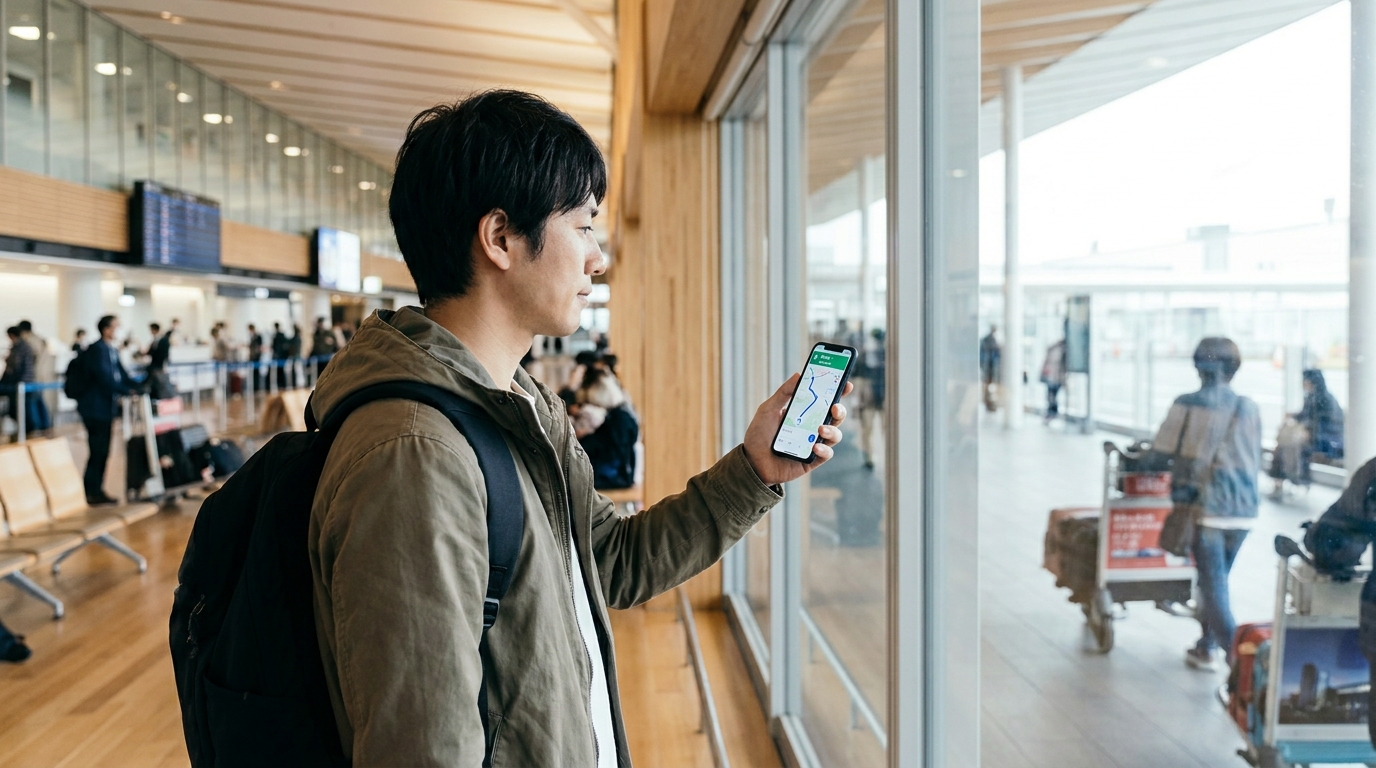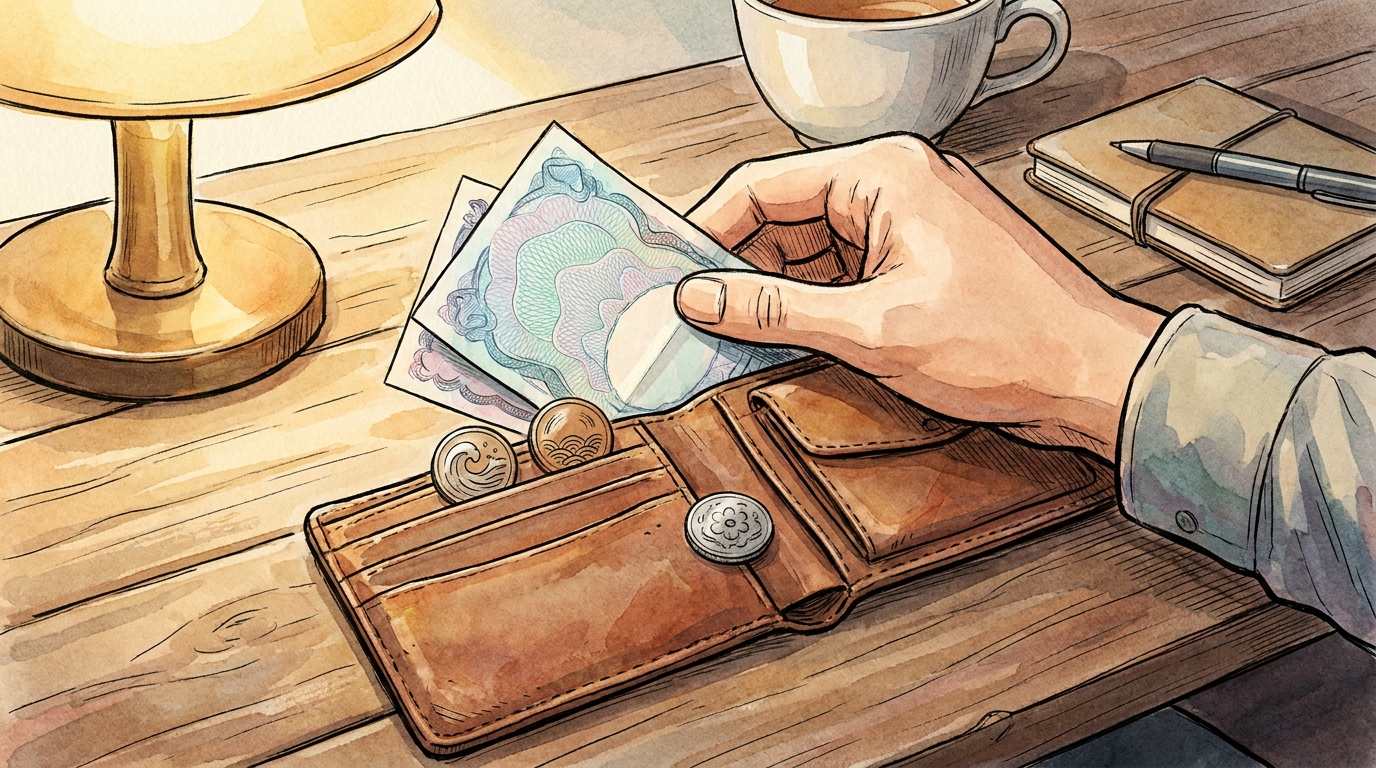
You step out of the arrival hall at Narita, change a few hundred dollars at the exchange counter, and walk out with a neat stack of crisp Japanese bills. One of them is a 10,000-yen note. Twenty minutes later, on the train platform, you try to buy a 160-yen bottle of water from a vending machine. The 10,000-yen note will not even slide into the slot. You try a 1,000-yen bill — and the machine spits it back out, again and again. Behind you, the train doors close.
Almost every traveler arriving in Japan runs into a small version of this scene in the first 24 hours. The cause is rarely the money itself. It is the gap between what is legally valid currency and what a particular machine on the street happens to accept.
This guide explains the bills and coins you will actually be handling in 2026, why some of them get rejected by vending machines and ticket gates, where and how to withdraw yen from foreign cards, and where cash is still genuinely useful in a country that often gets described — sometimes prematurely — as cashless.

Quick Facts
- Japan issued redesigned 1,000, 5,000, and 10,000-yen banknotes on July 3, 2024, featuring 3D holographic portraits — the first major redesign in 20 years (Bank of Japan)
- The Bank of Japan confirms that all banknotes ever issued by the bank — including the older 2004-series notes — remain legal tender alongside the new design
- At the launch in July 2024, around 80 to 90 percent of cash registers and station ticket machines could read the new bills, but only roughly 30 percent of vending machines were ready (Fortune Asia, July 2024)
- The 2,000-yen note was excluded from the 2024 redesign and circulates only at very low volume — about 0.6 percent of all banknotes in circulation as of 2025; it remains visibly more common in Okinawa than on the main islands (Nippon.com, 2025)
- The bicolor 500-yen coin introduced in November 2021 is still rejected by some older vending machines, ticket machines, and bus fare boxes in 2026 (Kyoto Shimbun)
- Seven Bank ATMs at 7-Eleven stores accept Visa, Mastercard, Maestro, Cirrus, American Express, JCB, Discover, and UnionPay, with English menus and 24-hour service in most locations (Seven Bank)
- Foreign-card withdrawal fee in 2026: Seven Bank 110/220 yen (Visa) or 0 yen (many Mastercards), Aeon Bank often 0 yen, Japan Post Bank 220 yen; Lawson Bank fees have varied — always check the on-screen disclosure before withdrawing
- The 1-yen and 5-yen coins are not read by standard vending machine hardware, so they accumulate fast unless you spend them at a register
- Quick Cash Survival Kit (TL;DR for Arrivals)
- Japanese Banknotes: Old vs New (the 2024 Redesign)
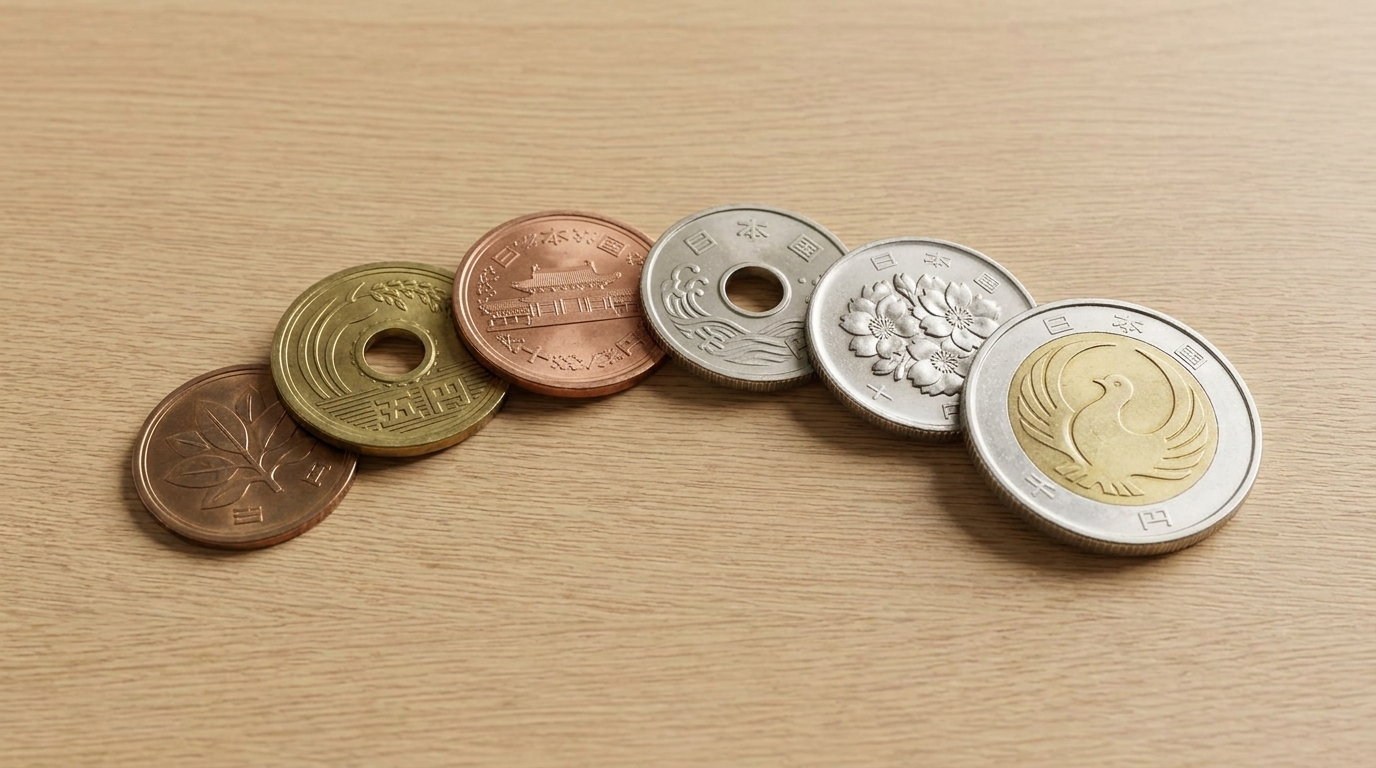
- Japanese Coins: 1, 5, 10, 50, 100, 500 — What Each Is For
- Are Old Banknotes and Coins Still Valid?
- The 2,000-Yen Note: Why You Rarely See It
- Withdrawing Cash with a Foreign Card
- Currency Exchange: Airport vs City vs Konbini ATM — An Honest Comparison
- Tax-Free Shopping: A Big Change Coming November 2026
- Where Cash Still Beats Cards in 2026
- Sample Day: How Cash Actually Flows for a Traveler
- FAQ
- Are old yen banknotes still valid?
- What is the difference between the old and new 1,000-yen note?
- Why does the vending machine reject my new 1,000-yen note?
- Can I use the 2,000-yen note in Japan?
- Where can I exchange yen at the airport?
- What ATMs accept foreign cards in Japan?
- What is the PIN length for Japanese ATMs?
- Should I exchange currency before or after arriving in Japan?
- Can I use credit cards everywhere in Japan?
- How much cash should I carry as a tourist in Japan?
- Related Reading
- Sources
Quick Cash Survival Kit (TL;DR for Arrivals)
If you only remember three things about Japanese cash on the way in from the airport, make them these.
One: 7-Eleven Seven Bank ATM is the safest first stop, and Aeon Bank is often fee-free. Most foreign cards work at Seven Bank ATMs around the clock, and the operator fee is small (often 110 to 220 yen, sometimes 0 yen for Mastercard). Aeon Bank, found in Aeon Mall and MaxValu locations, waives the operator fee for many foreign Mastercard and Visa withdrawals. Always check the on-screen fee before confirming any ATM transaction — Japanese law requires the operator fee to be displayed before you press OK, so you can cancel and walk away if the number looks high. Bank-run airport exchange counters in Japan post rates close to their downtown branches, so changing a small amount at the airport is reasonable too.
Two: both old and new banknotes are valid. The 2004-series notes (Yukichi Fukuzawa on the 10,000, Ichiyo Higuchi on the 5,000, Hideyo Noguchi on the 1,000) and the new 2024-series notes (Eiichi Shibusawa on the 10,000, Umeko Tsuda on the 5,000, Shibasaburo Kitasato on the 1,000) circulate side by side. The Bank of Japan has confirmed that older notes remain legal tender. Shops, restaurants, and trains will take either.
Three: most vending machines and many small ticket machines only accept 1,000-yen notes. Pulling out a 10,000-yen bill at a roadside drink machine almost never works. Break large bills at a konbini first by buying a small item, and keep a few 1,000-yen notes and 100-yen coins in a separate pocket for small machines, shrines, and laundromats.
The rest of this guide goes through the bills, coins, and ATMs in more detail, but those three rules will get you through the first day.
Japanese Banknotes: Old vs New (the 2024 Redesign)
Japan currently has two parallel sets of banknotes in active circulation: the 2004 series and the 2024 series. Both sets are legal tender. You will see both in your wallet within a few days, especially if you receive change from an ATM at one shop and from a small restaurant at another.

The 2004 Series (older but still valid)
- 10,000 yen — Yukichi Fukuzawa, Meiji-era educator and founder of Keio University. Reverse: a phoenix from the Byodo-in temple in Uji.
- 5,000 yen — Ichiyo Higuchi, novelist of the Meiji period and the first woman to feature on a modern Japanese banknote. Reverse: irises from a screen by Ogata Korin.
- 1,000 yen — Hideyo Noguchi, bacteriologist who studied yellow fever. Reverse: Mount Fuji and cherry blossoms.
These notes are still in everyday circulation. ATMs may dispense either old or new notes. Cash registers, restaurants, and trains accept both. There is no plan from the Bank of Japan to demonetize the 2004 series.
The 2024 Series (issued July 3, 2024)
- 10,000 yen — Eiichi Shibusawa, often called “the father of Japanese capitalism” for his role in building modern Japanese industry and finance. Reverse: Tokyo Station’s Marunouchi facade.
- 5,000 yen — Umeko Tsuda, pioneering educator of women in Meiji-era Japan and founder of what is now Tsuda University. Reverse: wisteria flowers.
- 1,000 yen — Shibasaburo Kitasato, physician and bacteriologist who worked on tetanus and bubonic plague research. Reverse: Katsushika Hokusai’s “The Great Wave off Kanagawa.”
The 2024 design’s signature security feature is a 3D holographic portrait. When you tilt the note, a small version of the historical figure on the front appears to rotate, as though the head were turning to follow the angle. The Bank of Japan has described this as a world-first use of moving-portrait hologram technology on circulating banknotes (Holography News, 2024). The notes also include high-definition watermarks, a tactile mark for the visually impaired, and updated micro-printing.

Why the New Notes Still Get Rejected by Machines
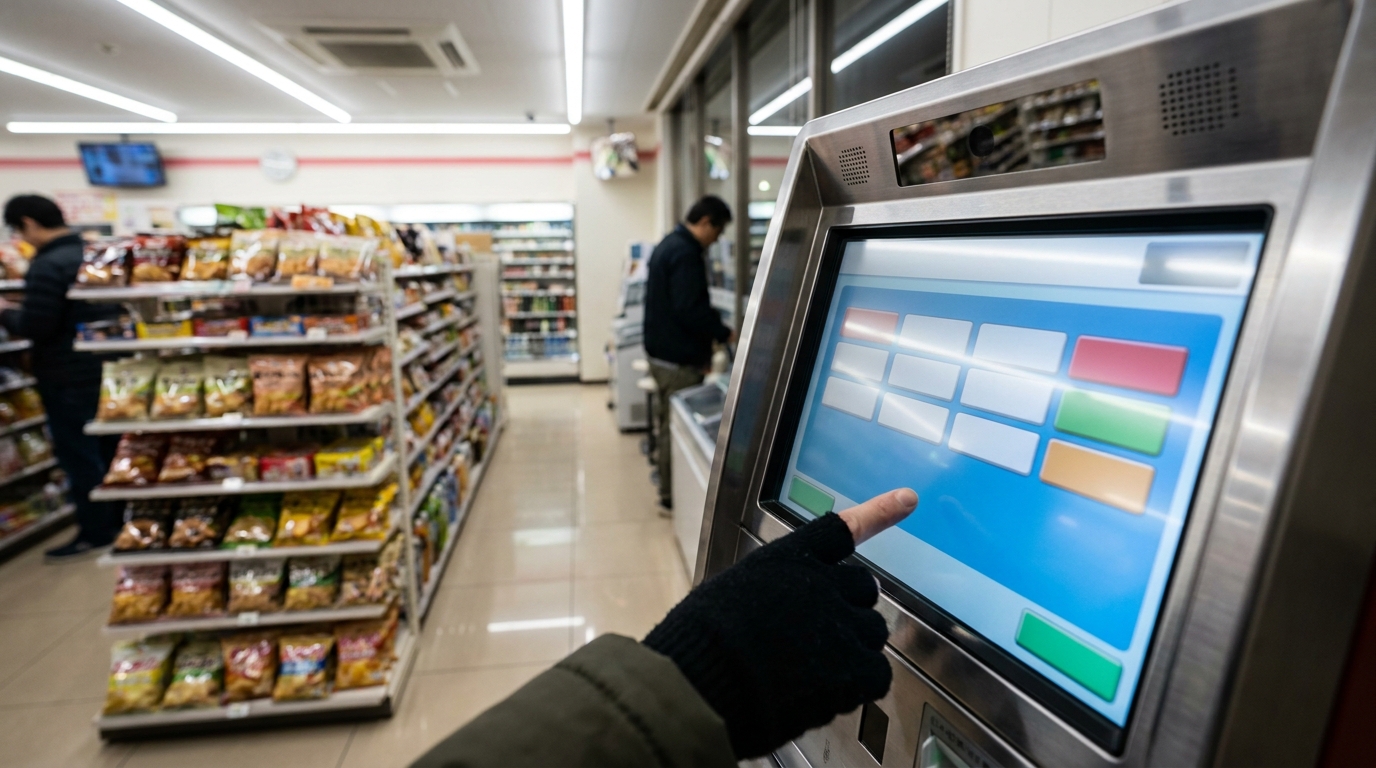
This is the part that confuses travelers most. A note that is brand new, issued by the central bank, and unmistakably legal tender will sometimes come right back out of the slot at a vending machine, a station ticket machine, or even a coin laundry.
The reason is hardware, not law. Bill validators — the small modules inside vending machines that scan the magnetic, optical, and infrared signatures of a banknote — have to be physically updated, or in many cases swapped out, to recognize the 2024 design. According to industry coverage at the time of the launch, replacing a single bill validator costs operators well over 100,000 yen, and the Japan Vending System Manufacturers Association estimated that around 80 percent of vending machines would need upgrades. Roughly 30 percent of vending machines were ready on day one, while cash registers and station ticket machines were closer to 80 to 90 percent ready (Fortune Asia, July 2024).
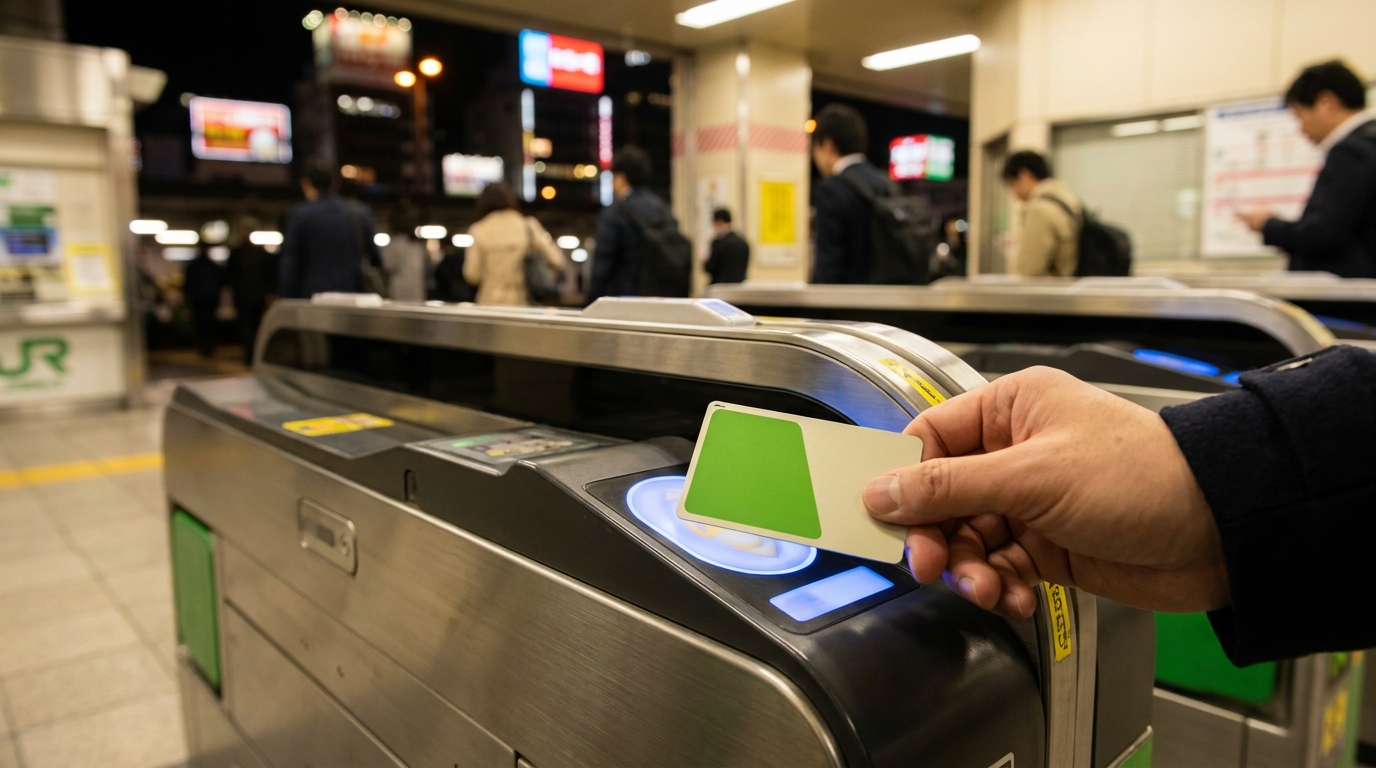
Two years on, the gap has narrowed but not closed. As of early 2026, large operators in central Tokyo, Osaka, and major train stations have largely upgraded. Independent and rural roadside machines — especially older ones owned by individual shop owners — are far slower to convert. If a new 1,000-yen note keeps coming back, the practical fixes are: try an older-design 1,000-yen bill, use coins, or tap an IC card such as Suica or PASMO instead.
The legal status of the cash you are holding does not change in any of these situations. Both designs are valid. The machine simply cannot read what it has not been updated to read.
Japanese Coins: 1, 5, 10, 50, 100, 500 — What Each Is For
Japan uses six coins in everyday circulation. Understanding what each one is actually used for makes carrying a pocket full of change much less mysterious.

| Coin | Material | Common Uses | Vending machines? |
|---|---|---|---|
| 1 yen | Aluminum (very light) | Final-yen rounding at registers; almost no other practical use | No |
| 5 yen | Brass with a hole in the middle | Shrine offerings (5 yen is considered lucky — go-en sounds like the word for “good fortune” or “connection”) | No |
| 10 yen | Bronze | Konbini change; smaller machine purchases at older photocopiers | Yes |
| 50 yen | Cupronickel with a hole | Less common than 10 or 100 yen; appears as change | Yes |
| 100 yen | Cupronickel | The workhorse coin — vending machines, coin laundries, lockers, parking | Yes |
| 500 yen | Bicolor (post-2021) or silver (pre-2021) | Higher-value vending purchases, taxis, larger laundromat loads | Mostly yes; some older machines reject the 2021 bicolor design |
A few practical notes.
The 1-yen and 5-yen coins are not accepted by standard vending machine hardware. They are too light and too small to be reliably distinguished from foreign coins or slugs by the sensors. If you accumulate them — and you will — spend them at a konbini register, where they are accepted normally and counted by the cashier.
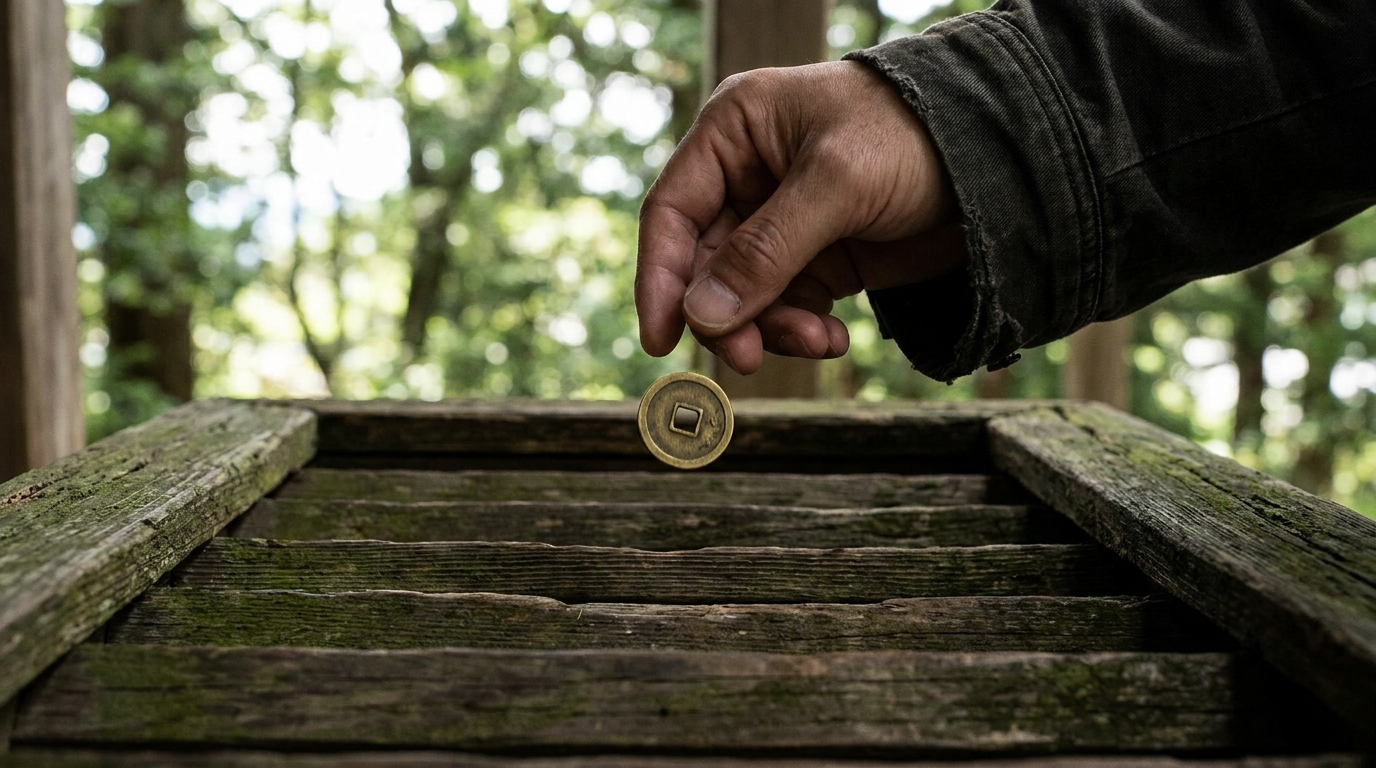
The 5-yen coin has a cultural role most travelers learn at their first shrine visit. Tossing a 5-yen coin into the offering box (saisen-bako) and bowing is a standard gesture; the pun on go-en (good fortune, ties, connection) makes it the conventional choice. Other coins are also accepted, of course, but if a Japanese friend hands you a 5-yen coin before going to a shrine, this is why.
100-yen coins are the most useful single denomination in your pocket. Vending machines, coin lockers, coin laundries, parking meters, and small shrines all run on 100-yen coins. If a machine gives you change, it tends to give it in 100-yen pieces, which is part of why a single 1,000-yen note seems to multiply.
The 2021 Bicolor 500-Yen Coin
Japan’s 500-yen coin was redesigned in November 2021 — the first redesign in 21 years. The new version is “bicolor clad,” with a cupronickel core surrounded by a brass-nickel outer ring, plus micro-engraving and edge marks intended to make counterfeiting harder. The previous, all-silver design (issued from 2000) is still in circulation and still legal tender (Ministry of Finance; Japan Today, 2021).
The catch is that the new coin was rolled out faster than many machines could be updated. As of the years after the launch, a number of vending machines, ticket machines, bus fare boxes, and coin lockers still did not recognize the bicolor coin and rejected it. The Kyoto Shimbun reported that vending machines and bus money changers in Kyoto City had limited compatibility well over a year after the launch, in part because operators did not see enough demand to justify the upgrade cost (Kyoto Shimbun). Buses operated by Keihan in Kyoto even put up stickers warning passengers not to insert the new 500-yen coins.
By 2026, most large urban operators and major transit systems have updated. But on a rural bus, a small laundromat, or a roadside coin locker, you may still hand the coin back. As with the 2024 banknotes, the answer is not that the coin is invalid — it is that the hardware has not been retrofitted. Carry a mix of old and new 500-yen coins where possible, or fall back to 100-yen coins.

Are Old Banknotes and Coins Still Valid?
The short version, for the notes any traveler will actually encounter: yes. The Bank of Japan keeps the 2004 series (Noguchi, Higuchi, Fukuzawa) and the 2024 series (Kitasato, Tsuda, Shibusawa) in joint circulation with no expiration date. The pre-2021 silver 500-yen coin and the 2021 bicolor 500-yen coin are both valid (Bank of Japan, “Can I use all types of banknotes that have been issued to date by the Bank?”).
There is a longer version for completeness. Of the 56 banknote types that the Bank of Japan has issued since 1885, 25 are currently valid as legal tender, and 31 historical types were formally voided by special legislation — most prominently the 1946 emergency conversion that fought post-WWII inflation, and the 1953 voiding of sub-1-yen notes. None of those voided types is anything a 2026 traveler is going to receive as change. The practical takeaway is that anything dispensed by today’s banks, ATMs, or registers is legal tender.
The everyday confusion is that “valid currency” and “accepted by this particular machine” are two different things. A new 1,000-yen note is legal tender that you can hand to any cashier in Japan; it is also a piece of paper with security features that a bill validator on the corner has not been physically updated to read. Both statements are true at once.
If you receive an older note as change and a vending machine rejects it (sometimes the reverse happens — older notes are rejected by the newest machines, which expect specific authentication patterns), you can take it to almost any bank or post office in Japan and exchange it for newer notes free of charge over the counter, with your passport. This is rarely necessary for the 2004 series — most places still accept it without issue — but it is occasionally useful for very old notes you might inherit at a flea market or as souvenir change.
The 2,000-Yen Note: Why You Rarely See It
The 2,000-yen note is the strangest currency story in modern Japan. It exists. It is legal tender. The Bank of Japan still acknowledges it. And in most of the country, you will not see one in months.
The note was issued in July 2000 to commemorate the G8 summit held in Okinawa and the millennium. Its front shows the Shureimon gate of Shuri Castle in Naha, Okinawa, and its back shows a scene from “The Tale of Genji.” Production was halted in fiscal year 2003 (around August 2004), and the Bank of Japan has not printed new 2,000-yen notes since (Bank of Japan; Nippon.com).
As of 2025, only about 100 million 2,000-yen notes remain in circulation — roughly 0.6 percent of all banknotes in circulation by volume (Nippon.com, “Almost Forgotten in Most of Japan, the 2,000 Banknote Thrives in Okinawa,” 2025). The note’s awkward denomination, mid-design rollout, and limited acceptance by vending machines and ATMs combined to make it impractical for daily use almost from the start.
Two practical exceptions are worth knowing.
Okinawa is different. The Shureimon image on the front gives the note local significance, and Okinawan banks, ATMs, and shops circulate it more visibly. Some ATMs in Okinawa even let you specifically request 2,000-yen notes when you withdraw. If you fly directly into Naha, the chance of seeing one is meaningfully higher than in Tokyo.
Vending machines and small ticket machines tend not to recognize it. Updating a bill validator for such a low-volume denomination has rarely been worth the cost to operators. Konbini cash registers and most staffed counters will accept it, but a roadside drink machine almost certainly will not.
The 2024 redesign excluded the 2,000-yen note entirely, which signals that the Bank of Japan does not see it as a denomination worth refreshing. The existing notes remain legal tender, but new ones are not being printed.
For arriving travelers, the practical advice is straightforward. If a currency-exchange counter offers you 2,000-yen notes as part of your stack, ask whether you can substitute them for 1,000s or a 5,000. If you end up with one anyway, spend it at a konbini, a restaurant, or a hotel front desk — anywhere staffed by a person rather than a machine. If it is bothering you, any bank branch will exchange it for current notes, with no fee, against your passport.
Withdrawing Cash with a Foreign Card
This is where most travelers spend the largest amount of mental energy on day one, and it is also the area where the answer is the simplest. The single most reliable method, for almost any foreign card, is a Seven Bank ATM at a 7-Eleven.

Seven Bank (at every 7-Eleven)
Seven Bank operates the ATMs you find inside 7-Eleven stores across Japan, as well as in some Ito-Yokado supermarkets and at major airports and train stations. Per Seven Bank’s own English site for international cards, the network accepts:
- Visa and Plus
- Mastercard, Maestro, and Cirrus
- American Express
- JCB
- Discover
- UnionPay
The interface offers menus in English, Chinese (Simplified and Traditional), Korean, Portuguese, Spanish, Thai, French, German, Indonesian, Tagalog, Vietnamese, and Malay, depending on the machine generation. Most Seven Bank ATMs operate 24 hours, though a handful inside non-24-hour 7-Eleven locations follow the store’s hours.
For overseas-issued cards, the per-transaction withdrawal limit at a Seven Bank ATM is 100,000 yen for IC-chip cards and 30,000 yen for magnetic-stripe-only transactions (Seven Bank). The operator fee depends on your card network: Visa cards are typically charged 110 yen for withdrawals up to 10,000 yen and 220 yen for amounts above that, while Seven Bank waives the operator fee entirely (0 yen) for many foreign Mastercard and Maestro cards. Your home bank will also charge its own foreign-transaction or international-ATM fee on top of Seven Bank’s fee — these vary widely between issuers, so check before you fly.
Japan Post Bank
Japan Post Bank ATMs (called Yucho ATM) are widely available — in post offices, in some FamilyMart stores, and at major stations — and accept Visa, Plus, Mastercard, Maestro, Cirrus, American Express, JCB, Discover, and UnionPay (Japan Post Bank, “International ATM Service”). The English menu is available across the network.
The catch is hours. ATMs at large central post offices often have extended hours but typically close overnight. ATMs at small branch post offices may be unavailable on Sundays, holidays, or after early evening. For a tourist arriving on a late flight, a Japan Post ATM is rarely the right first stop. The standard fee for international cards is 220 yen per withdrawal, with a per-transaction limit of 50,000 yen, plus your home bank’s fees.
Lawson Bank
Lawson Bank ATMs, found inside Lawson convenience stores, accept most major foreign card networks (Visa, Mastercard, JCB, UnionPay, Discover, American Express), are available 24 hours at most Lawson locations, and use English menus. The compatibility profile is broadly similar to Seven Bank.
Operator fees at Lawson Bank ATMs have varied over the past two years and reports of significant fee increases for foreign-card withdrawals have appeared in coverage by Wise and other guides. Because the exact fee structure has been moving, check the on-screen fee disclosure at the moment of withdrawal — Japanese law requires the ATM to display the operator fee before you confirm the transaction. If the fee shown is meaningfully higher than Seven Bank’s typical 110 to 220 yen for Visa, cancel and walk to a Seven Bank or Aeon Bank ATM instead.
Aeon Bank — the fee-friendly alternative
Aeon Bank ATMs, found inside Aeon supermarkets, Aeon Mall complexes, MaxValu stores, and a growing number of Ministop convenience stores, accept Visa, Mastercard, UnionPay, JCB, Discover, Maestro, and Cirrus (Aeon Bank International ATM service). The per-transaction limit is 50,000 yen.
The Aeon Bank advantage in 2026 is the fee. Aeon Bank waives the operator fee (0 yen) for many foreign Mastercard and Visa withdrawals, making it among the most cost-effective konbini-or-mall ATM options. UnionPay cards are typically charged a small fee (around 75 yen). The trade-off is hours: Aeon Bank ATMs follow store hours and most close in the late evening or overnight. They are an excellent fit if your accommodation is near an Aeon Mall or MaxValu, less so if you arrive at midnight in central Tokyo.
A note on PIN length
Japanese ATMs generally expect a 4-digit PIN. If your home card uses a 6-digit or longer PIN, transactions can sometimes fail. Your home bank can usually issue a 4-digit PIN on request, and most travelers do this before departure. Some Seven Bank ATMs accept longer PINs, but the safest baseline is to set a 4-digit PIN before traveling.
Currency Exchange: Airport vs City vs Konbini ATM — An Honest Comparison
Travelers ask, in some order, all of the same questions about exchanging money before or during the trip. The honest answers are less satisfying than the marketing copy from any single provider, because exchange-rate spreads change, the headline interbank rate changes, and individual banks and exchange operators move their fees around.
What follows is the structural comparison — the parts that do not change with the daily rate.
Airport Exchange Counters (Narita, Haneda, Kansai)
The Japanese airport exchange story is different from the airport-rate horror stories travelers hear about elsewhere. Bank-run counters at Narita and Haneda — operated by major Japanese banks such as Mizuho, MUFG, and SMBC, plus international operators like Travelex — generally post rates that are very close to the same banks’ downtown branches, often with spreads of just one to two percent for major currencies like USD and EUR (Narita and Haneda airport official information). This is in part because Japanese banks compete on transparency, and in part because foreign tourists are a major customer segment.
What that means in practice: changing a moderate amount — say, enough for the train into the city, your first day’s food, and a buffer — at a Haneda or Narita bank counter is rarely a serious financial mistake. The bigger risk is changing far too much at any single point and overshooting your real cash needs.
City Exchange Shops (Travelex, Daikokuya, etc.)
Standalone exchange shops in central Tokyo, Shinjuku, Shibuya, and Ginza generally offer better rates than the airport, sometimes meaningfully better. Daikokuya in particular is well known among long-term residents for relatively narrow spreads. Rates posted in the window can be compared at a glance, and there is no obligation to transact — walk in, ask, leave if it is not competitive.
ATM Withdrawal with a Foreign Card
For many travelers, withdrawing from a Seven Bank ATM ends up giving an effective rate that is closer to the interbank rate than either the airport or the average city exchange shop. The arithmetic is roughly: your card network’s interbank rate (Visa, Mastercard, etc.) minus a foreign-transaction fee from your home bank (often 0 to 3 percent) minus Seven Bank’s small ATM fee (110 to 220 yen). Travel-friendly cards with no foreign-transaction fee are particularly strong here.
A specific subcase: using a credit card in cash-advance mode at a konbini ATM produces a rate near the interbank rate but starts charging interest immediately, even if you pay the bill on time. If you use this approach, paying off the cash-advance portion of your statement as soon as it appears keeps interest minimal, but most travelers are better served by a debit card or a multi-currency travel account such as Wise.
Multi-Currency Apps (Wise, Revolut, etc.)
Apps that hold balances in multiple currencies, then let you spend or withdraw at near-interbank rates, are widely used by travelers in Japan. They are not magic — there are still small spreads and ATM fees — but they tend to produce competitive effective rates when used for moderate withdrawals.
A Practical Mental Model
You will never beat the headline rate you see on a financial site, because that is the wholesale interbank rate. Your job as a traveler is just to keep your effective rate close to it. As a rough hierarchy in 2026:
- ATM withdrawal with a low-fee debit or travel card (often closest to interbank)
- Multi-currency app (Wise, Revolut) used for ATM withdrawal or direct spending
- City exchange shop in central Tokyo (Daikokuya etc., narrow spreads)
- Bank-run airport exchange counter (close to downtown branch rates in Japan, very convenient)
- Generic airport currency-only kiosk operated by smaller exchange brands (often the widest spread)
This guide does not list specific exchange-rate numbers because they shift constantly. Check a live rate on a trusted financial site immediately before deciding where to exchange, and compare against the in-window rate at any counter you are considering.
Watch out for the DCC trap (Dynamic Currency Conversion)

Both ATMs and card terminals across Japan now frequently prompt foreign cards with a “Would you like to be charged in your home currency?” screen at the moment of payment or withdrawal. This is Dynamic Currency Conversion, and the rate built into the terminal’s home-currency option typically marks up the interbank rate by 4 to 6 percent on top of any other fees (Wise; Apple Pay travel guides). Always select the local currency option (JPY) and let your card network — Visa, Mastercard, etc. — handle the conversion. The phrasing on the screen varies by terminal; the rule of thumb is “if it offers to charge me in dollars, decline.”
Tax-Free Shopping: A Big Change Coming November 2026

If you are reading this guide for a trip in late 2026 or 2027, the tax-free system is going through its biggest overhaul in years.
Today (April 2026), the rules are familiar: at participating retailers, foreign tourists can spend at least 5,000 yen pre-tax (about 5,500 yen including the 10% consumption tax) on a single transaction and have the tax instantly deducted at the register, against a passport. The goods must leave Japan with you.
From November 1, 2026, Japan switches to a “pay first, refund later” model to combat resale-fraud schemes. Tourists will pay the tax-inclusive price at the register, then claim a refund digitally at airport customs kiosks before departure (Japan Tourism Agency; Ministry of Land, Infrastructure, Transport and Tourism). Two practical implications:
- Carry slightly more cash or available card credit than you would have under the old system, because the tax portion is paid up front and reclaimed later.
- Build extra time into your departure-day schedule for the customs refund kiosk.
A second change effective April 2025 tightened the shipping rules for tax-free purchases: independent overseas shipping by tourists using third-party parcel services and delivery slips is no longer accepted as proof of export for the tax exemption (MLIT). Authorized retailer-direct shipping arrangements remain possible at participating stores, but the casual “ship it home from a parcel counter” workaround is gone. Confirm at the register if you intend to ship a large purchase rather than carry it.
Where Cash Still Beats Cards in 2026
Japan is often described as cashless, and parts of it now genuinely are: chain restaurants, supermarkets, taxis in central Tokyo, large department stores, and most konbini accept tap-to-pay and IC cards smoothly. But there is still a meaningful list of situations where cash is the only practical option, or simply the easiest one.

- Shrines and temples. Offering boxes (saisen-bako), small omamori amulet stalls, and ticket counters at smaller temples typically take cash only. Five-yen and 100-yen coins are the standard offerings.
- Smaller restaurants and ramen shops. Many family-run ramen, soba, and yakitori counters still operate cash-only — or accept cards but prefer cash. Some use ticket vending machines at the entrance (you buy a meal ticket from the machine, hand it to the chef), and these machines often only take 1,000-yen notes and coins.
- Taxis outside major cities. Taxis in Tokyo and Osaka largely accept credit cards and IC cards. Taxis in regional cities and rural areas are mixed; many still expect cash. If the taxi you flagged at a rural train station does not have a card terminal, that is normal.
- Festival stalls and street food (yatai). Outdoor festival vendors selling takoyaki, yakisoba, kakigori, and other festival foods are a cash-only environment. Bring 100-yen and 500-yen coins.
- Vending machines. Even in 2026, the majority of roadside drink machines outside city centers accept only cash (and IC cards if you carry one). See our Vending Machines in Japan guide for full details.
- Coin lockers and coin laundries. Most coin lockers run on 100-yen and 500-yen coins, though IC card lockers are increasingly common in major stations. Coin laundries in residential neighborhoods are almost entirely 100-yen coin operated.
- Public bathhouses (sento) and small onsen. The classic neighborhood sento is a cash environment. Even some larger onsen outside cities take cash only at the entry desk.
A reasonable rule of thumb is to keep the equivalent of about 10,000 to 20,000 yen in cash on hand for the day, in a mix of 1,000-yen notes and 100-yen coins, and to use cards or IC for everything else.
Sample Day: How Cash Actually Flows for a Traveler
To make the abstract concrete, here is a representative shape of cash use for a typical Airbnb-staying traveler on day two of a trip.
Morning. You walk to the konbini for an onigiri and a coffee — paid with IC card (Suica). On the way out, you withdraw 20,000 yen at the Seven Bank ATM. You receive twenty 1,000-yen notes (some old, some new), or possibly one 10,000-yen note plus ten 1,000s, depending on the machine.
Mid-morning. A small ramen shop with a ticket machine at the entrance. The machine takes 1,000-yen notes and coins. You insert 1,000 yen, push the button for shoyu ramen (¥850), get a meal ticket and ¥150 in coins as change.

Afternoon. A shrine visit. You drop a 5-yen coin in the offering box and ring the bell. You buy a wooden omikuji fortune slip for 200 yen (cash only) at the small staffed counter.
Evening. Dinner at a casual izakaya in Shinjuku. The restaurant accepts cards. You pay with a Visa card, no problem.
Late night. You stop at a roadside vending machine on the way back to the rental for a bottle of barley tea. The machine takes only cash and IC cards. The new 1,000-yen note in your wallet gets rejected; you tap your Suica instead and the machine releases the bottle.
That mix — IC card for konbini and trains, cash for the ramen ticket machine and the shrine, card for the larger restaurant, cash or IC as the fallback at the vending machine — is roughly the rhythm most travelers settle into within a couple of days.
FAQ
Are old yen banknotes still valid?
Yes. The Bank of Japan confirms that all banknotes ever issued by the bank — including the 2004 series featuring Yukichi Fukuzawa, Ichiyo Higuchi, and Hideyo Noguchi — remain legal tender alongside the 2024 redesign. Shops, restaurants, transit systems, and banks accept both. There is no announced plan to demonetize the older notes.
What is the difference between the old and new 1,000-yen note?
The 2004-series 1,000-yen note features Hideyo Noguchi, a bacteriologist, and Mount Fuji on the back. The 2024-series 1,000-yen note features Shibasaburo Kitasato, a pioneer of bacteriology, and Hokusai’s “Great Wave off Kanagawa” on the back. The new note also includes a 3D holographic portrait that appears to rotate when the note is tilted, plus updated watermarks and tactile marks. Both designs are valid currency.
Why does the vending machine reject my new 1,000-yen note?
Because the bill validator inside that particular machine has not been updated to read the 2024 design. At the launch in July 2024, only about 30 percent of vending machines could accept the new bills, against 80 to 90 percent of cash registers and station ticket machines. As of 2026, large urban operators have largely upgraded, but many independent and rural roadside machines have not. The note itself is fully valid — it is the hardware that has not been retrofitted. Try an older 1,000-yen bill, use coins, or tap an IC card.
Can I use the 2,000-yen note in Japan?
You can use it at staffed counters — konbini, restaurants, hotels, banks — but most vending machines, ticket machines, and ATMs do not recognize it. Only about 0.6 percent of banknotes in circulation are 2,000-yen notes as of 2025, and the denomination was excluded from the 2024 redesign. The note is more visibly used in Okinawa than on the main islands. If you receive one and prefer not to keep it, exchange it free of charge at any Japanese bank with your passport.
Where can I exchange yen at the airport?
Narita, Haneda, and Kansai International all have multiple currency exchange counters in the arrival halls and in the airport-station areas. They are convenient but typically offer the widest spread between their buy and sell rates, which means a less favorable effective rate than ATMs or central-city exchange shops. A common compromise is to exchange a small amount at the airport for transport and a first meal, then withdraw the rest from a Seven Bank ATM in the city.
What ATMs accept foreign cards in Japan?
The most reliable option for foreign cards is a Seven Bank ATM, found inside every 7-Eleven and at many major stations and airports. Seven Bank accepts Visa, Plus, Mastercard, Maestro, Cirrus, American Express, JCB, Discover, and UnionPay, with English menus and 24-hour service in most locations. Japan Post Bank ATMs and Lawson Bank ATMs also accept most foreign cards but with more limited hours; Aeon Bank has somewhat narrower compatibility. For first-time visitors, Seven Bank is the safest default.
What is the PIN length for Japanese ATMs?
Japanese ATMs generally expect a 4-digit PIN. If your card uses a 6-digit or longer PIN, transactions can fail, particularly on older machines. Most home banks will issue or reset to a 4-digit PIN on request before you travel. Some newer Seven Bank ATMs handle longer PINs, but a 4-digit PIN is the most reliable baseline.
Should I exchange currency before or after arriving in Japan?
For most travelers, withdrawing from a Seven Bank ATM after arrival ends up producing a more competitive effective rate than buying yen from a bank or exchange counter at home. There are exceptions — banks in some countries offer narrow spreads for major currencies — but the general guidance is to bring a small reserve of yen for emergencies and rely on ATM withdrawals or card spending in Japan. Exchange rates change daily; check a live source close to the trip rather than relying on guidance from previous years.
Can I use credit cards everywhere in Japan?
Increasingly yes, but with gaps. Major chain restaurants, hotels, supermarkets, department stores, taxis in big cities, and most konbini accept Visa, Mastercard, JCB, and American Express. Smaller family-run restaurants, festival stalls, shrines, neighborhood bathhouses, many vending machines, and some coin lockers remain cash or IC-card only. A workable mix is a credit card for larger purchases, an IC card (Suica, PASMO, ICOCA) for small daily transactions and transit, and 10,000 to 20,000 yen in cash for the cash-only situations.
How much cash should I carry as a tourist in Japan?
A common rule of thumb is to keep around 10,000 to 20,000 yen in cash for the day, in a mix of 1,000-yen notes and 100-yen coins, and to top up from a Seven Bank ATM as you spend it. That covers shrines, vending machines, ramen shops with ticket machines, festival stalls, and small taxis. If your itinerary includes a multi-day rural trip — for example, hiking in Kumano or visiting onsen towns — increase the buffer, because card acceptance thins out quickly outside city centers.
Related Reading
- Vending Machines in Japan: A Complete Guide for Tourists (2026) — why the new 1,000-yen note often gets rejected, and how to use coins and IC cards instead
- Japanese Konbini Guide: What You Can Actually Do at a Convenience Store in Japan (2026) — Seven Bank ATM access, ticket machines, and bill-breaking strategies
- Suica, PASMO & Welcome Suica Guide — IC cards as a backup when machines reject your cash
- JR Pass Complete Guide 2026: Prices, Routes & How to Buy — Cash and card use when picking up the pass and topping up coins for buses, lockers and short rides
- Shinkansen Complete Guide 2026: Routes, Speeds, JR Pass and How to Book — Where cash still matters at staffed Midori-no-Madoguchi counters even in a card-friendly system
Sources
- Bank of Japan, “Can I use all types of banknotes that have been issued to date by the Bank?” (banknote validity FAQ)
- Bank of Japan, “Information on the New Japanese Banknotes,” July 2024
- National Printing Bureau of Japan (Kokuritsu Insatsu Kyoku), 2024 banknote series introduction page
- Ministry of Finance Japan, “Issuance Schedule for the New 500-yen Coin,” April 2021
- Seven Bank, “ATM for withdrawing Japanese yen with foreign-issued cards” (English)
- Japan Post Bank, “International ATM Service” (English)
- “Japan rolls out new banknotes for the first time since 2004, but only 30% of the country’s many vending machines can accept them,” Fortune Asia, July 2024
- “What you need to know about Japan’s new banknotes,” The Japan Times, July 2024
- “Japan Begins New Journey with Hologram Banknotes,” Holography News, 2024
- “Almost Forgotten in Most of Japan, the 2,000 Banknote Thrives in Okinawa,” Nippon.com, 2025
- “Why new 500-yen coins cannot be used in vending machines : nor for some buses or parking lots,” Kyoto Shimbun
- “Japan issues new 500-yen coins for 1st time in 21 years,” Japan Today, 2021
- “ATMs in Japan,” japan-guide.com (reference summary)
- “Using ATMs in Japan: full guide,” Wise (rate-comparison reference)
- Wikipedia, “2000 yen note” and “Banknotes of the Japanese yen” (cross-reference for circulation figures)


Comments