Last checked: August 18, 2026 (JST). Recheck the exact official page before leaving because hours, menus, prices, booking availability and payment rules can change.
- Quick Answer
- Solve the Failure First: 30-Second Selector
- Before You Leave: Six Checks
- Verified Price and Time Anchors
- Six Matcha Routes With Arrival and Abort Rules
- 1. Ippodo Aoyama: Serious First Tea With a Same-Place Plan B
- 2. Ippodo Isetan Shinjuku: Fast Takeaway, Not a Seated Ceremony
- 3. Nakajima no Ochaya: Add Matcha to Hamarikyu, Not Hamarikyu to Matcha
- 4. Sakurai Japanese Tea Experience: Quiet Tea Bar With Dynamic Terms
- 5. Nanaya Aoyama: Dessert Route, With Hours and Payment Rechecked
- 6. Jidaiya Asakusa: Booked English Tea Ceremony
- What to Order Without Guessing
- Dietary, Allergy and Etiquette Stop Rules
- Concrete Plan B by Area
- Your One Next Action
- FAQ
- About the Author
- Official Sources Checked for This Guide
Quick Answer
Choose the matcha experience before you choose the shop. For plain tea and guidance, use Ippodo Aoyama. For a fast Shinjuku stop, use Ippodo Isetan takeaway. For a garden break, use Nakajima no Ochaya inside Hamarikyu. For a booked cultural experience in English, use Jidaiya. Use Sakurai only when its current reservation terms fit a quiet tea-bar visit, and use Nanaya when dessert—not tea ceremony—is the goal.
- Before leaving: save the official page, map and one low-pressure Plan B.
- At the place: confirm the format, current price, payment and dietary answer before ordering.
- Abort early: leave or switch format if the booking, line, fragrance rule, time limit, payment or allergy answer does not fit.
Solve the Failure First: 30-Second Selector
| Your main risk | Use this route | Do not use it when |
|---|---|---|
| You do not know whether you want tea or dessert | Start with usucha and one sweet at a tea-focused stop | You mainly want a cold, sweet snack; choose gelato instead |
| You have less than 30 minutes in Shinjuku | Ippodo Isetan Shinjuku takeaway | You need seats or a tea-ceremony explanation |
| You need a predictable seated tea stop | Reserve Ippodo Aoyama and keep its takeaway as Plan B | Cashless payment or fragrance restrictions do not work for you |
| You want a garden memory without a ceremony | Nakajima no Ochaya during a Hamarikyu visit | The garden itself is not already worth the trip |
| You want a structured English tea ceremony | Arrange Jidaiya in advance | You are under the age rule, cannot fit the time, or need unconfirmed accessibility |
| You have a strict allergy, vegan or halal requirement | Contact the exact provider before travel | The provider cannot confirm ingredients and cross-contact for the exact order |
Before You Leave: Six Checks
- Choose one format: plain tea, latte, sweet, garden stop, workshop or ceremony.
- Open the live official page: do not plan from an old list or search snippet.
- Separate the money: menu price, workshop price, garden admission and reservation/cancellation conditions are different costs.
- Confirm payment: Ippodo Aoyama is cashless; other pages do not all publish a complete payment list.
- Confirm dietary and seating needs: ask about the exact drink, sweet, cross-contact and chair/tatami arrangement.
- Save three links: official page, map and the Plan B you will use if the stop fails.
If any essential condition is unresolved, keep the matcha stop optional rather than building the day around it.
Verified Price and Time Anchors
| Option | Verified current anchor | What remains unknown |
|---|---|---|
| Ippodo Aoyama tearoom | 10:00–18:00, last order 17:30; Monday closed; 21 seats | Check the live menu for the ordinary bowl-and-sweet total |
| Ippodo Aoyama mini workshop | JPY 3,850, about 30 minutes, Tuesday–Friday, 1–4 orders | Availability for your date |
| Ippodo Isetan Shinjuku takeaway | Matcha Meimukashi JPY 864; 10:00–20:00, takeaway last order 19:00 | Same-day stock and line |
| Hamarikyu Nakajima no Ochaya | 9:00–16:45, last order 16:30; closed over year-end/New Year | Current menu price and garden admission for your visit |
| Jidaiya tea ceremony | 30–50 minutes; JPY 11,000 for one, JPY 5,500 each for two or more | Your requested date, cancellation terms and final venue arrangement |
| Sakurai / Nanaya | Official pages confirm the Aoyama locations and tea or matcha-dessert role | Recheck the live menu, booking, price and payment before travel |
Unknown stays unknown. A price shown for a workshop or ceremony is not a general cafe budget.
Six Matcha Routes With Arrival and Abort Rules
1. Ippodo Aoyama: Serious First Tea With a Same-Place Plan B
The official store page lists a sales floor, 21-seat tearoom and takeaway at Minami-Aoyama 4-23-6, about eight minutes from Omotesando A5. Store and tearoom hours are 10:00–18:00, with tearoom last order at 17:30; Monday is the regular closing day.
- Before leaving: open the official store page, reserve through TableCheck when timing matters, and save the map.
- On arrival: choose plain tea and a sweet when you want tea flavour; choose takeaway when the seat wait does not fit.
- Abort: do not enter if cashless payment is a problem. Contact the store if more than 15 minutes late because the official terms allow cancellation when staff cannot reach you.
- Plan B: use takeaway at the same store instead of crossing Tokyo for another tearoom.
The official page asks guests to avoid strong perfume, hand cream and scented fabric products in the tearoom. It lists cards, transport IC and smartphone payments and says cash is not accepted.
2. Ippodo Isetan Shinjuku: Fast Takeaway, Not a Seated Ceremony
The official page places the Tea Stand on B1F of the Isetan Shinjuku main building. It lists 10:00–20:00 hours, takeaway last order at 19:00 and matcha Meimukashi at JPY 864.
- Before leaving: check the official store page and save the map.
- On arrival: ask for the current takeaway menu and pair one cup with one sweet only if that is the experience you want.
- Abort: leave if the line threatens a train or timed booking; this stop is useful because it is easy to skip.
- Plan B: buy clearly labelled packaged tea or sweets in the department store and continue the original Shinjuku plan.
3. Nakajima no Ochaya: Add Matcha to Hamarikyu, Not Hamarikyu to Matcha
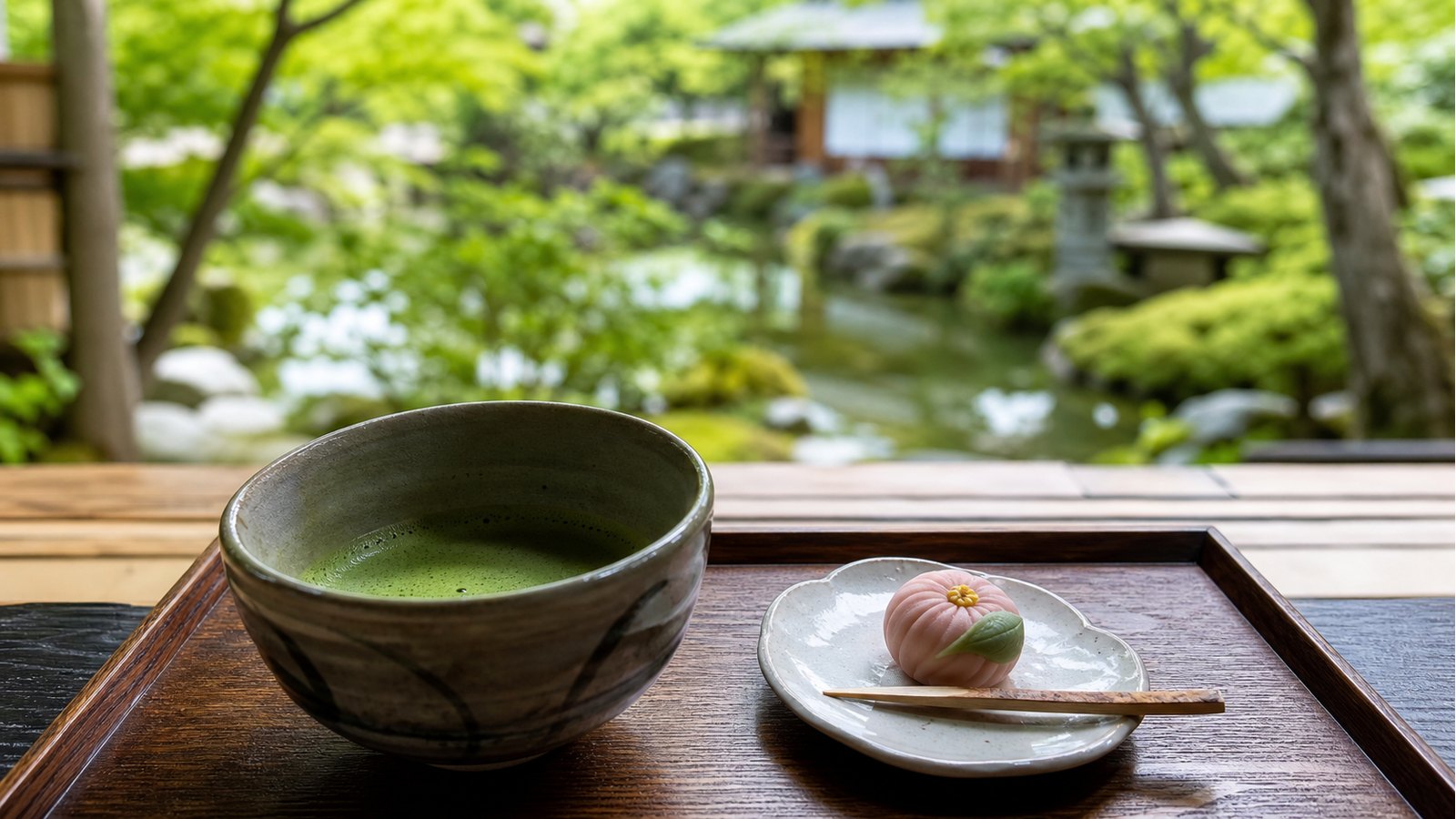
Tokyo Metropolitan Park Association lists Nakajima no Ochaya inside Hamarikyu Gardens, open 9:00–16:45 with last order at 16:30 and a year-end/New Year closure period.
- Before leaving: check the official facility page and the garden’s same-day status.
- On arrival: treat tea as one stop inside a garden visit; garden admission is separate from anything ordered.
- Abort: do not enter the garden solely for tea if the garden itself is not part of your day.
- Plan B: enjoy the garden without the teahouse and keep the original Shiodome, Ginza or Tsukiji route.
4. Sakurai Japanese Tea Experience: Quiet Tea Bar With Dynamic Terms
The official access page lists Spiral 5F, Minami-Aoyama 5-6-23, and general hours from 11:00 to 20:00, with the tea room open until 23:00 on weekdays. The linked reservation flow is dynamic, so its current seat, time, order and cancellation terms must be read again before booking.
- Before leaving: open the official access page, then follow its current reservation link and save the map.
- On arrival: ask for guidance if you want to compare Japanese teas rather than ordering by colour or sweetness.
- Abort: do not rely on an old screenshot of reservation rules. Leave if the current minimum, time or payment terms do not fit.
- Plan B: if Ippodo Aoyama is open and its official page fits your route, use its takeaway; otherwise continue the Aoyama walk.
5. Nanaya Aoyama: Dessert Route, With Hours and Payment Rechecked
Nanaya’s official site lists an Aoyama branch and matcha gelato, chocolate, baked sweets and tea products. The accessible store directory did not provide a complete current hours and payment block during this check, so those details stay unknown here.
- Before leaving: open the official store directory, confirm the Aoyama branch, and save the map.
- On arrival: choose gelato or a sweet because you want dessert, not because you expect a tea lesson.
- Abort: leave if the line, sold-out flavour, payment or allergy answer does not work.
- Plan B: switch to a clearly labelled packaged product or continue the Shibuya–Aoyama walk; do not chase a second dessert queue.
6. Jidaiya Asakusa: Booked English Tea Ceremony
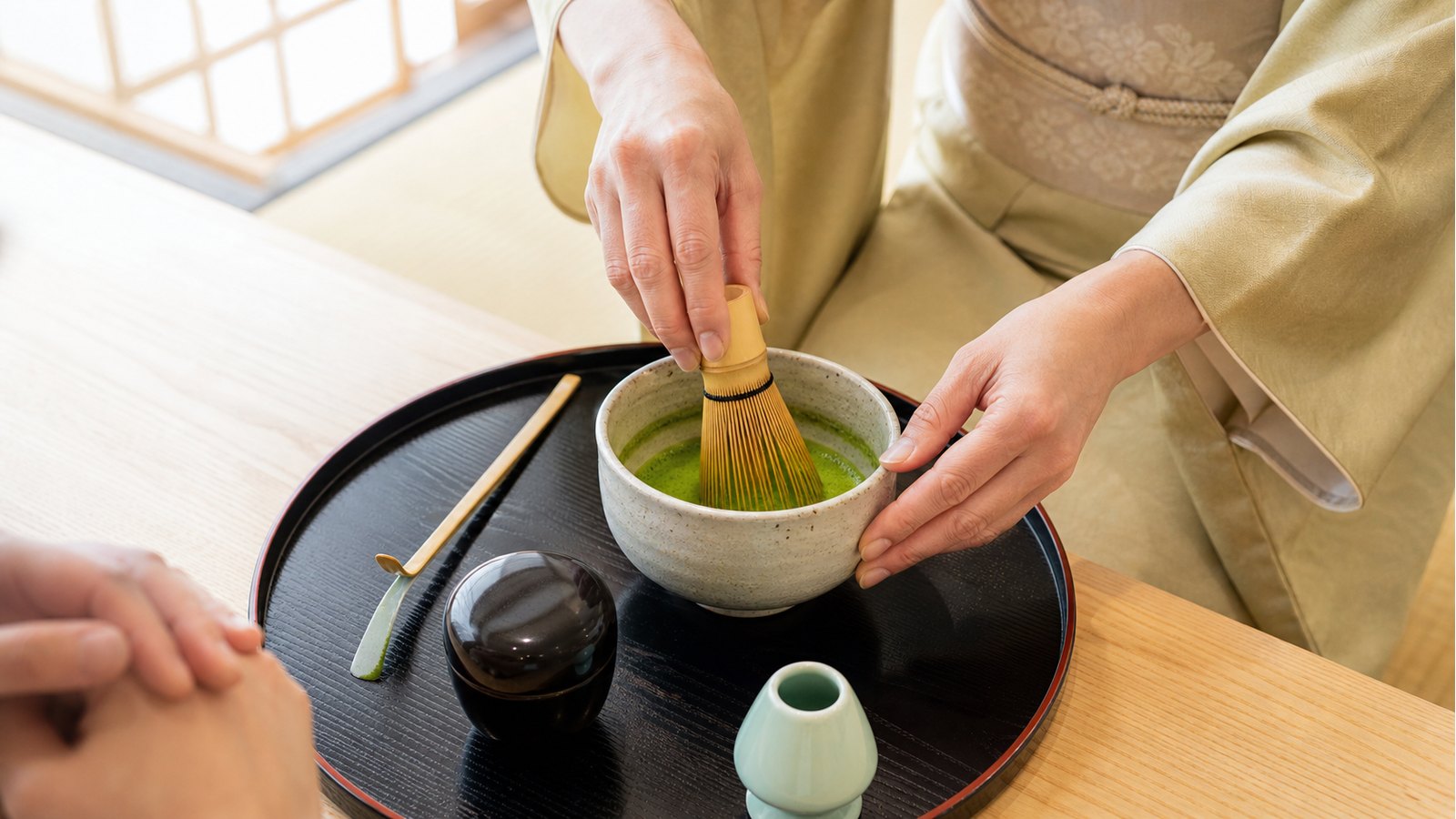
Jidaiya’s official English tea-ceremony page lists a 30–50 minute experience, JPY 11,000 for one person or JPY 5,500 each for two or more, and English explanation. It allows photos but not video or sound recording. The normal participation age is over eight.
- Before leaving: use the official tea-ceremony page and contact route, confirm the date and venue, and save the confirmation offline.
- On arrival: tell staff in advance if you need chair seating rather than seiza. The page says wheelchair access is possible but the bathroom is not accessible, so confirm the exact need before booking.
- Abort: do not assume same-day space. Do not book if the age, bathroom, seating, language or dietary answer remains unresolved.
- Plan B: keep the Asakusa day and skip the ceremony. If you want dessert instead, Nanaya’s official directory lists the Suzukien collaboration shop, but verify its current branch details before relying on it.
Jidaiya describes its anko-dama sweet as vegetarian, vegan and halal. That claim applies to the stated sweet, not automatically to every ingredient, drink, shared tool or strict cross-contact requirement.
What to Order Without Guessing
| You want | Order or format | Question to ask |
|---|---|---|
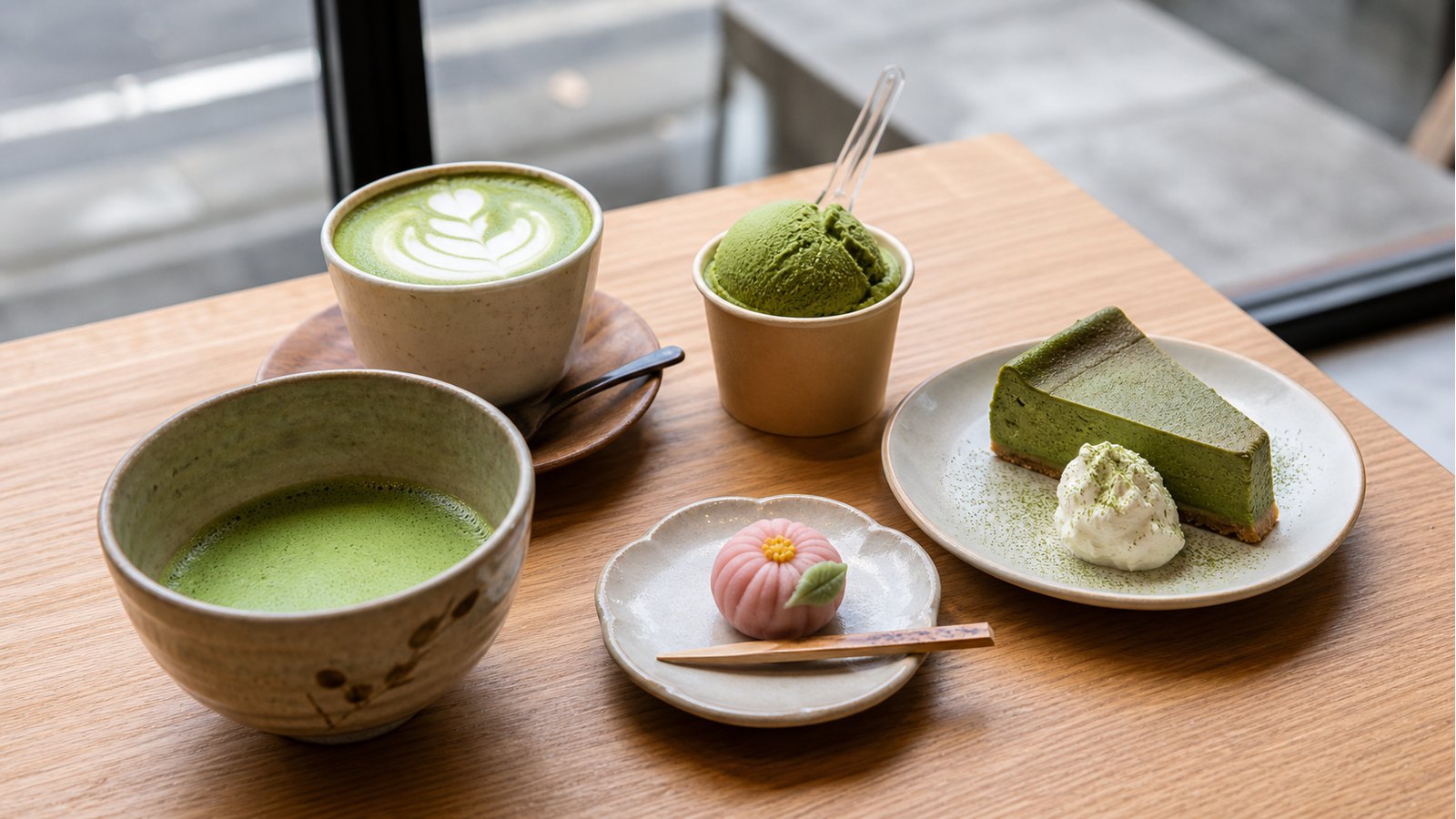
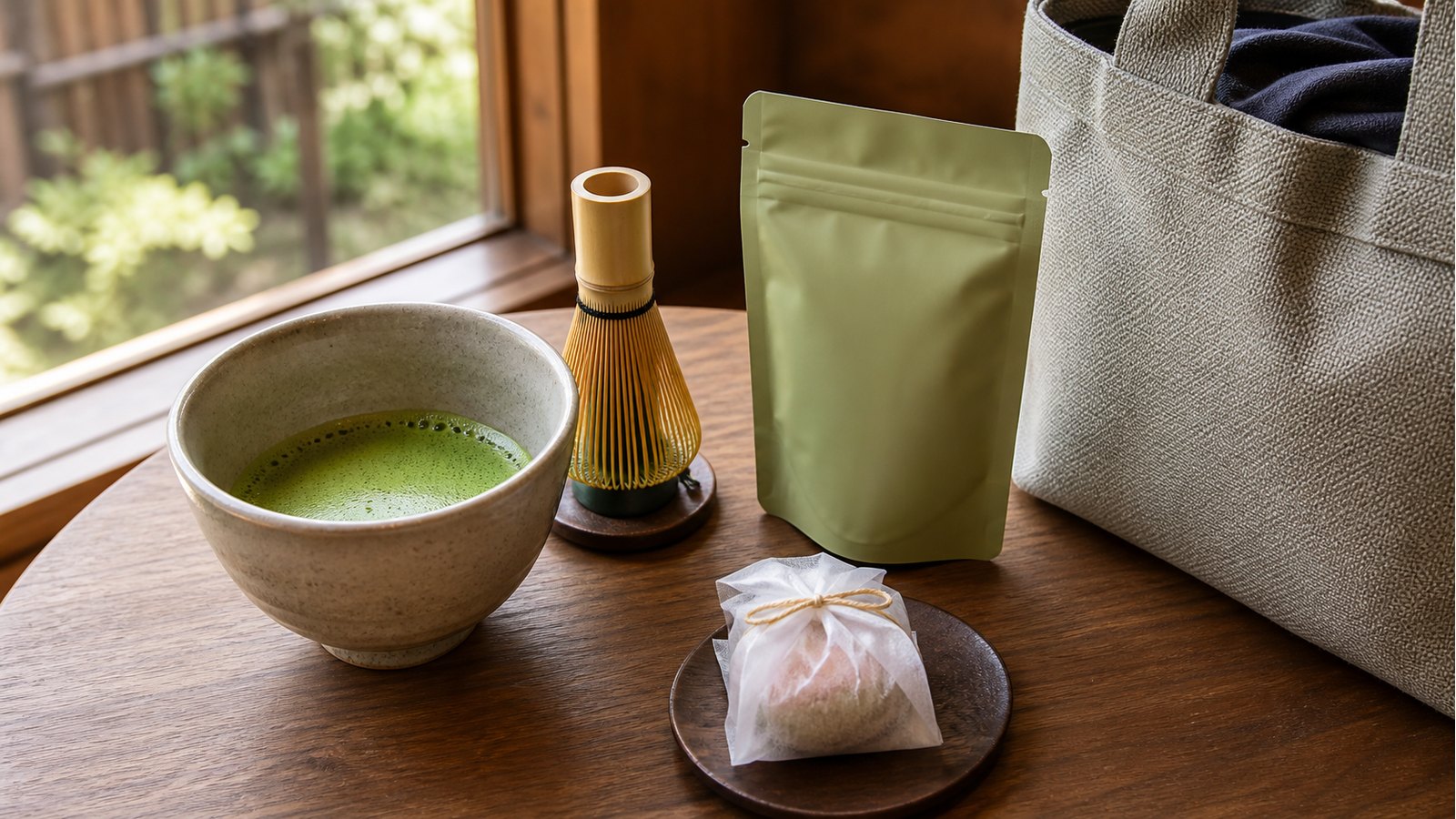
| Tea flavour | Usucha with one sweet | Is this thin matcha, and what sweet is included? |
| Easy sweet drink | Matcha latte | Is it sweetened, and which milk is used? |
| Cold dessert | Matcha gelato | Which level is least or most intense, and what allergens apply? |
| Cultural explanation | Workshop or tea ceremony | How long, which language, which seating, and what is included? |
| Souvenir | Sealed tea or sweet | What is the ingredient label, storage rule and best-before date? |
Do not use dark green colour as proof of bitterness, quality, dietary suitability or matcha strength.
Dietary, Allergy and Etiquette Stop Rules
- Allergy stop: matcha itself does not explain milk, egg, wheat, soy, nuts or shared preparation in lattes and sweets. Ask about the exact order and cross-contact.
- Vegan or halal stop: do not generalize one provider’s claim to every product. If staff cannot confirm the exact serving, choose a clearly labelled packaged item or skip it.
- Fragrance stop: respect the explicit no-strong-scent request at Ippodo Aoyama.
- Photo stop: ask before shooting. Jidaiya allows photos but prohibits video and audio recording.
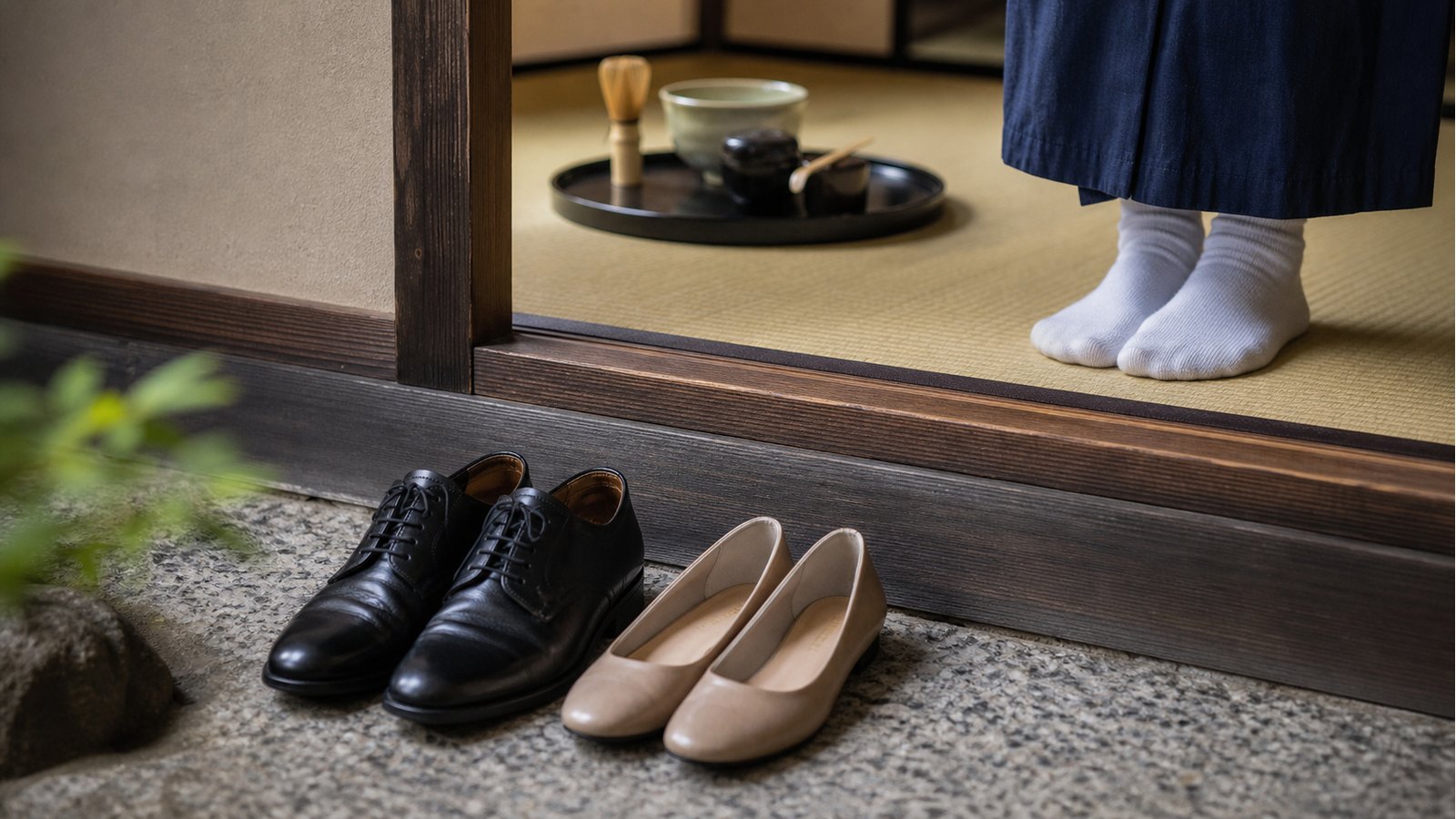
- Seating stop: confirm chair, tatami and bathroom access before paying for a ceremony.
Use the RJG Japan food allergy guide and the Consumer Affairs Agency food-labelling page before relying on restaurant or dessert communication.
Concrete Plan B by Area
| Failed route | Low-pressure Plan B | Do not do this |
|---|---|---|
| Ippodo Aoyama seated tea | Use takeaway at the same store | Do not cross Tokyo for another reserved tearoom |
| Ippodo Isetan takeaway | Buy a labelled packaged tea or sweet and continue Shinjuku | Do not miss a train for a drink line |
| Hamarikyu teahouse | Enjoy the garden and continue the original route | Do not turn the garden into a failed tea-only trip |
| Sakurai or Nanaya Aoyama | Use Ippodo takeaway only if its live page and opening time fit | Do not rely on an old hours screenshot |
| Jidaiya ceremony | Keep the Asakusa day; switch to an optional dessert only after a live branch check | Do not assume walk-in ceremony space |
A successful matcha plan is one that fits the day. It does not require completing every format.
Your One Next Action
Choose one format now—plain tea, takeaway, garden tea, dessert or ceremony—then save exactly three links: the live official page, the map and your Plan B. If you cannot confirm an essential condition, keep the stop optional.
FAQ
Should I book a matcha cafe in Tokyo?
Book when the official page offers or requires it and your day has a fixed time. Ippodo Aoyama accepts tearoom reservations. Jidaiya is a structured experience that should be arranged in advance. A takeaway counter or dessert shop should stay flexible unless its official page says otherwise.
What is the easiest first matcha order?
Choose usucha, or thin matcha, with one sweet when you want to taste tea. Choose a matcha latte or gelato when you mainly want an easy dessert. These are different experiences, so decide before joining a line.
How much should I budget?
Current verified anchors are JPY 864 for Ippodo Isetan Shinjuku takeaway matcha, JPY 3,850 for Ippodo Aoyama's weekday mini workshop, and JPY 11,000 for one person or JPY 5,500 per person for two or more at Jidaiya. Check the live menu for ordinary tearoom, tea-bar, garden and gelato prices.
Can I pay cash?
Do not assume. Ippodo Aoyama explicitly says cash is not accepted and lists cards, transport IC and smartphone payments. Payment details for other stops were not complete on every accessible official page, so check the exact place before travelling.
Is matcha safe for vegan, halal or allergy needs?
Plain matcha is not a complete dietary answer. Milk drinks, sweets, gelato, wagashi and shared preparation can add allergens or cross-contact. Jidaiya's official page describes its anko-dama sweet as vegetarian, vegan and halal, but strict travelers should still confirm the exact serving and cross-contact directly.
What if the booking, line or menu does not work?
Abort early. Use takeaway at the same location, enjoy the garden without tea, buy a clearly labelled packaged item, or continue the original sightseeing plan. Do not cross Tokyo to replace one failed matcha stop with another uncertain queue.
About the Author
Basabasa is a former sergeant major in the Japan Ground Self-Defense Force who writes Real Japan Guide for first-time foreign visitors. He focuses on practical Japan travel frictions: how to order, pay, move, ask, queue, and avoid small mistakes that can make a good trip feel harder than it needs to be.
Official Sources Checked for This Guide
- Ippodo Tea Aoyama official page and TableCheck: hours, access, cashless payment, fragrance request, reservation lateness, workshop price and duration.
- Ippodo Tea Isetan Shinjuku official page: location, hours, takeaway last order and current cup prices.
- Tokyo Metropolitan Park Association: Nakajima no Ochaya hours and closure period.
- Sakurai Japanese Tea Experience official access page: Aoyama address and published general/weekday hours. Dynamic reservation terms must be rechecked.
- Nanaya official store directory: Aoyama branch and product categories. Complete current branch hours/payment were not treated as verified.
- Jidaiya official English tea-ceremony page: duration, price, English explanation, age, seating/accessibility, recording and stated sweet suitability.
- Consumer Affairs Agency: food-allergy communication and labelling support.
Comments